



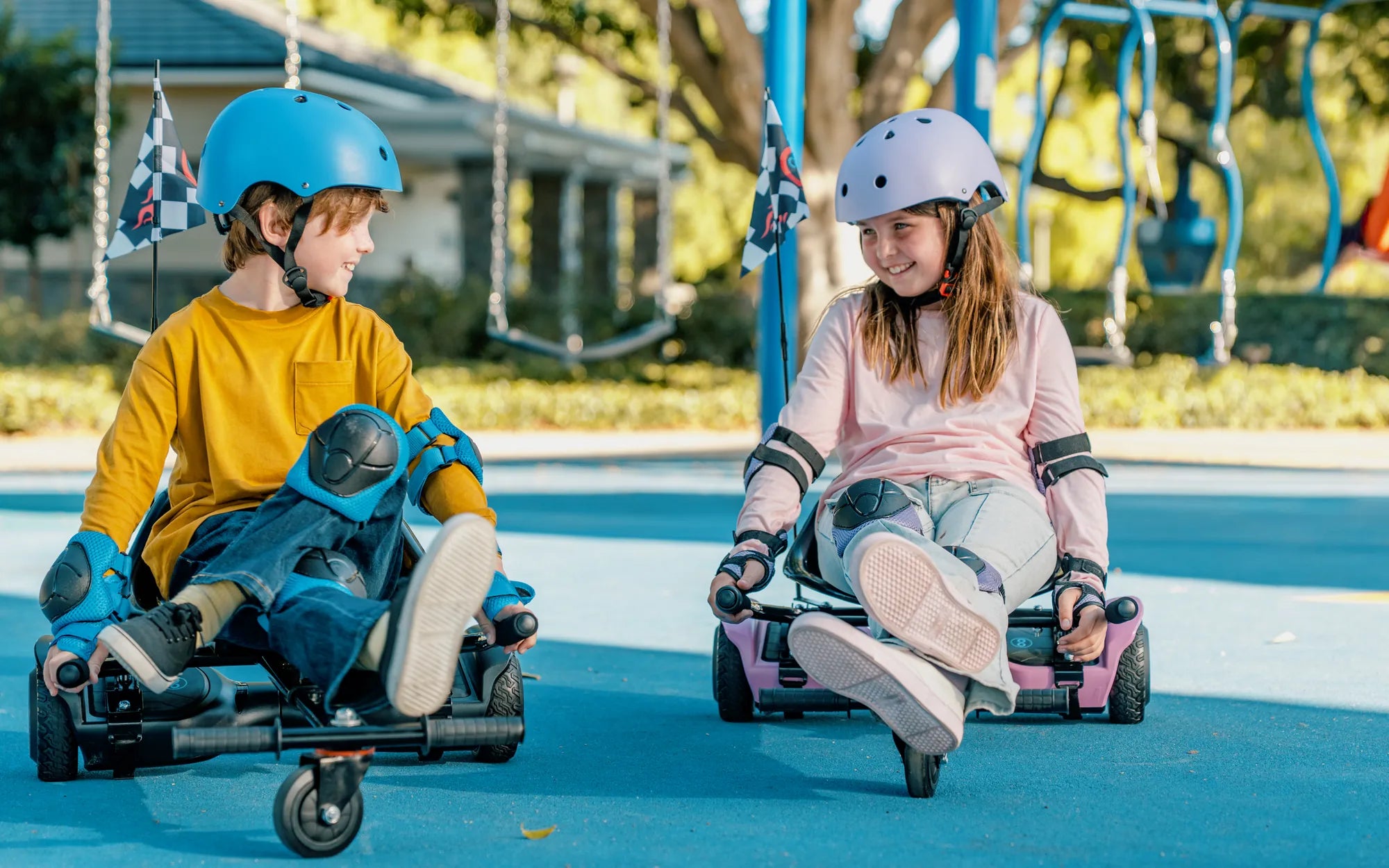
Finding the Right Electric Scooter for Your Child
The search for the best electric scooter for kids under $200 requires balancing excitement with essential safety. While this budget-friendly category is filled with options, discerning key features separates a quality ride from a potential hazard. Parents can successfully navigate this market by focusing on verified safety specs, age-appropriate performance, and durable construction, rather than being swayed by flashy extras or unrealistic claims.
This guide is designed to cut through the noise. You will learn the non-negotiable safety components every scooter must have, discover curated models that represent genuine value, and gain the knowledge to compare specifications critically. Our goal is to ensure your investment brings lasting fun without compromising on security, making the search for the best electric scooter for kids under $200 a confident and informed process.
Key Safety Features to Prioritize (Even on a Budget)
Safety is paramount and cannot be compromised, even with a sub-$200 price tag. The core features in this section are your primary checklist. They directly influence stability, control, and accident prevention, forming the foundation of a trustworthy purchase.
Ignoring these elements for a slightly lower price or more aesthetic appeal is a significant risk. A secure scooter must have a robust braking system, governed speed controls, and a frame built to handle your child's weight and riding style. These are the pillars of safe operation.
Speed Modes and Parental Controls
Adjustable speed modes are the most critical safety feature for young riders. A beginner mode, typically capped between 5-7 mph, allows children to build confidence and coordination in a controlled environment. Look for scooters that offer at least two, and preferably three, speed settings.
Parental controls are the mechanism that enforces these limits. The most common and reliable form is a physical key or a combination button press on the display to switch modes. Some models may offer Bluetooth app connectivity or a remote control for locking speed, but in this price range, simple, physical controls are often more dependable and less prone to disconnection issues.
Braking System: Disc vs. Electronic vs. Foot Brakes
The braking system determines how quickly and safely a scooter can stop. In the under-$200 category, you'll typically encounter three types: disc, electronic (e-brake), and foot brakes.
A rear disc brake offers the most consistent and powerful stopping power, performing well in various conditions. An electronic brake, which engages the motor to slow the scooter, is often paired with a disc or foot brake as a secondary system; it can fade with low battery. A simple foot fender brake, where the rider presses down on the rear fender, is common but requires more skill and force from the child and is less effective, especially at higher speeds or on inclines.
Build Quality and Weight Limit
A sturdy frame, usually constructed from aerospace-grade aluminum alloy, is essential for durability and stability. Inspect the folding mechanism—it should lock securely with no wobble. The deck should be wide enough for a comfortable stance and feature a non-slip surface.
Adhering to the manufacturer's stated maximum weight limit is non-negotiable. Exceeding it can stress the motor, battery, and frame, leading to premature failure and unsafe handling. A quality scooter under $200 will clearly state a weight limit, typically between 120 to 165 pounds, which should accommodate the target age group.
Top Picks: Best Electric Scooters for Kids Under $200
After evaluating safety, features, and user reviews, we've selected models that offer the best combination of value and reliability. The following table provides a clear, at-a-glance comparison of our top recommendations for the best electric scooter for kids under $200.
| Model | Best For | Top Speed | Brake Type | Key Feature |
|---|---|---|---|---|
| Gyroor S1 Mini | Younger Riders (Ages 6-8) | 7.5 mph (3 modes) | Rear Disc + E-brake | UL-certified battery, ultra-stable 5.5" solid tires |
| Gyroor S1 Pro | Older Kids & Value (Ages 8-12) | 9.5 mph (3 modes) | Dual Disc Brakes | Longer 6.5 mi range, IPX5 water resistance |
| Gyroor S1 Lite | Budget-Friendly Essential | 7 mph (2 modes) | Foot Fender + E-brake | Lightweight, simple assembly, core safety included |
Gyroor S1 Mini: Best for Younger Riders (Ages 6-8)
The Gyroor S1 Mini is engineered specifically for first-time riders. Its top speed is wisely limited to a safe 7.5 mph, accessible through three locked speed modes controlled by a simple button interface. This allows parents to set a beginner pace as low as 3.5 mph, perfect for parking lot practice.
Safety is paramount with its dual braking system, combining a responsive rear disc brake with an electronic brake for confident stopping. The wide, 5.5-inch solid rubber tires provide excellent stability and require no maintenance, while the frame's lower center of gravity boosts confidence. It includes a UL-certified battery pack, a critical safety benchmark often missing in this price range.
Gyroor S1 Pro: Best for Older Kids & Value (Ages 8-12)
The Gyroor S1 Pro represents the peak of value under $200, offering features typically found in more expensive models. It provides a bit more thrill for responsible older kids, with a top speed of 9.5 mph across three lockable modes. The dual disc brake system—one on each wheel—delivers superior, balanced stopping power essential for slightly higher speeds.
With an extended range of up to 6.5 miles on a single charge and IPX5 water-resistant construction, it's built for longer adventures and can handle damp pavement. The reinforced aluminum frame supports riders up to 165 lbs, ensuring durability as your child grows. This model exemplifies how the best electric scooter for kids under $200 can still offer premium safety and performance.
Budget-Friendly Alternative: Gyroor S1 Lite
For families where budget is the absolute primary constraint, the Gyroor S1 Lite delivers core safety without frills. It maintains essential features like two speed modes (max 7 mph) and a combination foot fender and electronic braking system suitable for casual, low-speed riding on flat surfaces.
Its lightweight design makes it easy to carry, and assembly is minimal. While it forgoes some premium features like disc brakes or the longest range, it retains fundamental safety engineering and the backing of Gyroor's reliable customer support, making it a trustworthy entry-point option that still prioritizes secure operation.
The Smart Buyer's Guide: What to Know Before You Click "Buy"
Armed with model knowledge, a savvy parent must understand the underlying specifications. This knowledge prevents disappointment and ensures the scooter's performance aligns with your child's needs and your local environment.
Manufacturers may exaggerate claims, especially regarding range and power. Learning to interpret motor wattage, battery specifications, and tire types will empower you to make a comparison based on facts, not just marketing language. This step is crucial for finding the true best electric scooter for kids under $200.
Understanding Motor Power and Battery Life
Motor power in this category typically ranges from 100W to 150W, which is sufficient for kids and moderate inclines. Voltage (often 24V or 36V) relates to power delivery; a higher voltage can offer better torque for starting.
Be realistic about range claims. A scooter advertised for "10 miles" will likely achieve 6-8 miles under real-world conditions with a child's weight, starts, stops, and slight hills. Charge time is usually 3-5 hours. Always verify the battery certification—UL, CE, or RoHS marks indicate passed safety tests—which is a non-negotiable for fire safety.
The Importance of Tires: Air-Filled vs. Solid
Tire choice significantly impacts ride comfort and maintenance. Air-filled (pneumatic) tires offer excellent shock absorption, providing a smoother ride over cracks and bumps, but they are susceptible to punctures and require occasional pressure checks.
Solid (rubber or honeycomb) tires are completely puncture-proof and maintenance-free, offering peace of mind. The trade-off is a slightly harder ride, as they transmit more vibration from the ground. For most kids under 12 on typical sidewalks, wider solid tires (like 5.5" or larger) provide a good compromise of comfort and durability.
Warranty and Customer Support Check
The warranty is a direct reflection of the manufacturer's confidence in their product. For kids' electric scooters under $200, look for a minimum 90-day warranty, with 1 year being the gold standard for the frame and motor. The battery often has a separate 6-month to 1-year warranty.
Before purchasing, research the brand's customer support accessibility. Do they have a service email, phone line, or detailed FAQ? Reputable brands like Gyroor provide clear warranty terms and accessible support channels, which is invaluable if you need assistance with parts or troubleshooting.
Essential Riding Gear and Safety Practices
A safe scooter is only one part of the equation. Proper protective gear is mandatory, not optional. This non-negotiable practice drastically reduces the risk of serious injury and should be established as an unbreakable rule from day one.
Supervision and environment selection are equally important. A child's first dozen rides should be closely supervised in a controlled, safe area away from traffic, steep slopes, and pedestrian congestion. Establishing these habits early ensures safety becomes an integral part of the fun.
Mandatory Protective Equipment
A properly fitted CPSC-certified bicycle helmet is the absolute minimum requirement for every ride. Elbow and knee pads are highly recommended, especially for beginners, as falls often result in scrapes and impacts to joints.
Sturdy, closed-toe shoes (like sneakers) should always be worn—never sandals or flip-flops. Consider gloves to protect hands in a fall and improve grip. Making gear a non-negotiable part of "gearing up" helps instill a lifelong safety mindset.
Choosing the Right Practice Environment
Begin in a completely empty, paved area like a school parking lot on a weekend, a deserted tennis court, or a smooth driveway. The surface should be flat, dry, and free of gravel, sand, or major cracks.
Only after demonstrating mastery of starting, stopping, turning, and speed control in this safe zone should graduated exposure to more complex environments (like quiet sidewalks with parental supervision) be considered. Always avoid roads, even quiet ones, and be hyper-aware of driveways and intersections.
Maintenance Tips for Longevity and Safety
Regular, simple maintenance keeps the scooter running safely and extends its lifespan. A five-minute check before each ride can identify potential issues before they become hazards. Teaching your child to participate in these checks also fosters responsibility for their equipment.
Focus on the critical points of contact and movement: brakes, tires, and fasteners. Proper battery care is also essential for both performance and safety. These routines are simple but profoundly effective.
Pre-Ride Safety Checklist
Before every ride, perform a quick visual and functional inspection. Squeeze the brake levers to ensure they engage firmly and the scooter stops smoothly when pushed. Check tire pressure (if applicable) and look for any significant wear or embedded debris.
Ensure the folding mechanism (if present) is fully locked and there is no excessive wobble in the handlebar or stem. Verify that the throttle returns to the off position smoothly and that all lights (if equipped) are functioning. This 60-second habit is a powerful safety ritual.
Battery Care and Storage Guidelines
To maximize battery life and safety, avoid completely draining the battery. Try to recharge when one battery bar remains. Always use the provided charger from the manufacturer.
Store the scooter in a cool, dry place, away from direct sunlight or extreme temperatures. If storing for more than a month, charge the battery to about 50-60% first. Never leave a fully depleted battery uncharged for extended periods, as this can permanently damage it.
FAQ: Parents' Top Questions Answered
Are electric scooters under $200 safe for kids?
Yes, they can be safe, provided they include the key safety features outlined in this guide: adjustable speed modes with parental locks, a reliable braking system (preferably disc), a sturdy frame, and important safety certifications for the battery (like UL). Parental diligence in selecting a reputable model and enforcing safety gear is crucial.
What is the appropriate age for a kids' e-scooter?
Most manufacturers recommend ages 6 and up. The appropriate age depends less on the number and more on the child's maturity, coordination, and ability to follow safety rules. A responsible 8-year-old might be ready for a model with more features, while some 6-year-olds thrive on a beginner scooter with a very low speed cap.
How can I ensure my child rides safely?
Safety is a multi-part commitment: 1) Choose a scooter with appropriate safety features. 2) Mandate a helmet and other protective gear every single time. 3) Supervise initial practice in a safe, controlled environment. 4) Teach and enforce rules about where to ride (no roads), being aware of surroundings, and respecting pedestrians.
Do these scooters require assembly?
Most require minimal assembly, often just attaching the handlebar to the stem and tightening a few bolts. The required tools are almost always included. The process usually takes 10-20 minutes. Always double-check that all fasteners are secure before the first ride.
Can the scooter handle hills?
Scooters in this price and power range (100W-150W motors) are designed for flat to moderate inclines. They may slow down significantly or struggle on steep hills. It's best to manage expectations and encourage riding on relatively flat terrain like sidewalks, bike paths, and park trails for optimal performance and battery life.
Investing in Fun and Safety
Finding the best electric scooter for kids under $200 is an achievable goal that centers on prioritizing verifiable safety features and managing performance expectations. The ideal choice isn't the one with the highest claimed speed or the flashiest lights, but the model that best matches your child's age, skill level, and your need for durable, secure construction.
Use this guide as your definitive checklist. Focus on governed speed, reliable brakes, a certified battery, and a clear warranty. By making an informed decision, you invest not just in a toy, but in countless hours of outdoor fun and the invaluable peace of mind that comes from knowing your child is riding safely.
Ready to explore a range of UL-certified, safety-focused options built for young riders? Browse the full Gyroor collection, including the S1 series detailed here, at gyroorboard.com. Discover why over 100,000 riders trust Gyroor for reliable, fun, and secure electric mobility.
Kids Foot Push Scooter: The Ultimate Guide to Fun and Safety
What Does It Mean When Your Hoverboard Is Blinking Orange? A Complete Troubleshooting Guide