



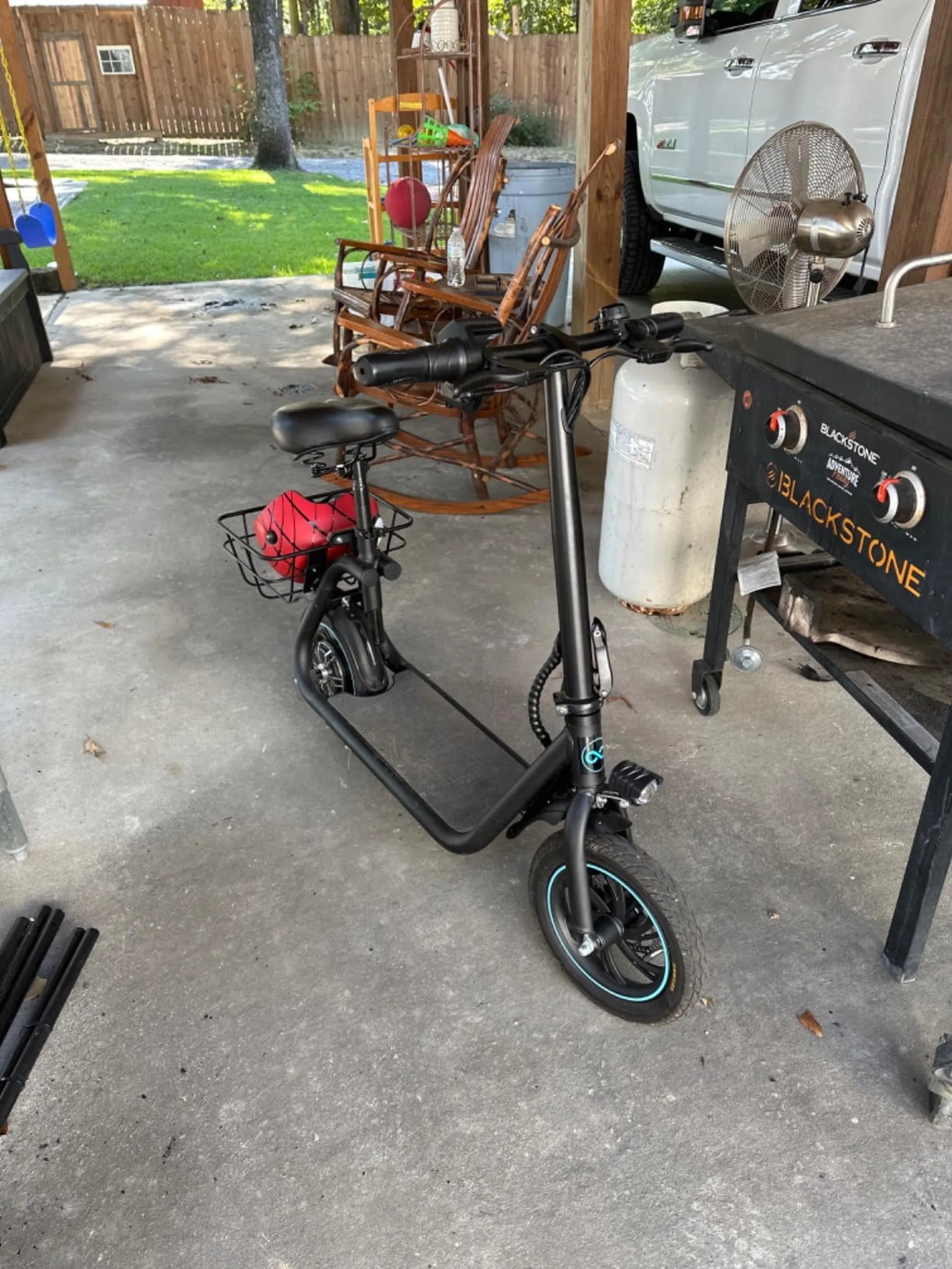
Introduction: The Future of Urban Mobility is Here
Electric scooters have evolved from novelty gadgets into sophisticated, essential tools for modern transportation. The market for 2025 is defined not by incremental upgrades, but by a fundamental shift towards verified safety, integrated smart technology, and purpose-built designs for specific rider needs. This guide, Best Electric Scooters 2025: The Ultimate Guide to Future Rides, is engineered to cut through the marketing hype.
Our goal is to provide a factual, evidence-based framework for your purchasing decision. We will analyze the critical specifications that matter in 2025, from non-negotiable battery safety certifications to the real-world implications of water resistance ratings. As a leader in the micro-mobility space, Gyroor exemplifies this shift, with a focus on UL-certified battery packs, IPX5 water-resistant construction, and reliable customer support trusted by over 100,000 riders.
This article will serve as your comprehensive resource. You will learn how to match scooter categories to your primary use case, understand the technology behind key features, and make a value-driven investment that prioritizes long-term reliability and safety. The era of choosing a scooter based solely on top speed or lowest price is over; 2025 is about intelligent, informed selection.
What Defines a "Best" Electric Scooter in 2025?
The definition of "best" has matured significantly. In 2025, it is a composite score of safety, durability, performance, and support. The baseline expectations have risen, moving past mere specifications to verifiable standards and real-world resilience. A top-tier scooter is no longer just the fastest or longest-range model; it is the most trustworthy and appropriately matched to your lifestyle.
Foremost is battery safety, with UL 2272 certification becoming a non-negotiable benchmark. This independent laboratory test rigorously evaluates the battery system's electrical, mechanical, and environmental safety, drastically reducing fire risk. Any scooter without this certification in 2025 represents a compromised and potentially dangerous choice, regardless of other appealing features.
Equally critical is build quality and environmental protection. An IP (Ingress Protection) rating is not a mere suggestion but a requirement for a vehicle used outdoors. A rating of IPX5 or higher indicates protection against water jets from any direction, making the scooter capable of handling wet roads and light rain. This durability directly correlates with longevity and reduces maintenance issues caused by moisture ingress.
Finally, the manufacturer's commitment post-purchase defines value. A comprehensive warranty—covering the motor, battery, controller, and frame—and accessible, knowledgeable customer support are integral parts of the product. They transform a purchase from a transactional gamble into a supported investment. Brands like Gyroor back their scooters with a reliable 1-year warranty, reflecting confidence in their UL-certified components and robust construction.
Top Electric Scooter Categories for 2025 Riders
The market has effectively segmented into distinct categories, each optimized for a primary use case. Understanding these categories is the first step to narrowing your search and avoiding the common pitfall of buying an over- or under-powered machine. Your daily commute, storage situation, and riding terrain should directly point you to one of these four archetypes.
The Urban Commuter Champion
This category is designed for the daily rider navigating city streets, combining public transit, and running errands. Key attributes include a weight under 30 lbs for easy carrying, a compact folding mechanism, and a balanced mix of range and speed. The focus is on practicality, portability, and all-weather readiness.
Ideal specs for a 2025 commuter champion include a 350W-500W motor providing speeds of 15-20 mph, sufficient for keeping pace with urban traffic. A real-world range of 15-25 miles covers most round-trip commutes. Essential features are a bright headlight and brake light, effective regenerative and disc braking, and a deck large enough for a stable stance. Portability is paramount, so a one-step folding mechanism and a manageable weight are critical.
The Performance & Power Seeker
For riders with longer commutes, a need for hill-climbing power, or a desire for more thrilling acceleration, this category delivers enhanced performance. These scooters prioritize higher-wattage motors, superior suspension, and extended battery capacity, often at the expense of some portability.
A 2025 performance scooter typically features a motor of 500W or more, with dual-motor configurations available for maximum torque. Top speeds can reach 25+ mph, with ranges extending to 30+ miles per charge. You'll find advanced suspension systems—often dual spring or hydraulic—and larger, more responsive brake calipers. The frame is more robust to handle the increased power, resulting in a weight often between 40-65 lbs.
The All-Terrain Adventurer
Built to conquer more than just pavement, all-terrain (or off-road) scooters are engineered for stability and control on variable surfaces like gravel paths, packed dirt trails, and grassy fields. They trade sleek urban aesthetics for rugged, functional design focused on traction and shock absorption.
The hallmarks of this category are large, air-filled tires (often 10 inches in diameter or more) with deep treads. Suspension travel is significantly increased, with front and rear systems to soak up bumps. High ground clearance prevents undercarriage strikes, and motors are powerful (600W+) to tackle inclines on loose surfaces. Water resistance is especially crucial here, with IPX5 or IPX6 ratings being standard for these adventure-ready machines.
The Ultra-Portable & Compact
This category represents the pinnacle of miniaturization for the multi-modal commuter. If your primary need is a "last-mile" solution that you can effortlessly carry onto a bus, store under a desk, or tuck in a small apartment closet, ultra-portable models are the answer. The engineering challenge is maximizing function within minimal size and weight.
These scooters weigh under 25 lbs, with some advanced models dipping below 20 lbs. They feature quick, often lever-less folding mechanisms. To save weight, they may use solid or honeycomb tires instead of air-filled ones, which reduces maintenance but can impact ride comfort on rough pavement. Range is typically more modest (10-15 miles), and motor power (250W-350W) is sufficient for flat urban environments. The best in class maintain core safety features like reliable brakes and lights despite their small size.
Key Features & Tech to Prioritize in Your 2025 Purchase
Understanding individual features allows you to decode specification sheets and ask the right questions. The technology integrated into 2025 models goes beyond propulsion to encompass safety systems, connectivity, and rider customization. Prioritizing these features ensures your scooter remains relevant, safe, and enjoyable for years to come.
UL-Certified Battery & Management System: This is the most critical feature. UL 2272 certification means the battery pack has passed rigorous tests for overcharge, short circuit, imbalance, and crush resistance. It should be paired with a sophisticated Battery Management System (BMS) that monitors cell voltage and temperature, ensuring balanced charging and preventing damage. This technology is fundamental to safety and long-term battery health over 500+ charge cycles.
IP Rating for Water & Dust Resistance: The IP code (e.g., IPX5) is a standardized rating. The first digit (omitted as 'X' in some ratings) refers to solid particle protection; the second digit refers to liquid ingress. For electric scooters, the liquid rating is paramount. IPX4 means protection against splashing water from any direction. IPX5, a key standard for brands like Gyroor, guarantees protection against water jets (6.3mm nozzle) from any direction, making the scooter resilient in rain and wet conditions. This is a practical minimum for reliable year-round use.
Smart App Connectivity & Diagnostics: Bluetooth connectivity via a companion app is now a standard premium feature. A good app allows you to customize riding modes (Eco, Standard, Sport), adjust regenerative braking strength, and lock the scooter electronically. More importantly, it provides diagnostic data, allowing you to check battery cell health, track maintenance intervals, and sometimes run system checks, adding a layer of proactive ownership and security.
Lighting & Braking Systems: Safety is proactive and reactive. Proactive safety includes bright, wide-beam LED headlights, deck accent lighting for side visibility, and automatic brake lights. Reactive safety hinges on the braking system. A combination brake—using both a electronic regenerative brake and a mechanical disc or drum brake—provides the most reliable and controlled stopping power in all conditions, a must-have for any scooter intended for road use.
The Data-Driven Comparison: Making an Informed Choice
Armed with knowledge of categories and features, the next step is a systematic comparison. Creating a simple table or checklist based on the following criteria will visually highlight the trade-offs and help identify the scooter that best aligns with your primary needs and budget. Remember, the "best" scooter is the one that optimally solves your specific transportation equation.
| Comparison Criteria | What to Look For | Why It Matters |
|---|---|---|
| Price | Your total budget, including potential tax/shipping. | Sets the realistic scope for features and performance. |
| Motor Power & Speed | Wattage (e.g., 350W, 500W, dual-motor) and max speed (mph). | Determines acceleration, hill-climbing ability, and overall ride feel. |
| Real-World Range | Estimated range at your weight, in your typical riding mode (not max speed). | Dictates how far you can practically travel on a single charge. |
| Weight & Portability | Unfolded dimensions, folded dimensions, and total weight. | Critical for carrying up stairs, onto transit, and for storage. |
| Tire Type & Suspension | Air-filled (pneumatic) vs. solid; spring/hydraulic suspension present. | Directly impacts ride comfort, traction, and maintenance needs. |
| IP Rating | Liquid ingress protection rating (e.g., IPX4, IPX5). | Defines the scooter's durability in wet weather and real-world conditions. |
| Warranty & Support | Duration and components covered (battery, motor, frame). Support channel accessibility. | Protects your investment and ensures help is available if needed. |
When comparing, weigh each criterion based on your personal priorities. A university student might prioritize weight and price above all else, while a suburban commuter might value range and suspension comfort most highly. Use this framework to shortlist 2-3 models that score highly on your key criteria before diving into in-depth reviews.
Investing in Your Ride: Understanding Value Beyond the Price Tag
The initial purchase price is only one component of the total cost of ownership. A cheaper scooter with poor construction, no meaningful warranty, and uncertified components can become a costly liability through premature failure, safety concerns, or simply being unfit for purpose. True value is measured in reliable miles traveled, peace of mind, and longevity.
A strong warranty is a direct indicator of the manufacturer's confidence in their product. A 1-year comprehensive warranty that covers the core electrical systems (battery, motor, controller) and the frame, like that offered by Gyroor, is a significant financial safeguard. It shifts the risk of early component failure from you back to the manufacturer, protecting your investment.
Safety certifications have tangible value. A UL-certified battery pack may add to the manufacturing cost, but it drastically reduces the statistical risk of a dangerous battery failure. This isn't just about avoiding property damage; it's about personal safety. Investing in certified safety is investing in risk mitigation, a value that far outweighs a marginally lower sticker price.
Finally, consider the cost of downtime. A scooter that breaks and has no accessible support leaves you without transportation. Brands with established customer service networks, clear parts availability, and helpful user communities ensure that if an issue arises, it can be resolved efficiently, getting you back on the road quickly. This operational reliability is a core part of a scooter's long-term value proposition.
Frequently Asked Questions (FAQs)
Q: Is UL certification really that important for e-scooter batteries?
A: Absolutely. It is the single most important safety feature. UL 2272 is a rigorous, independent test standard developed specifically for light electric vehicle batteries. It verifies the battery can withstand electrical, mechanical, and environmental stress without catching fire or exploding. Choosing a scooter without it significantly increases your risk.
Q: Can I ride an IPX5-rated scooter in the rain?
A> Yes, an IPX5 rating is designed for exactly that scenario. It certifies the scooter can handle water jets from any direction, meaning riding in rain, through puddles, or on wet roads is within its operational parameters. However, it is not designed for submersion (like riding through deep flooded streets), and proper drying and basic maintenance after a wet ride are still recommended.
Q: How much should I expect to pay for a quality 2025 electric scooter?
A> For a new, quality scooter with core 2025 standards (UL-certified battery, IPX5 rating, reliable brakes), expect a starting point of approximately $400-$500 for a capable commuter model. Performance models with longer range and better suspension range from $700 to $1,500. Ultra-premium or specialized off-road models can exceed $2,000. Significant discounts often signal the omission of these key safety and durability features.
Q: What's the realistic maintenance schedule for a daily commuter scooter?
A> Regular maintenance is simple but crucial. Weekly: Check tire pressure (for pneumatic tires), test brakes, and ensure lights function. Monthly: Inspect the frame and folding mechanisms for loose bolts, clean the deck and wheels, and check for unusual wear on tires and brake pads. Periodically: Keep the battery charged between 20-80% for optimal longevity when not in use for extended periods, and avoid storing it in extreme temperatures.
Q: Are more expensive scooters always faster?
A> Not necessarily. While price often correlates with motor power, a higher price in 2025 is more frequently paying for enhanced safety (better batteries, braking), durability (higher IP rating, better materials), comfort (superior suspension, larger deck), and smart features (app connectivity). A moderately priced scooter might match the top speed of a more expensive one but could lack its range, ride quality, or long-term reliability.
Conclusion: Your Perfect 2025 Electric Scooter Awaits
The landscape for Best Electric Scooters 2025: The Ultimate Guide to Future Rides is defined by maturity and specialization. The ideal scooter is no longer a generic commodity but a tailored solution. Your perfect match exists at the intersection of certified safety, purpose-built design for your primary use case, and the supportive backing of a trustworthy brand.
Begin by honestly assessing your needs: Is it a five-mile daily commute with a flight of stairs? A weekend exploration of park trails? A seamless combination with train travel? Let that answer guide you to the relevant category—Urban Commuter, Performance Seeker, All-Terrain Adventurer, or Ultra-Portable companion. Then, apply the non-negotiable filters: UL 2272 certification and a meaningful IP rating like IPX5.
View your purchase as an investment in efficient, enjoyable mobility. The slightly higher upfront cost of a scooter with a robust warranty, quality components, and accessible support pays dividends in reliability, safety, and peace of mind for thousands of miles. The future of riding is smart, safe, and seamlessly integrated into your life.
Ready to explore a range of electric scooters built to these 2025 standards with a focus on safety and reliability? Browse the full Gyroor collection at gyroorboard.com to find your next ride, backed by UL-certified batteries, IPX5 water-resistant design, and comprehensive customer support.
Electric Scooters for Seniors: A Safe and Convenient Mobility Solution
How Much Are Electric Scooters? A Complete Price Guide