



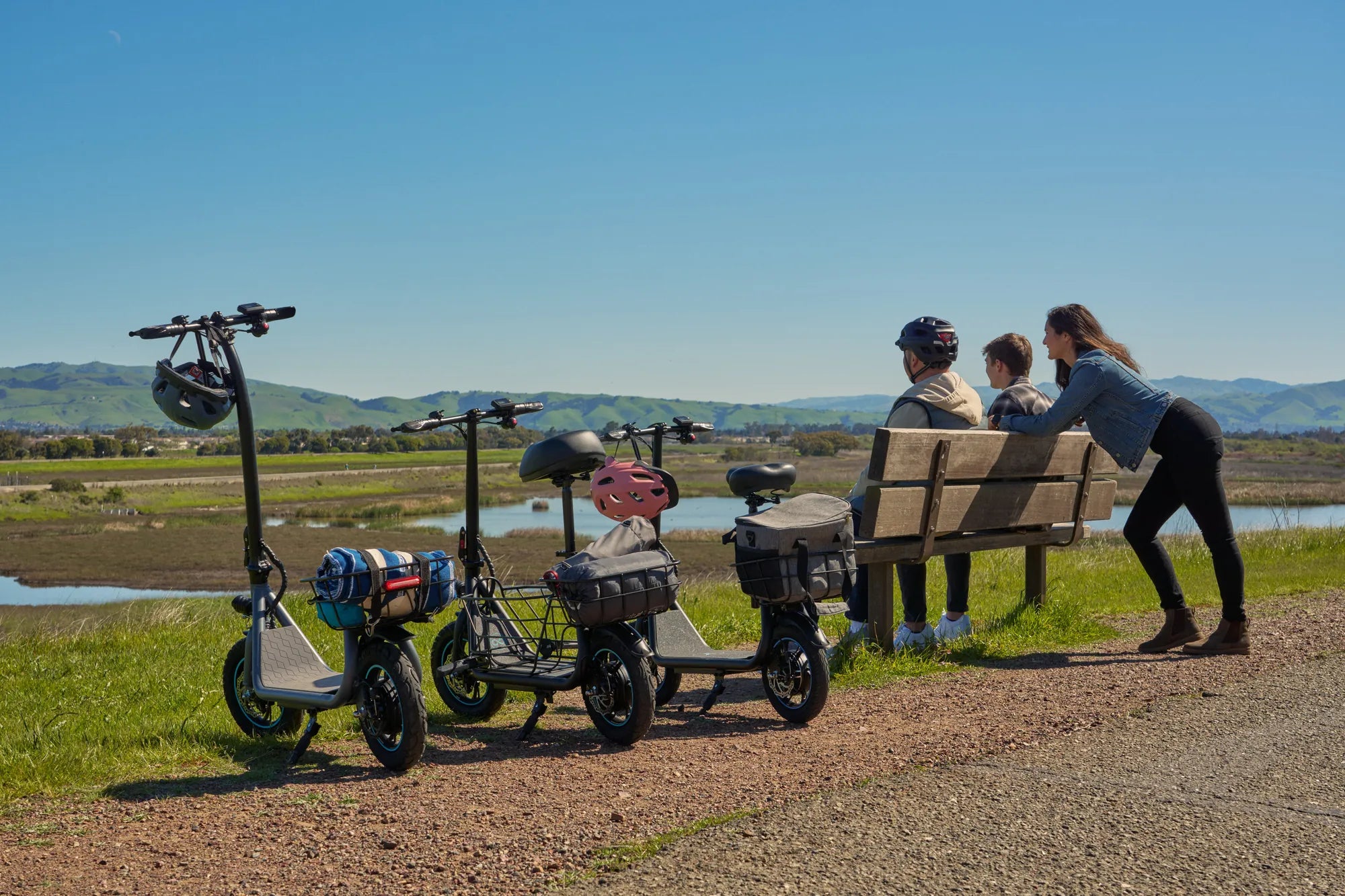
Introduction: Redefining Independence for the Golden Years
Maintaining personal mobility is a cornerstone of independence, mental well-being, and social connection for seniors. While traditional mobility aids serve a purpose, modern electric scooters represent a transformative leap forward, offering a blend of freedom, practicality, and enjoyment. This article provides a thorough, evidence-based exploration of Electric Scooters for Seniors: A Safe and Convenient Mobility Solution, moving beyond marketing hype to focus on the engineering, safety standards, and user-centric design that truly matter.
We will analyze the critical features that separate a senior-friendly scooter from standard commuter models, from stability geometry to intelligent braking systems. You will learn how to interpret product specifications through the lens of safety and ease of use, address common concerns about range and support, and discover how choosing a reputable brand like Gyroor—known for UL-certified batteries and robust warranties—can provide lasting peace of mind.
Key Safety Features: The Non-Negotiable Checklist
Safety is the paramount concern for any senior mobility device. A true senior-friendly electric scooter is engineered with specific, non-negotiable features that prioritize stability, control, and visibility above all else.
These features form a holistic safety system. They include a wide wheelbase and deck for balance, responsive dual braking systems, comprehensive lighting for day and night visibility, and adjustable speed controls that allow riders to build confidence at lower speeds.
Stability and Balance Design
The foundation of safety is physical stability. Key design elements directly impact a scooter's balance and ease of use. A low center of gravity, achieved through strategic battery placement, prevents tipping. A wide deck (at least 6 inches) provides secure footing, while a low step-over height (under 6 inches) makes mounting and dismounting effortless and safe.
Wheel size and type are critical. Larger wheels (9-10 inches) roll over cracks and bumps more smoothly than smaller ones. Pneumatic (air-filled) tires offer superior shock absorption compared to solid tires, reducing jarring impacts on joints and improving traction on varied surfaces, which is essential for maintaining control.
Intelligent Braking and Speed Control
Predictable, fail-safe stopping power is essential. Senior-friendly scooters should feature a combination of braking systems, such as a disc brake paired with an electronic or regenerative brake. This redundancy ensures that if one system is less effective, another is immediately available.
Speed control is equally vital. Look for models with multiple speed modes (e.g., Eco, Normal, Sport). A beginner or Eco mode that limits top speed to 8-10 mph allows new riders to acclimate in a controlled manner. Gentle acceleration curves prevent sudden, jerky starts that can compromise balance, building rider confidence from the first journey.
Senior-Friendly Convenience: Reducing Strain and Simplifying Life
An electric scooter should empower, not complicate. For senior riders, convenience is defined by intuitive operation, minimal physical exertion, and easy integration into daily life. The goal is to reduce cognitive and physical load at every touchpoint.
This encompasses everything from the simplicity of the controls to the practicality of charging and storing the scooter. Features that seem minor on a spec sheet can become major quality-of-life differentiators in daily use.
Simple Controls and Intuitive Operation
The user interface must be straightforward. A clear digital display showing speed, battery level, and riding mode is essential. Controls should be minimal and tactile: a thumb-operated throttle for acceleration and easily accessible brake levers. Complex multi-function displays with confusing menus are a hindrance, not a help.
Charging should be a simple plug-and-play process. A removable battery is a significant advantage, allowing the battery to be charged indoors without bringing the entire scooter inside. This is particularly useful for those who live in apartments or homes with stairs.
Portability and Low-Maintenance Design
Portability extends a scooter's utility. A one-touch folding mechanism allows the scooter to be compactly stored in a closet or car trunk. However, the folded weight is a critical spec; a scooter weighing over 40 lbs can be difficult to lift. Models in the 30-40 lb range offer a better balance of durability and manageability.
Maintenance should be minimal. While pneumatic tires offer a better ride, they require occasional air checks. Some may prefer the zero-maintenance aspect of solid honeycomb tires, accepting a slightly firmer ride. Beyond tire care, a quality scooter should require little more than occasional cleaning and brake pad checks.
Data-Driven Comparison: Senior-Friendly vs. Standard Commuter Scooters
Choosing the right scooter requires looking beyond marketing and at the hard specifications. The table below contrasts the typical design priorities of a scooter built for senior safety and comfort versus a standard commuter scooter built for speed and portability.
| Feature | Senior-Friendly Scooter Priority | Standard Commuter Scooter |
|---|---|---|
| Max Speed | 15 mph (with beginner mode 8-10 mph) | 20+ mph |
| Motor Power | 300W-500W (smooth, controlled power) | 500W+ (for rapid acceleration) |
| Weight Capacity | 300 lbs or higher | 220-265 lbs |
| Deck Width & Height | Wide deck (>6"), low step-over (<6") | Narrower deck, higher deck height |
| Tire Type | 9-10" Pneumatic (air-filled) for comfort | 8.5" Solid or pneumatic |
| Braking System | Dual system (Disc + Electronic/Regen) | Often a single mechanical brake |
| Suspension | Front or dual spring suspension | May lack suspension for weight savings |
| Lighting | Full suite: Headlight, brake light, side reflectors | Basic headlight, often no brake light |
This comparison highlights how Electric Scooters for Seniors: A Safe and Convenient Mobility Solution are engineered with fundamentally different parameters, prioritizing stability, higher weight capacity, and controlled power over maximum velocity.
Addressing Core Concerns: Safety, Range, and Community
It's natural for seniors and their families to have questions and concerns before adopting a new mobility technology. Proactively addressing these points with factual information is key to building confidence.
Common areas of inquiry include real-world performance versus advertised claims, safe riding practices, and navigating local regulations. Understanding these aspects ensures the scooter is used safely and effectively as a tool for enhanced independence.
Battery Safety and Real-World Range
Battery safety is the most critical technical concern. Insist on scooters equipped with UL-certified battery packs, like those used by Gyroor. This certification means the battery has passed rigorous independent testing for electrical, mechanical, and fire safety, offering invaluable peace of mind.
Advertised range (e.g., "up to 25 miles") is a best-case scenario. Real-world range is affected by rider weight, terrain, temperature, and speed. A practical rule is to expect 60-70% of the advertised range. Therefore, choosing a model with a range rating 30-50% higher than your typical daily need provides a comfortable safety buffer.
Warranty, Support, and Riding Etiquette
A strong warranty is a sign of manufacturer confidence. A comprehensive 1-year warranty on the scooter, battery, and motor, like Gyroor's standard offering, protects your investment. Equally important is accessible customer support—patient, US-based teams can be a lifeline for troubleshooting versus impersonal overseas call centers.
Safe riding requires understanding etiquette. While laws vary, scooters are often classified similarly to bicycles. Use bike lanes where available, ride on the right side of the road, and always yield to pedestrians on sidewalks. Wearing a helmet is non-negotiable, and adding a bell or horn is recommended for alerting others.
Why Brand Reputation and Certification Matter
In a market flooded with options, the brand you choose is a direct proxy for safety, reliability, and long-term support. Established brands invest in research, development, and quality control that generic or off-brand models simply cannot match.
This investment manifests in certified components, robust construction, and a commitment to customer care post-purchase. For a mobility device that impacts daily safety, these factors are not luxuries but necessities.
Gyroor, as a leading electric scooter and e-bike brand trusted by over 100,000 riders across North America and Europe, exemplifies this approach. Their focus on UL-certified batteries, IPX5 water-resistant designs for all-weather reliability, and clear 1-year warranty provides a framework of trust. This allows seniors and families to focus on the joy of increased mobility, not potential technical worries.
Frequently Asked Questions (FAQ)
Q1: Are electric scooters stable enough for seniors with minor balance issues?
A: Yes, when chosen correctly. Prioritize models with a wide deck, large pneumatic tires, a low center of gravity, and a step-through frame. These features dramatically enhance stability. It's always advisable to practice in a safe, open area first to build confidence.
Q2: How difficult is it to learn to ride an electric scooter?
A> Most seniors find them very intuitive, especially models with simple thumb throttles and gentle acceleration. Using the beginner speed mode for the first few rides is key. The learning curve is typically much shorter than for a bicycle.
Q3: Can I use my scooter in the rain or on slightly rough paths?
A: Look for a scooter with an IPX5 water-resistance rating, which means it can withstand water jets from any direction, making it safe for riding in light rain. Large, air-filled tires and suspension help manage uneven pavement or packed gravel paths, but avoid off-roading.
Q4: What is the true cost of ownership beyond the purchase price?
A> Minimal. The primary ongoing cost is electricity for charging, which is negligible (cents per charge). Occasional maintenance may include brake pad replacement (inexpensive) and, for pneumatic tires, keeping them properly inflated. A quality scooter should not require frequent repairs.
Q5: What should I do if I have a technical problem with my scooter?
A> This highlights the importance of your brand choice. Reputable brands like Gyroor offer clear warranty support and accessible customer service channels. Before purchasing, verify the warranty length (1 year is standard for quality brands) and read reviews about the responsiveness of their support team.
Making the Right Choice: A Step-by-Step Guide
Selecting the ideal scooter is a systematic process. Start by honestly assessing your primary use case: short neighborhood errands, park pathways, or indoor/outdoor community campuses. Next, match your physical needs—consider your weight, any joint issues that favor suspension, and your ability to lift a folded scooter if needed.
Then, apply the safety and convenience filters from this guide. Create a checklist: UL-certified battery? Dual brakes? Adjustable speed modes? Wide deck? Finally, compare 2-3 models that meet these criteria, paying close attention to warranty terms and customer service reviews. This methodical approach removes guesswork and leads to a satisfying, safe purchase.
Embracing a More Active and Connected Lifestyle
The right electric scooter is more than a device; it's a key to renewed autonomy. It transforms a quick trip to the local cafe or a visit to a friend down the street from a logistical challenge into a simple, enjoyable outing. This regained freedom has a profound impact on mental well-being, social engagement, and overall quality of life.
By prioritizing verified safety features, intuitive operation, and support from a reputable brand, seniors can confidently integrate this technology into their daily routines. The goal is seamless mobility—where the technology fades into the background, and the experience of connection and exploration comes to the forefront.
Ready to explore models engineered with these senior-friendly priorities? Browse the full Gyroor collection, featuring UL-certified batteries, robust designs, and a commitment to rider safety, at gyroorboard.com. Take the first step toward unlocking a new level of convenient, independent mobility today.
Shop Electric Scooters: The Ultimate Guide to Choosing the Perfect Ride
Best Electric Scooters 2025: The Ultimate Guide to Future Rides