



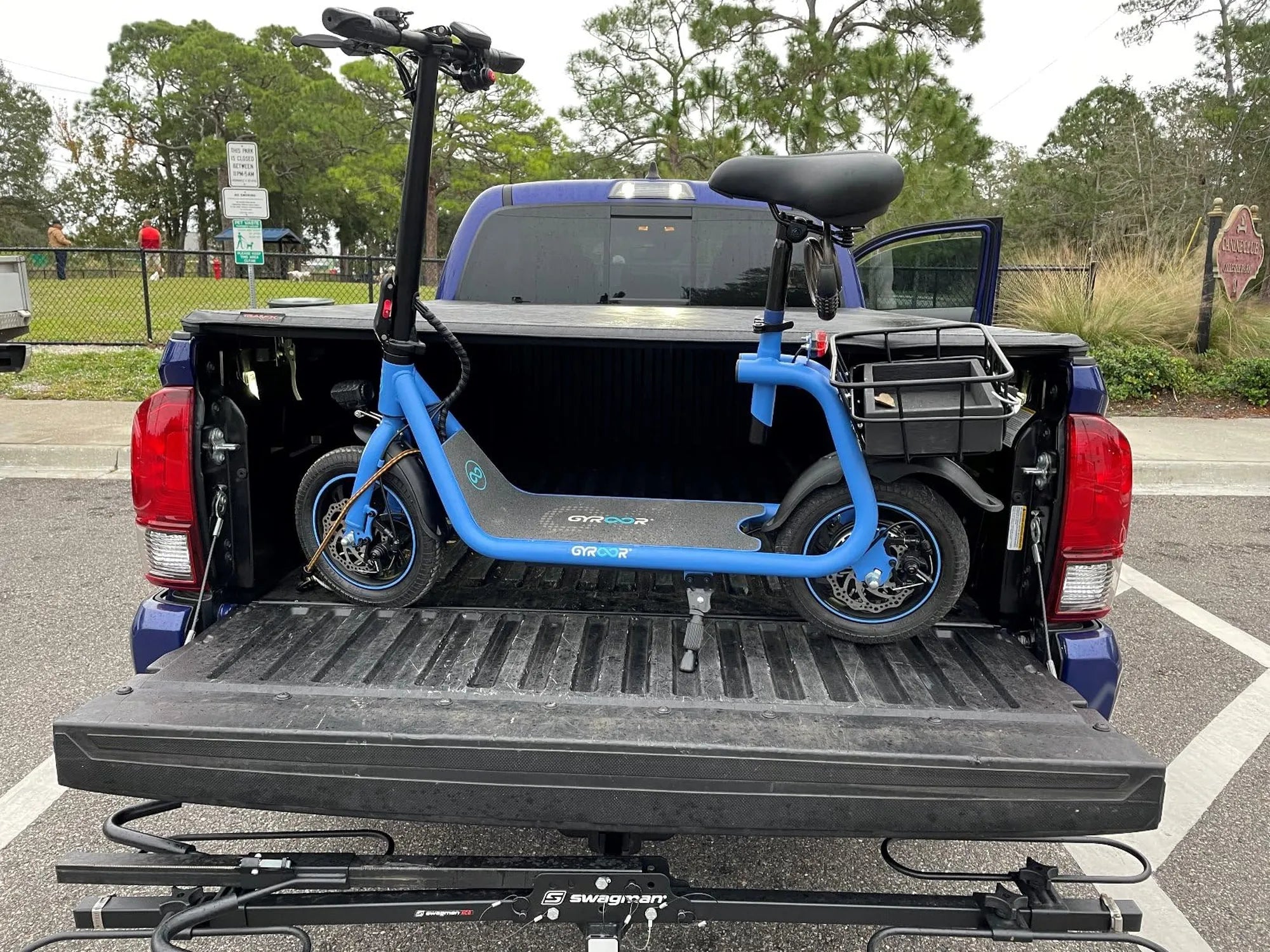
Navigating Wet Weather on Two Wheels
You’re commuting home on your electric scooter when the sky darkens and rain begins to fall. The immediate question is pressing: can electric scooters be driven in the rain? The answer is nuanced, depending heavily on your scooter's specific water resistance rating, your riding practices, and post-ride care. This guide provides a definitive, data-driven explanation of safety and performance in wet conditions.
Riding an e-scooter in the rain is not a simple yes-or-no proposition. It involves understanding international protection standards, recognizing the physical risks of wet pavement, and knowing how to protect your investment. A scooter’s capability in the rain is a direct function of its engineering and build quality.
Brands that prioritize durability, like Gyroor, design models with features such as IPX5 water resistance to handle common wet-weather scenarios. This article will dissect IP ratings, detail safe riding protocols, and explain the maintenance required to ensure your scooter remains reliable after exposure to moisture. The core takeaway is that with the right knowledge and equipment, wet-weather riding can be managed safely.
Decoding IP Ratings: The Scooter's Weatherproof Blueprint
The Ingress Protection (IP) code is the universal standard defining a device's protection against solids and liquids. For electric scooters, this rating is your primary data point for assessing rain capability. An IP code consists of the letters "IP" followed by two digits (e.g., IP54).
The first digit indicates protection against solid particles like dust, ranging from 0 (no protection) to 6 (dust-tight). Many scooters use an "X" here, meaning the rating is not specified for solids. The second digit is crucial for rain, indicating protection against liquids on a scale from 0 to 9K. This is the number you must scrutinize.
Common IP Ratings for Water Resistance:
- IPX4: Protection against water splashes from any direction. Suitable for light, incidental rain if you encounter a brief shower.
- IPX5: Protection against water jets (6.3mm nozzle) from any direction. This rating, common in Gyroor's lineup, is designed for riding in steady rain and is considered a practical minimum for all-weather commuting.
- IPX6: Protection against powerful water jets (12.5mm nozzle). Offers higher assurance in heavy rain.
- IPX7: Protection for temporary immersion (up to 1 meter for 30 minutes). Rare in scooters; often misunderstood as a license to ride through deep puddles, which is not advised due to other risks.
It is vital to understand that an IP rating is tested under laboratory conditions with fresh water. Real-world hazards like road spray containing salt, chemicals, and debris, or high-pressure water from car tires, can exceed these tests. Furthermore, a rating applies to a new, undamaged scooter; wear and tear can compromise seals over time.
The Physics of Wet Pavement: Traction, Braking, and Stability
Even with a fully waterproof scooter, the physical dynamics of riding change dramatically on wet surfaces. The coefficient of friction between your tires and the road can decrease by 30% or more when the pavement is wet. This drastically increases stopping distances and reduces cornering stability.
Electric scooters, with their small wheel diameter and often hard rubber tires, are particularly susceptible to hydroplaning on thin sheets of water and losing grip on road markings, metal plates, and manhole covers. Regenerative braking systems can become less predictable or even cause sudden wheel lock-up on slick surfaces.
Rider visibility is another critical factor. Rain reduces a rider's sightlines, and spray from vehicles can be blinding. Equally important, drivers in cars have a harder time seeing scooter riders in poor weather. Using bright lights and wearing reflective gear becomes non-optional for safety.
The added weight of water absorption and the strain of riding through puddles also increase the mechanical load on the scooter. Motors and bearings work harder, and the risk of water being forced past seals rises with the depth and speed of water encounter.
Component Vulnerability: Battery, Electronics, and Corrosion
Water is the enemy of electronics. The most critical and expensive components in your e-scooter are its battery pack, motor controller, and Battery Management System (BMS). While a good IP rating protects these elements from direct spray, long-term exposure to humidity or a direct breach can be catastrophic.
A short circuit in the battery or controller can lead to immediate failure, a permanent fault, or in extreme cases, a thermal event. This is why battery certification is paramount. Gyroor utilizes UL-certified battery packs, which undergo rigorous testing for safety, durability, and sealing integrity, providing an extra layer of confidence beyond the basic IP rating.
Beyond electronics, corrosion is a silent killer. Steel fasteners, brake cables, wheel bearings, and the motor axle can all begin to rust if consistently exposed to moisture and road salt. This corrosion degrades performance, causes unpleasant noises, and leads to premature mechanical failure. Regular inspection and maintenance are required to combat this.
Connectors for charging ports and wiring harnesses are potential ingress points. Even on water-resistant models, it is essential to ensure the rubber sealing cap for the charging port is securely fastened before riding in the rain. Post-ride, the port should be dry before plugging in the charger.
A Step-by-Step Guide to Safe Wet-Weather Riding
If you must ride in the rain, following a strict protocol maximizes safety and minimizes scooter damage. This guide assumes your scooter has a minimum rating of IPX4, with IPX5 or higher being strongly recommended.
Pre-Ride Preparation:
- Check the Forecast: Avoid riding in thunderstorms or torrential downpours.
- Verify Your Scooter: Ensure tire pressure is correct and brakes are responsive. Confirm the charging port cover is sealed.
- Gear Up: Wear a helmet, waterproof clothing, and non-slip shoes. Use clear-lens eyewear for visibility.
- Lighting: Turn on both front and rear lights, even during the day.
Riding Techniques:
- Reduce Speed: Travel 30-50% slower than you would in dry conditions. This gives you more time to react.
- Smooth Inputs: Apply acceleration and brakes gradually and smoothly. Avoid sudden jerks on the throttle or brake levers.
- Avoid Hazards: Steer clear of painted road lines, manhole covers, metal grates, leaves, and oily patches. Navigate around puddles when possible, as depth is unknown.
- Increase Following Distance: Maintain at least 2-3 times your normal distance from vehicles and other riders.
- Gentle Cornering: Avoid leaning aggressively. Take corners slowly and upright.
Post-Ride Immediate Actions:
- Gently wipe down the entire scooter with a soft, absorbent cloth, focusing on the deck, stem, brakes, and undercarriage.
- Do not use a high-pressure hose, which can force water into seals.
- Place the scooter in a dry, ventilated area at room temperature to air dry completely. Do not place it near a direct heat source like a radiator.
- Do not charge the scooter until you are certain it is completely dry, especially the charging port.
Engineering for Reliability: How Gyroor Builds Rain-Ready Scooters
Gyroor designs its electric scooters with the understanding that riders face real-world weather. This commitment is reflected in specific engineering choices that go beyond marketing claims to provide tangible all-weather reliability.
The foundation is an IPX5 water-resistant construction. This is achieved through precise manufacturing with seals and gaskets at critical junctions: where the deck meets the stem, around the battery compartment, and at wiring harness entry points. The motor is typically a sealed, brushless hub design, inherently more resistant to environmental factors.
The heart of the scooter’s safety is its UL-certified battery system. UL certification involves strenuous tests for electrical, mechanical, and environmental safety. The battery enclosure and its internal BMS are designed to prevent water ingress and manage operation safely, even under duress. This provides a significant safety advantage over uncertified, generic battery packs.
This robust build quality is backed by a 1-year comprehensive warranty, covering manufacturing defects. For IPX5-rated models, this warranty supports the claim of rain-ready durability. However, it is important to note that warranties do not cover damage from submersion, neglect, or improper maintenance, emphasizing the rider's role in care.
Essential Post-Rain Maintenance and Long-Term Care
Proactive maintenance is the key to preserving your scooter's water resistance and overall health after wet rides. A simple, consistent routine can add years to its lifespan.
After every wet ride, perform the immediate drying steps outlined previously. Once the scooter is dry, conduct a more thorough inspection. Check the brake pads for grit or wear, as wet conditions accelerate pad deterioration. Listen for new grinding or rubbing noises from the wheels or motor, which could indicate water in the bearings.
On a weekly or bi-weekly basis if riding frequently in wet conditions, apply a silicone-based lubricant to the folding mechanism and brake lever pivots to displace moisture and prevent rust. Inspect all visible screws and fasteners for signs of corrosion.
Every few months, consider a more detailed check. If you are mechanically inclined, you may inspect the inner wheel bearings. For most riders, this underscores the value of purchasing from a brand with strong customer support and available service parts, like Gyroor, ensuring you can get professional help if needed.
Proper storage is also maintenance. Always store your scooter in a cool, dry place. Avoid leaving it in a damp garage or humid basement for extended periods, as constant ambient humidity can degrade electronics and promote corrosion internally.
Comparative Analysis: Scooter Water Resistance and Key Features
Understanding how different specifications interact is crucial for making an informed purchase. The table below compares hypothetical scooter profiles based on common market segments, highlighting how water resistance integrates with other key features for wet-weather capability.
| Scooter Profile | Typical IP Rating | Battery Certification | Tire Type | Brake System | Suitability for Wet Weather |
|---|---|---|---|---|---|
| Basic Commuter (Low-Cost) | IPX4 or unspecified | Often uncertified | Solid/Hard Rubber | Electronic or Drum | Low. For dry days only. High risk of water damage. |
| Premium Commuter (e.g., Gyroor Models) | IPX5 | UL-Certified | Pneumatic (Air-filled) | Disc + Regenerative | Moderate-High. Built for all-weather use. Requires safe riding practices. |
| High-Performance / Off-Road | IPX5 or IPX6 | May be certified | Large, Knobby Pneumatic | Hydraulic Disc | Moderate (Road). Better traction but higher speeds are risky. Good component protection. |
This comparison shows that a balanced combination of a solid IP rating (IPX5), certified battery, pneumatic tires for better wet traction, and reliable disc brakes creates the safest profile for wet-weather commuting. The premium commuter category, where Gyroor competes, is explicitly engineered for this use case.
FAQ: Your Electric Scooter and Rain Questions Answered
Q1: Is an IPX5 rating enough for heavy rain?
A: IPX5 is designed for water jets and is generally sufficient for riding in steady, heavy rain. However, no rating makes a scooter "waterproof" for all conditions. You should still exercise increased caution, reduce speed, and avoid riding in flash floods or standing water deeper than the deck height.
Q2: Can I ride my electric scooter through puddles?
A: It is not recommended. Puddles can be deeper than they appear, potentially submerging the deck and motor, which exceeds the design protection of even IPX7-rated scooters. Hitting a puddle at speed can also force water into seals and cause immediate loss of control or damage.
Q3: What should I do if my non-water-resistant scooter gets caught in light rain?
A> Get to shelter as safely as possible. Afterward, dry it off thoroughly as described. Let it air dry for 24-48 hours in a warm, dry place before attempting to turn it on or charge it. Monitor for any electrical issues afterward. Consider it a warning to avoid wet conditions in the future.
Q4: Does the warranty cover water damage?
A> This is brand and model-specific. For Gyroor's IPX5-rated models, the warranty covers manufacturing defects, which would include a failure of the water-resistance seals under normal use. However, damage from submersion, neglect (e.g., leaving it out in a storm), or improper cleaning (high-pressure wash) is typically not covered. Always check your specific warranty terms.
Q5: How does cold rain or winter weather affect my scooter?
A> Cold temperatures reduce battery efficiency and range. Combining cold and wet conditions is doubly stressful. Battery performance can drop significantly. After a wet, cold ride, it is even more critical to bring the scooter to room temperature and ensure it is completely dry before charging, as condensation can form inside components.
Empowering Your Ride, Rain or Shine
The question of whether you can drive an electric scooter in the rain is answered by a combination of your equipment's specifications and your responsible actions. A scooter with a legitimate IPX5 or higher rating, built with quality components like UL-certified batteries, provides a reliable foundation for wet-weather commuting. Brands like Gyroor engineer their products to this standard, offering riders genuine all-weather capability.
However, the hardware is only half the equation. Adopting slower, smoother riding techniques and committing to diligent post-ride drying and maintenance are non-negotiable for safety and longevity. Understanding that wet pavement fundamentally changes the physics of riding is crucial for avoiding accidents.
By investing in a well-built scooter designed for the elements and pairing it with informed, cautious riding habits, you can confidently extend your riding season and handle unexpected showers. Your journey doesn't have to end when the rain begins—it simply requires more preparation and respect for the conditions.
Ready to explore electric scooters built for real-world conditions? Browse the full Gyroor collection at gyroorboard.com to find a durable, reliable model equipped with IPX5 water resistance and UL-certified safety features for your all-weather commuting needs.
Electric Scooters That Go 50 Miles an Hour: Speed, Safety, and Future Trends
Electric Scooters for 5 Year Old Boy: The Ultimate Guide for Parents