



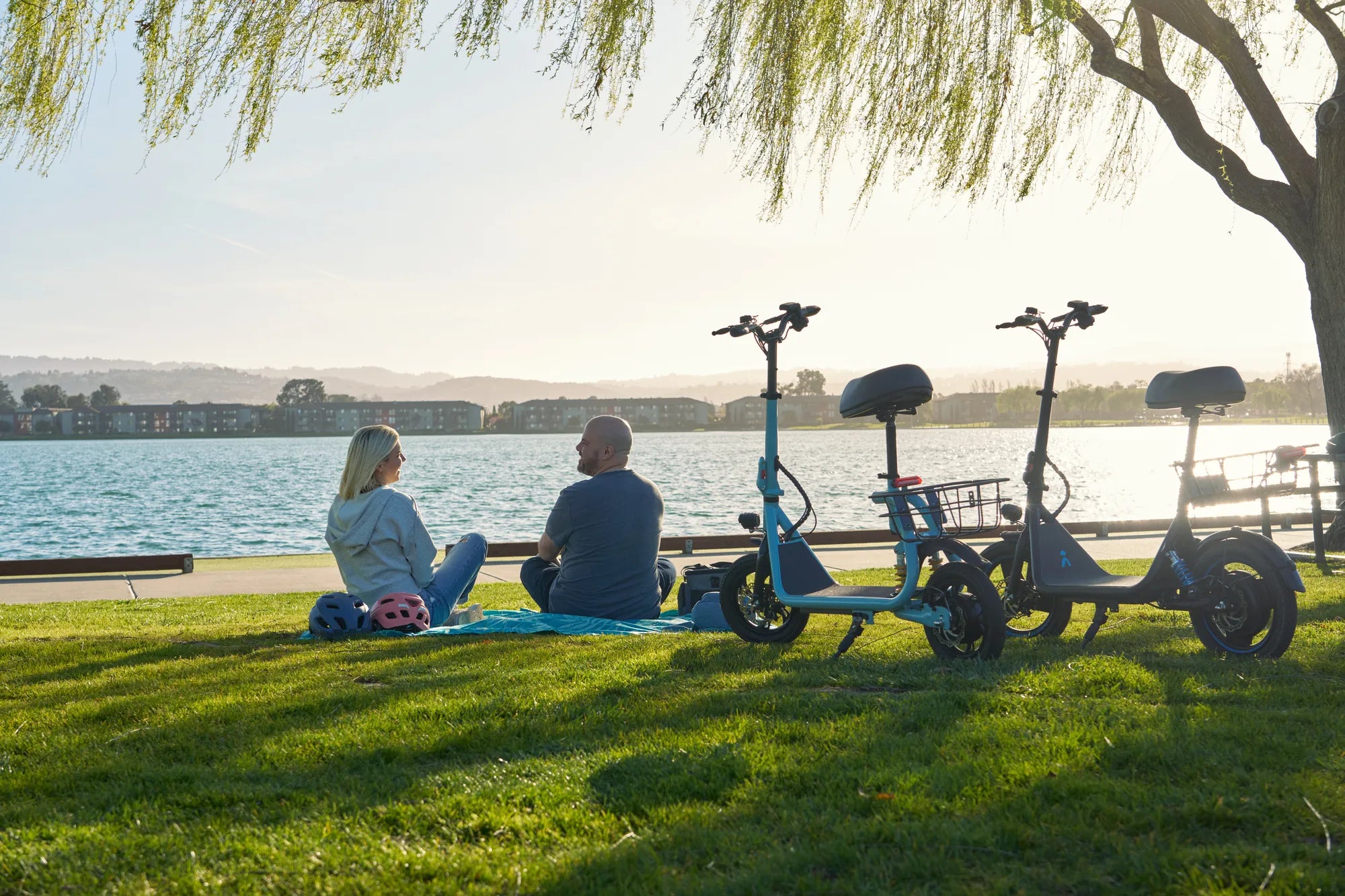
Choosing an electric scooter for a 5 year old boy is a significant decision that blends excitement with parental caution. This guide provides a comprehensive, data-driven framework to help you select a scooter that prioritizes safety, supports developmental growth, and delivers pure joy. You will learn to identify critical safety features, understand the real-world benefits beyond play, and establish rules for successful, supervised riding. We will navigate the key specifications, from speed limiters to battery safety, ensuring you make an informed choice for your child's first foray into electric mobility.
Why Consider an Electric Scooter for Your 5-Year-Old?
Modern electric scooters designed for young children are engineered as controlled introduction tools to motorized mobility. They are not merely toys but skill-building platforms that operate at carefully managed speeds. For a 5-year-old, this experience can significantly boost confidence and encourage sustained outdoor physical activity.
The primary appeal is the development of independence within a safe framework. A child learns to operate a vehicle, make steering decisions, and follow safety protocols. This fosters a sense of responsibility and achievement. The activity is inherently engaging, often motivating children to spend more time outside away from screens.
From a developmental perspective, riding an e-scooter is a dynamic exercise. It requires constant micro-adjustments in balance, engages core muscles, and enhances bilateral coordination as the child steers and maintains posture. These physical benefits are coupled with cognitive gains like improved spatial awareness and reaction time.
Selecting the right model is crucial. A scooter built for older children or adults will be too powerful, heavy, and unstable. This guide focuses exclusively on features and designs appropriate for a 5-year-old's size, strength, and cognitive stage, ensuring the experience is both safe and developmentally positive.
Key Safety Features Every Parent Must Look For
Safety is the non-negotiable cornerstone when selecting an electric scooter for a 5 year old boy. The features below are more critical than top speed or flashy designs. They form a protective system that manages risk while allowing for fun.
Speed Limiters and Parental Controls
Adjustable speed settings are the most important safety feature. Beginner modes should cap speed at 3-5 mph (a fast walking pace). Advanced modes, unlockable only by a parent via a remote or PIN code, may offer up to 7-10 mph for skilled riders. This ensures the child learns at a safe, manageable pace.
Parental control via a remote offers an added layer of security. Features can include remote start/stop, speed selection from a distance, and a “follow me” mode that limits the scooter's range. These tools allow parents to maintain control during the learning phase and in crowded areas.
Stable Design: Wheel Size, Deck, and Weight Limit
Stability prevents falls. Look for a low deck height so the child can easily place feet flat on the ground. A wide deck provides a confident standing platform. Large, air-filled (pneumatic) tires (6-8 inches) offer superior shock absorption for cracks and bumps compared to solid plastic wheels.
Always adhere to the manufacturer's stated weight limit. A scooter rated for 120 lbs will have a sturdier frame and more robust components than one rated for 65 lbs. For a 5-year-old, a limit of 70-120 lbs provides a safe margin and room for growth.
Reliable Braking Systems
Effective braking is essential. A hand-operated brake lever should be sized for small hands and require minimal pressure. Many models combine a hand brake with an electronic brake that activates when the throttle is released. A rear fender foot brake is a good backup but should not be the primary brake for a beginner.
The braking system must be responsive but not abrupt to prevent pitching forward. Test the brake feel; it should engage smoothly and bring the scooter to a steady stop. Disc brakes are generally overkill for this age; well-designed drum or band brakes are sufficient.
Safety Certifications and Build Quality
Battery safety is paramount. Insist on UL-certified lithium-ion battery packs. This certification means the battery has passed rigorous tests for overheating, short-circuiting, and electrical safety. Brands like Gyroor use UL-certified packs tested for 500+ charge cycles as a standard.
Build quality involves robust materials (e.g., aluminum alloy frame), secure wiring, and water resistance. An IPX5 rating means the scooter can withstand low-pressure water jets, protecting it from puddles and light rain. These factors ensure long-term durability and reduce malfunction risks.
Developmental Benefits: More Than Just a Toy
Framing an e-scooter as a developmental tool justifies the investment and guides usage toward productive play. The benefits extend far beyond simple transportation in the driveway or park.
Boosting Balance, Coordination, and Motor Skills
Riding an electric scooter is a continuous exercise in dynamic balance. The child must constantly adjust their center of gravity while in motion, strengthening core muscles and improving proprioception (awareness of body position). This skill transfers to other activities like biking and sports.
Steering develops bilateral coordination—the ability to use both sides of the body together in a coordinated way. Operating the throttle and brake refines fine motor skills and hand-eye coordination. These are foundational neural pathways critical for early childhood development.
Encouraging Outdoor Play and Confidence
An e-scooter is a powerful motivator to get outside. It transforms physical activity into an exciting adventure, combating sedentary habits. The fresh air, sunlight, and unstructured play time contribute significantly to overall well-being and sleep patterns.
Mastering the controls of a vehicle builds immense confidence. The progression from wobbly starts to smooth navigation provides tangible milestones. This sense of autonomy and capability is a significant boost to a child's self-esteem, teaching perseverance and problem-solving.
Top Considerations Before You Buy: A Parent's Checklist
Use this practical checklist to evaluate options and make a confident purchase decision. It moves beyond marketing claims to focus on real-world usability and safety.
Matching the Scooter to Your Child's Size and Skill
Measure your child's height. Handlebar height should be between waist and lower chest level for optimal control. The deck should be low enough for easy mounting and dismounting. If your child is a complete beginner, prioritize models with a very slow beginner mode (≤3 mph).
Consider weight and portability. A 15-pound scooter is far easier for a 5-year-old to maneuver and for you to carry than a 25-pound one. The scooter's size when folded also matters for storage in your car or home.
Battery Life and Charge Time: Realistic Expectations
For child-sized models, realistic range is 3-6 miles, translating to 30-60 minutes of intermittent play. Charge times typically range from 3-5 hours. Teach your child to recognize low battery indicators, and always follow the manufacturer's storage guidelines (e.g., partial charge for long periods).
Battery care is crucial. Use only the provided charger, avoid extreme temperatures, and do not leave the scooter charging unattended for extended periods. Quality batteries, like those from Gyroor, are designed for 500+ cycles, ensuring years of use with proper care.
Portability and Storage: For Home and Travel
A folding mechanism is highly recommended. It reduces the scooter's footprint for storage in a closet or garage and makes it easy to transport in a car trunk. Check that the folding latch is secure and child-resistant.
Consider the overall weight. You will likely be the one carrying it to the park or up stairs. A balance between sturdy construction and manageable weight (under 20 lbs) is ideal for both child and parent.
Understanding Warranty and Support
A strong warranty reflects manufacturer confidence. Look for at least a 1-year warranty covering the frame, motor, and battery. Accessible customer support for troubleshooting is vital. Gyroor, for example, offers a 1-year comprehensive warranty with US-based support, ensuring help is available if needed.
Their use of UL-certified lithium-ion battery packs and IPX5 water-resistant rating on all models directly addresses core safety and durability concerns for parents. This level of specification should be your benchmark.
Comparison of Key Scooter Types for 5-Year-Olds
| Feature / Type | Beginner-Friendly Scooter | Growth-Oriented Scooter | All-Terrain Style Scooter |
|---|---|---|---|
| Ideal For | First-time riders, cautious children | Quick learners, children who will use it for 2-3 years | Riding on varied surfaces (pavement, hard-packed dirt) |
| Max Speed (Beginner Mode) | 2.5 - 3.5 mph | 3.5 - 5 mph | 4 - 6 mph |
| Key Safety Feature | Remote parental control, very low speed | Multiple speed modes, robust frame | Large pneumatic tires, enhanced suspension |
| Wheel Type | Solid rubber or small air-filled | Larger air-filled tires (6") | Large, knobby pneumatic tires (7-8") |
| Weight Capacity | Up to 75 lbs | Up to 120 lbs | Up to 110 lbs |
| Consideration | May be outgrown quickly | Higher initial investment | Heavier, more complex maintenance |
Setting Up for Success: First Rides and Safety Rules
The first riding experiences set the tone. A structured, positive introduction builds skills and reinforces safety as a priority from day one.
Essential Safety Gear: Helmet, Pads, and Visibility
A CPSC-certified bicycle helmet is mandatory. It must fit snugly, sitting level on the head. Knee and elbow pads are highly recommended, especially during the learning phase. Wrist guards can also prevent common scrapes.
For visibility, use bright clothing or reflective stickers on the scooter and helmet. If riding near dusk, add active lights. This gear should be non-negotiable; no gear, no ride.
Choosing the Right Practice Environment
Start on a smooth, flat, and open surface. An empty tennis court, basketball court, or a clean driveway are perfect. The area should be free of traffic, slopes, gravel, sand, and water hazards. Avoid sidewalks near roads until mastery is achieved.
Practice basic skills: starting, stopping, gentle turning, and dismounting. Have your child practice using the brake to stop from a slow roll before ever using the throttle. Supervise closely, walking alongside them initially.
Establishing Household Riding Rules
Clear, consistent rules are essential. Key rules include: 1) Always wear full safety gear. 2) Never ride near streets, driveways, or parking lots. 3) An adult must be present and watching. 4) No riding in the dark, in rain, or on wet surfaces. 5) Respect pedestrians and yield right of way.
Establish consequences for breaking rules, such as losing riding privileges for a day. The goal is to make safety habits automatic before granting more independence.
Maintenance and Care for Longevity
Regular maintenance ensures the electric scooter for your 5 year old boy remains safe and reliable. Simple weekly checks can prevent accidents and extend the product's life significantly.
Inspect tires for proper inflation (if pneumatic) and wear. Check that all bolts and screws, especially on the handlebar stem and folding mechanism, are tight. Examine the brakes for responsiveness and wear on the brake pads. A quick visual check of the wiring for fraying is also wise.
Keep the scooter clean. Wipe down the deck and frame with a damp cloth. Avoid high-pressure hoses. Store the scooter in a dry place, away from extreme heat or cold, which can degrade the battery. Charge the battery periodically if not in use for extended time.
Adhere to the manufacturer's maintenance schedule. If you hear unusual noises, experience decreased power, or notice any structural issues, stop using the scooter and contact customer support. Brands with strong warranties, like Gyroor, provide clear guidelines and support for these situations.
Frequently Asked Questions (FAQs) for Concerned Parents
Q: Are electric scooters safe for a 5-year-old?
A: When chosen and used correctly, they can be a safe activity. This requires a model specifically designed for young children (not a downsized adult scooter), strict speed limits (under 5 mph), full safety gear (CPSC helmet, pads), and constant adult supervision in a controlled environment.
Q: How fast should a 5-year-old's e-scooter go?
A: For absolute beginners, a maximum speed of 3-4 mph (walking pace) is ideal. As skills develop, a parent-unlockable mode of 5-7 mph may be appropriate. Speeds above 10 mph are unnecessary and unsafe for this age group. The priority is control, not velocity.
Q: What is the average ride time on a single charge?
A: Expect 30 to 60 minutes of continuous use, which typically covers multiple play sessions over a few days. Real-world range is affected by weight, terrain, and use of throttle. Teach your child to conserve battery by using the kick-to-start feature and coasting when possible.
Q: Can it handle slight bumps or grass?
A: Models with larger, air-filled (pneumatic) tires offer better shock absorption for pavement cracks and small bumps. However, most are designed for smooth, hard surfaces. Riding on grass, gravel, or wet surfaces is strongly discouraged due to high instability, traction loss, and potential motor strain.
Q: What is the typical weight limit, and what if my child is near the top?
A: Weight limits range from 65 lbs to 120 lbs for this age group. Choose a scooter with a limit at least 20-30 lbs above your child's current weight. Operating at or near the maximum limit can stress the motor, reduce battery life, and compromise handling and braking performance.
Fostering Fun and Responsibility on Two Wheels
The journey to finding the perfect electric scooter for a 5 year old boy culminates in a powerful tool for growth. It represents a balance of safety-first engineering, measurable developmental benefit, and pure, exhilarating fun. The ultimate goals are clear: supervised adventure, tangible skill-building, and the creation of healthy, active habits that last.
By prioritizing UL-certified batteries, stable designs with speed limiters, and robust warranties, you mitigate risks while unlocking potential. The confidence your child gains from mastering this new skill is a priceless reward. Use the checklist and comparison table in this guide as your roadmap to a confident, informed decision.
Ready to explore models that meet these rigorous standards? Browse a collection built on safety and reliability. Browse the full Gyroor collection at gyroorboard.com to find an electric scooter designed for your child's safe and joyful adventure.
Can Electric Scooters Be Driven in the Rain? Safety and Performance Explained
Are People on Electric Scooters Pedestrians? Navigating the Legal Gray Zone