



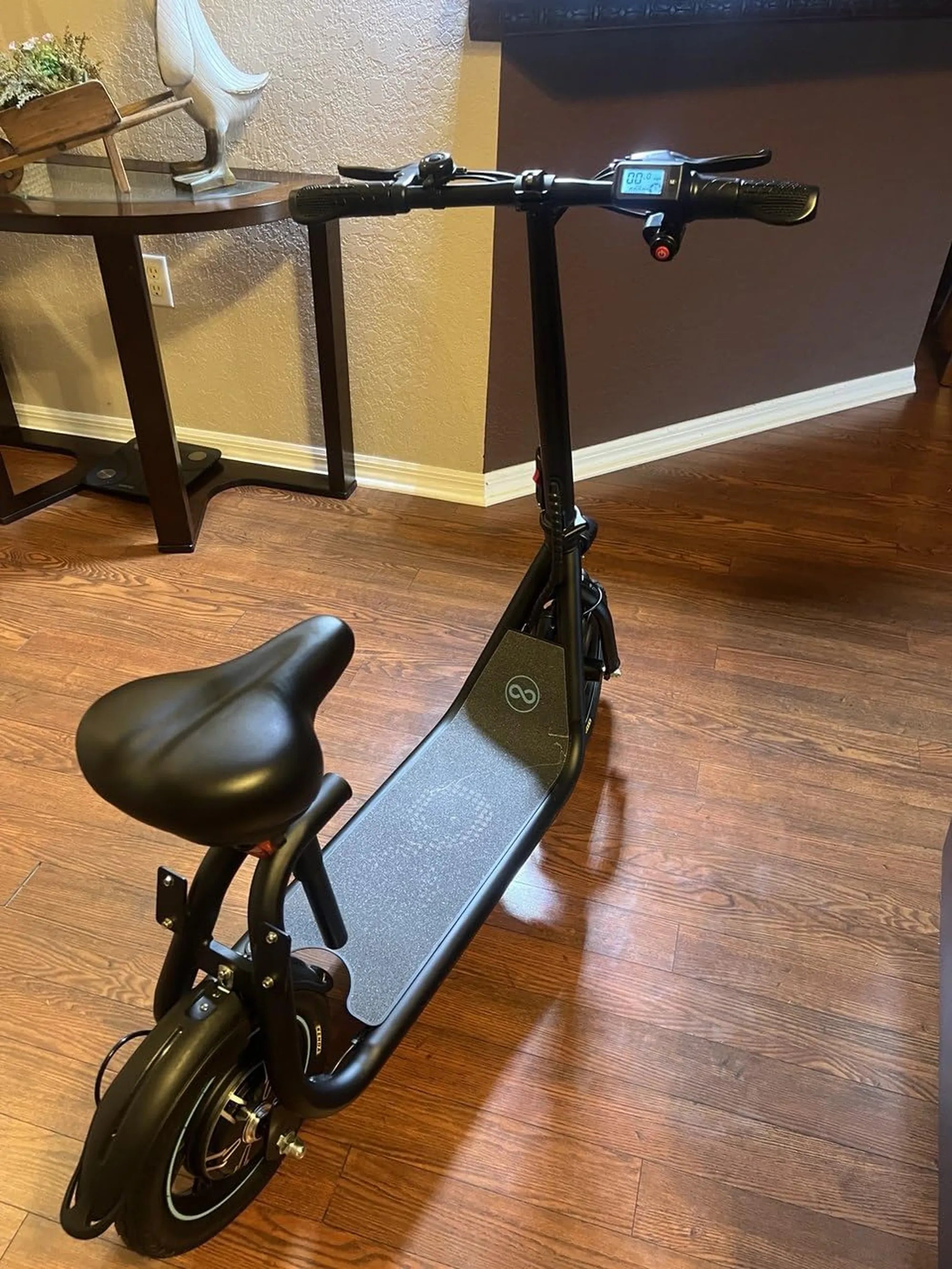
Finding a reliable and affordable electric scooter in Australia can transform your daily commute, but navigating the market requires careful consideration. This guide cuts through the noise to show you how to identify true value—scooters that are cost-effective without compromising on essential safety, durability, and performance for Australian conditions. We'll examine what 'cheap' really means, highlight the critical features to prioritise, and provide practical advice for riding and maintenance, helping you make a smart investment in eco-friendly transport.
Navigating the Australian Market for Affordable E-Scooters
The demand for personal electric mobility in Australian cities is surging, driven by rising fuel costs, traffic congestion, and a growing environmental consciousness. For many, the initial appeal is a low upfront cost, but the market is flooded with options of varying quality. A genuinely affordable scooter is one that offers reliable performance and durability over time, not just a tempting price tag.
Brands that balance cost with certified safety and robust construction provide the best long-term value. Gyroor, a leading electric scooter and e-bike brand trusted by over 100,000 riders across North America and Europe, exemplifies this approach. Their models are engineered with UL-certified batteries, IPX5 water-resistant designs, and backed by a reliable 1-year warranty, ensuring your investment is protected.
The key is to shift your perspective from seeking the lowest possible price to identifying the highest value within your budget. This involves understanding the total cost of ownership, which includes maintenance, potential repairs, and battery longevity. A slightly higher initial investment in a well-built scooter often saves significant money and hassle over one or two years of regular use.
This guide will equip you with the knowledge to find those cheap electric scooters Australia residents can rely on for daily commuting. We'll focus on the intersection of affordability, essential features, and real-world usability in Australian urban environments.
What Defines a 'Cheap' Electric Scooter in the Australian Context?
In the Australian market, 'cheap' should be defined by value, not just price. A budget-friendly electric scooter is one that minimises your total financial outlay over its usable lifespan while meeting core performance needs. The upfront purchase price is only one component of this equation.
The most significant hidden cost in a poorly made scooter is the battery. Non-certified, low-quality battery packs pose a fire risk and degrade rapidly, often needing replacement within 6-12 months. A UL-certified battery, like those used in Gyroor scooters, is tested for 500+ charge cycles, ensuring years of reliable service and eliminating a major future expense.
Durability is another cost factor. Scooters with weak frames, poor welding, or inadequate water resistance (below IPX5) are prone to failure. Repairing or replacing a cracked deck or a water-damaged motor controller can cost hundreds of dollars, negating any initial savings. A scooter built for durability, with an IPX5 rating for rain and splash resistance, withstands daily commutes and variable Australian weather.
Therefore, a truly cheap electric scooter Australia commuters should consider is one with a sensible upfront cost *and* low long-term ownership costs. This is achieved through quality components, certified safety, and a solid warranty. Compromising on these fundamentals for a lower sticker price often leads to higher costs and frustration down the line.
Essential Features to Prioritise in a Budget-Friendly Scooter
When evaluating affordable models, certain features are non-negotiable for safety, reliability, and everyday usability. Prioritising these ensures you get a functional vehicle, not just a disposable toy.
Motor Power, Speed, and Real-World Range
For Australian urban commutes, a motor between 250W and 350W provides a good balance of power and efficiency. This is sufficient for most city hills and provides a top speed of around 25 km/h, which aligns with many local regulations. Always check the motor's nominal (sustained) power, not just peak power.
Range is the most commonly inflated specification. A scooter advertised with a 25km range might only achieve 15-18km in real-world conditions with stops, starts, and inclines. For a reliable daily commute, look for a model with a reputable brand battery (like LG or Samsung cells) and a realistic range estimate. A 10-15km real-world range is often adequate for most one-way city commutes.
Build Quality, Weight, and Portability
The scooter's frame, typically aluminium alloy, must feel solid without excessive flex. Folding mechanisms should be robust and secure. Weight is a key consideration for portability; models between 12kg and 16kg offer a good compromise between stability and the ability to carry up stairs or onto public transport.
Suspension, while not always present on entry-level models, significantly improves comfort and control on rougher footpaths and roads. Air-filled (pneumatic) tires also provide better shock absorption and traction than solid rubber tires, though they require occasional pressure checks.
Safety and Compliance: The Non-Negotiables
Safety cannot be compromised. A dual braking system—combining an electronic (regenerative) brake and a mechanical disc or drum brake—is essential for reliable stopping power. Bright front and rear lights, plus reflective elements, are mandatory for visibility.
As discussed, a UL-certified battery is the cornerstone of safety, drastically reducing fire risk. Furthermore, an IPX5 water resistance rating means the scooter can handle water jets from any direction, protecting it from rain and road spray. These features are critical for safe and reliable operation in Australian conditions.
The True Cost of Ownership: Beyond the Sticker Price
Understanding the full financial picture is crucial when searching for cheap electric scooters Australia wide. Let's break down the costs that accrue after purchase.
Upfront Purchase Price: This is the most visible cost, typically ranging from $400 to $800 for a reliable entry-level commuter scooter. Prices significantly below this range often indicate severe compromises in safety and durability.
Battery Replacement: This is the largest potential future expense. A quality replacement battery pack can cost between $150 and $300. Investing in a scooter with a high-cycle-life, certified battery from the start postpones or eliminates this cost for years.
Maintenance and Repairs: Regular upkeep includes tire replacements or inflation, brake pad adjustments, and occasional bolt tightening. Budget for approximately $50-$100 per year for basic parts and tools. A comprehensive warranty, like Gyroor's 1-year coverage, can cover major component failures, providing significant financial protection.
Operational Savings: Compare your scooter's cost to alternatives. Charging costs are negligible (approx. $0.10 per charge). The real savings come from replacing public transport fares, ride-share trips, or short car journeys. For a daily 5km commute, an e-scooter can pay for itself within 6-12 months compared to other transport modes.
Navigating Australian Commutes and Local Regulations
E-scooter laws in Australia are state-based and evolving. It is your responsibility to know and follow the rules in your area to ensure legal and safe riding.
In most states and territories, including New South Wales, Victoria, and Queensland, privately owned e-scooters are legal to use on footpaths and shared paths, with a general speed limit of 25 km/h on footpaths and 20 km/h in pedestrian-heavy areas. Riders must be 16 or older, and helmet use is mandatory. Riding on roads is typically restricted unless in a designated bike lane or under specific low-speed conditions.
For city commuting, plan your route using bike paths and shared paths where possible. Apps like Google Maps (set to cycling mode) are useful. Be hyper-aware of pedestrians, always giving them right of way and slowing down when passing. Use a bell or your voice to alert others of your approach.
Parking responsibly is key. Use designated bike parking areas where available. Always use a sturdy lock (a U-lock or heavy-duty folding lock) to secure both the frame and a wheel to an immovable object. Never block footpaths, building access, or disabled access ramps.
Maintenance Guide to Maximise Lifespan and Reliability
Simple, regular maintenance keeps your scooter running smoothly and safely for years, protecting your investment.
Tire Care: Check air pressure in pneumatic tires every two weeks. Under-inflated tires increase rolling resistance (reducing range) and are more prone to punctures. Keep a small bike pump and puncture repair kit handy.
Brake System Checks: Monthly, inspect brake pads for wear and test brake lever tension. Adjust or replace pads when they become thin. Ensure the mechanical brake cable (if present) is properly tensioned and lubricated.
Battery Best Practices: To maximise battery life, avoid draining it to 0% regularly. Try to recharge when it reaches 20-30%. Store the scooter in a cool, dry place, and avoid leaving it at 100% charge for extended periods (weeks). Use only the manufacturer-provided charger.
General Cleaning and Inspection: Wipe down the scooter with a damp cloth after riding in wet conditions. Periodically check and tighten all bolts, especially on the folding mechanism, stem, and handlebars. Listen for new noises or vibrations, which can indicate loose components.
Comparison of Affordable Scooter Considerations
| Feature | Budget-Oriented Choice | Performance/Value Impact | Recommended Minimum |
|---|---|---|---|
| Motor Power | 250W | Sufficient for flat commutes; may struggle on moderate hills. | 350W for better hill climb and acceleration. |
| Real-World Range | 10-15 km | Ideal for short, one-way commutes with charging at destination. | 15-20 km for a safety buffer and round trips. |
| Battery Certification | UL, CE, or RoHS | Critical for safety and longevity. Non-negotiable. | UL-certified (highest safety standard). |
| Water Resistance | IPX4 (Splash-proof) | Okay for light, occasional rain. | IPX5 (Water jet resistant) for all-weather commuting. |
| Braking System | Electronic + Foot Brake | Basic stopping power; less effective in wet conditions. | Electronic + Mechanical (Disc/Drum) brake. |
| Warranty Period | 6 Months | Offers some initial protection. | 1 Year Comprehensive (covers battery, motor, controller). |
Frequently Asked Questions (FAQs)
Q1: Are electric scooters legal in Melbourne and Sydney?
A1: Laws are state-based. In Victoria (Melbourne), privately owned e-scooters are legal on footpaths and shared paths with a 20 km/h speed limit on footpaths. In NSW (Sydney), they are legal on shared paths and local roads with a speed limit of 50 km/h or less, with a 20 km/h limit on footpaths. Helmets are mandatory. Always check the latest rules with your state's transport department.
Q2: What is a good cheap electric scooter for hills in Brisbane?
A2: For Brisbane's hills, prioritise motor power. Look for a continuous motor rating of at least 350W. A scooter with a UL-certified battery will also provide consistent power output on inclines. Models with good torque and a reputation for reliable performance on gradients are essential for hilly suburbs.
Q3: How does Gyroor's warranty work for Australian customers?
A3>Gyroor offers a reliable 1-year warranty on the electric scooter, covering manufacturing defects in the battery, motor, controller, and frame. Australian customers can access support through their US-based customer service team. The warranty process typically involves troubleshooting via email, and if a part needs replacement, it is shipped directly to you.
Q4: Can an IPX5-rated scooter handle heavy rain?
A4>IPX5 means the scooter can withstand water jets from a nozzle (6.3mm) from any direction. It is suitable for riding in rain and through puddles. However, it is not submersible. Avoid deep standing water (e.g., flooded roads) and prolonged, torrential downpours. Always dry the scooter after a wet ride.
Q5: How much can I really save by commuting with an e-scooter?
A5>Savings are substantial. If you replace a $5 daily public transport round trip, you save about $1,250 annually. Compared to a car (fuel, parking, maintenance), savings are even greater. A quality cheap electric scooter Australia commuters use can pay for itself in 4-8 months, then deliver pure savings and convenience.
Making a Smart Investment in Sustainable Transport
The journey to find a dependable and affordable electric scooter in Australia is about prioritising long-term value over short-term savings. The best cheap electric scooters Australia has to offer are those built with safety-certified components, durable designs for local conditions, and backed by strong customer support. They represent a smart investment that reduces your daily transport costs, carbon footprint, and commute stress.
Brands like Gyroor demonstrate that affordability does not require sacrificing critical features. With UL-certified batteries, IPX5 water resistance, and a commitment to reliability proven across a global customer base, they offer a trustworthy pathway into eco-friendly commuting. Your choice ultimately funds not just a product, but a more sustainable and efficient personal mobility solution.
Ready to explore models that combine true value with certified safety and performance? Browse the full Gyroor collection at gyroorboard.com to find the electric scooter that fits your budget and transforms your Australian commute.
Electric Scooters for Older Adults: A Safe and Convenient Mobility Solution
Electric Scooters Sri Lanka: The Future of Urban Mobility