



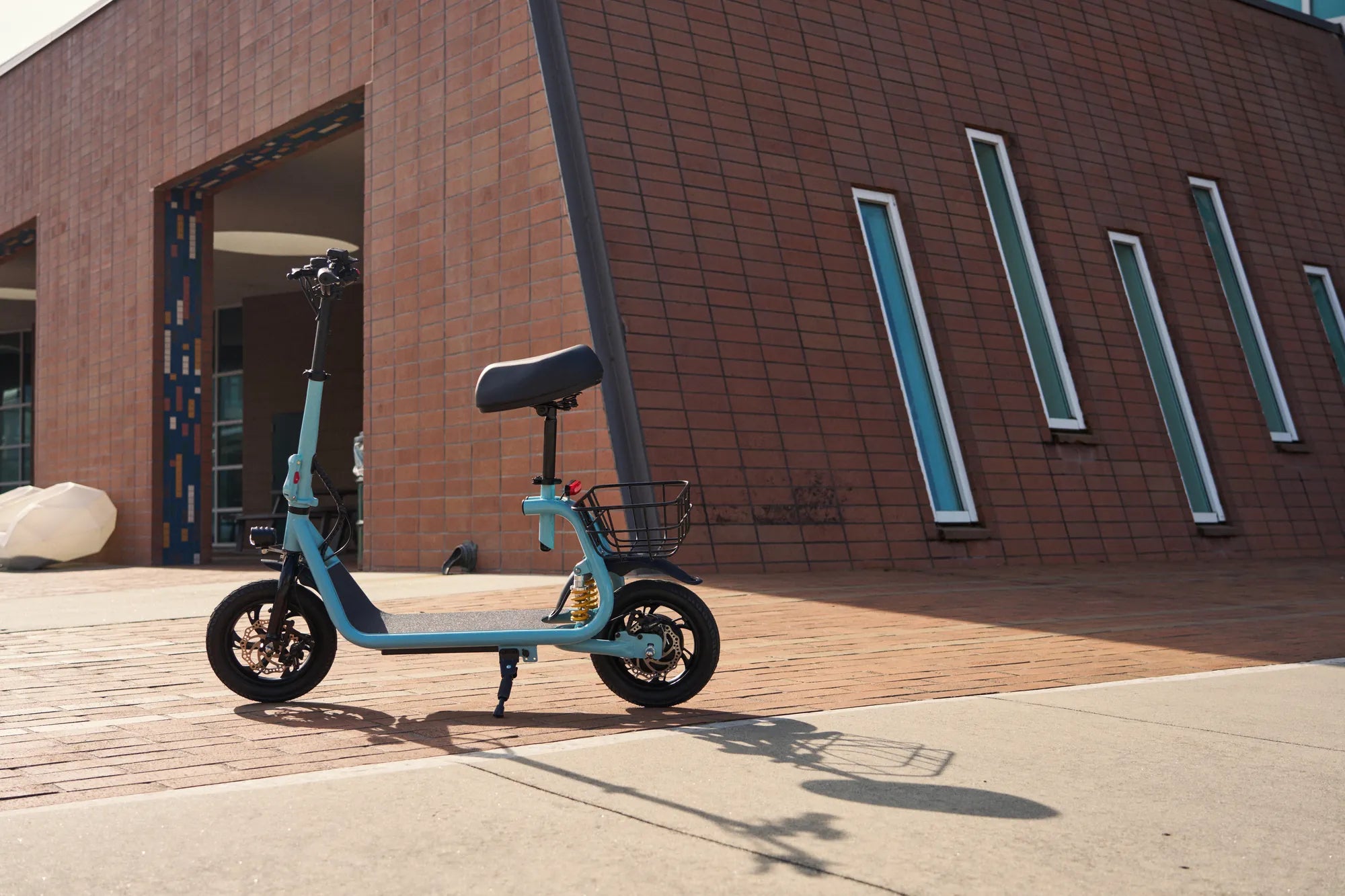
Introduction to Electric Scooters for Older Adults
The personal electric mobility revolution is not just for the young. For older adults seeking to maintain an active, independent lifestyle, the modern electric scooter represents a paradigm shift in local transportation. Electric scooters for older adults: a safe and convenient mobility solution directly address key challenges like reduced walking endurance, limited access to errands, and the desire for social engagement without relying on cars or others for rides. This article moves beyond the novelty to examine how thoughtfully engineered scooters, prioritizing stability and reliability, can be a legitimate tool for enhancing daily life. We will explore this through the lens of safety standards exemplified by leading brands, including Gyroor, a manufacturer trusted by over 100,000 riders for its UL-certified batteries and robust designs.
You will learn how to evaluate key safety features, select a model that matches your lifestyle, and build confidence through proper practice. The goal is to provide a comprehensive, data-driven resource that empowers informed decision-making for a safer, more mobile future.
Why Electric Scooters Are a Game-Changer for Senior Mobility
The benefits of personal electric vehicles for seniors extend far beyond simple transportation. They directly combat common barriers to independence and wellness. First, they restore a profound sense of autonomy. Trips to the grocery store, pharmacy, local park, or a friend's house become simple, spontaneous errands rather than logistical challenges. This reduces social isolation and promotes mental well-being.
Second, electric scooters significantly reduce physical strain. For those with joint pain, arthritis, or general fatigue, walking a mile can be daunting. An electric scooter transforms that same distance into a effortless, enjoyable glide, conserving energy for the activities at your destination. This makes regular outings sustainable and encourages a more active routine.
Furthermore, they offer unparalleled ease of use. With intuitive thumb throttles, simple brakes, and automatic acceleration, the learning curve is minimal compared to a bicycle or traditional scooter. The electric assist does all the work, requiring only balance and steering. This accessibility makes them a viable option for a wide range of mobility levels.
Finally, they are a cost-effective and eco-friendly alternative to short car trips. Eliminating the need to drive for every small errand saves on fuel, reduces parking stress, and contributes to a cleaner community. For many older adults, an electric scooter becomes the key to re-engaging with their neighborhood on their own terms.
Key Safety Features to Prioritize (The Gyroor Standard)
Safety is the paramount concern for any rider, especially older adults. Choosing a scooter built with senior-specific needs in mind is non-negotiable. Leading brands like Gyroor engineer their models around core safety principles, setting a benchmark for what to look for.
Stability and Design
A stable platform is the foundation of safe riding. Key design elements include a wide, textured deck for secure footing and a low center of gravity to prevent tipping. Large, air-filled (pneumatic) tires, typically 8.5 inches or larger, are crucial as they absorb shocks from cracks and bumps far better than solid tires, providing a smoother, more controlled ride. A step-through or low-step frame design is essential for easy, stable mounting and dismounting without the need for high leg lifts.
Predictable and Controlled Power
Jerky acceleration is a major safety hazard. High-quality scooters feature smooth, linear power delivery from a stop. Multiple speed modes are critical; a dedicated beginner or eco mode with a capped low speed (e.g., 6-8 mph) allows riders to build confidence. The braking system must be equally reliable, with a combination of electronic braking (which slows the motor) and a mechanical brake (disc or drum) for confident stopping power in all conditions.
UL-Certified Battery Safety & Reliability
This is arguably the most important safety feature. A UL-certified battery pack has undergone rigorous independent testing for electrical, mechanical, and fire safety. It ensures protection against overcharging, short-circuiting, and thermal runaway. Gyroor's use of UL-certified batteries tested for 500+ charge cycles is a standard that guarantees not just safety but also long-term reliability and peace of mind, addressing a top concern for all users.
Visibility and Ride Confidence
Being seen is being safe. A bright front headlight (at least 300 lumens), a prominent brake light, and side reflectors are mandatory for any riding near dusk or in low-light conditions. An audible horn or bell is necessary for alerting pedestrians. Finally, a clear, backlit digital display that shows speed, battery level, and riding mode at a glance allows the rider to stay informed without distraction.
Choosing the Right Model: A Practical Guide for Older Riders
Selecting a scooter is about matching features to your personal needs, not just buying the most powerful one. Use this framework to find your ideal match.
Assessing Your Needs: Commute, Recreation, or Both?
Define your primary use case. Is it for quick grocery runs under 2 miles? A compact, lightweight model with a 10-15 mile range may suffice. For longer park visits or community tours, prioritize a scooter with a 20+ mile range and enhanced suspension. Most older adults benefit from an all-rounder: a balanced model with a 15-20 mile range, good suspension, and a moderate weight for manageability.
Comfort and Ease of Use: The Non-Negotiables
Comfort directly impacts safety and enjoyment. Consider an optional padded seat for longer rides. Ensure the handlebar height feels natural to avoid hunching. A thumb throttle is generally easier to use consistently than a finger trigger. Scooter weight matters for storage; if you need to lift it, look for models under 40 lbs. An IPX5 water-resistance rating, like those on Gyroor scooters, provides crucial protection against wheel spray and light rain, ensuring the scooter isn't rendered useless by a puddle.
Understanding the Warranty and Support
A strong warranty is your safety net. Look for a comprehensive warranty that covers the frame, motor, and critically, the battery for at least one year. Accessible customer support for troubleshooting is equally important. Gyroor's 1-year warranty and US-based support exemplify this, reducing anxiety about maintenance and ensuring long-term usability of your mobility solution.
Getting Started Safely: First Ride Tips and Best Practices
Confidence comes from preparation and practice. Follow this phased approach to ensure your first experiences are positive and safe.
Pre-Ride Checklist and Protective Gear
Before every ride, perform a quick check: verify tire pressure, test brake function, ensure lights work, and confirm the battery is adequately charged. Always wear a helmet designed for cycling or micro-mobility. For initial practice sessions, consider elbow and knee pads. Sturdy, closed-toe shoes with good grip are essential.
Finding Your Perfect Practice Environment
Your first ride should be in a completely controlled setting. An empty, smooth parking lot on a weekend is ideal. A quiet, flat cul-de-sac with little traffic also works. Avoid any area with slopes, gravel, or pedestrian traffic until you have mastered the basics in this safe zone.
Mastering the Basics: Braking, Turning, and Balance
Start with the scooter powered off, simply pushing it to get a feel for the balance. Power on, and start in the slowest speed mode. Practice gentle acceleration and, most importantly, gentle braking to understand the stopping distance. Practice wide, gradual turns before attempting tighter ones. Always look in the direction you want to turn, and keep your weight centered over the deck.
Model Comparison: Finding Your Fit
This table compares hypothetical scooter types based on common senior user profiles, using features aligned with safety standards discussed.
| Model Type | Best For | Key Features | Range | Weight |
|---|---|---|---|---|
| Compact & Lightweight | Short errands, public transit combo, easy storage | Narrow deck, solid tires, simple folding | 10-15 miles | 25-35 lbs |
| Comfort All-Rounder | Most seniors; park rides, longer errands, daily use | Wide deck, pneumatic tires, suspension, optional seat | 15-22 miles | 40-55 lbs |
| Premium Long-Range | Active seniors, community exploration, hilly areas | Dual suspension, powerful motor, dual brakes, bright lights | 22-35+ miles | 55-70 lbs |
Frequently Asked Questions (FAQs) for Senior Riders
Q: Is it difficult to learn to ride an electric scooter?
A: Modern electric scooters are designed for intuitive use. The controls are simple—typically just a throttle and a brake. By starting in a safe, open area and using the slowest speed mode, most older adults become comfortable with the basics within 30-60 minutes of practice.
Q: What if the battery runs out while I'm out?
A: Careful trip planning prevents this. Always start with a full charge and choose a scooter whose rated range exceeds your typical round-trip distance by a comfortable margin (e.g., if your trip is 5 miles, a 15-mile range scooter is safe). Most displays show battery level, so you can head back with ample charge remaining.
Q: Are electric scooters safe on sidewalks?
A: Local laws vary dramatically. You must check your city and state ordinances. Where sidewalk riding is permitted, it must be done at very low speeds (walking pace) with extreme courtesy for pedestrians. However, bike lanes or slow residential streets are often legally safer and more appropriate for slightly higher speeds.
Q: How much maintenance do they require?
A> Maintenance is minimal. Regular tasks include checking tire pressure, ensuring brake pads are not worn, keeping the scooter clean, and storing it in a dry place. Avoiding extreme temperatures and not leaving the battery fully drained for long periods will maximize its lifespan.
Q: How does Gyroor's warranty protect me as an older adult?
A: Gyroor's 1-year comprehensive warranty covers the scooter, battery, and motor against manufacturing defects. This, backed by accessible customer support, means you have reliable help if any issue arises. It transforms the scooter from a disposable gadget into a dependable, long-term mobility asset, ensuring your investment is protected.
Conclusion: Embracing Freedom and Independence
The right electric scooter can profoundly impact the quality of life for an older adult, turning barriers into opportunities for connection and activity. By prioritizing the safety standards outlined—stable design, controlled power, UL-certified batteries, and clear visibility—you invest in more than a vehicle; you invest in sustained autonomy. The journey begins with research, continues with a cautious first practice session, and evolves into the daily joy of effortless mobility. Remember, the core goal of electric scooters for older adults: a safe and convenient mobility solution is to empower you to explore your world on your own terms. Evaluate your needs, prioritize safety features, and take the first step toward reclaiming your local freedom.
Ready to explore models built with safety and reliability as core principles? Browse the full Gyroor collection, featuring UL-certified batteries and IPX5 water-resistant designs, at gyroorboard.com.
Top Electric Scooters for Commuting: The Ultimate Guide to Urban Mobility
Cheap Electric Scooters Australia: Your Guide to Affordable and Eco-Friendly Commuting