


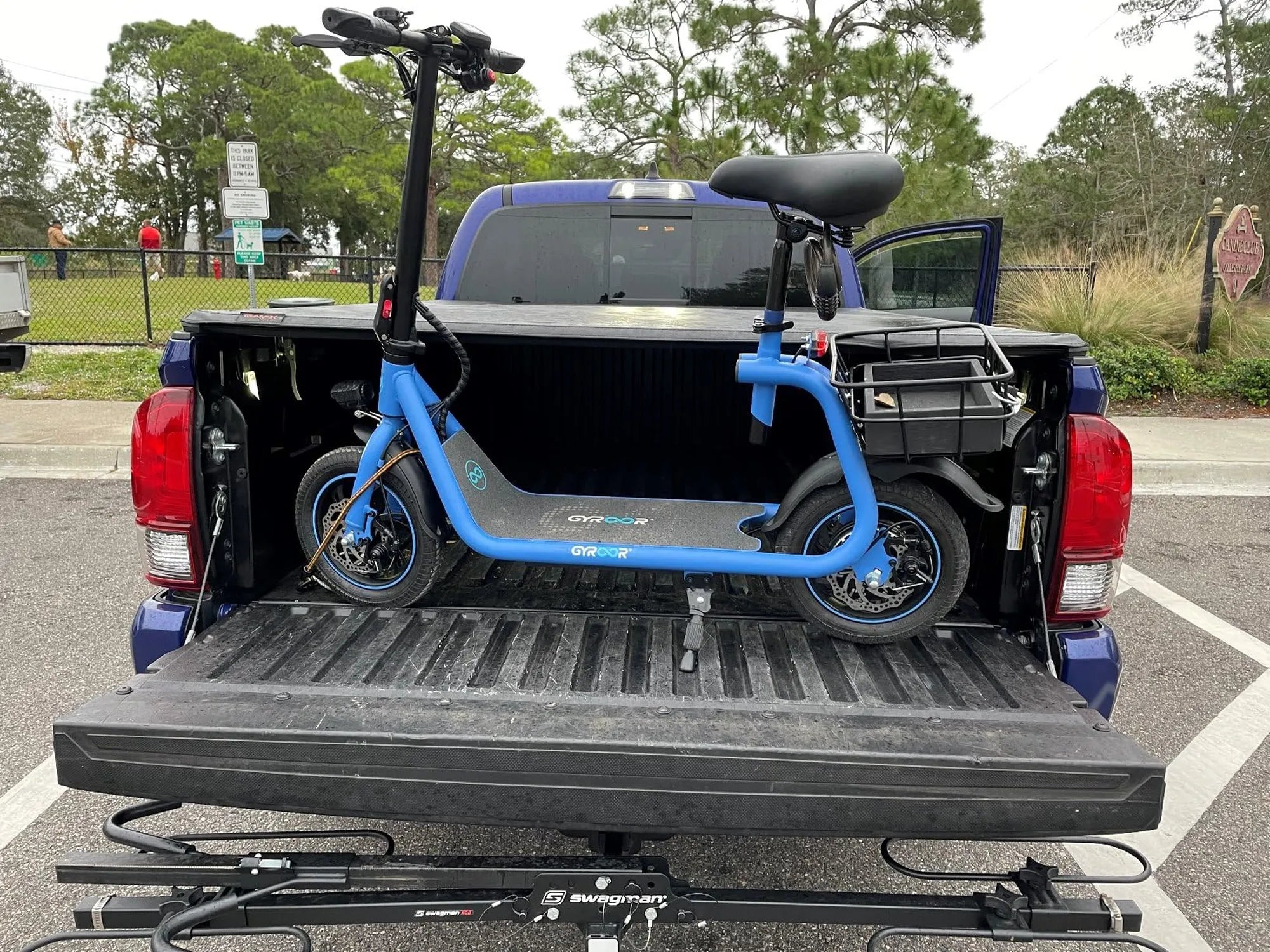
Introduction: Balancing Fun, Safety, and Value in Kids' Electric Scooters
Every parent knows the look of pure joy when a child gets their first taste of independent mobility. Electric scooters have become a popular gateway to that experience, offering outdoor fun and a sense of freedom. The market is flooded with options, many advertised with enticingly low price tags. This creates the central challenge: how do you find a genuinely affordable scooter that doesn't cut dangerous corners on safety or durability?
Navigating the world of cheap electric scooters for kids quotes requires a discerning eye. The most budget-friendly upfront price can sometimes lead to higher costs down the road, from replacement parts to complete unit failure. This guide will help you decode those quotes, separating true value from risky compromises.
We'll focus on identifying scooters that deliver safe, reliable performance without breaking the bank. Brands like Gyroor, trusted by over 100,000 riders, demonstrate that accessible pricing can coexist with critical safety standards like UL-certified batteries and robust warranties. Let's explore how to find affordable fun that's built to last.
What Does "Cheap" Really Mean for a Kids' E-Scooter?
When evaluating cheap electric scooters for kids quotes, it's vital to define "cheap." Is it solely the lowest initial purchase price, or is it the total cost of ownership over the scooter's lifespan? A truly affordable scooter minimizes long-term expenses and headaches, not just the first payment.
Low-ball quotes often hide significant compromises. These can include uncertified batteries prone to swelling or failure, thin aluminum frames that bend on impact, and motors that burn out after minimal use. The hidden cost of a $50 savings at checkout might be a $150 replacement scooter six months later.
Investing in a reputable brand with a slightly higher initial cost often proves more economical. For instance, a scooter with a UL-certified battery pack tested for 500+ charge cycles will outlast multiple cheaper, generic batteries. A one-year comprehensive warranty, like Gyroor offers, acts as an insurance policy against manufacturing defects.
Therefore, view "cheap" as a value equation: (Safety + Durability + Warranty Support) / Initial Price. A higher-quality scooter with a moderate price often delivers a far better value score than the absolute cheapest option available.
Key Features to Prioritize (and What You Can Compromise On)
Making smart choices means knowing where to invest and where to save. The following table breaks down the essential "Must-Have" features for safety and core functionality versus "Nice-to-Have" features that can be compromised on for younger or beginner riders.
| Must-Have Features (Do Not Compromise) | Nice-to-Have Features (Can Compromise) |
|---|---|
| UL-Certified or Named-Brand Battery: Non-negotiable for fire safety. | Extreme Top Speed: 10-12 mph is ample for kids; avoid 15+ mph models. |
| Effective Braking System: Rear disc brake or reliable electronic brake. | Dual Brakes: A single reliable brake is sufficient for lower speeds. |
| Sturdy Frame & Build Quality: Solid welds, thick deck, good weight capacity. | Advanced Display: Basic LED battery indicator is sufficient. |
| Adequate Water Resistance (IPX4+): Protects against puddles and light rain. | Long Range: 5-8 miles is plenty for neighborhood use. |
| Adjustable Speed Modes: Allows growth from beginner to more confident rider. | Suspension: Not critical for smooth pavement; air-filled tires help. |
Must-Have Safety & Durability Features
Safety is the absolute priority. A reliable braking system is paramount; a rear disc or drum brake provides consistent stopping power, even on slight declines. The frame must be robust, with a wide deck for stable footing and a weight capacity well above your child's current weight to handle jumps and bumps.
Speed control is critical. Look for models with two or three speed modes, allowing you to lock the scooter to a beginner-friendly pace (e.g., 5-7 mph). As the rider gains skill, you can unlock higher speeds. This feature extends the scooter's usable life.
Water resistance is a key durability feature often overlooked in budget quotes. A rating of IPX4 or higher, like Gyroor's IPX5, means the scooter can withstand water splashes from any direction. This protects the electronics from puddles, light rain, and wet pavement, preventing premature failure.
Finally, lighting is a must for visibility. At minimum, a bright front LED and a rear reflector are essential for dusk rides. Some affordable models integrate these lights into the deck or stem for a clean, durable design.
Features Where You Can Save
For younger riders (typically under 10), you can safely save on features geared toward performance or luxury. Extreme top speed is unnecessary and unsafe; a maximum of 10-12 mph is more than enough for thrills. Prioritizing a lower top speed often brings the price down significantly.
A single, high-quality braking system is adequate. While dual brakes are great, a well-designed rear mechanical brake is perfectly effective for the speeds children should be traveling. This simplification reduces cost and potential maintenance points.
Fancy color displays with Bluetooth connectivity and apps are fun but not essential. A simple LED battery indicator that shows high, medium, and low charge is all that's needed. Similarly, extremely long range (15+ miles) drives up battery cost. A 5-8 mile range comfortably covers multiple play sessions between charges.
Full suspension systems add cost and complexity. For riders on typical sidewalks and paved paths, larger air-filled tires (8+ inches) provide ample shock absorption. Saving on suspension allows you to allocate more budget to core safety features.
Top Considerations When Shopping for an Affordable Kids' Model
Armed with knowledge of key features, you need a practical checklist to evaluate any scooter quote. This goes beyond spec sheets to real-world usability and long-term satisfaction.
First, assess the retailer or brand's reputation. Read customer reviews focusing on durability and post-purchase support. A brand that actively responds to issues is more valuable than a no-name brand with a slightly lower price. Gyroor's 4.5/5 average rating across a large customer base is a strong signal of reliability.
Second, scrutinize the warranty details. A comprehensive 1-year warranty that covers the motor, battery, and frame is a sign of confidence. Many budget options offer only 90 days or a "limited warranty" that excludes key components, shifting all future risk to you.
Finally, consider the total package. Does the quote include essential accessories like a basic charger? Is assembly straightforward, or will it require professional help? Sometimes, a slightly higher quote from a company that provides clear instructions and customer service access saves time and frustration.
Age, Weight, and Skill Level Recommendations
Matching the scooter to your child's development is crucial for safety and enjoyment. A scooter that's too powerful can be intimidating and dangerous, while one that's underpowered will be quickly outgrown.
For younger beginners (ages 6-8), prioritize stability and control. Look for a lower top speed (8-10 mph max), a lower deck for easy mounting, and a handlebar height that allows a slight bend in the elbows. Motor power of 100W-150W is sufficient. The Gyroor K1 model, for example, is designed with these parameters in mind.
For intermediate riders (ages 9-12), you can consider more power and features. A 150W-200W motor provides better acceleration and hill-climbing ability. A max speed of 12-15 mph in the highest mode is appropriate, provided it has a speed-lock function. The weight capacity should be at least 150 lbs to accommodate growth.
For teenagers (13+), scooters begin to bridge into adult models. Features like a 250W+ motor, longer range (10+ miles), and a higher weight capacity (200+ lbs) become relevant. However, the core safety principles—certified batteries, good brakes, and sturdy construction—remain non-negotiable at any age.
Understanding Motor Power and Battery Life
Motor wattage (W) determines torque and hill-climbing ability. A 100W motor is adequate for flat terrain and lighter riders. A 150W or 200W motor offers more pep and can handle gentle inclines, making it more versatile as skills improve. Higher wattage doesn't always mean higher top speed—that's often governed by electronics—but it does mean less strain on the motor during acceleration, which can prolong its life.
Battery specs are often confusing. Voltage (V) and amp-hours (Ah) together indicate capacity. A common setup is a 24V/5Ah battery. Think of voltage as the "pressure" and amp-hours as the "fuel tank size." A larger "tank" (higher Ah) provides longer range. For most kids, a battery providing 5-8 miles of real-world range is perfect.
The most critical factor is battery certification. Always insist on a UL-certified battery pack. This means the battery has passed rigorous safety tests for electrical, mechanical, and environmental stress. Gyroor's use of UL-certified batteries tested for 500+ cycles is a benchmark for safe, long-lasting performance, directly contributing to long-term value.
Charging time is another practical consideration. Most kids' scooters charge in 3-5 hours. A longer charge time isn't necessarily bad if it promotes battery health, but ensure the charger is robust and has safety features like auto-shutoff.
The True Value of a Warranty and Customer Support
A warranty is not just a piece of paper; it's a financial risk assessment by the manufacturer. A strong, comprehensive warranty indicates the company trusts its product's durability and is willing to back it up. This is a key component of an affordable cheap electric scooters for kids quotes.
Gyroor's 1-year warranty covers defects in materials and workmanship for the entire scooter. This protection is invaluable. If a motor bearing fails or a controller malfunctions within the year, you're covered. With a no-name brand, you'd be sourcing parts and paying for repairs yourself, negating any initial savings.
Customer support accessibility is part of the warranty's value. Can you easily reach the company via email, phone, or chat? Do they have a U.S.-based support team or detailed online resources? Good support can help troubleshoot minor issues, potentially avoiding a warranty claim altogether.
When comparing quotes, treat a longer, more comprehensive warranty as a direct deduction from the purchase price. A $250 scooter with a 1-year full warranty often represents better value than a $200 scooter with a 30-day return policy and no support.
Smart Shopping: How to Find the Best Deals on Quality Scooters
Finding the best value requires strategy beyond a simple web search. Timing is a major factor. Major sales events like Black Friday, Cyber Monday, Prime Day, and end-of-summer clearance often see significant discounts on last year's models from reputable brands.
Consider certified refurbished or overstock models. Authorized retailers and brands like Gyroor sometimes offer refurbished units that have been inspected, tested, and carry a warranty at a reduced price. This is an excellent way to get a higher-tier model at a budget-friendly quote.
Bundle deals can increase savings. Some retailers offer discounts when purchasing a scooter alongside safety gear (helmet, pads). This not only saves money but ensures your child is properly protected from day one.
Sign up for newsletters from trusted brands and retailers. They often provide early access to sales and exclusive promo codes to subscribers. Following them on social media can also alert you to flash sales or clearance events.
Always check the final price, including shipping and taxes. A scooter with a low list price but high shipping cost may be more expensive overall than a slightly higher-priced item with free shipping. Authorized Gyroor retailers often provide transparent, all-inclusive pricing.
The Gyroor Difference: Accessible Pricing Meets Certified Safety
In the search for value, Gyroor stands out by refusing to compromise on the pillars of safety and durability. The brand's philosophy centers on delivering reliable mobility that parents can trust, which inherently provides greater long-term affordability.
Every Gyroor scooter is powered by a UL-certified battery pack. This isn't an upgrade; it's the standard. In an era where battery safety is paramount, this certification provides peace of mind that's priceless. These batteries are engineered for 500+ charge cycles, ensuring the scooter remains a daily companion for years, not months.
Durability is engineered for real kids. The IPX5 water-resistant rating means these scooters are built for the real world—whether it's a morning dew-covered path, a surprise puddle, or light drizzle. This robust construction reduces the chance of water-related failures, a common issue with cheaper, unsealed models.
With over 20 models in their lineup, Gyroor offers options for every age and stage. From beginner-friendly models with strict speed limits to more powerful options for older kids, there's a scooter designed to match both the rider's skill and a family's budget, all backed by a dependable 1-year warranty and a 4.5-star rated customer base.
Conclusion: Investing in Affordable, Lasting Fun
The journey to find the perfect cheap electric scooter for kids quotes ends not with the lowest number, but with the best value. True affordability is measured in years of safe, reliable operation, not just the initial purchase price. By prioritizing certified batteries, sturdy construction, effective brakes, and a meaningful warranty, you invest in countless hours of outdoor fun without the shadow of safety concerns or imminent breakdowns.
Brands that transparently uphold these standards, like Gyroor, offer the smartest path for value-conscious parents. They prove that you don't have to choose between your budget and your child's safety. The right scooter becomes a trusted tool for adventure, building confidence and memories.
Ready to find a scooter that delivers lasting value? Explore a range of options that blend safety, durability, and fun at a responsible price point. Browse the full Gyroor collection at gyroorboard.com to discover the ideal electric scooter for your young rider's next adventure.
FAQ: Quick Answers for Parents
Q: What is a safe top speed for a 7-year-old beginner?
A: For children aged 6-8, a maximum speed of 8-10 mph is ideal. Crucially, the scooter should have a parental speed-lock feature or beginner mode that limits it to an even lower speed (e.g., 5-6 mph) until they develop confidence and control.
Q: How important is water resistance in a kids' scooter?
A> It is very important for long-term durability. An IPX4 or IPX5 rating (like on Gyroor scooters) means the electrical components are protected from water splashes and light rain. This prevents corrosion and short-circuiting from everyday hazards like wet pavement or puddles, making the scooter far more resilient.
Q: Can I find a reliable scooter for under $200?
A: Yes, but diligence is required. At this price point, you must prioritize brands that explicitly state they use certified batteries (UL, CE) and offer at least a 90-day to 1-year warranty. Avoid unknown brands with vague specifications. Look for models with simpler features but solid construction—sometimes last year's model from a reputable brand on sale is the best find.
Q: How long should the battery last on a single charge for a child?
A> A realistic range of 5-8 miles is perfect for most children. This typically translates to several days of casual neighborhood riding between charges. Chasing a much longer range often increases cost and weight unnecessarily. Focus more on battery safety certification than maximum range.
Q: Why consider Gyroor for an affordable kids' electric scooter?
A> Gyroor represents a sweet spot in the market. It combines accessible, competitive pricing with non-negotiable safety standards (UL-certified batteries), real-world durability (IPX5 water resistance), and robust customer support (1-year warranty). This triad ensures you get true long-term value, minimizing the risk of premature failure and hidden costs, which makes it a smart choice within cheap electric scooters for kids quotes.
Q: Are disc brakes necessary on a kids' scooter?
A> While not always necessary, a rear disc or drum brake is a significant safety advantage over only a foot/fender brake or a low-quality electronic brake. It provides consistent, reliable stopping power in various conditions, including slight hills or damp surfaces. For any scooter capable of speeds over 10 mph, a mechanical rear brake is a highly recommended feature.
Does Orlando Have Electric Scooters? A Complete Guide to Riding in The City Beautiful
Electric Scooters Manchester: The Future of Urban Mobility