



Introduction: The World of Youth Dirt Biking
Finding the right dirt bike for an 8 year old girl is about unlocking a world of adventure, confidence, and skill-building. This decision marks the starting line for a journey that develops coordination, resilience, and a deep appreciation for the outdoors. The goal is to match a young rider with a machine that feels like an extension of herself—manageable, safe, and incredibly fun.
The market offers a spectrum of options, from whisper-quiet electric models to traditional gas-powered bikes. Navigating this landscape requires a focus on three pillars: rider safety, physical fit, and appropriate power. This guide is designed to cut through the noise and provide clear, actionable advice for parents.
You will learn how to assess your child's readiness, understand the critical differences between engine types, and compile a complete safety package. We will also explore specific bike recommendations and foundational riding techniques. Choosing a dirt bike for an 8 year old girl is the first step in cultivating a lifelong passion for motorsports and outdoor activity.
This process is about more than a purchase; it's an investment in your child's growth and your family's shared adventures. Let's begin by establishing the non-negotiable considerations that must guide your decision.
Key Considerations Before You Buy
Selecting a first dirt bike is a significant decision that extends beyond color preference or brand recognition. The right choice prioritizes the rider's safety, comfort, and long-term enjoyment. Rushing this process can lead to frustration or, worse, a dangerous mismatch between the bike and the child.
Parents must evaluate the child's physical dimensions, maturity level, and prior experience with balance-oriented activities like bicycles. The environment where the bike will be ridden is equally important, as it influences the type of bike and gear required. A systematic approach ensures the investment supports a positive introduction to the sport.
This section breaks down the foundational elements you must analyze. We will start with the paramount concern of safety, then move to achieving a proper physical fit, and conclude with a detailed comparison of power sources. Understanding these factors is essential before exploring specific models.
Every child is unique, and a bike that works for one 8-year-old may not suit another. The following criteria provide an objective framework to make the best possible choice for your young rider's debut on two wheels.
Safety as the Top Priority
Safety in youth motocross is not a suggestion; it is an absolute requirement. The cornerstone of this is a complete set of personal protective equipment (PPE). This gear is designed to mitigate the impact of falls and collisions, which are a normal part of the learning process.
The essential safety kit starts with a DOT-certified full-face helmet specifically designed for motocross. It must fit snugly without causing pressure points. Motocross goggles are crucial for eye protection from dirt, debris, and branches. Gloves, off-road boots with ankle support, a chest protector, and knee/shin guards complete the head-to-toe armor.
Beyond gear, the environment and supervision are critical. Initial riding must occur in a controlled, open area free from traffic, steep hills, and major obstacles. A patient adult supervisor who understands basic bike operation and can provide clear, calm instruction is invaluable for building confidence and safe habits.
Finally, consider formal training. Many local motocross tracks offer beginner clinics for youths. These programs teach fundamental skills like body positioning, braking, and throttle control in a structured, safe setting. Investing in education is as important as investing in equipment.
Physical Fit and Rider Comfort
A bike that is too large or too heavy is intimidating and difficult to control, directly impacting safety. The primary metric for fit is seat height. An 8-year-old girl should be able to sit on the bike with both feet flat on the ground, or at least comfortably on the balls of both feet.
This "flat-foot" ability provides immense confidence when stopping and maneuvering the bike at low speeds. The rider's inseam measurement is the key data point here. Most entry-level dirt bikes for this age group have seat heights ranging from 20 to 26 inches. The child should also be able to comfortably reach the handlebars, brake levers, and throttle without straining.
Bike weight is another crucial factor. A lighter bike is easier to pick up after a tip-over and less daunting to maneuver. Electric models often have a lower center of gravity due to battery placement, which can make them feel more stable and manageable for a novice rider compared to some gas counterparts.
Do not buy a bike "to grow into." An oversized bike increases the risk of accident and can quickly extinguish a child's enthusiasm. A proper fit ensures the rider feels in control from the very first ride, laying the groundwork for skill development.
Engine Type: Gas vs. Electric (A Critical Comparison)
The choice between gas and electric power is one of the most significant decisions for a first dirt bike. Each has distinct advantages and considerations that align with different priorities, budgets, and riding environments.
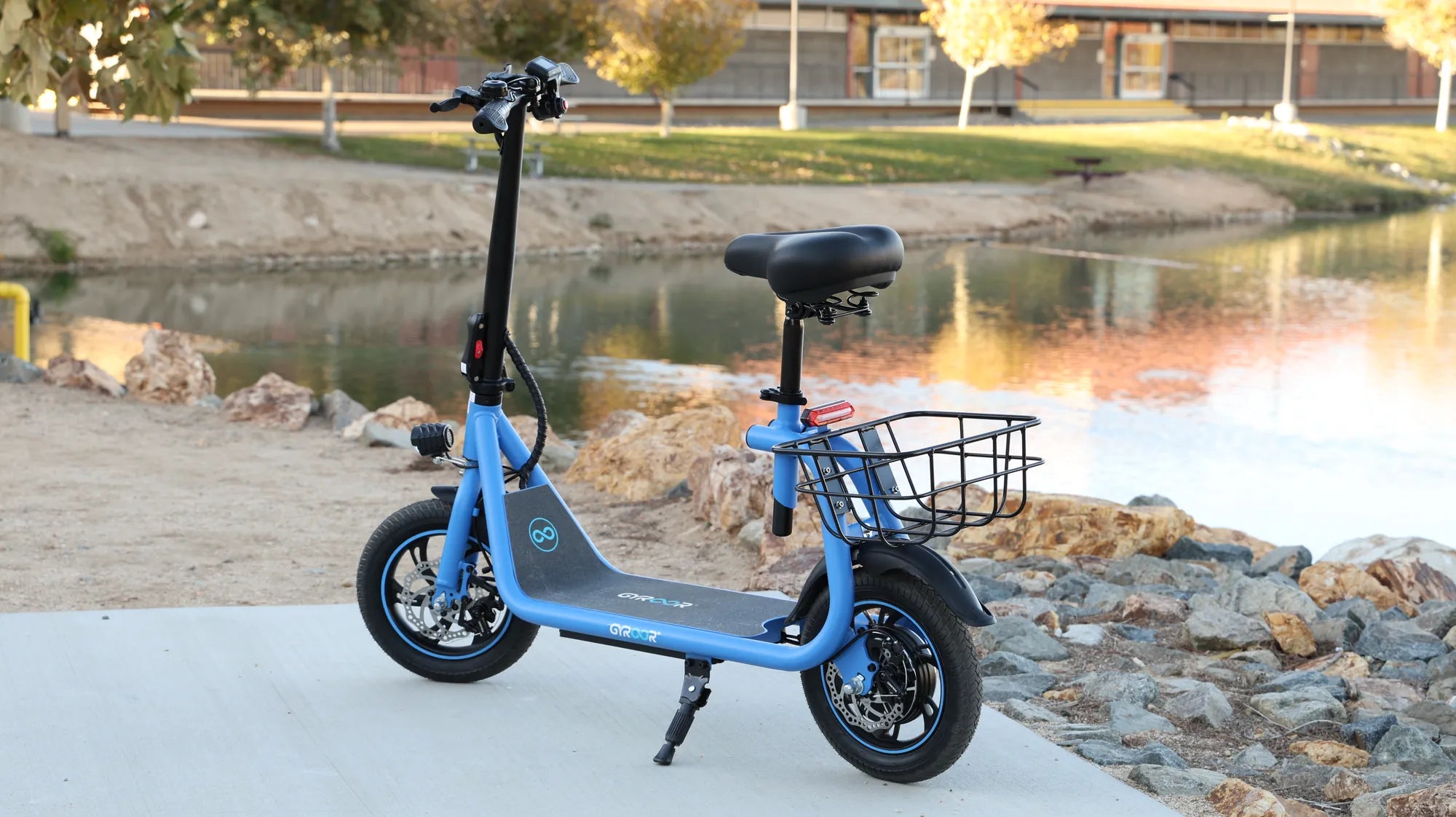
Electric dirt bikes, like those engineered by leading brands such as Gyroor, offer a beginner-friendly profile. They operate quietly, produce zero exhaust emissions, and require minimal maintenance—no oil changes, air filters, or fuel mixing. Their power delivery is instant and smooth, with many models featuring adjustable speed limiters that allow parents to restrict top speed as skills develop.
Gas-powered bikes deliver a traditional motocross experience with more peak power and a wider range of models. They are typically better suited for longer ride sessions and more varied terrain once a rider advances. However, they require regular maintenance, are louder, and have a steeper learning curve due to manual clutches and more aggressive power bands.
The following table provides a clear, data-driven comparison to help you decide:
| Feature | Electric Dirt Bike | Gas-Powered Dirt Bike |
|---|---|---|
| Power Delivery | Instant, smooth torque; easily controllable | Peakier; requires clutch/throttle finesse |
| Maintenance | Very low (charge battery, check tires/brakes) | High (oil changes, air filter, spark plug, fuel mix) |
| Noise Level | Very quiet (neighbor-friendly) | Loud (requires consideration of location) |
| Operating Cost | Low (cost of electricity) | Higher (cost of gasoline, oil, parts) |
| Best For | Beginners, residential areas, foundational skills | Aspiring racers, longer trail rides, traditional experience |
Top Dirt Bike Picks for an 8-Year-Old Girl
Based on the criteria of safety, fit, and manageability, we have curated a list of top contenders. This selection prioritizes reliability, positive user reviews, and designs that cater to new riders. Remember, the best dirt bike for an 8 year old girl is the one she can control confidently.
We have divided recommendations into two categories: electric and gas-powered. For most first-time riders, especially those riding in backyards or near homes, an electric model is the superior starting point. It reduces variables like mechanical complexity and noise, allowing the rider to focus purely on balance and control.
Gas bikes are included for families with access to appropriate riding land and parents who are prepared for the associated maintenance and supervision. These are excellent options for a child who has mastered an electric bike or demonstrates exceptional coordination and maturity.
Always verify the latest specifications, especially seat height and weight, against your child's measurements before purchasing. A test sit, if possible, is highly recommended.
Best Electric Dirt Bikes (Beginner-Friendly & Low Maintenance)
Electric models excel as first bikes due to their user-friendly nature. Brands like Gyroor leverage their expertise in youth electric vehicles to create models with robust, UL-certified battery packs, IP-rated water resistance, and durable frames built for off-road use.
A key feature to look for is an adjustable speed limiter. This allows you to set a low maximum speed (e.g., 10 mph) for the initial learning phase, which can be increased as your rider's competence grows. This single feature dramatically enhances safety and reduces initial intimidation.
Another advantage is the removable battery. Instead of parking the bike near an outlet, you can simply bring the battery inside to charge. This also simplifies storage. The instant, linear throttle response helps prevent the jerky starts that can unsettle a new rider, making the learning process smoother and more enjoyable.
When evaluating an electric dirt bike, check the motor wattage (250W-500W is common for this class), battery voltage and capacity (for range), and the maximum weight rating. A quality model will have a warranty, reflecting the manufacturer's confidence in its durability—a standard offered by reputable brands.
Best Gas-Powered Dirt Bikes (For the Aspiring Motocross Rider)
For the child who is ready for the next step or has a specific interest in traditional motocross, several gas-powered models are legendary for their reliability and beginner-oriented design. These bikes often hold their value well and can be part of a rider's progression for years.
The Honda CRF110F is a standout in this category. It features a semi-automatic clutch (no manual clutch lever to worry about), a low seat height, and a mild four-stroke engine known for its tractable power. It's a bike that forgives mistakes while being capable enough for light trail riding.
The Yamaha PW50 is another iconic first bike. Its automatic transmission, ultra-low seat height, and adjustable speed restrictor make it arguably the most accessible gas bike on the market. It's lightweight and specifically engineered for the smallest of new riders.
It is critical to understand that moving to a gas bike represents a commitment. You will need to learn basic maintenance, ensure a proper fuel/oil mix for two-strokes, and manage the noise. These bikes are best used in designated riding areas, not suburban backyards. They are fantastic tools for building real motocross skills under proper supervision.
Essential Gear and Setup for Success
The bike itself is only half of the equation. A complete and properly fitted set of safety gear is non-negotiable. Think of it as an integral part of the bike purchase. Skimping on gear to afford a more expensive bike is a dangerous false economy.
Beyond personal protection, the bike requires proper preparation before its maiden voyage. A new bike straight from the crate may have loose bolts or under-inflated tires. Taking an hour for setup can prevent mechanical issues that could lead to a crash or a frustrating first experience.
This section provides a detailed checklist for both the rider's armor and the machine's readiness. Treating both with equal importance ensures that when your 8-year-old girl throws a leg over her new dirt bike for the first time, she is as safe and prepared as possible.
Investing in high-quality gear from reputable motocross brands pays dividends in protection, comfort, and longevity. Good gear can often be passed down or resold, just like a well-maintained bike.
The Non-Negotiable Safety Kit
Assemble this kit before the bike even arrives. Every item serves a specific protective purpose developed through decades of motocross evolution.
- Helmet (DOT Certified): Must be a full-face motocross model. Fit is critical—it should be snug without painful pressure points. Replace after any significant impact.
- Goggles: Protect eyes from roost, dirt, and UV rays. Look for anti-fog lenses and a comfortable, tear-off compatible frame. Multiple lenses for different light conditions are a bonus.
- Gloves: Provide grip, protect hands from blisters and abrasion, and often include padding on the backhand.
- Boots (Motocross Specific): These are not hiking boots. MX boots have stiff soles, reinforced ankle cups, and buckles to prevent twisting injuries. Proper fit prevents the foot from sliding inside.
- Chest Protector: Shields the torso, shoulders, and back from impacts with the ground or handlebars. Many integrate elbow and forearm protection.
- Knee/Shin Guards: Essential for protecting these vulnerable joints from impacts with rocks, ruts, and the bike itself.
Bike Preparation and First Adjustments
A new bike requires assembly and a safety check. If you are not mechanically inclined, have the bike assembled by the dealer or a knowledgeable friend.
First, consult the manual and tighten all critical fasteners: axle nuts, handlebar clamp bolts, brake caliper bolts, and suspension linkage bolts. Use a torque wrench if possible to avoid over-tightening. Next, check tire pressure. Most dirt bikes for kids require 10-15 PSI; refer to the manual for the specific range.
Adjust the controls if possible. Often, the brake and clutch levers can be rotated on the handlebar to achieve a more comfortable reach for smaller hands. Some levers have reach adjustment screws. The goal is for the rider to operate all controls without stretching or changing grip position.
Finally, if the bike has adjustable suspension (like pre-load on the rear shock), set it to the softest setting for the child's weight. This makes the bike more compliant over bumps. Perform a final visual inspection, checking that the chain has proper slack and that all lights (if equipped) function. Now, the bike is ready for its rider.
Fostering a Positive and Safe Riding Experience
The right bike and gear set the stage, but the parent's role in coaching and creating a supportive environment is what truly determines success. The goal of the first dozen rides is not to create a racer, but to build a confident and competent rider who associates biking with joy.
Patience is your most valuable tool. Progress will happen in small increments. Celebrate every success, no matter how minor—starting the bike independently, completing a smooth turn, or simply picking the bike up after a fall. Your attitude will directly shape your child's perception of the sport.
Keep initial sessions short and sweet, ideally 20-30 minutes. Fatigue leads to mistakes and loss of focus. It's better to end a session while the rider is still having fun and eager for more than to push until frustration sets in.
This section offers practical strategies for choosing practice terrain and structuring skill-building drills. By creating a low-pressure, fun-focused learning progression, you lay the foundation for a lifetime of safe and enjoyable riding.
Choosing the Right Practice Terrain
Location is everything for a beginner. The ideal starter area is a large, flat, open field with short grass or hard-packed dirt. This provides good traction, high visibility, and no surprises like hidden holes or large rocks.
Absolutely avoid areas with public traffic, steep inclines, deep sand, mud, or dense trees at this stage. These elements introduce complexity and danger that a new rider is not equipped to handle. A vacant lot, a farmer's field (with permission), or a designated beginner area at a local OHV park are perfect.
As skills develop, you can gradually introduce mild challenges: a gentle slope to practice hill starts, a wide, smooth dirt path to practice cornering, and later, small, rolling whoops. Always scout the terrain yourself on foot before letting your rider attempt it. Your role is to be the course marshal, ensuring the environment matches her ability level.
Remember, noise considerations may dictate your location. The quiet operation of an electric dirt bike offers a significant advantage here, allowing for practice in more locations without disturbing others.
Building Skills Through Fun Drills
Turn fundamental skill practice into games. This keeps engagement high and reduces the feeling of "work."
Start with the "Figure-8" drill in a flat, open area. Use two cones or markers placed about 30 feet apart. Have your rider practice making smooth, continuous left and right turns around them. This drill builds clutch/throttle/brake coordination, balance, and turning technique. Time her laps and encourage her to beat her personal best while maintaining control.
The "Emergency Stop" drill is critical for safety. Mark a start line and a stopping line. Have her accelerate smoothly to a low speed, then practice braking evenly with both brakes to stop exactly at the line. This builds muscle memory for controlled stopping.
The "Balance Beam" drill involves riding slowly in a straight line over a painted line or a 2x4 board placed on the ground. This teaches slow-speed balance and throttle control. Challenge her to see how slowly she can go without putting a foot down.
Always debrief after a drill. Ask what felt easy and what felt hard. Provide specific, positive feedback: "Your braking was so smooth that time!" instead of just "Good job." This focused practice builds competence far faster than unstructured riding.
Frequently Asked Questions (FAQ)
Q1: What is the average total cost for a starter dirt bike and full gear?
A: For a quality new electric dirt bike, expect to invest $500-$900. A new entry-level gas bike like a Honda CRF110F starts around $1,500. A complete set of good-quality, new safety gear (helmet, goggles, boots, chest protector, gloves, knee guards) typically costs $400-$700. Therefore, a total initial investment for a new electric setup is roughly $900-$1,600, and for a gas setup, $1,900-$2,200. Used gear and bikes can reduce these costs significantly.
Q2: How do I know if my child is ready for a gas bike instead of an electric one?
A: Readiness for a gas bike is indicated by several factors: She has mastered an electric bike, demonstrating consistent control of speed, braking, and turning. She shows the maturity to understand and respect the louder noise, increased power, and need for maintenance. Physically, she must be strong enough to start a gas bike (via kick or electric start) and manage its slightly higher weight. Finally, you must be ready as a parent to handle the maintenance and provide supervision in appropriate riding areas.
Q3: Are there riding groups or classes specifically for young girls?
A> Yes, the landscape is improving. Organizations like "Girls Ride On" and "Moto Girl" host events and clinics. Many local motocross tracks now offer "Lil' Rippers" or "Peewee" classes that are co-ed but welcoming. Social media groups for "Motocross Moms" or regional riding groups are excellent resources to find other families with girls who ride. These communities provide invaluable peer support and inspiration.
Q4: What maintenance does an electric dirt bike require versus a gas bike?
A: Electric bike maintenance is minimal: regularly check and tighten bolts, keep the chain clean and lubricated (if chain-driven), maintain proper tire pressure, and inspect brake pads. The primary task is battery care: follow charging instructions, don't fully drain it regularly, and store it in a cool, dry place. Gas bike maintenance is more involved: regular oil changes, air filter cleaning/oiling, spark plug replacement, checking valve clearances (on four-strokes), mixing fuel (for two-strokes), and all the same chassis checks as an electric bike.
Q5: My daughter is small for her age. What if she can't flat-foot any recommended bike?
A: This is a common concern. First, prioritize bikes with the lowest possible seat height, like the Yamaha PW50 (18.9 inches). If she is still on her toes, you can sometimes lower a bike slightly by adjusting rear shock pre-load to its softest setting, which sags more under weight. Some aftermarket companies offer lowering links for popular models. The most important factor is that she can get at least the balls of both feet down firmly and can comfortably reach the controls. Confidence at a stop is key.
The Starting Line of a Great Adventure
Choosing the ideal dirt bike for an 8 year old girl is a thoughtful process that blends practical safety with the excitement of a new horizon. By prioritizing a proper fit, investing in comprehensive safety gear, and selecting a manageable power source—with the user-friendly advantages of electric models being a standout choice for beginners—you set the stage for success. This journey is about building more than just riding skills; it's about fostering independence, problem-solving, and a profound connection with the outdoors.
The memories created from these first tentative rides, the shared triumphs over small challenges, and the growing confidence you'll witness are priceless. Whether you opt for the quiet simplicity of an electric bike or the traditional rumble of a gas engine, the core principle remains: safety, support, and fun are the fuels for this adventure. Your guidance as a parent is the most critical component of all.
As you embark on this path, remember that trusted brands engineer products with these very principles in mind. For those considering the electric route, Gyroor's lineup of youth-oriented vehicles is built on a foundation of UL-certified battery safety, durable IPX-rated construction, and designs that prioritize rider control. It represents a reliable starting point for a new rider's journey.
Ready to explore the options and gear up for adventure? Take the next step and browse the full collection of youth electric vehicles, including models perfect for a first-time rider, at gyroorboard.com. Your daughter's great adventure on two wheels awaits.
Ebike for Big and Tall: The Ultimate Guide to Finding Your Perfect Fit
Are Scooter Luggage Allowed in Airports? The Complete 2024 Guide