



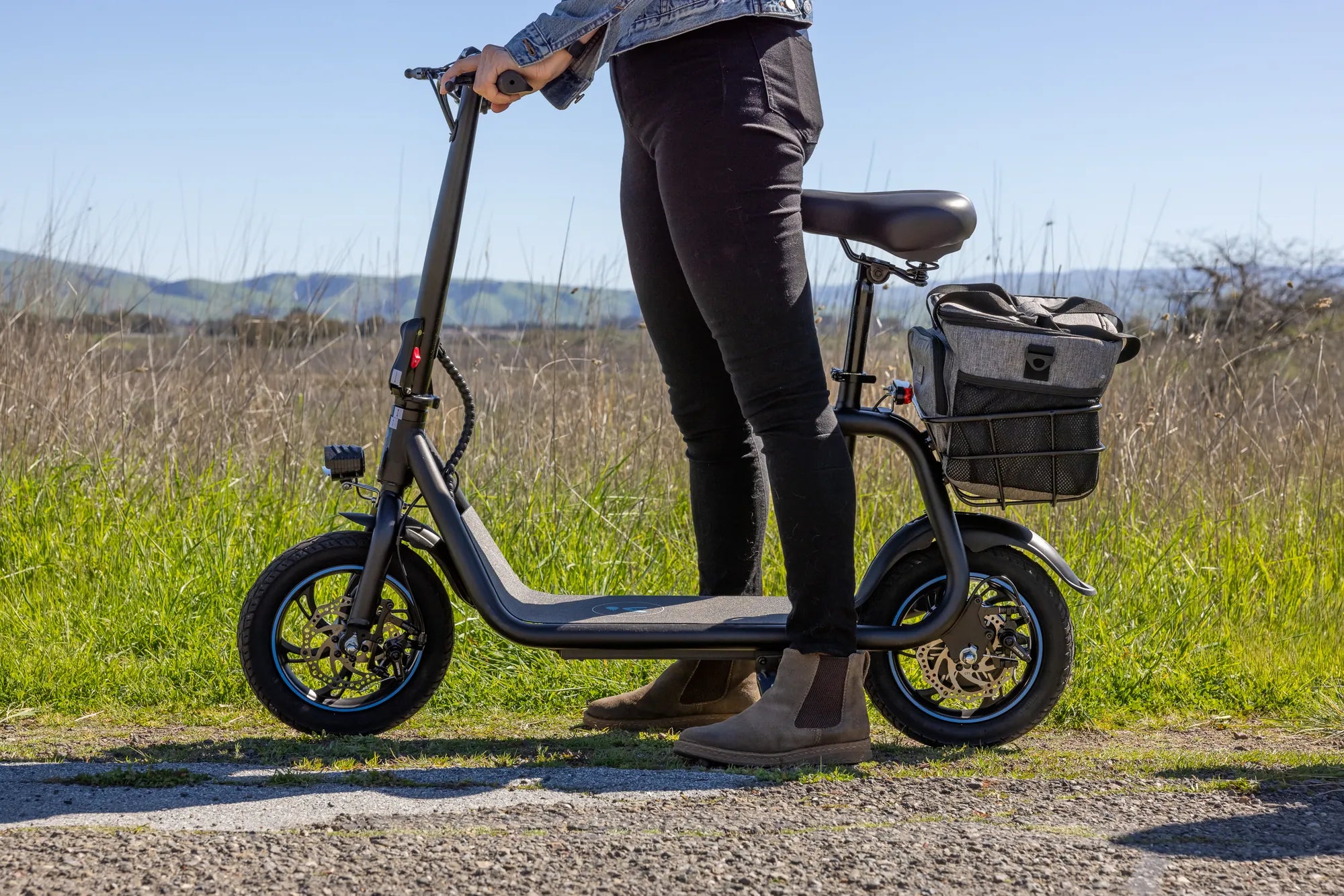
Finding an ebike for big and tall riders requires moving beyond standard models to a machine engineered for stability, power, and durability. This guide cuts through the marketing to provide the factual, data-driven information you need. You will learn the critical specifications that matter, how to interpret them for real-world use, and what to look for in a brand that prioritizes safety and long-term performance for riders of all sizes.
Understanding the Unique Needs of Big & Tall Riders
Standard e-bikes are typically designed around an average rider weight of 220-250 pounds. For heavier or taller individuals, this baseline creates specific challenges. A bike that feels stable for a 180-pound rider can become twitchy and unstable under a 300-pound load. The core issues extend beyond simple weight capacity to encompass geometry, component stress, and performance under load.
Frame geometry is the first major hurdle. A frame with a short wheelbase and steep head tube angle, common on many commuter e-bikes, prioritizes agility over stability. For a taller rider, this can mean a cramped riding position and compromised control. The key is a longer wheelbase and a relaxed head tube angle, which increase stability at speed and during braking, especially when carrying more mass.
Component durability is non-negotiable. Wheels, spokes, axles, brakes, and the saddle are all under significantly higher stress. Standard components often fail prematurely under heavy, consistent load. This isn't just an inconvenience; it's a critical safety issue. The entire system—from the motor's ability to climb hills to the brakes' power to stop—must be rated and engineered for the total system weight: rider, bike, and any cargo.
Performance metrics like range and hill-climbing ability are also directly impacted. A battery and motor system that delivers 40 miles of range for a 180-pound rider will deliver substantially less for a 280-pound rider, especially on varied terrain. Understanding these relationships is essential for setting realistic expectations and choosing a bike that won't leave you stranded.
Key Features to Look for in a Big & Tall E-Bike
Selecting the right ebike for big and tall riders means prioritizing a specific set of engineering specifications. These features work together to create a safe, comfortable, and performant riding experience. Compromising on any of these core areas can lead to dissatisfaction or unsafe riding conditions.
Frame Geometry & Build Quality
The frame is the foundation. Look for a robust frame constructed from reinforced 6061 or 7005 series aluminum alloy or steel. These materials offer an excellent strength-to-weight ratio. The geometry should feature a long wheelbase (typically over 45 inches for a large frame) and a slack head tube angle (around 70 degrees or less). This design provides inherent stability.
Frame style is also crucial. A step-thru or open-frame design is often easier to mount and dismount, especially for riders with limited mobility. However, a well-designed diamond frame with a high standover height can offer exceptional rigidity. Ensure the top tube provides ample clearance when standing over the bike. The welding points should be clean and consistent, indicating quality manufacturing.
Finally, check the overall weight rating of the complete bike system. This rating should include the rider, the bike itself, and any accessories or cargo. A true ebike for big and tall enthusiasts will have a clearly stated maximum system weight, not just a vague rider weight limit.
Motor Power & Torque
Motor output is critical for acceleration, maintaining speed, and conquering hills. For riders over 250 pounds, a 750W nominal hub motor is a practical minimum. A 1000W motor provides a more confident and responsive experience, especially on sustained inclines. Pay close attention to peak power and, more importantly, torque ratings (measured in Newton-meters, Nm).
Torque is the rotational force that gets you moving from a stop and powers up hills. A motor with high torque (e.g., 80+ Nm) will feel much more capable than one with high wattage but low torque. Geared hub motors often provide excellent torque for their size. Mid-drive motors, which leverage the bike's gears, can be exceptionally efficient for hill climbing but often come at a higher price point.
The motor must be paired with a controller and battery that can deliver sustained high current without overheating. Thermal management is key; a motor that overheats on a long climb will reduce power output or shut down entirely. Look for motors with integrated heat sinks or other cooling features mentioned in the specifications.
Battery Capacity & Real-World Range
Battery capacity, measured in Watt-hours (Wh), is the fuel tank of your e-bike. It is calculated as Voltage (V) x Amp-hours (Ah). For big and tall riders, a high-capacity battery is essential to combat the increased energy demand. A 48V system is standard for performance bikes, paired with a minimum of 15Ah, resulting in 720Wh. Batteries with 17.5Ah or 20Ah (840Wh+ and 960Wh+) are even better for extending range.
Always derate the manufacturer's maximum range claim. A bike advertised for 50 miles at a 180-pound rider weight might achieve 30-35 miles for a 280-pound rider, depending on terrain, assist level, and wind. Factor this into your commuting or recreational needs. Battery safety is paramount; insist on packs that are UL 2271 or UL 2849 certified, like those used by Gyroor, ensuring they meet rigorous safety standards for electrical and fire hazards.
Weight Capacity & Component Durability
The stated weight capacity is the starting point, but the components supporting that capacity are what matter. Look for a ebike for big and tall with a minimum rated capacity of 330-350 pounds. Many quality models now offer 400-pound capacities. This rating should be backed by specific heavy-duty components.
Wheels must have double-walled aluminum rims and 12-gauge or 13-gauge stainless steel spokes. The rear wheel, which bears most of the load and motor torque, often benefits from a reinforced hub and thicker axle. Tires should be at least 2.2 inches wide, with a high thread count (e.g., 60 TPI) casing for puncture resistance and support. Consider airless or foam-filled tires if flat prevention is a top priority.
Braking is a critical safety system. Hydraulic disc brakes are strongly recommended over mechanical discs for their superior stopping power, modulation, and self-adjustment. Look for large rotors (180mm or more) for increased heat dissipation. The saddle should be wide and supportive, with a robust suspension seat post (capable of handling the weight) to absorb road vibrations.
Gyroor's Commitment to Riders of All Sizes
As a leading electric mobility brand trusted by over 100,000 riders, Gyroor engineers its e-bikes and scooters for real-world durability and performance. This philosophy directly addresses the core requirements of big and tall riders, focusing on robust construction, reliable power systems, and verified safety.
Engineered for Stability & Power: The Gyroor Advantage
Gyroor's e-bike designs prioritize stable geometry and high-strength alloy frames that form a solid foundation. By integrating powerful 750W and 1000W geared hub motors, they deliver the torque necessary for confident acceleration and hill climbing under heavy loads. These motors are matched with high-current controllers for consistent performance.
The power systems are fueled by high-capacity, UL-certified battery packs. This certification is not just a marketing term; it represents passing hundreds of individual safety tests, providing peace of mind that the most critical—and potentially hazardous—component on the bike meets the highest independent safety standards. The IPX5 water-resistant rating on key components further ensures reliability in various weather conditions.
Built to Last: Warranty and Support You Can Trust
Investing in an ebike for big and tall riders is a significant decision. Gyroor supports this investment with a comprehensive 1-year warranty covering the frame, motor, battery, and controller. This warranty reflects confidence in the product's durability. Coupled with accessible US-based customer support, riders have a direct path for assistance, ensuring their e-bike remains a reliable asset for years.
This commitment extends to component selection. From reinforced wheelsets to hydraulic braking systems, Gyroor specifies parts that align with the demands of heavier riders, aiming to prevent the premature wear and failure common on underspec'd models. It’s an approach that builds long-term rider trust.
Practical Comparison: What Makes an E-Bike "Big & Tall Ready"?
This table provides a clear, scannable reference comparing the minimum recommended specifications for a true big & tall e-bike against those commonly found on standard models. Use it as a checklist when evaluating options.
| Feature | For Big & Tall Riders (Recommended Minimum) | Standard E-Bike (Typical) |
|---|---|---|
| Weight Capacity | 330 - 400+ lbs (System Weight) | 220 - 280 lbs (Rider Weight) |
| Motor Power | 750W - 1000W (High Torque Focus) | 350W - 500W |
| Wheel Size | 26" or 27.5" with wide tires (2.2"+) | 20" - 26" with standard tires |
| Battery System | 48V 15Ah+ (720Wh+), UL-Certified | 36V/48V 10-13Ah |
| Brake Type | Hydraulic Disc (180mm+ Rotors) | Mechanical Disc or Rim Brakes |
| Frame Material | Reinforced 6061/7005 Aluminum or Steel | Standard Aluminum Alloy |
| Key Component | Double-Walled Rims, 12G Spokes | Single-Walled Rims, 14G Spokes |
Top Considerations Before Your Purchase
Beyond raw specifications, several practical factors will determine your long-term satisfaction with your ebike for big and tall riding. These considerations help align the bike's capabilities with your individual needs and environment.
Test Ride & Fit Assessment (If Possible)
If a local dealer offers test rides, take full advantage. Pay attention to the standover height—you should have at least 1-2 inches of clearance from the top tube. Assess the reach to the handlebars and the comfort of the riding position. Is the cockpit spacious enough? Does the saddle feel supportive? Test the bike's stability at low speed and its braking power.
If a direct test ride isn't possible, scrutinize the geometry chart. Key measurements include stack (vertical height to handlebars), reach (horizontal distance to handlebars), and seat tube length. Compare these to your own body measurements or a bike you currently find comfortable. Many reputable brands, including Gyroor, provide detailed sizing guides online.
Intended Use: Commuting vs. Recreation
Your primary use case dictates optimal features. For urban commuting, prioritize a bike with integrated lights, fenders, a rack, and puncture-resistant tires. A suspension fork or seat post can smooth out city streets. For recreational trail riding, a front suspension fork (with a weight-rated coil or air spring) and knobbier tires become more important.
Motor configuration also plays a role. A torque-sensing mid-drive can offer a very natural riding feel on varied trails, efficiently using the gears. A powerful hub motor is often simpler and provides consistent, robust power for city commuting and paved paths. Match the bike's strengths to your most frequent activities.
Budgeting for Value and Safety
An ebike for big and tall riders is an investment in safety and reliability. Extremely low-priced models almost always cut corners on the very components that matter most: battery quality, brake systems, and wheel strength. A failure in any of these areas can have serious consequences.
Instead, budget for a bike from a reputable brand that uses name-brand components (e.g., Shimano drivetrain, Tektro or Magura brakes) and provides clear safety certifications. The slightly higher initial cost is offset by longevity, performance, and, most importantly, peace of mind. Consider it an investment in years of safe, enjoyable riding.
Frequently Asked Questions (FAQ) for Big & Tall E-Bikers
Q: Is there a real difference between a 300 lb and a 400 lb capacity e-bike?
A: Yes, the difference is significant and rooted in engineering. A 400 lb capacity bike requires a more robust frame with thicker tubing or additional gusseting, a heavier-duty rear axle and hub, stronger spokes (often 12-gauge vs. 13-gauge), and a wider, reinforced rim. The motor and controller may also be rated for higher sustained current. The increased cost reflects these upgraded, more durable components.
Q: Can I modify a standard e-bike to handle more weight?
A: It is strongly discouraged and potentially dangerous. While you might upgrade wheels or brakes, the frame itself is engineered for a specific stress load. Exceeding it can lead to catastrophic frame failure. Furthermore, such modifications will void the manufacturer's warranty. It is always safer to purchase a bike rated for your weight from the outset.
Q: How does my weight affect the advertised range?
A: Weight has a substantial impact. A good rule of thumb is to expect a 20-30% reduction from the maximum advertised range (which is typically calculated for a ~180 lb rider on flat ground using minimal assist). For example, a 50-mile claim may translate to 35-40 miles for a 280 lb rider. Terrain, wind, tire pressure, and assist level will cause further variation.
Q: Are fat tire e-bikes better for heavy riders?
A: Fat tires (4 inches wide or more) can be advantageous. The large air volume allows them to run at lower pressures, providing more suspension and comfort, and distributing weight over a larger contact patch. This can reduce stress on the rims. However, ensure the fat bike has a frame and components specifically rated for heavy riders, as not all are. The increased rolling resistance can also slightly reduce range.
Q: What maintenance is especially important for a big & tall e-bike?
A>Proactive maintenance is key. Regularly check spoke tension, as loose spokes can lead to wheel failure. Inspect tire wear and maintain proper inflation to protect the rims. Brake pads will wear faster due to the higher forces involved; check them monthly. Periodically check all critical bolts (stem, handlebar, seat post) for proper torque, as vibrations can loosen them more quickly under heavy load.
Conclusion: Investing in Confidence and Performance
Choosing the right ebike for big and tall riders is a process of matching rigorous specifications to your personal needs. Prioritize a high, honest weight capacity, a powerful torque-focused motor, a high-capacity UL-certified battery, and durable components like hydraulic brakes and double-walled rims. Brands like Gyroor, which build these principles into their engineering and back them with strong warranties, offer a reliable path to a safe and satisfying riding experience. Your perfect fit is out there—a bike that doesn't just accommodate your size but is designed to empower it. Explore models built for durability and performance to start your journey.
Ready to find an e-bike engineered for stability, power, and long-term reliability? Browse the full Gyroor collection, featuring UL-certified batteries, IPX5 water-resistant designs, and a comprehensive 1-year warranty, at gyroorboard.com.
500w x2 Dual Scooter: The Ultimate Guide to Dual-Motor Power
Dirt Bike for 8 Year Old Girl: The Ultimate 2024 Parent's Guide