

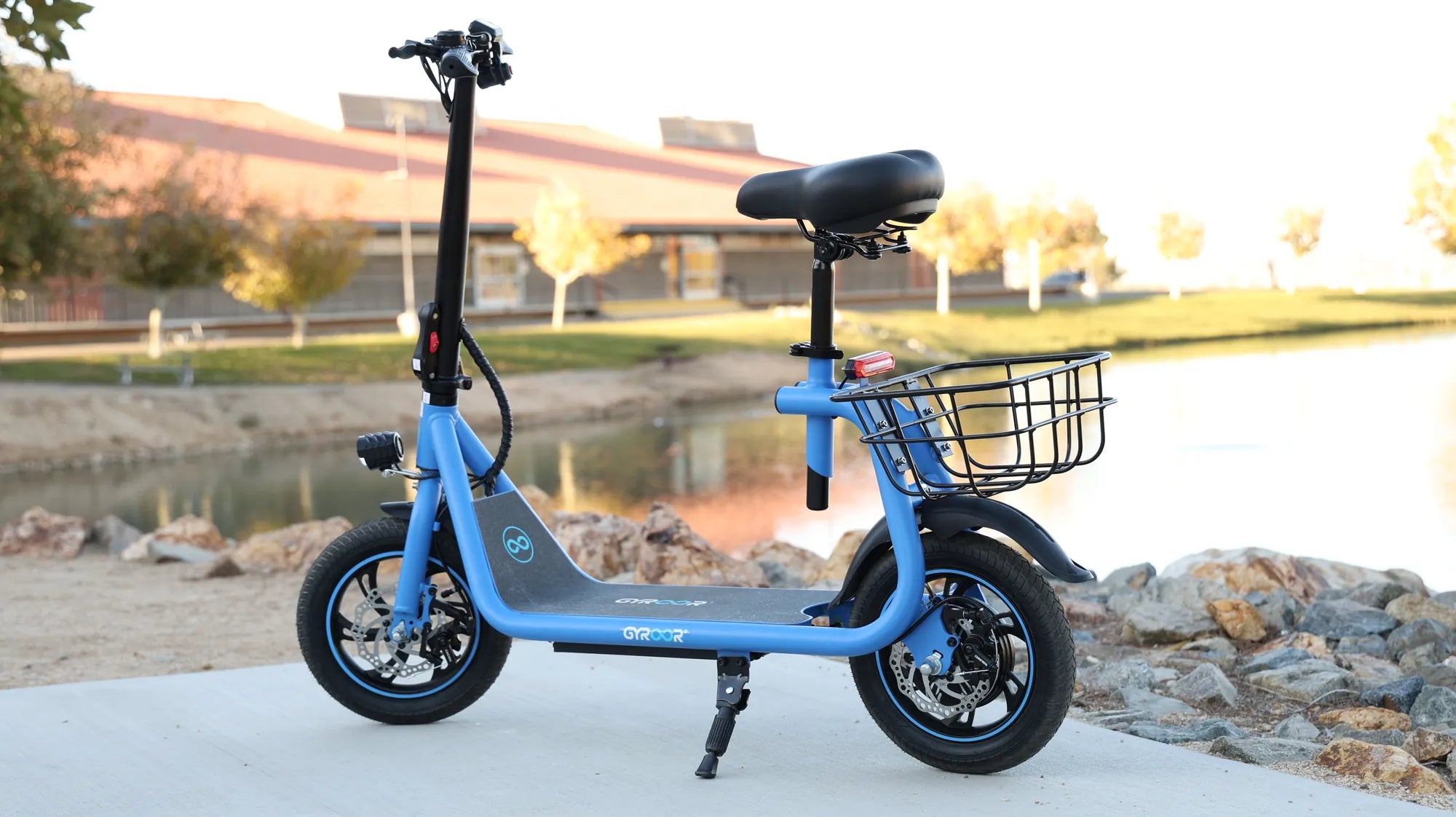
Electric scooters have taken urban commuting by storm, offering a convenient, eco-friendly, and cost-effective way to navigate crowded streets. But one question often lingers in the minds of potential buyers and enthusiasts alike: do electric scooters have gears? The answer isn't as straightforward as you might think, and understanding the mechanics behind these popular vehicles can help you make an informed decision before hopping on one.
How Electric Scooters Function Without Traditional Gears
Unlike bicycles or motorcycles, most electric scooters operate without a multi-gear system. Instead, they rely on a single-speed direct-drive or hub motor that delivers power directly to the wheels. This design simplifies the riding experience, eliminating the need for manual gear shifts and reducing mechanical complexity. The motor's efficiency is managed electronically, adjusting torque and speed based on throttle input and terrain.
The Role of Electronic Speed Control
Electric scooters use electronic speed controllers (ESCs) to regulate motor performance. These systems mimic the effect of gears by modulating power output. For example, when climbing a hill, the ESC increases torque to maintain speed, while on flat terrain, it optimizes for energy efficiency. This seamless adjustment means riders don't need to worry about shifting gears manually—the scooter does the work for them.
Exceptions: Electric Scooters with Gear Systems
While rare, some high-performance or specialty electric scooters do incorporate gear systems. These models often feature planetary gears or belt drives to enhance torque or top speed. However, these systems are more common in premium or off-road scooters designed for challenging terrain. For the average commuter scooter, gears are unnecessary and add unnecessary weight and maintenance.
Advantages of Gearless Electric Scooters
The absence of gears in most electric scooters offers several benefits:
- Lower Maintenance: Fewer moving parts mean less wear and tear.
- Easier to Ride: No gear shifts make scooters more accessible to beginners.
- Lightweight Design: Gearless systems contribute to a more portable scooter.
- Smoother Acceleration: Electronic control provides consistent power delivery.
Disadvantages of Gearless Systems
However, gearless scooters aren't perfect for every scenario. They may struggle on steep inclines or lose efficiency at very high speeds. Riders who frequently tackle hilly routes might prefer a model with gears or a more powerful motor to compensate for the lack of mechanical advantage.
Future Trends in Electric Scooter Mechanics
As battery and motor technology advances, the need for gears in electric scooters may diminish further. Innovations like regenerative braking and adaptive torque control are already improving performance without adding mechanical complexity. Future models could integrate AI-driven power management to optimize efficiency dynamically.
Whether you're a daily commuter or a weekend explorer, understanding how electric scooters manage speed and torque can enhance your riding experience. While most models forgo gears for simplicity, knowing the trade-offs helps you choose the right scooter for your needs. Ready to glide through the city with ease? The answer to do electric scooters have gears might just change how you view your next ride.
Electric Scooters Southampton: The Ultimate Guide to Eco-Friendly Commuting
Super Electric Scooters: The Future of Urban Mobility