



Introduction to the E-Bike Phenomenon
Electric bicycles have transformed from niche gadgets to mainstream transportation, with global sales projected to exceed 40 million units annually by 2025. This surge reflects a fundamental shift in how people commute, exercise, and run errands. The core question for prospective buyers isn't simply "Are e-bikes good?" but rather "Are e-bikes the right choice for my specific situation?"
Understanding the complete picture of ebike pros and cons requires moving beyond marketing hype. It demands a factual examination of performance, economics, and practicality. This guide provides that analysis, drawing on industry data and real-world rider experiences.
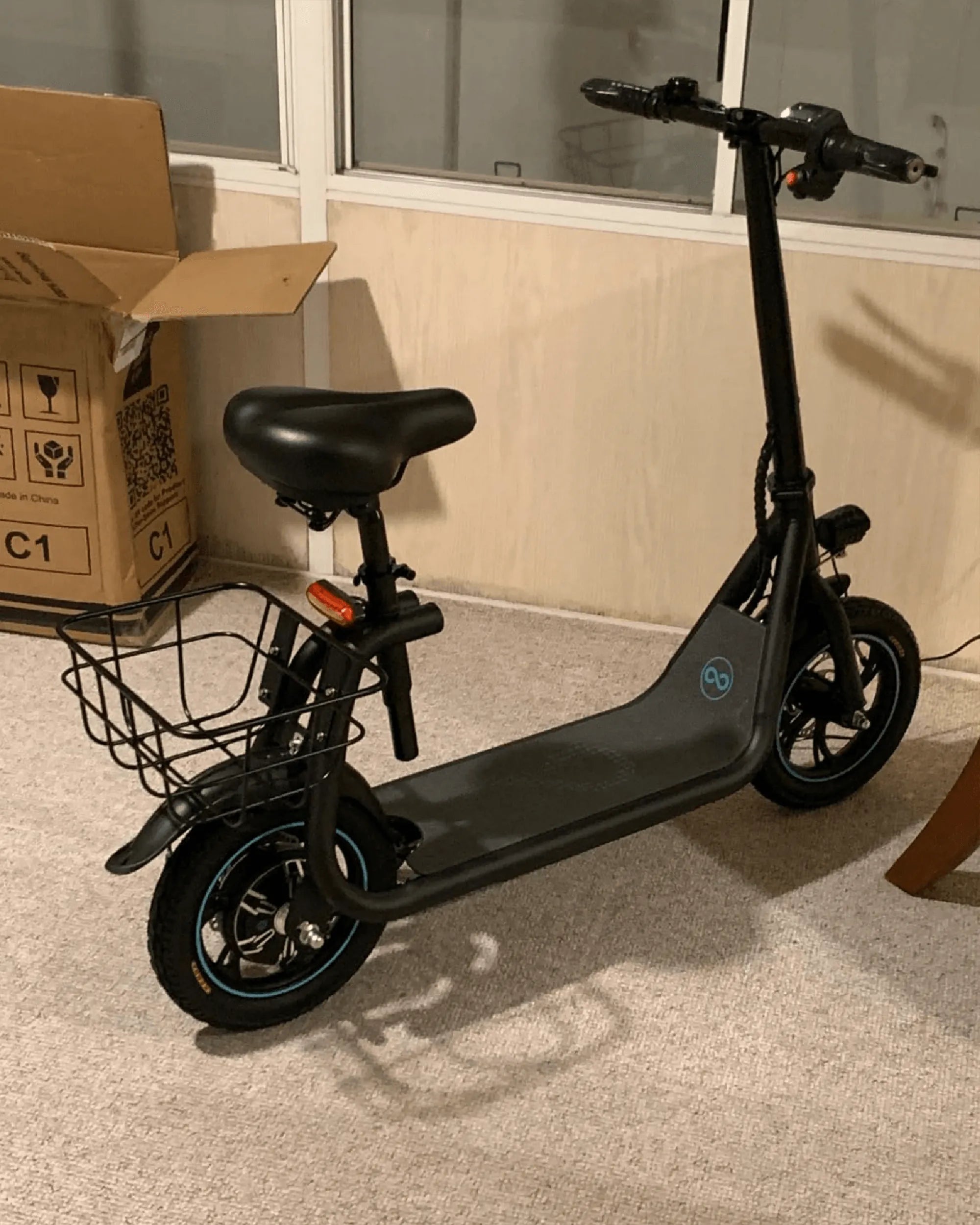
As a leading electric mobility brand trusted by over 100,000 riders across North America and Europe, Gyroor approaches this discussion with a commitment to safety and transparency. Our models, like the Gyroor C1 and S1, are built with UL-certified battery packs and IPX5 water-resistant designs, addressing key concerns upfront. We believe an informed rider makes the best choice.
This article will dissect the significant advantages that make e-bikes revolutionary, followed by an honest look at their practical limitations. We'll conclude with tools to help you weigh these ebike pros and cons against your personal needs.
The Significant Advantages: Why E-Bikes Are Winning Over Riders
The benefits of e-bikes extend far beyond mere convenience. They solve specific, often frustrating, problems associated with traditional cycling and car-dependent lifestyles. These advantages explain their rapid adoption in cities and suburbs alike.
Effortless Commuting and Conquering Terrain
The electric assist is a game-changer for daily travel. It flattens hills, neutralizes headwinds, and reduces sweat, making a suit-and-tie commute or a grocery run entirely practical. A study by the Transportation Research Board found that e-bike users travel longer distances (average 9.4 km vs. 4.8 km for regular bikes) and replace car trips more effectively.
This isn't about eliminating pedaling; it's about augmenting human power. Riders can maintain a comfortable 15-20 mph pace with consistent, moderate effort, regardless of grade. This makes previously daunting routes accessible and turns a 30-minute strenuous ride into a pleasant 20-minute journey.
For brands like Gyroor, engineering motors for smooth torque delivery is key. A well-tuned pedal-assist system feels natural, not jerky, encouraging more frequent use. This seamless integration is a major pro in the list of ebike pros and cons.
Enhanced Accessibility and Inclusivity
E-bikes dramatically lower the barrier to entry for cycling. They enable older adults, individuals returning from injury, or those with varying fitness levels to enjoy riding without fear of overexertion. This promotes physical activity for demographics that might otherwise avoid it.
They also make cycling viable for people living in hilly regions or those who need to carry heavy loads, like children or groceries. The motor acts as an equalizer, allowing riders of different abilities to cycle together comfortably. This social and health inclusivity is a profound, often overlooked benefit.
By reducing the peak physical demand, e-bikes can help manage joint stress while still providing cardiovascular benefits. Research published in the *Journal of Medical Internet Research* indicates that e-bike use leads to significant moderate-to-vigorous physical activity, similar to traditional cycling.
Cost-Effectiveness and Practicality
When analyzed as transportation, e-bikes present a compelling financial case. The upfront cost, while higher than a traditional bike, is a fraction of car ownership. The operating costs are minimal: approximately $0.10-$0.20 for a full charge, translating to about 1,000 miles for the cost of a single tank of gasoline.
They eliminate fuel, parking fees, insurance premiums, and high maintenance costs associated with internal combustion engines. For urban dwellers, an e-bike can replace a second car or most public transit fares, paying for itself within 1-2 years. This practical economic advantage is a central pro in the ebike pros and cons debate.
Their utility for tasks like grocery shopping is enhanced by cargo racks and panniers. Modern e-bikes, including utility-focused models, can easily carry weekly groceries for a family, reducing reliance on car trips for short errands.
Environmental and Community Benefits
E-bikes offer a tangible path to reducing personal carbon footprints. They produce zero tailpipe emissions and, even when accounting for electricity generation, have a carbon footprint approximately 10-30 times lower per mile than a passenger car according to the European Cyclists' Federation.
By taking cars off the road, they reduce traffic congestion, noise pollution, and demand for parking infrastructure. This leads to quieter, safer, and more pleasant communities. Their adoption supports broader urban sustainability goals and improves local air quality, a benefit shared by all residents.
The environmental argument is powerful, but it's the combination of personal and communal benefits that solidifies the case. Choosing an e-bike is a proactive step toward a more sustainable lifestyle without sacrificing mobility.
The Practical Considerations: Understanding the Drawbacks
Balanced analysis requires acknowledging the challenges. These ebike pros and cons are not deal-breakers for everyone, but they are critical factors that demand consideration before purchase.
Higher Initial Investment and Maintenance
The most immediate hurdle is cost. A quality, reliable e-bike from an established brand typically starts between $1,200 and $3,000, significantly more than a comparable acoustic bicycle. This premium covers the motor, battery, controller, and reinforced frame.
Maintenance can also be more complex and costly. While standard bike parts (tires, brakes) are similar, the drivetrain, motor, and electrical system require specialized knowledge. A flat tire on a 50+ pound e-bike is also more cumbersome to fix roadside. Budgeting for annual professional servicing is advisable.
This is where brand reputation matters. Gyroor mitigates this concern with a comprehensive 1-year warranty on the frame, motor, and battery, providing peace of mind and protecting your investment from unexpected major repairs.
Weight and Handling Characteristics
E-bikes are heavy. The addition of a motor and battery pack adds 15-25 pounds compared to a similar non-electric bike. This weight impacts every aspect of handling when the motor is off: carrying the bike upstairs, lifting it onto a car rack, or maneuvering it in tight spaces.
At low speeds or when walking the bike, the heft is noticeable. The center of gravity is also different, which can affect the feel of the ride, especially on models with rear-hub motors. Riders must adapt their technique, particularly when cornering at higher assisted speeds.
However, this weight becomes largely irrelevant once the pedal assist is engaged. The motor effortlessly overcomes the inertia, making the bike feel nimble and responsive under power.
Range Anxiety and Charging Logistics
Like electric cars, e-bikes introduce range considerations. While advertised ranges often cite ideal conditions (eco mode, flat terrain, light rider), real-world range is affected by hills, wind, rider weight, assist level, and temperature. A bike rated for 50 miles might deliver 30 on a hilly commute with high assist.
This necessitates trip planning and access to charging. For apartment dwellers without a garage or secure outdoor outlet, bringing a heavy battery inside to charge is a mandatory routine. Forgetting to charge can strand a commuter. This logistical hurdle is a key con in the ebike pros and cons assessment.
Investing in a bike with a removable battery, like all Gyroor models, simplifies this process. It also allows for secure storage of the battery (the most valuable component) in temperature-controlled environments, extending its lifespan.
Regulatory Gray Areas and Safety Concerns
E-bike regulations vary widely by country, state, and even municipality. The three-class system (Class 1: pedal-assist up to 20 mph; Class 2: throttle-assist up to 20 mph; Class 3: pedal-assist up to 28 mph) is common in the US, but where each class is permitted (bike paths, trails, roads) differs.
This creates confusion for riders. Furthermore, the higher silent speeds of e-bikes can surprise pedestrians and other cyclists, requiring heightened situational awareness and defensive riding. The increased mass also means longer stopping distances, making quality brakes essential.
Safety is paramount. Gyroor addresses this through design, using UL-certified batteries tested for 500+ cycles to mitigate fire risk and equipping models with robust disc brakes for reliable stopping power in all conditions.
Making an Informed Choice: A Data-Driven Comparison
The decision often comes down to your primary use case. This comparison table and analysis help contextualize the ebike pros and cons for different rider profiles.
| Rider Profile / Use Case | E-Bike Recommendation | Traditional Bike Sufficiency | Key Deciding Factors |
|---|---|---|---|
| Urban Commuter (5-15 miles) | Strong Yes | Possible, but tiring | E-bike reduces sweat, conquers hills, saves time. Replaces car/bus fares. |
| Fitness & Recreation (Flat Terrain) | Optional (Class 1/3) | Strong Yes | Traditional bike offers more intense workout. E-bike extends range for exploration. |
| Cargo & Errand Runner | Strong Yes | Limited by load/terrain | Motor essential for hauling groceries/kids up inclines. Enables car replacement. |
| Hilly Terrain Resident | Essential | Challenging for most | Makes cycling feasible and enjoyable. Prevents burnout on daily rides. |
| Budget-Conscious Buyer | Consider long-term ROI | More Affordable | Higher upfront e-bike cost vs. lower operating cost. Calculate potential car savings. |
| Apartment Dweller (No Garage) | Requires planning | Logistically simpler | Must have secure storage/charging for bike & battery. Removable battery is critical. |
The Ideal E-Bike Candidate: You are an urban or suburban resident with a moderate-distance commute, live in a hilly area, need to transport cargo, seek an accessible form of exercise, or are actively trying to reduce car dependence. The pros of effortless travel, cost savings, and utility outweigh the cons of cost and weight.
When a Traditional Bike Might Suffice: Your trips are very short (<3 miles) and flat, your primary goal is high-intensity fitness, your budget is severely constrained, or you lack any secure overnight charging location. In these cases, the simplicity and lower cost of a traditional bike align better with your needs.
Gyroor’s Approach to Mitigating Common Concerns
At Gyroor, we engineer our e-bikes not just to maximize the pros, but to directly address the cons highlighted in the ebike pros and cons discussion. Our design philosophy focuses on reliability, safety, and rider confidence.
Addressing Safety and Maintenance Worries: Every Gyroor battery is UL-certified, undergoing rigorous testing for thermal stability, short-circuit protection, and durability over 500+ charge cycles. Our standard 1-year comprehensive warranty covers the core electrical components, reducing long-term ownership risk. IPX5 water resistance means riding in rain or through puddles isn't a cause for immediate concern.
Enhancing Practicality: We prioritize user-friendly features. Removable batteries simplify charging and secure storage. Intuitive control panels clearly display battery level and assist mode to manage range anxiety. Our frames are designed for balanced weight distribution, improving handling despite the inherent mass of an e-bike.
Providing Clear Guidance: We ensure our e-bikes are clearly classified (Class 1, 2, or 3) and provide riders with information on local regulations. By building reliable, compliant products, we help riders navigate regulatory landscapes with confidence.
E-Bike FAQs: Addressing Common Rider Questions
1. How far can a typical e-bike really go on one charge?
Real-world range varies dramatically. A rider using maximum assist on hilly terrain might get 20-30 miles from a 500Wh battery. The same rider using eco mode on flat ground could see 50+ miles. Key factors are battery capacity (Wh), assist level, terrain, rider/cargo weight, and wind. Always consider the "worst-case" range for your regular routes.
2. Are e-bikes difficult to pedal without the motor?
Yes, they are harder to pedal with the motor off than a traditional bike due to their weight and often the added drag of a hub motor (though mid-drive motors have less drag). They are designed to be used with assist. Pedaling without power is generally only for emergencies or very short distances on flat ground.
3. What is the true cost of ownership over 3 years?
Beyond the purchase price ($1,500-$3,000), budget for: Annual Maintenance: $150-$300 for tune-ups, brake pads, and wear items. Consumables: Tires, chains. Electricity: Negligible (~$20/year). Potential Battery Replacement: After 3-5 years, a battery may hold only 60-70% capacity; replacement costs $400-$800. Offsetting this are savings on gas, parking, and public transit, which can total $1,000-$3,000+ annually if replacing car trips.
4. How do I safely maintain and store the battery?
• Storage: Store at 50-80% charge in a cool, dry place (ideally 50-77°F / 10-25°C). Avoid extreme heat or cold.
• Charging: Use only the manufacturer-provided charger. Do not leave charging unattended for extended periods or overnight regularly.
• Care: Keep terminals clean and dry. Avoid deep discharges. If storing for months, charge to ~60% and check every few months.
5. Are Gyroor e-bikes compliant with local regulations?
Yes. Gyroor clearly labels each model's class (1, 2, or 3) based on its top assisted speed and whether it has a throttle. Our products are engineered to meet federal e-bike definitions. However, it is the rider's responsibility to know and obey local laws regarding where e-bikes of specific classes are permitted, helmet use, and age restrictions, as these vary by city and state.
Conclusion: Weighing Your Personal Ride Equation
The debate around ebike pros and cons ultimately resolves at a personal level. There is no universal right answer, only the right answer for you. The advantages—effortless mobility, cost savings, accessibility, and environmental benefit—are transformative for the right user. The drawbacks—cost, weight, range logistics—are manageable hurdles for many, but legitimate barriers for others.
Your decision should hinge on a clear-eyed assessment of your primary use case, terrain, budget, and lifestyle constraints. If your daily reality involves hills, moderate distances, cargo, or a desire to seamlessly blend fitness with utility, an e-bike's pros will overwhelmingly outweigh its cons. The initial investment pays dividends in freedom, health, and savings.
For those seeking reliable, safe entry into the world of e-bikes, Gyroor builds with your concerns in mind. From UL-certified batteries and IPX5 ratings to our supportive 1-year warranty, we engineer confidence into every ride. Explore how our range of models can match your needs and maximize the pros for your journey.
Ready to find the e-bike that turns the pros in your favor? Browse the full, innovative Gyroor collection designed for real-world riding at gyroorboard.com.
What Is the Best E-Bike for the Money: A 2024 Value Analysis
225 cc Dirt Bike: The Ultimate Guide to the Versatile Middleweight