



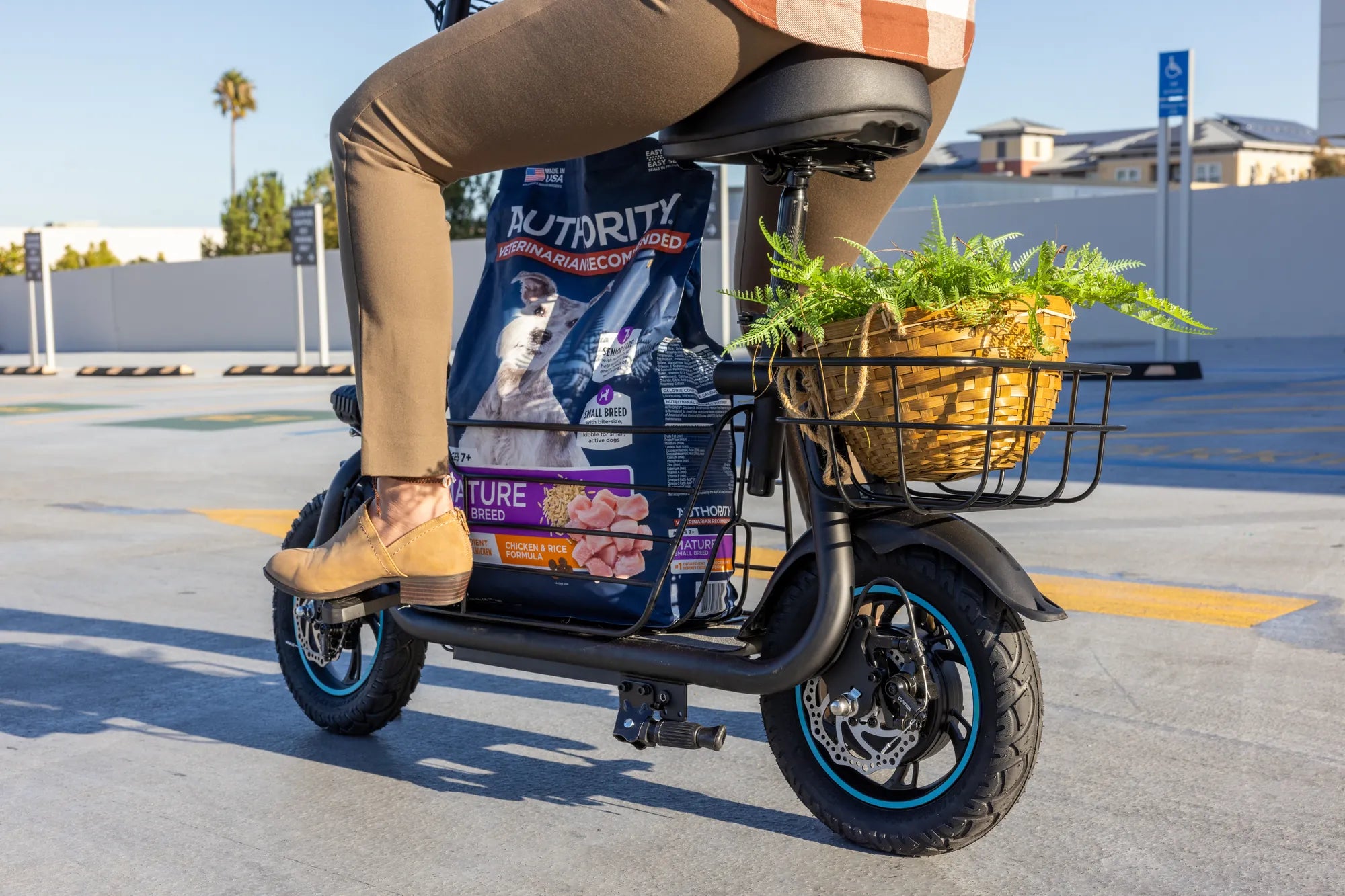
Introduction: Why Electric Scooters Are Redefining the 50cc Standard
For decades, the 50cc gas scooter has been a symbol of accessible urban mobility. It offered an escape from traffic and parking woes, but with the familiar drawbacks of noise, fumes, and mechanical upkeep. The modern electric scooter is now its direct successor, delivering the same core utility—nimble, efficient city transport—without the compromises. This shift represents more than just a change in fuel; it's a fundamental upgrade in the commuting experience, prioritizing quiet operation, instant torque, and truly sustainable travel. Leading this evolution are brands like Gyroor, a trusted name powering over 100,000 riders across North America and Europe with reliable, UL-certified electric mobility solutions.
This guide will dissect the electric scooter as the new 50cc equivalent. We'll translate technical specs into real-world performance, provide a detailed cost-benefit analysis, and outline what to look for in a quality commuter model. Whether you're a daily commuter, a student, or an eco-conscious rider, understanding this technology is key to navigating modern cities smarter, cleaner, and more economically.
The 50cc Equivalent: Understanding Electric Scooter Power & Performance
Comparing electric scooters to 50cc gas models starts with understanding power metrics. A typical 50cc scooter produces about 2-4 horsepower, translating to top speeds of 30-40 mph. Electric scooters use wattage (W) and voltage (V) to achieve similar performance. A robust 500W to 800W motor is generally considered the direct electric equivalent, capable of sustained speeds of 20-28 mph, perfectly matching urban speed limits and flow.
Where electric powertrains excel is in torque delivery. Unlike gas engines that need to rev up, electric motors provide maximum torque instantly from a standstill. This means acceleration from a stoplight or up a moderate incline is often quicker and smoother on a comparable electric model. For tackling steeper hills, a 52V system with a 650W+ motor, common in Gyroor's commuter lineup, provides the necessary power reserve where a basic 50cc engine might struggle.
Performance isn't just about peak speed; it's about usable, consistent power. A high-quality electric scooter maintains its speed under load and offers multiple speed modes for efficiency or performance. The combination of motor wattage and battery voltage (e.g., 48V or 52V) determines this capability, making these specs critical when evaluating an electric scooter's true 50cc-level performance.
Key Advantages of Electric Over Traditional 50cc Gas Scooters
The benefits of switching from gas to electric are substantial and quantifiable. The most immediate advantage is operational cost. Charging an electric scooter costs mere cents per charge, translating to roughly $1-2 per month for a daily commuter. In contrast, a 50cc scooter, even with good fuel economy, can cost $15-25 per month in gasoline alone, not including volatile fuel prices.
Maintenance presents another stark contrast. Electric scooters have far fewer moving parts: no engine oil to change, no spark plugs, air filters, or complex transmission systems. Routine care involves checking tire pressure, brakes, and ensuring electrical connections are clean. This simplicity translates to drastically lower annual maintenance costs and less downtime. Gyroor models enhance this reliability with IPX5 water-resistant designs, allowing riders to confidently navigate wet conditions without the concerns of water damaging a gas engine.
| Comparison Factor | 50cc Gas Scooter | 50cc-Equivalent Electric Scooter |
|---|---|---|
| Fuel/Energy Cost (per 100 miles) | $3 - $5 (Gasoline) | $0.30 - $0.50 (Electricity) |
| Annual Maintenance Estimate | $150 - $300 (Oil, filters, belts, plugs) | $20 - $50 (Brake pads, tires) |
| Tailpipe Emissions | ~0.5 lbs CO2 per mile | Zero Direct Emissions |
| Noise Level | 70-85 dB (Noticeable engine hum) | 55-65 dB (Quiet motor whir) |
| Refueling/Recharging | Gas station required | Any standard wall outlet |
| Typical Acceleration (0-20 mph) | Moderate, requires engine revving | Quick, instant torque from motor |
Environmentally, the difference is absolute. Electric scooters produce zero tailpipe emissions, directly improving local air quality. When paired with a growing renewable energy grid, their overall carbon footprint shrinks further. The noise reduction is equally transformative, replacing the persistent buzz of a two-stroke engine with near-silent operation, reducing noise pollution in dense urban areas.
What to Look for in a High-Quality Electric Commuter Scooter
Selecting the right electric scooter requires evaluating key components that define safety, range, and durability. The battery is the heart of the system. Prioritize models with UL-certified battery packs, like those used by Gyroor, which undergo rigorous testing for safety and longevity (500+ charge cycles). Real-world range is paramount; look for a scooter that offers 20-30 miles per charge, accounting for variables like rider weight, terrain, and speed.
Motor power should align with your terrain. Flat urban commuters may find a 500W motor sufficient, while those with bridges or hills should consider 650W or 800W motors. Build quality is non-negotiable. A sturdy aluminum or steel frame, coupled with reliable braking systems—disc brakes offer superior stopping power to drum brakes—is essential for safety. Pneumatic (air-filled) tires generally provide a smoother ride than solid tires, absorbing road imperfections.
Practical features enhance daily use. An IPX5 water resistance rating means the scooter can withstand water jets from any direction, making it resilient in rain. Portability features like a folding mechanism and manageable weight (under 40 lbs for most commuter models) are crucial for mixed-mode travel or storage. Finally, a comprehensive warranty, such as Gyroor's 1-year coverage on the scooter, signals manufacturer confidence and protects your investment.
Navigating Laws & Safety for Urban Electric Scooter Riding
The legal classification of electric scooters is evolving but often mirrors regulations for 50cc vehicles. In many jurisdictions, electric scooters capable of speeds over 20 mph may be classified as motorized scooters or mopeds, requiring registration, insurance, and a driver's license. It is imperative to check your local Department of Motor Vehicles (DMV) or transportation authority for specific rules regarding top speed limits, minimum rider age, and helmet requirements.
Safety gear is your primary defense. Always wear a certified bicycle or multi-impact helmet. For higher-speed commuting, consider additional protection like knee and elbow pads, gloves, and reflective clothing or accessories to increase visibility, especially at night. Your scooter should have a bright front headlight, a rear brake light, and reflectors.
Defensive riding is critical in city environments. Assume cars and pedestrians may not see you. Obey all traffic signals, use hand signals for turns, and ride predictably. Avoid sidewalks unless local laws explicitly permit it; bike lanes and slower street roads are typically safer and legal. Regularly check your scooter's brakes, tire pressure, and lights before each ride to ensure it's in optimal condition.
Top Use Cases: Who Benefits Most from an Electric 50cc-Style Scooter?
The daily urban commuter stands to gain immensely. Replacing a car or public transport for a 5-10 mile commute can save thousands annually on fuel, parking, and transit fares. The electric scooter's compact size allows for easy storage in an office or apartment, and its agility helps navigate congested streets efficiently, turning a stressful commute into an enjoyable ride.
College students find electric scooters ideal for traversing large campuses and nearby off-campus housing. They eliminate long walks between classes, provide a cheap alternative to keeping a car on campus, and can often be brought inside dorm rooms or libraries for secure charging. The eco-friendly profile also aligns with the values of many academic communities.
Eco-conscious individuals and families use these scooters to significantly reduce their household carbon footprint for local trips. Replacing short car journeys to the grocery store, cafe, or community center with a scooter ride has a tangible environmental impact. Suburbanites can use them for last-mile connectivity from public transit hubs or for quick, emission-free errands around the neighborhood, combining the benefits of car-free travel with suburban convenience.
Maintenance & Care: Keeping Your Electric Scooter Running Smoothly
Electric scooter maintenance is straightforward but essential for longevity. The most frequent task is checking tire pressure weekly. Properly inflated pneumatic tires (to the PSI listed on the tire wall) ensure optimal range, a smooth ride, and prevent pinch flats. Inspect tires regularly for wear or embedded debris.
Brake maintenance is a safety priority. For disc brakes, listen for squealing and check pad thickness; for mechanical brakes, adjust cable tension if the lever feels loose. Clean brake rotors with isopropyl alcohol to maintain stopping power. Keep the charging port clean and dry, and always use the manufacturer-provided charger to protect the battery's management system.
Battery care is crucial for long-term health. Avoid draining the battery to 0% regularly; try to recharge when it reaches 20-30%. For long-term storage (over a month), charge the battery to about 60% and store in a cool, dry place. General cleaning with a damp cloth—taking advantage of the IPX5 rating—keeps the scooter looking new and prevents grit from damaging moving parts. Periodically check and tighten bolts, especially on the stem and folding mechanisms, to ensure a solid, rattle-free ride.
FAQ: Your Electric Scooter Questions, Answered
How far can I really go on a single charge?
Manufacturer range claims are based on ideal conditions: a lightweight rider on flat terrain at low speed. Real-world range is typically 70-80% of the claimed maximum. For a reliable 20-mile commute, look for a scooter advertised for 25-30 miles. Factors like hills, headwinds, frequent acceleration, and colder temperatures will reduce range.
How long does the battery last before needing replacement?
A quality lithium-ion battery, like the UL-certified packs in Gyroor scooters, is rated for 500+ full charge cycles while retaining 80% of its original capacity. With typical use (3-4 charges per week), this translates to 3-5 years of service before you might notice a significant range reduction. Proper charging habits greatly extend this lifespan.
Can it handle hills and rain?
Yes, if properly specified. A scooter with a 650W+ motor and a 52V battery can handle moderate hills (10-15% grade). For rain, an IPX5 water resistance rating is the key indicator, signifying the scooter can withstand sustained water spray from any direction. Always avoid deep puddles and submerging any part of the scooter.
What's the true total cost of ownership?
Beyond the purchase price, factor in minimal electricity costs (~$20/year), occasional tire replacements ($20-40 each), and brake pads ($15-30/set). Over three years, excluding the initial purchase, expect to spend $100-200, compared to $500-$1000+ for a gas scooter on fuel, oil, filters, and more frequent mechanical repairs.
How does Gyroor's warranty protect me?
Gyroor offers a 1-year warranty covering manufacturing defects in materials and workmanship for the entire electric scooter. This includes the frame, motor, controller, and battery. Their use of UL-certified batteries and IPX5-rated construction are built-in assurances of quality that back this warranty, supported by responsive US-based customer service.
The Smart Choice for Modern Mobility
The case for choosing an electric scooter over a traditional 50cc model is compelling and clear. It delivers equivalent urban performance with superior acceleration, at a fraction of the operating cost and with zero direct emissions. The ownership experience is defined by simplicity—quiet, clean, and nearly maintenance-free commuting that integrates seamlessly into urban life.
This transition to smarter mobility requires a reliable partner. Choosing a brand like Gyroor, with its commitment to safety certifications, robust water-resistant designs, and a solid warranty, ensures your investment is protected. It’s more than a purchase; it’s a step towards a more efficient, economical, and sustainable way to move through your city.
Ready to experience the future of urban commuting? Browse the full Gyroor collection at gyroorboard.com and find the electric scooter engineered to replace your car, not just your gas scooter.
Best Electric Scooters for Adults Under $1000: Top Picks for Budget Riders
Electric Scooters Detroit: The Future of Urban Mobility