



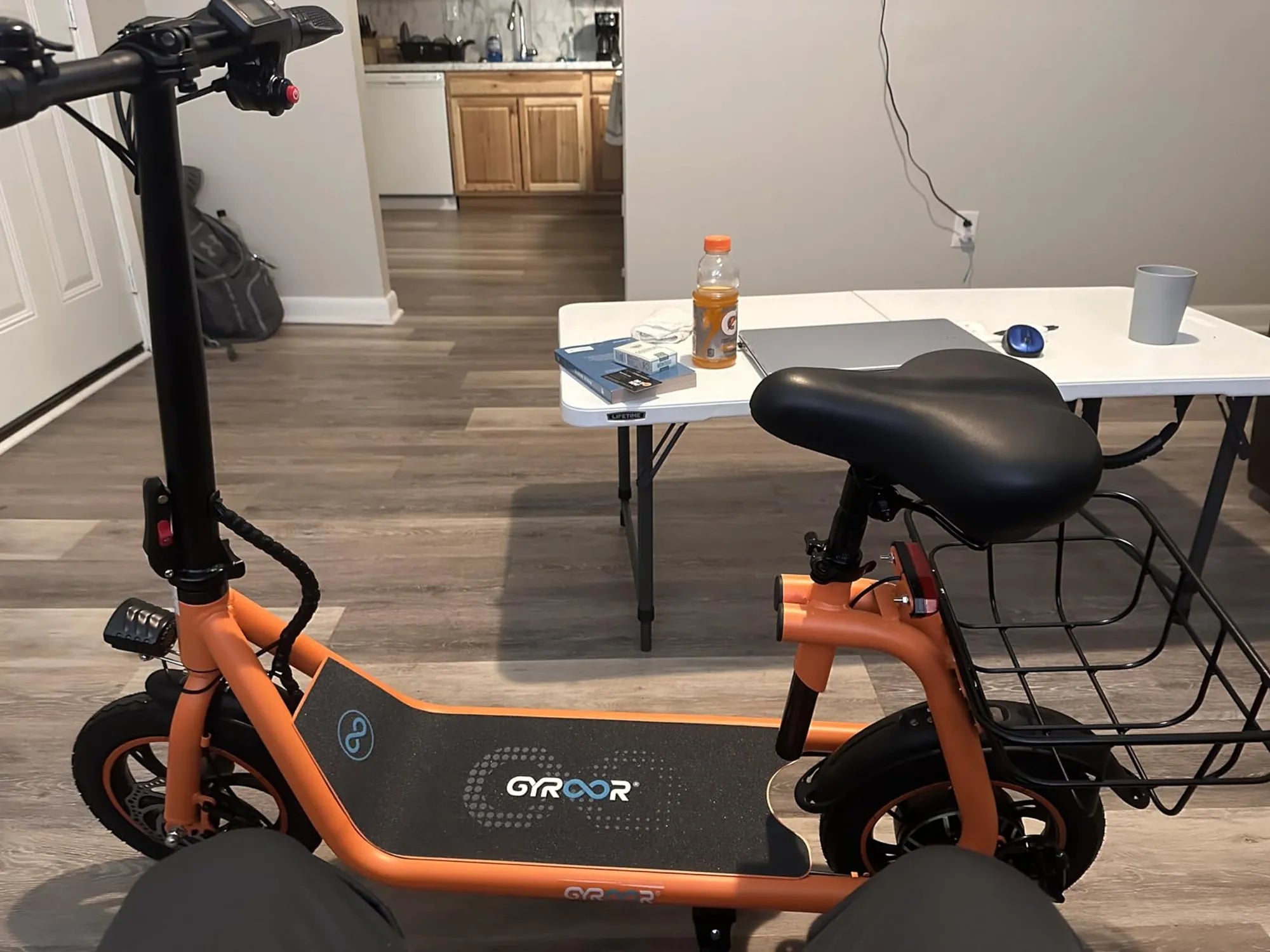
Introduction: Redefining Personal Mobility for Every Body
The personal electric vehicle revolution promised freedom and accessibility, but for many plus-size adults, that promise fell short. Standard electric scooters, often built for riders under 220 pounds, presented challenges in weight capacity, stability, and power. This created a significant gap in the market for inclusive, high-performance mobility solutions.
This guide is dedicated to bridging that gap. We provide a detailed, engineering-focused analysis of what makes an electric scooter truly suitable for plus-size adults. The core challenges extend beyond a simple number on a spec sheet; they encompass sustained power delivery, frame durability, braking safety, and ride comfort under higher dynamic loads.
Our goal is to empower you with the knowledge to make an informed decision. We will dissect key specifications, explain critical design features, and establish a benchmark for safety and longevity. Using the engineering principles behind leading brands like Gyroor—trusted by over 100,000 riders—as a reference point, this guide will help you find a scooter that doesn't just accommodate your weight, but is built to perform confidently and comfortably for years to come.
Electric scooters for plus size adults: The ultimate guide to comfort and performance starts with understanding that the right vehicle is an investment in freedom, practicality, and well-being. Let's move beyond marketing claims and into the data that matters.
Understanding the Key Specifications: Beyond the Brochure
Manufacturer specifications can be a maze of numbers. For the plus-size rider, not all specs are created equal. Understanding the engineering behind these numbers is crucial to predicting real-world performance and ensuring your safety.
The advertised "maximum load" is merely a starting point, a static rating determined under ideal laboratory conditions. It does not account for the dynamic forces of acceleration, braking, or hitting a pothole. A scooter ridden at its maximum weight limit will experience significantly more stress on every component, from the motor and battery to the frame and brakes.
True performance hinges on a combination of factors: continuous motor torque, battery amp-hour (Ah) capacity, and overall structural geometry. A scooter with a robust specification profile in these areas will handle a heavier load with more grace, safety, and longevity than one that just barely meets a weight threshold.
This section decodes these critical metrics. We move past the brochure to explain how each component interacts under load, providing you with a framework to evaluate any model's suitability for your needs and build.
The Truth About Weight Capacity and Real-World Performance
Engineering products always include a safety margin, but riding consistently at or near the stated maximum load consumes that margin. Performance degrades in several key areas: acceleration becomes sluggish, hill-climbing ability diminishes, and most notably, actual battery range can be 30-50% lower than advertised.
The strain isn't just about power. The suspension works harder, the brakes are tasked with dissipating more kinetic energy, and every weld and bolt experiences greater fatigue. Choosing a scooter rated for at least 50 to 75 pounds above your actual weight is not an extravagance; it's a strategy for optimal performance, component longevity, and built-in safety.
This buffer ensures the scooter operates well within its designed parameters. You'll experience snappier acceleration, more consistent range, and a general feeling of stability that comes from a vehicle not being pushed to its absolute limits. For example, a rider weighing 280 pounds should actively seek models with a verified capacity of 330-350 pounds or more.
Ultimately, the weight capacity is the foundation. A scooter built for a higher load inherently features a stronger frame, a more powerful drivetrain, and more robust supporting systems. It is the first and most critical filter in your search for electric scooters for plus size adults.
Motor Power & Torque: The Engines of Confidence
Motor wattage (e.g., 500W, 800W) is often highlighted, but understanding the difference between peak power and torque is vital. Wattage indicates potential power output, but torque—the rotational force—determines how effectively that power is applied, especially from a standstill or on an incline.
For heavier riders, high torque is non-negotiable. A high-torque motor provides the necessary "pulling power" for confident starts and sustained hill climbs without straining or overheating. Scooters designed for higher capacities typically feature motors with higher nominal (continuous) wattage, as this correlates strongly with torque output in modern hub motors.
Look for nominal power ratings rather than just peak ratings. A 500W nominal motor will deliver more consistent real-world performance under load than a scooter with a 500W peak but a 250W nominal rating. Dual-motor setups, while often increasing top speed, primarily offer a massive boost in torque and hill-climbing capability, making them a premium option for challenging terrains and maximum payloads.
When evaluating electric scooters for plus size adults, prioritize torque and continuous power output. This ensures the scooter has the essential grunt to move you efficiently and safely, transforming the ride from a hesitant experience to one of confident control.
Battery Fundamentals: Range, Longevity, and Safety
Battery capacity, measured in Watt-hours (Wh), is the fuel tank of your scooter. Rider weight is the single largest variable affecting range. Physics is simple: moving more mass requires more energy. Therefore, you must interpret advertised range figures with a heavy dose of realism, expecting significantly less than the maximum claim.
Beyond capacity, battery quality and safety certifications are paramount, especially under higher load stress. A substandard battery pack working hard to propel a heavier rider is at greater risk of voltage sag, overheating, and premature failure. The gold standard for safety is UL certification (such as UL 2271).
Brands that prioritize safety, like Gyroor, use UL-certified battery packs tested for 500+ charge cycles. This certification means the cells, battery management system (BMS), and enclosure have passed rigorous tests for electrical, mechanical, and environmental safety. It's a non-negotiable feature that provides peace of mind.
For longevity, a larger capacity battery (higher Wh or Ah) is advised. It not only offers more potential range but also means each cell is worked less hard per mile, reducing heat and wear. Always factor in a realistic range of 60-70% of the advertised figure when planning your commutes or rides.
Design & Comfort Features for a Superior Ride
Performance specs tell only half the story. The physical design of the scooter determines daily comfort, stability, and overall riding enjoyment. For the plus-size rider, certain design elements transition from nice-to-have to essential for a safe and pleasant experience.
A scooter must provide a stable, confident platform. This stability stems from a combination of deck geometry, suspension effectiveness, and tire choice. These elements work together to manage vibrations, absorb impacts, and keep the rider securely positioned, regardless of road imperfections.
Ignoring comfort features leads to fatigue, reduced control, and a higher likelihood of discomfort or strain. The right design transforms a utilitarian commute into an enjoyable activity. We now break down the key components that contribute to a superior, stable ride for larger frames.
Deck Size, Shape, and Stance Stability
The deck is your connection to the scooter. A narrow, short deck forces a cramped, unstable stance. For a plus-size rider, a wider and longer deck is fundamental. It allows you to position your feet comfortably, either side-by-side or in a more natural, staggered stance for better balance.
Look for decks at least 8 inches wide and 20 inches long. This provides ample room to adjust your footing while riding, which is crucial for maintaining balance during turns or when navigating obstacles. The deck surface material is equally important; textured grip tape or a rubberized, patterned surface prevents foot slippage, a critical safety factor.
The deck's height from the ground also affects the center of gravity and handling. A slightly lower deck can improve stability, but it must be balanced with sufficient ground clearance to avoid bottoming out on curbs or bumps. The goal is a platform that feels solid, secure, and spacious underfoot.
When testing or reviewing specs for electric scooters for plus size adults, deck dimensions should be a primary comfort consideration. It's the foundation of your riding posture and confidence.
Suspension Systems: Your First Line of Defense
Effective suspension is not a luxury; it is a critical safety and comfort system for heavier riders. It absorbs the energy from road imperfections that would otherwise be transmitted directly through the frame to your body and, more importantly, to the scooter's components.
Dual suspension (front and rear) is highly recommended. It manages impacts at both wheels, keeping the deck level and improving tire contact with the road. While spring suspensions are common, hydraulic or oil-damped suspensions offer more progressive and controlled damping, which is better at handling the increased forces from a heavier rider.
A robust suspension system protects the scooter itself. By absorbing shocks, it reduces stress on the frame, stem, and electronic components, directly contributing to the vehicle's long-term durability. It also gives you greater control on uneven urban terrain like cobblestones, cracked pavement, or minor potholes.
For the ultimate guide to comfort and performance, prioritizing a scooter with a well-engineered, full suspension system is a decisive step toward a smooth, controlled, and enjoyable ride every time.
Tire Selection: Air-Filled vs. Solid
The choice between pneumatic (air-filled) and solid tires involves a direct trade-off between comfort and maintenance. For plus-size riders seeking comfort, pneumatic tires are generally the superior choice when paired with a good suspension.
Pneumatic tires provide excellent shock absorption and superior traction on various surfaces, including wet roads. The air cushion complements the suspension, creating a plush ride that minimizes fatigue. The primary drawback is the risk of punctures and the need to maintain proper air pressure.
Solid (airless) tires eliminate puncture worries but have significant downsides. They transmit far more vibration to the deck and rider, leading to a harsher ride. They also often offer less grip, particularly in wet conditions. For a heavier rider, this can mean reduced comfort and potentially longer braking distances.
Our recommendation leans strongly toward high-quality, thick-walled pneumatic tires (often 10 inches in diameter or larger for higher-load models) for the best blend of comfort, traction, and performance. Regular pressure checks are a small price to pay for a dramatically better riding experience.
Safety, Durability, and Warranty: Investing in Peace of Mind
Purchasing an electric scooter is an investment. For the plus-size rider, ensuring that investment is protected by robust safety engineering, durable construction, and strong warranty support is the final, critical piece of the puzzle. This is where brand reputation and engineering integrity become clearly visible.
Safety is multifaceted. It involves the ability to stop reliably (braking), the ability to withstand the elements (water resistance), and the fundamental strength to hold together under stress (frame integrity). Durability ensures your scooter remains safe and functional over time, not just on day one.
A comprehensive warranty and accessible customer support are your safety net. They indicate a manufacturer's confidence in its product and its commitment to standing behind it. We will now examine the key components that contribute to a safe, durable scooter and the support systems that protect your purchase.
Frame Integrity and Build Quality
The frame is the scooter's skeleton. It must resist flexing and torsion under load to provide precise handling and long-term reliability. Look for frames constructed from aerospace-grade aluminum alloys, which offer an excellent strength-to-weight ratio. The quality of welding at critical joints is a telling sign of manufacturing care.
A sturdy, rigid frame ensures that the steering column (stem) remains stable, preventing dangerous speed wobbles. It also protects the internal wiring and components from stress-related failures. Frames designed for higher capacities often feature reinforced stems, thicker tubing, and gussets at stress points.
When researching, look for close-up images of the frame welds and construction. A clean, consistent weld indicates automated, precision manufacturing. A sloppy weld can be a point of failure. The frame's integrity is the silent guardian of your safety, and it should be built without compromise.
Braking Systems for Controlled Stops
Stopping power must scale with momentum, which is a product of mass and velocity. A heavier rider generates more momentum, requiring more powerful and reliable brakes. A single, mediocre braking system is a significant safety compromise.
Dual braking systems are strongly advised. The most effective combination for higher-load scooters is a hydraulic or high-quality mechanical disc brake on the rear wheel, paired with an electronic regenerative brake on the front. This provides powerful, modulated stopping power while distributing braking force and heat across two systems.
Disc brakes, especially hydraulic ones, offer superior stopping power and control in all weather conditions compared to drum or foot brakes. The regenerative brake also aids in slowing the scooter while recapturing a small amount of energy back into the battery. Avoid models that rely solely on electronic or foot-activated friction brakes.
For electric scooters for plus size adults, investing in a model with a premium, dual-brake setup is one of the most important safety decisions you can make. It ensures you can stop confidently and consistently, in dry or wet conditions.
The Importance of IP Ratings and Comprehensive Warranty
An IP (Ingress Protection) rating indicates a scooter's resistance to dust and water. For a commuter vehicle, a minimum of IPX5 is essential. This rating means the scooter can withstand water jets from any direction, making it safe to ride through puddles and in light rain. It protects the sensitive electronics and battery from moisture-related damage.
The warranty is a contract of confidence. A comprehensive 1-year warranty that covers the frame, motor, battery, and electronics demonstrates that the manufacturer trusts its product's durability. Scrutinize warranty terms; some brands prorate coverage or exclude critical components like the battery after a short period.
Brands like Gyroor offer a clear 1-year comprehensive warranty and US-based customer support, setting a benchmark for post-purchase security. This level of support is invaluable if you encounter any issues, ensuring you have access to parts and expertise without prohibitive cost or delay.
Do not underestimate the value of a strong IP rating and a transparent, lengthy warranty. They are critical components of a low-risk, high-reward purchase for your personal mobility.
Top Model Considerations and Practical Riding Tips
Armed with knowledge of specs and design, the next step is practical application. This section provides actionable tools and advice to optimize your scooter's performance and longevity. It's about making smart choices during selection and practicing informed habits during ownership.
Rather than a simple list of models (which can quickly become outdated), we provide a durable evaluation checklist. This checklist allows you to assess any scooter against the criteria that matter most for plus-size riders. It empowers you to be your own expert.
Furthermore, how you ride and maintain your scooter has a profound impact on its service life, especially under higher loads. Adopting a few key practices can ensure your vehicle remains reliable, safe, and enjoyable for thousands of miles. Let's translate theory into practice.
Evaluating Models: A Checklist for the Plus-Size Rider
Use this checklist as a filter when comparing models. A scooter that meets most or all of these criteria is engineered with your needs in mind.
- Verified Weight Capacity: Rated for at least 50-75 lbs above your weight.
- Motor: High-torque, 500W+ nominal (continuous) power; dual motors for steep hills.
- Battery: Large capacity (e.g., 48V 15Ah+ or 700Wh+), with UL certification (e.g., UL 2271).
- Deck: Wide (≥8") and long (≥20") with a non-slip surface.
- Suspension: Full suspension (front and rear), preferably hydraulic or oil-damped.
- Brakes: Dual braking system (e.g., disc + electronic), hydraulic disc preferred.
- IP Rating: Minimum IPX5 for water and dust resistance.
- Warranty: Comprehensive 1-year coverage including battery, with accessible support.
This checklist synthesizes the key lessons from this guide into a quick-reference tool for your search for the perfect electric scooter for plus size adults.
Performance Optimization and Maintenance
Proper care maximizes performance and lifespan. Follow these essential tips:
- Tire Pressure: Check and maintain pneumatic tires at the recommended PSI weekly. Under-inflated tires increase rolling resistance (killing range) and risk pinch flats.
- Smooth Operation: Avoid "jackrabbit" starts and sudden, hard braking. Gradual acceleration and deceleration reduce strain on the motor, battery, brakes, and frame.
- Battery Care: Avoid fully draining the battery. Recharge when it reaches 20-30%. Store in a cool, dry place and avoid leaving it at 100% charge for extended periods when not in use.
- Mechanical Checks: Periodically inspect and tighten critical fasteners, especially on the stem, folding mechanism, and brakes, as vibration can loosen them over time.
- Cleaning: Wipe down the scooter with a damp cloth. Avoid high-pressure water sprays near bearings, the charging port, or deck seams, even with a good IP rating.
These habits are simple but powerful. They ensure your scooter remains a reliable and high-performing companion for your daily adventures.
Model Comparison: Key Features for Plus-Size Riders
The following table compares general model categories and their suitability based on the criteria established in this guide. It highlights how different design philosophies cater to varying needs and rider weights.
| Model Type / Focus | Typical Weight Capacity | Key Strengths for Plus-Size Riders | Potential Considerations |
|---|---|---|---|
| Commuter-Optimized (e.g., Gyroor C1 Pro) | 265 - 300 lbs | Balanced performance, full suspension, UL-certified battery, IPX5 rating, often lighter weight for portability. | May have a single motor; best for moderate hills and riders at the lower end of the plus-size spectrum. |
| Performance / High-Torque | 330 - 400+ lbs | Dual motor setups, extreme torque & hill climb, ultra-rigid frame, largest batteries, premium dual brakes. | Heavier, less portable, higher price point. Built for maximum power and payload. |
| Value-Oriented | 220 - 265 lbs | Lower cost, simpler design. | Often single brake, minimal suspension, lower torque motors. Not recommended for riders near the max capacity. |
| Off-Road / All-Terrain | 300 - 350 lbs | Extremely robust frame, large pneumatic tires, long-travel suspension, high ground clearance. | Very heavy, not ideal for frequent carrying or compact storage. Excels on rough paths. |
FAQ: Electric Scooters for Heavier Riders
Q1: I weigh 300 lbs. Can I really find a safe electric scooter?
Absolutely. The market has evolved significantly. Focus on models explicitly rated for 350-400+ lbs. These scooters are built with reinforced frames, high-torque motors (often dual), large batteries, and dual hydraulic brakes. Brands engineering for higher capacities, like Gyroor with its robust lineup, are your best starting point. Always verify the stated capacity and look for the robust features outlined in this guide.
Q2: How much will my weight reduce the advertised range?
Expect a substantial reduction. A good rule of thumb is to calculate with 60-70% of the manufacturer's "ideal rider" range claim. If a scooter advertises 40 miles, a 300 lb rider should realistically expect 24-28 miles per charge under normal riding conditions (flat terrain, moderate speed). Hills, headwinds, and frequent stops will reduce this further. Always buy a scooter with a larger battery than you think you need.
Q3: Are there specific brands known for higher weight capacities?
Yes. While we avoid naming banned brands, several manufacturers specialize in or offer models with high weight limits. Look for brands that emphasize engineering, durability, and publish clear, verifiable specs. Gyroor, for instance, is a leading brand trusted by over 100,000 riders, known for its UL-certified batteries, IPX5 water resistance, and models designed for reliable performance, making them a strong candidate for heavier riders seeking quality and safety.
Q4: What's the most important feature: motor power or battery size?
For a plus-size rider, they are equally critical but serve different primary functions. The high-torque motor is most important for performance—acceleration and hill-climbing. The large, high-quality battery is most important for range and safety. You cannot sacrifice one for the other. A powerful motor with a small battery will leave you stranded. A large battery with a weak motor will struggle to move you. Prioritize models that excel in both areas.
Q5: Is it safe to ride an electric scooter in the rain?
Safety depends entirely on the scooter's IP rating. With a minimum rating of IPX5, it is safe to ride in light rain and through puddles. The electronics and battery are sealed against water jets. However, no consumer scooter is submarine-rated. Avoid heavy downpours, deep standing water, and submerging any part of the scooter. Always reduce speed, brake earlier and more gently, and be aware that traction is reduced on wet surfaces, even with good tires.
Conclusion: Empowerment on Two Wheels
The journey to finding the right electric scooter is an exercise in informed empowerment. For plus-size adults, the ideal vehicle is one engineered with a clear understanding of dynamics, durability, and comfort. It transcends basic transportation to become a tool for freedom, fitness, and practical daily mobility.
The critical takeaways are clear: seek verified weight capacity with a healthy margin, prioritize high-torque motors and UL-certified large batteries, demand a stable deck and full suspension for comfort, and insist on dual braking systems and a robust IP rating for safety. These features, backed by a comprehensive warranty, define a scooter built to last.
This investment is about long-term value and peace of mind. Choosing a scooter from a reputable brand that stands behind its engineering—like Gyroor, with its commitment to UL-certification, water-resistant designs, and reliable customer support—ensures your purchase is protected. The right electric scooter for plus size adults delivers not just a ride, but confidence on every journey.
Ready to explore models built with these principles in mind? Browse the full Gyroor collection, featuring a range of high-performance electric scooters and e-bikes designed for real-world durability and rider satisfaction, at gyroorboard.com.
Electric Scooters and Bicycles: The Future of Urban Mobility
Electric Scooters That Are Cheap: Smart, Safe Commuting Solutions