


Introduction: The Hoverboard's Journey from Niche Novelty to Mainstream Mobility
The hoverboard target market has undergone a dramatic transformation. What began as a viral sensation and, at times, a safety concern, has evolved into a legitimate segment of the personal electric vehicle (PEV) industry. Today's market is defined by serious engineering, stringent safety standards, and clear demographic appeal. Brands that have prioritized reliability, like Gyroor—a leading electric scooter and e-bike brand trusted by over 100,000 riders—have been instrumental in this maturation. This article provides a data-driven analysis of the current hoverboard target market, dissecting its core demographics, the trends shaping adoption, and the future outlook for this unique form of micro-mobility.
Defining the Modern Hoverboard Consumer: Core Demographics
The initial stereotype of the hoverboard user as solely a teenager has been shattered. The modern hoverboard target market is segmented into three primary, data-backed demographic groups, each with distinct needs and usage patterns. Understanding these groups is essential for grasping the market's current scope and potential.
The Urban Commuter & First/Last-Mile Traveler
Adults aged 18-35 in metropolitan and suburban areas represent a growing segment of the hoverboard target market. For these users, the device is a practical tool for solving the "first/last-mile" problem—the short distance between a transit hub and a final destination. The compact, portable nature of a hoverboard, which can be easily carried onto a bus or train, makes it ideal for this use case. This demographic prioritizes efficiency, portability, and reliability over pure recreational fun, seeking to streamline their daily commute.
They are often tech-savvy professionals or students who value innovative solutions to urban congestion. Their purchase decisions are heavily influenced by range, charge time, and build quality that can withstand daily use. For this segment, the hoverboard is less a toy and more a functional component of a multi-modal transportation strategy, directly competing with compact e-scooters for their attention and wallet.
The Teen & College Student Demographic
Teens (13-19) and college students remain a vital and sustained pillar of the hoverboard target market. For this group, the hoverboard serves multiple purposes: a fun recreational activity, a social catalyst, and a practical means of navigating large campuses or suburban neighborhoods. The social currency and "cool factor" associated with skilled riding continue to drive demand within peer groups.
This demographic is highly influenced by style, color options, and integrated features like Bluetooth speakers and customizable LED lights. However, informed by past safety issues, their parents—often the actual purchasers—now rigorously vet products for safety certifications. Therefore, marketing to this segment must appeal to the youth's desire for style and performance while unequivocally addressing parental concerns about battery safety and construction durability.
The Family & Recreational User
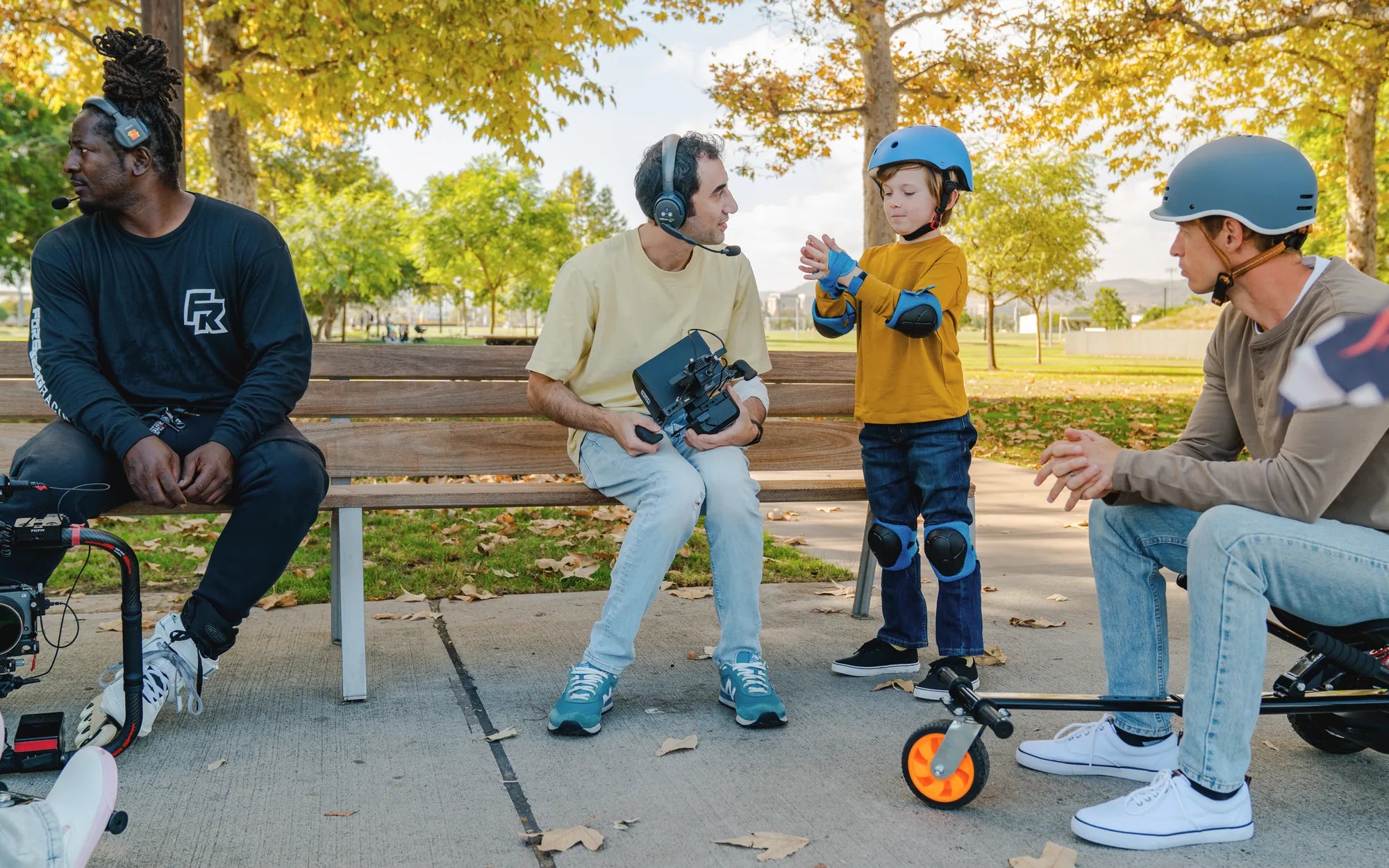
Families with children aged 8-12 (with close supervision) form a significant portion of the consumer base. This segment primarily views the hoverboard as a shared family activity for parks, sidewalks, and driveway fun. The purchase is often motivated by a desire for outdoor, screen-free entertainment that both kids and parents can enjoy.
Safety is the non-negotiable top priority for this demographic. Features like robust beginner modes with speed limiting, durable shells that can withstand drops, and water resistance for peace of mind are key selling points. The hoverboard target market here expands to include multiple units for siblings, making affordability and warranty terms important secondary factors. Brands that offer clear safety assurances and family-friendly designs effectively capture this loyal segment.
Key Market Trends Driving Hoverboard Adoption in 2024
The evolution of the hoverboard target market is being propelled by several interconnected trends. These are not just minor product improvements but fundamental shifts in how hoverboards are engineered, perceived, and utilized by consumers.
The Shift from Toy to Tool: Enhanced Performance & Range
The single most significant trend is the repositioning of hoverboards from novelty items to practical micro-mobility devices. Early models struggled with range, power, and reliability. Today's leading models feature dual motors with a combined 500W to 800W of power, enabling them to tackle moderate hills and provide a smoother ride. Battery technology has improved dramatically, with many premium models offering real-world ranges of 10-15 miles on a single charge.
This performance leap directly attracts the urban commuter and older user demographics. When a hoverboard can reliably transport an adult 5 miles to work and back, it transitions into a legitimate tool. Enhanced suspension systems, larger wheels (8.5-10 inches), and better weight distribution further contribute to this trend, making rides more comfortable and stable for utilitarian purposes.
Safety First: How UL Certification and Build Quality Redefined the Market
The shadow of early battery safety issues fundamentally reshaped the hoverboard target market. The introduction and widespread adoption of the UL 2272 safety standard became the industry's watershed moment. This certification, which tests the entire electrical system for fire and electrical hazards, separated reputable brands from risky knockoffs.
Consumers, especially parents and commuters, now actively seek out this certification. It has become the primary filter in the purchase decision. Brands like Gyroor, which build all models with UL-certified battery packs tested for over 500 charge cycles, have rebuilt trust. This focus on safety extends to physical build quality—IPX5 water-resistant designs to handle puddles, reinforced frames, and fire-retardant materials. This trend didn't just improve products; it legitimized the entire category for a cautious mainstream audience.
The Integration of Smart Tech and App Connectivity
To appeal to a tech-native hoverboard target market, manufacturers have deeply integrated smart features. Bluetooth connectivity with dedicated smartphone apps is now common on mid-tier and premium models. These apps allow users to lock their board, monitor battery life in real-time, adjust performance settings (like top speed and acceleration curves), control RGB LED light patterns, and even receive firmware updates.
This trend serves multiple demographics. It gives parents granular control over their child's riding experience (e.g., setting a permanent speed limit). It provides commuters with valuable trip data. For teens and young adults, it adds a layer of customization and digital interaction that enhances the product's appeal. This connectivity positions the hoverboard as a modern, intelligent device rather than a simple piece of sporting equipment.
Data-Driven Insights: Usage Patterns and Purchase Motivations
Beyond demographics and trends, understanding the "why" behind purchases reveals the nuanced drivers of the hoverboard target market. Surveys and sales data point to clear patterns in how these devices are used and what factors guide consumer choice.
Primary Use Cases: Recreation vs. Transportation
Market analysis suggests a roughly 60/40 split in primary intent at the time of purchase, favoring recreation. However, the lines are blurring. For the Family/Teen demographic, the primary use case is overwhelmingly recreational fun, social activity, and skill development. For the Urban Commuter demographic, the primary use is unequivocally transportation, often for specific, regular trips.
Interestingly, a significant secondary use pattern emerges: many buyers who purchase for recreation discover utilitarian benefits, like quickly running to a neighborhood store. Conversely, commuters often report using their boards for fun on weekends. This duality increases the product's perceived value and strengthens its position in the household.
The Decision Matrix: What Buyers Prioritize
When analyzing the hoverboard target market, a clear hierarchy of purchase drivers emerges. This matrix explains why certain brands and models succeed.
- Safety Certifications (UL 2272): The absolute prerequisite. Without it, a model is eliminated from consideration by informed buyers.
- Battery Life & Range: Directly tied to utility. Consumers seek a range that exceeds their longest expected single trip to avoid anxiety.
- Build Quality & Durability: Encompasses water resistance rating, wheel quality, and overall sturdiness. This is a reflection of the desire for a long-term investment.
- Price & Value: While important, price is often weighed against the previous three factors. Consumers show willingness to pay a premium for certified safety and proven durability.
- Performance Features: Top speed (typically capped at 10-12 mph for safety), hill-climb grade, and motor power are performance differentiators within the pool of models that pass the safety and quality filters.
Brands that align their value proposition with this matrix capture market share. For instance, Gyroor's emphasis on UL-certified batteries, IPX5 water resistance, and a reliable 1-year warranty directly addresses the top three priorities of the modern hoverboard target market.
Comparative Analysis: Hoverboards in the Micro-Mobility Ecosystem
To fully understand the hoverboard target market, it must be contextualized within the broader landscape of personal electric vehicles. Each device occupies a specific niche based on performance, portability, and use case.
| Feature | Hoverboard | Electric Kick Scooter | Electric Bike |
|---|---|---|---|
| Primary Strength | Ultra-Portability & Fun Factor | Speed & Stability for Commuting | Range & Exercise Hybrid |
| Learning Curve | Moderate to High (Balance) | Low (Intuitive) | Very Low (Like a bicycle) |
| Max Practical Speed | 10-12 mph | 15-20 mph | 20-28 mph |
| Portability | Excellent (Light, compact) | Good (Folding models) | Poor (Large, heavy) |
| Ideal Use Case | Short trips, last-mile, recreation | Medium-length urban commutes | Longer commutes, hilly areas, cargo |
| Storage Footprint | Very Small | Moderate | Large |
This comparison clarifies the hoverboard's unique value proposition: it is the most portable and storage-friendly option, supreme for scenarios where the rider must carry the device frequently (e.g., onto public transit, into an office, or up stairs). It wins on "fun" perception but concedes on speed and stability to e-scooters and e-bikes. The hoverboard target market, therefore, consists of users for whom extreme portability and recreation are higher priorities than maximum speed or longest range.
The Competitive Landscape and Future Market Outlook
The hoverboard market has consolidated around brands that survived the early safety reckoning. The future is not about explosive, fad-driven growth but steady expansion into new niches and continued integration into urban mobility plans.
Hoverboards vs. E-Scooters and E-Bikes: Niche Coexistence
Rather than outright competition, a state of niche coexistence is developing. The broader hoverboard target market exists within a larger PEV ecosystem. A household might own an e-bike for longer errands, an e-scooter for a primary commute, and a hoverboard for a teenager or for quick recreational outings. Each device solves a slightly different problem. The hoverboard's enduring appeal lies in its unique form factor and riding experience, which is not replicated by standing on a scooter deck or pedaling a bike.
Emerging Trends: All-Terrain Models and Niche Segments
Innovation continues to carve out new sub-segments within the hoverboard target market. All-terrain models with 10-inch inflatable tires and enhanced torque are gaining popularity. These appeal to adventure-seeking users who want to ride on grass, dirt paths, or gravel, expanding the device's use beyond paved surfaces. This opens up a new demographic: outdoor enthusiasts and those living in areas with poor pavement.
Another emerging niche is light commercial use. Security personnel on large campuses, warehouse workers, or event staff covering big areas are beginning to adopt heavy-duty hoverboards for their maneuverability and small footprint. While small, this segment represents a move into B2B applications.
Sustainability and Urban Planning: The Micro-Mobility Factor
The macro-trend toward sustainable, compact urban living benefits the entire hoverboard target market. As cities reduce car dependency and promote micro-mobility through infrastructure like bike lanes and traffic calming, all PEVs stand to gain. Hoverboards, with their zero direct emissions and tiny physical footprint, fit perfectly into the vision of the 15-minute city. This external tailwind, driven by environmental policy and urban design, provides a stable foundation for long-term market growth beyond cyclical consumer trends.
Frequently Asked Questions (FAQ)
Are hoverboards still popular?
Yes, but their popularity has matured. They are no longer a fleeting fad but have settled into a stable niche within the personal electric vehicle market. Sales are driven by clear demographics—families, teens, and urban commuters—seeking certified-safe, well-built models for specific use cases, not just novelty.
What is the most important safety feature to look for?
Without question, look for the UL 2272 safety certification mark. This independent testing standard verifies the entire electrical system, including the battery, charger, and circuitry, is safe from fire and electrical shock hazards. Never purchase a hoverboard without this certification.
What age is appropriate for a hoverboard?
Most manufacturers recommend hoverboards for riders aged 8 and up, with the critical caveat of close adult supervision for younger riders. The appropriate age depends more on the child's size, coordination, and ability to follow safety instructions. Regardless of age, a helmet, knee pads, and elbow pads are non-negotiable safety gear.
Can hoverboards be used for daily commuting?
Absolutely, and this is a growing use case. For commutes under 5 miles each way, especially when combined with public transit, a modern hoverboard with a 10+ mile range is a viable tool. Key factors for commuters are range, reliability, water resistance (for puddles), and portability to carry into the office.
How does Gyroor ensure product reliability and safety?
Gyroor ensures reliability and safety through a multi-layered approach. First, all battery packs are UL-certified and undergo rigorous testing for over 500 charge cycles. Second, their designs feature IPX5 water resistance to protect against everyday elements. Third, they back their products with a comprehensive 1-year warranty, reflecting confidence in their build quality and component durability, a standard developed across their range of electric scooters and e-bikes.
Conclusion: A Matured Market with Defined and Growing Appeal
The hoverboard target market has successfully navigated its early challenges to emerge as a defined and rational segment of the micro-mobility industry. It is no longer a monolithic group of teenagers but a collection of distinct demographics—urban commuters, students, and families—each with specific needs met by modern, safety-focused engineering. The trends are clear: performance has elevated the device from toy to tool, stringent safety certifications have rebuilt essential trust, and smart features have enhanced its appeal. For those seeking an ultra-portable, fun, and practical solution for short trips or recreation, today's hoverboards, built to standards exemplified by brands like Gyroor, represent a smart and viable choice. Explore how a modern, safety-engineered hoverboard can fit your lifestyle.
Ready to find a hoverboard that matches the serious standards of today's market? Browse the full Gyroor collection, featuring UL-certified safety and robust designs, at gyroorboard.com.
How to Take a Kids Scooter Apart for Travel: The Complete Guide
Kids Scooter 7+: The Ultimate Guide to Choosing the Perfect Ride for Your Child