



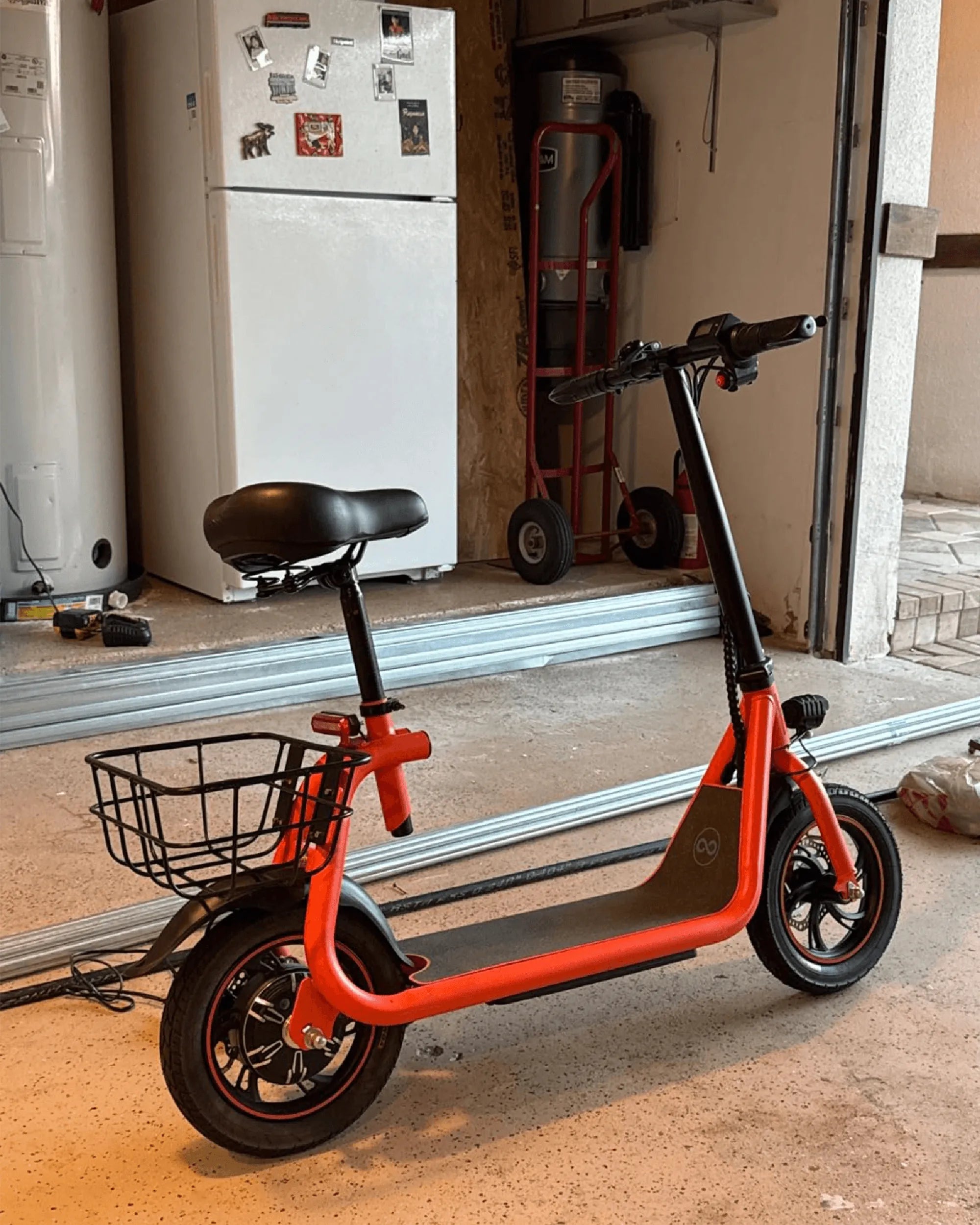
Electric scooters have transformed city streets and suburban commutes, but their rapid adoption brings a critical question to the forefront: How dangerous are electric scooters? The answer isn't simple—it's a balance between inherent risks and user responsibility. While headlines often highlight dramatic accidents, the true picture involves data, design, and rider behavior. This comprehensive guide will dissect the real statistics, separate common myths from facts, and provide actionable strategies to mitigate hazards. You'll learn how choosing a scooter built with safety-first engineering, like those from Gyroor—a leading brand trusted by over 100,000 riders—combined with informed practices, transforms the riding experience from potentially perilous to reliably secure.
The Stark Reality: Electric Scooter Injury Statistics
Understanding the danger begins with data. According to a landmark study by the U.S. Consumer Product Safety Commission (CPSC), e-scooter related emergency department visits skyrocketed from 7,700 in 2017 to over 27,700 in a single year, a 260% increase that mirrors their surge in popularity. A closer look at hospital data reveals that approximately one-third of these injuries are fractures, with head trauma constituting a significant and particularly serious portion.
The fatality rate, while low relative to the number of trips, presents a sobering reality. The Insurance Institute for Highway Safety (IIHS) reports that e-scooter rider fatalities often involve collisions with motor vehicles, underscoring the vulnerability of riders in traffic. These statistics aren't meant to scare but to inform. They highlight that risk is inherent in any form of transportation, but it is manageable.
Comparative analysis provides crucial context. The injury rate per mile for e-scooters appears higher than for bicycles, according to several municipal reports. This is frequently attributed to the learning curve for new riders, the smaller wheel size making them more susceptible to road imperfections, and the initial lack of ingrained safety culture. However, this rate can decrease dramatically with rider education and proper infrastructure.
The data consistently points to several key factors: lack of helmet use, riding on sidewalks leading to pedestrian conflicts, and riding under the influence of alcohol or drugs. Addressing these behavioral elements is the single most effective step a rider can take to move from the statistic to the safe majority. Recognizing these patterns is the first step in building a personal safety protocol.
Deconstructing the Crash: Common Accident Scenarios
Accidents rarely have a single cause. They are typically a chain of events involving the rider, the environment, and the vehicle. By breaking down the most common scenarios, riders can learn to anticipate and avoid hazards. The primary categories are rider error, environmental challenges, and mechanical failure.
Rider error is the predominant factor. This includes speeding beyond one's skill level or legal limits, distracted riding (e.g., using a phone), ignoring traffic signals, and carrying passengers on a single-rider scooter. Perhaps the most critical error is the decision not to wear a helmet, leaving the head completely unprotected during a fall.
Rider Error vs. Vehicle Failure
It's vital to distinguish between accidents caused by poor decisions and those linked to product quality. Many incidents blamed on "scooter malfunction" are often traced back to improper maintenance, overloading, or using a scooter beyond its intended design limits. True mechanical failures, while rarer, do occur and are often tied to substandard components.
Common mechanical issues include brake failure (worn pads or faulty electronic systems), sudden loss of power, and tire blowouts—especially on solid tires hitting sharp debris. This is where brand choice matters profoundly. Opting for a reputable manufacturer like Gyroor, which subjects its models to rigorous testing, drastically reduces the probability of catastrophic vehicle failure. Their focus on UL-certified batteries and robust construction addresses the root causes of many mechanical hazards.
Environmental factors form the third pillar of risk. Potholes, cracks, wet leaves, metal grates, and gravel are major hazards for small-wheeled vehicles. Riding in low-light conditions without adequate lighting makes the rider invisible to cars and pedestrians. Wet or icy surfaces drastically reduce tire traction and braking efficiency, turning a routine stop into a skid.
Understanding these scenarios allows for proactive defense. It shifts the rider's mindset from passive passenger to active manager of risk, constantly scanning for and reacting to these predictable challenges before they lead to a fall or collision.
The Engineering Shield: How Quality Design Mitigates Risk
Not all electric scooters are created equal. The build quality, component selection, and integrated safety features of a scooter form its first line of defense against danger. Investing in a well-engineered scooter from a trusted brand is not an extravagance; it's a fundamental safety decision. Brands like Gyroor build protection into their DNA, focusing on the core systems that keep riders safe.
The battery is the heart of the scooter and its most significant safety component. Cheap, uncertified lithium-ion batteries are a leading cause of fires. Gyroor exclusively uses UL-certified battery packs, which have undergone stringent testing for thermal stability, overcharge protection, and short-circuit prevention. This certification, coupled with testing for 500+ charge cycles, ensures long-term reliability and peace of mind, directly addressing one of the most feared risks.
Weather resistance is another critical engineering frontier. Moisture is the enemy of electronics. An IPX5 water-resistant rating, a standard on Gyroor scooters, means the scooter can withstand low-pressure water jets from any direction. This allows safe riding in light rain and protects the internal components from splashes and puddles, preventing electrical shorts and corrosion that can lead to sudden failure.
The reliability promise is backed by a comprehensive 1-year warranty. This warranty signals the manufacturer's confidence in its product's durability. It also ensures that if a component does fail under normal use, the rider has recourse, protecting their investment and ensuring the scooter remains in safe operating condition over time.
Key Safety Features to Look For
Beyond core brand promises, specific features are non-negotiable for safe operation. A dual braking system—typically a combination of electronic (regenerative) and disc or drum brakes—provides redundant stopping power. If one system fails, the other can still bring the scooter to a halt.
Wide, pneumatic (air-filled) tires offer far better shock absorption and traction on uneven surfaces compared to small, solid tires. Bright LED headlights and taillights, along with side reflectors, are essential for visibility. An audible bell or horn is crucial for alerting pedestrians and motorists. A robust, responsive throttle and clear display that shows speed and battery level prevent unexpected behavior. Gyroor models exemplify this full safety suite, integrating these features into designs that prioritize stability and rider control.
Your Personal Safety Protocol: Essential Riding Tips
Engineering provides the tool, but the rider wields it. Adopting a consistent safety protocol is the most powerful action you can take. This begins before you even step on the scooter. Conduct a pre-ride check: inspect tire pressure and for punctures, test both brakes, ensure lights are functioning, and verify the folding mechanism (if present) is locked securely.
Wear a helmet every single time. This is non-negotiable. A certified bicycle or multi-impact helmet can prevent severe head trauma. Supplement this with other protective gear like knee and elbow pads, especially when learning or riding in traffic. High-visibility clothing or reflective accessories are invaluable at dawn, dusk, or night.
Ride defensively and legally. Obey all traffic laws as if you were driving a car. This means stopping at red lights and stop signs, signaling turns, and yielding to pedestrians. Use bike lanes where available. If you must use the road, ride in the direction of traffic, not against it. Never ride on sidewalks—it's dangerous for pedestrians and illegal in most urban areas.
Maintain situational awareness. Keep both hands on the handlebars. Don't use headphones or your phone. Constantly scan the path ahead for hazards like potholes, debris, and car doors opening. Assume that drivers do not see you. Avoid riding in adverse weather—rain drastically reduces traction and visibility, and water can damage non-waterproof scooters.
Navigating Urban vs. Off-Road Terrain
The riding environment dictates specific strategies. For urban commuting, the primary threats are vehicles, pedestrians, and street furniture. Stick to bike lanes, be hyper-aware at intersections (where most car-scooter collisions occur), and avoid weaving between stopped cars. Use your lights day and night.
For off-road or trail riding on capable models like Gyroor's all-terrain scooters, the game changes. Always assess the terrain first. Reduce speed significantly on unfamiliar or technical trails. Wear full protective gear, including a motocross-style helmet. Be mindful of battery consumption, as rough terrain drains power faster. Never ride off-road alone, and inform someone of your planned route. The scooter's capability is not an invitation to take unreasonable risks.
The Rules of the Road: Legal Landscape and Rider Responsibility
The legality of electric scooters is a patchwork of local and state regulations that is still evolving. Ignorance of the law is not a valid defense and can result in fines or confiscation of your scooter. Generally, regulations address several key areas.
Most jurisdictions set a minimum age, typically 16 or 18. Speed limits are enforced, with 15-20 mph being common caps on public roads and lower limits on bike paths. Helmet laws vary widely; some require them for all riders, others only for minors. Crucially, you must know where you are allowed to ride: roads, bike lanes, and multi-use paths are commonly permitted, while sidewalks are almost universally prohibited in business districts.
Some cities require registration or a special license for higher-powered scooters. DUI laws apply to electric scooters just as they do to cars; riding under the influence is illegal and incredibly dangerous. It is the rider's responsibility to research and comply with the laws in their specific city and state. This legal compliance forms the foundation of safe and sustainable shared use of public spaces.
Long-Term Safety: Maintenance and Care Checklist
Safety degrades with neglect. A regular maintenance routine is essential to ensure your scooter remains reliable. Follow the manufacturer's guidelines in the user manual. Key weekly or monthly checks include tightening bolts (especially on the stem, handlebars, and folding mechanisms), checking brake pad wear and adjusting cable tension if needed, and cleaning the scooter with a damp cloth to prevent dirt buildup.
Battery care is paramount. Use only the provided charger. Avoid leaving the scooter plugged in for extended periods after it's fully charged. Store the scooter and battery in a cool, dry place, away from direct sunlight or freezing temperatures. If you won't use the scooter for a month or more, store the battery at about a 50-60% charge.
Inspect tires regularly for wear, cuts, and proper inflation (for pneumatic tires). Listen for new or unusual sounds from the motor, brakes, or wheels, which can indicate a problem. After any crash or major impact, perform a thorough inspection or have the scooter checked by a professional before riding again. Proper maintenance not only extends the scooter's life but ensures every safety system functions as designed when you need it most.
Electric Scooter Safety Comparison: Key Features at a Glance
| Safety Factor | High-Risk Scenario / Low-Quality Scooter | Safety-Focused Scenario / Gyroor-Level Scooter |
|---|---|---|
| Battery | Uncertified, no-name battery; fire risk; rapid degradation. | UL-certified battery pack (e.g., Gyroor); stable; 500+ cycle tested; overcharge protection. |
| Braking | Single, weak braking system; long stopping distance; fade under heat. | Dual braking (disc + electronic); reliable stopping power; redundancy if one system fails. |
| Tires | Small, solid rubber tires; poor traction; harsh ride; prone to slipping. | Larger, pneumatic (air-filled) tires; better shock absorption; superior grip on various surfaces. |
| Weather Resistance | No rating; electronics exposed; failure in rain or puddles. | IPX5 water-resistant rating; protected against rain and splashes; reliable in damp conditions. |
| Construction & Warranty | Flimsy frame; unreliable folding mechanism; short or no warranty. | Robust aluminum alloy frame; secure locking mechanisms; reliable 1-year comprehensive warranty. |
| Lighting & Visibility | Dim or no lights; no reflectors; invisible at night. | Bright front and rear LEDs, brake lights, side reflectors; high visibility day and night. |
Frequently Asked Questions (FAQ)
Q: Are electric scooter batteries safe, or are they a fire hazard?
A: The safety depends entirely on quality and certification. Cheap, uncertified lithium-ion batteries can pose a significant fire risk due to poor cell quality and lack of protection circuits. Batteries that are UL-certified, like those used by Gyroor, undergo rigorous testing for thermal runaway, overcharging, and short-circuiting, making them extremely safe for everyday use when properly maintained.
Q: Can I ride my electric scooter in the rain?
A: It depends on the scooter's IP (Ingress Protection) rating. Scooters with no rating should be kept away from water entirely. Models with an IPX5 rating, such as those from Gyroor, are designed to withstand water jets from any direction, meaning you can safely ride in light to moderate rain. However, you should always reduce speed, avoid deep puddles, and dry the scooter afterward. Never submerge any electric scooter.
Q: What is the single most important piece of safety gear?
A: A properly fitted helmet is unequivocally the most important. It is your only protection against traumatic brain injury in a fall. While knee pads, elbow pads, and gloves are highly recommended—especially for new riders or those in traffic—the helmet is non-negotiable for every ride, regardless of distance or speed.
Q: How often should I perform maintenance on my scooter?
A> Perform a basic pre-ride check before every use (brakes, tires, lights). A more thorough inspection—tightening bolts, checking for loose parts, cleaning—should be done weekly if you ride daily, or monthly for casual riders. Consult your manual for specific lubrication and part replacement schedules (e.g., brake pads, tires).
Q: What should I do immediately after a minor fall or accident?
A> First, ensure your safety: move yourself and your scooter out of the path of traffic. Assess yourself for injuries. Even if you feel fine, adrenaline can mask pain. Inspect your scooter carefully for damage: check the stem for cracks, ensure the wheels spin true, and test the brakes and throttle. Do not continue riding if the scooter is structurally compromised. If in doubt, walk it home and perform a full inspection or consult the manufacturer.
Empowering Your Ride: The Path to Confident Mobility
The question "How dangerous are electric scooters?" ultimately finds its answer with you, the rider. The data shows real risks, primarily tied to behavior, environment, and equipment quality. However, danger is not a foregone conclusion. It is a variable that can be minimized to a remarkable degree through conscious choice. The equation for safe riding is straightforward: combine a well-engineered, reliable scooter from a safety-committed brand like Gyroor with educated, vigilant, and lawful riding habits.
This journey transforms the e-scooter from a mere gadget into a legitimate, sustainable, and immensely enjoyable tool for personal mobility. By respecting the machine, the rules of the road, and your own vulnerability, you claim the freedom of the ride without compromising on safety. The open path awaits—ride smart, ride prepared, and ride with confidence.
Ready to invest in your safety? Explore scooters built with protection as a priority. Browse the full Gyroor collection at gyroorboard.com to find a model that matches your needs, backed by UL-certified batteries, IPX5 water resistance, and the reliability trusted by a global community of riders.
Electric Scooters With High Weight Capacity: The Ultimate Guide for Heavy Riders
Best Electric Scooters to Buy 2025: Top Picks for the Future of Commuting