

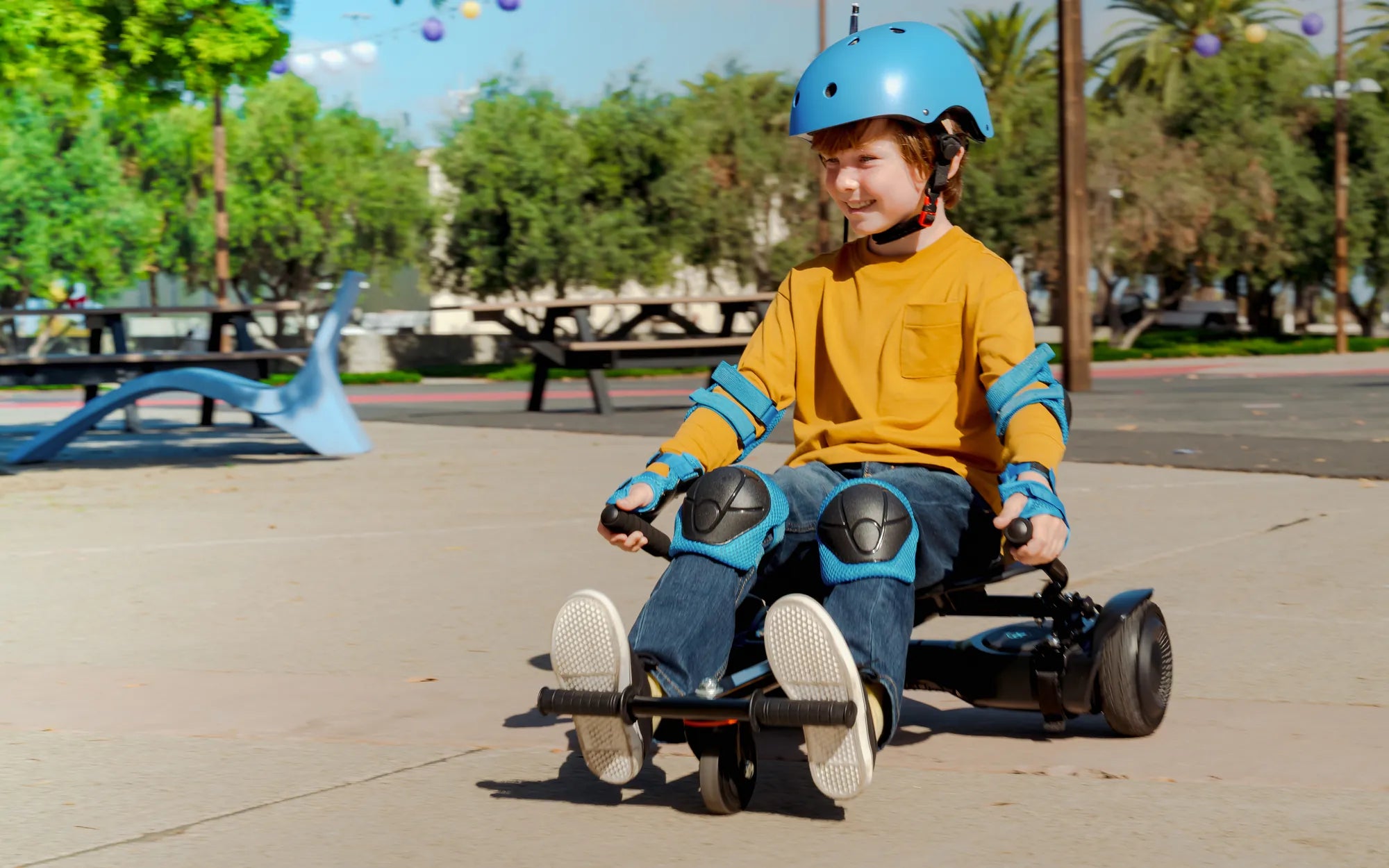
Hoverboards may look like futuristic fun, but beneath their sleek design lies a host of potential dangers. From explosive batteries to unexpected wipeouts, these self-balancing scooters have sparked safety concerns worldwide. If you or someone you know rides a hoverboard, understanding the risks could be the difference between a thrilling ride and a trip to the emergency room.
The Hidden Dangers of Hoverboards
Hoverboards gained massive popularity, but their safety issues quickly became apparent. Reports of fires, falls, and malfunctions have raised serious questions about their risks. Here are the most common hazards associated with hoverboards:
1. Fire and Explosion Risks
One of the most alarming dangers of hoverboards is their potential to catch fire or explode. Poor-quality lithium-ion batteries, often found in cheaper models, can overheat and ignite. In some cases, hoverboards have burst into flames while charging or even during use. These incidents have led to property damage, injuries, and even recalls.
2. Falls and Injuries
Hoverboards require balance and coordination, and losing control is easier than it seems. Sudden stops, uneven terrain, or simple user error can lead to falls, resulting in broken bones, sprains, or head injuries. Children and inexperienced riders are particularly vulnerable.
3. Malfunctions and Sudden Stops
Technical glitches can cause hoverboards to stop abruptly or behave unpredictably. A sudden loss of power or an unexpected speed boost can throw riders off balance, increasing the risk of accidents.
Who Is Most at Risk?
While anyone can be injured on a hoverboard, certain groups face higher risks:
- Children and Teens: Younger riders may lack the coordination or judgment to handle sudden movements.
- Inexperienced Users: First-time riders are more likely to lose balance and fall.
- Those Riding Without Safety Gear: Helmets, knee pads, and wrist guards can prevent serious injuries.
How to Stay Safe on a Hoverboard
Despite the risks, many people enjoy hoverboards safely by following these precautions:
1. Choose a Certified Model
Look for hoverboards that meet safety standards, such as UL 2272 certification, which ensures the battery and electrical systems are tested for fire and shock risks.
2. Wear Protective Gear
Always wear a helmet, knee pads, and elbow pads to minimize injury in case of a fall.
3. Practice in a Safe Area
Start in a flat, open space away from traffic, obstacles, or uneven surfaces. Avoid riding near stairs or bodies of water.
4. Supervise Young Riders
Children should only use hoverboards under adult supervision to prevent reckless behavior.
5. Avoid Overcharging
Never leave a hoverboard charging unattended or overnight, as overcharging can increase fire risks.
Are Hoverboards Worth the Risk?
While hoverboards offer entertainment and convenience, their dangers shouldn’t be ignored. By understanding the risks and taking proper safety measures, riders can enjoy them more safely. However, those with balance issues or young children may want to consider alternative transportation options.
Hoverboards might seem like harmless fun, but the stakes are higher than many realize. From fiery malfunctions to painful falls, the risks are real—but with the right precautions, you can ride smarter and safer. Don’t let excitement override caution; knowing the dangers could save you from a dangerous mishap.
48V Hoverboard Battery: The Ultimate Guide to Power and Performance
Cheap Good Quality Hoverboards: The Ultimate Guide to Affordable Rides