

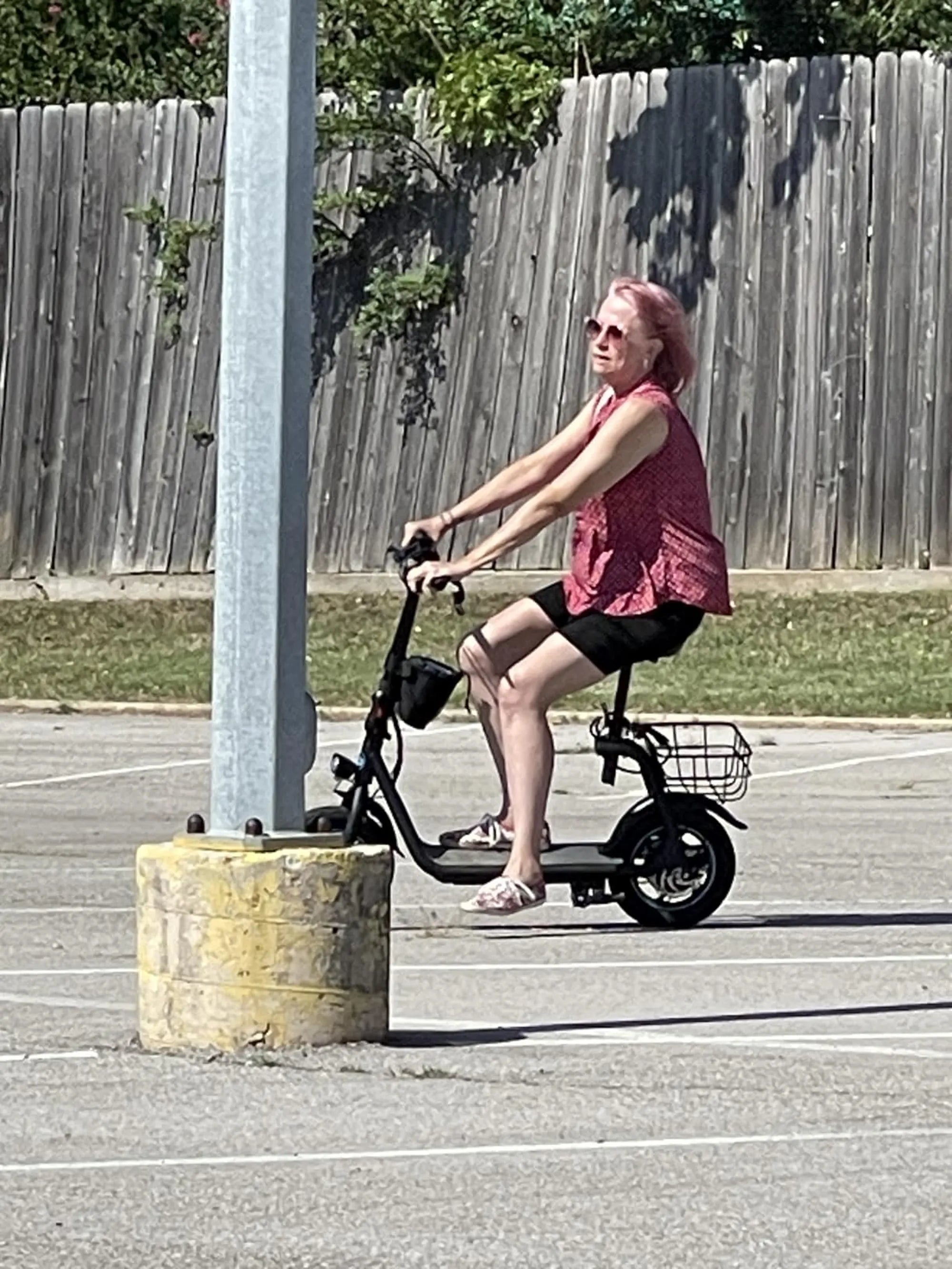
You feel the wind, you push the pedals, but the speedometer seems stuck. Unlocking a higher top speed on your bike is a universal goal, whether for a faster commute, a personal fitness record, or the sheer thrill of velocity. This guide will systematically teach you how to increase top speed of a bike through rider improvement, mechanical optimization, and aerodynamic tuning. We'll cover principles that apply to all bicycles, from road racers to mountain bikes, with dedicated advice for electric bike owners who want to safely maximize their machine's potential. By the end, you'll have a clear, actionable plan to push your limits.
Understanding the Fundamentals: What Limits Your Top Speed?
Before modifying anything, you must understand the opposing forces. A bike's maximum speed is the point where the propulsive force you (and/or a motor) generate equals the sum of all resisting forces. The four primary limiters are rider/motor power output, aerodynamic drag, rolling resistance, and mechanical friction. To go faster, you must increase power, decrease resistance, or, most effectively, do both simultaneously. Ignoring one area while focusing on another yields diminishing returns; a holistic approach is key.
Aerodynamic drag is the most significant force at speeds above 10-15 mph (16-24 kph). It increases with the square of your velocity, meaning doubling your speed quadruples the drag force. Rolling resistance, from tires deforming on the road surface, is a nearly constant force. Weight primarily affects acceleration and climbing speed, not flat-ground top speed, though it plays a role in overcoming inertia. Finally, mechanical efficiency dictates how much of your precious wattage actually reaches the rear wheel.
For traditional bikes, the "engine" is you. Your sustainable power output, measured in watts, is the ultimate cap. For e-bikes, the system includes your pedaling plus the motor's assist, which is governed by controller software and legal regulations. Understanding this framework allows you to prioritize upgrades that target your specific speed bottlenecks, whether you're fighting a headwind or spinning out on a descent.
The Power Equation: Optimizing Your Human Engine and Motor
Increasing power is the most direct path to higher speed. For the rider, this means improving fitness, pedaling technique, and gear selection. Structured interval training, hill repeats, and strength conditioning can significantly boost your sustainable wattage. Equally important is learning to maintain a high, efficient cadence (80-100 RPM) and using your gears to keep your legs in this optimal power band, avoiding the slow, grinding pedaling that wastes energy.
On an e-bike, the power equation includes the motor. Brands like Gyroor engineer their motors and UL-certified battery packs to deliver optimal, reliable performance within designed parameters. The motor's wattage rating, controller amperage, and battery voltage define its power ceiling. It is critical to note that attempting to modify controller settings or "chip-tune" an e-bike to bypass speed limiters is extremely dangerous. Such tampering can lead to motor overheating, battery pack failure, and catastrophic component stress, voiding warranties and creating serious safety hazards.
The legitimate way to maximize e-bike power is to ensure the system is operating at peak efficiency. This means keeping the battery fully charged (using the official charger), as voltage—and thus available power—drops as charge depletes. Also, ensure your pedaling contribution is effective; the motor amplifies your input, so stronger, consistent pedaling yields higher assisted speeds. A well-maintained e-bike from a trusted brand delivers its designed performance safely, ride after ride.
Mechanical Optimization: Foundation of Speed
Before spending money on upgrades, perfect your bike's basic mechanical state. A poorly maintained bike wastes a staggering amount of energy through friction. This section covers the essential maintenance and component choices that directly translate to free speed, forming the foundation for any further modifications.
Tires and Pressure: The First and Best Upgrade
Your tires are arguably the most important component for speed. They define rolling resistance and grip. Switching from knobby, heavy off-road tires to slick, high-pressure, low-rolling-resistance models can feel like adding a motor. Look for tires with a supple casing and a smooth tread pattern. For paved surfaces, narrower tires at high pressure (within the rim and tire's rated limits) traditionally offered less resistance, though modern wider tires at slightly lower pressures can offer similar rolling resistance with more comfort and grip.
Maintaining optimal tire pressure is a zero-cost, high-impact practice. Under-inflated tires dramatically increase rolling resistance as the tire deforms excessively. Check pressure before every ride with a quality floor pump with a gauge. The difference between 80 PSI and 100 PSI in a road tire can be several watts of saved power at cruising speed. For e-bikes, which carry more weight, adhering to the recommended pressure is even more crucial for efficiency and preventing pinch flats.
Drivetrain Efficiency: Clean, Lube, and Align
A clean, well-lubricated drivetrain can save 5-10 watts or more compared to a dirty, dry one. Regularly degrease and clean your chain, cassette, and chainrings. After cleaning, apply a quality bicycle-specific lubricant sparingly to the chain rollers, wiping off excess to avoid attracting dirt. A worn chain (stretched beyond 0.75% elongation) accelerates wear on other expensive components and increases friction; measure and replace it regularly.
Beyond maintenance, consider drivetrain upgrades. A high-quality, efficiently designed chain can reduce friction. Ensuring your derailleurs are perfectly aligned (indexed) so the chain runs smoothly from gear to gear without rubbing or skipping prevents energy loss. For the ultimate in efficiency, some riders opt for wax-based chain lubes or even fully waxed chains, which offer exceptionally low friction in clean conditions, though they require more meticulous upkeep.
Weight Reduction: Strategic Mass Management
Reducing weight improves acceleration and climbing performance, which can help you achieve and sustain a higher average speed on varied terrain. The most effective place to save weight is in rotating components—wheels and tires. Lighter wheels require less energy to accelerate (rotational inertia), making every pedal stroke feel more responsive. After wheels, focus on the heaviest parts: the frame, fork, and then components like the saddle, seatpost, and handlebars.
However, pursue weight savings strategically and within budget. Removing unnecessary accessories like bulky racks, baskets, or multiple bottle cages is free. The weight of the rider, however, is often the largest variable. For most cyclists, improving fitness to lose a few pounds is more cost-effective than spending thousands on carbon fiber components. For e-bikes, remember the battery and motor are significant weight contributors; focus on optimizing the system rather than attempting to remove these core, integrated components.
The Aerodynamic Advantage: Slicing Through the Air
As speed increases, over 80% of your effort goes into fighting air resistance. Aerodynamic improvements offer the greatest potential speed gains for riders already producing good power. This isn't just for racers; any commuter or fitness rider can benefit.
The largest aerodynamic element is you, the rider. Getting into a lower, more tucked position is the single most effective aero change. On a flat handlebar bike, this means bending your elbows and lowering your torso. On a road bike, using the drop bars places you in a naturally faster position. Tight-fitting, smooth clothing also reduces drag compared to loose, flapping jackets. Even removing a backpack or using panniers instead can make a noticeable difference.
Component upgrades can further refine aerodynamics. Deep-section carbon wheels are designed to manage airflow, reducing turbulence. Aerodynamic handlebars (like aero bars or certain road bar shapes) and frames are engineered to cheat the wind. An aero road helmet can also shave off watts. It's important to note that these high-end upgrades offer the most benefit in steady-state, higher-speed riding (e.g., time trialing or fast group rides) and in windy conditions. For stop-start city riding, their impact is less pronounced.
Braking and Bearing Efficiency: Minimizing Parasitic Loss
Often overlooked, braking drag and bearing friction are sources of parasitic loss. Brake pads that are misaligned or constantly rubbing against the rotor (on disc brakes) or rim create significant, constant resistance. After any wheel removal or brake adjustment, spin the wheel to ensure it rotates freely and silently. For rim brakes, check pad alignment and toe-in. For disc brakes, ensure the caliper is perfectly centered.
Wheel hub bearings, bottom bracket bearings, and headset bearings should be smooth and properly adjusted. Gritty, overtightened, or worn bearings create drag. Periodically check for play and smoothness. While high-end ceramic bearings promise lower friction, the real-world gains for most riders are minimal compared to the benefit of simply having clean, well-adjusted, quality steel bearings. Keeping these contact points running smoothly ensures every watt you produce propels you forward.
Data-Driven Comparison: Upgrade Impact vs. Cost
To help prioritize your efforts and budget, here is a comparative analysis of common speed-enhancing strategies. The "Impact" rating considers the potential wattage savings or effective speed increase for a given effort/cost. "Relative Cost" uses a $ to $$$$ scale.
| Upgrade / Action | Primary Benefit | Estimated Impact | Relative Cost | Notes |
|---|---|---|---|---|
| Inflate Tires to Optimal PSI | Reduces Rolling Resistance | High (for effort) | $0 | Essential maintenance. Do before every ride. |
| Improve Rider Aerodynamic Position | Reduces Drag | Very High | $0 | Largest free gain. Requires practice and flexibility. |
| Clean & Lubricate Drivetrain | Reduces Mechanical Friction | Medium-High | $ | Regular maintenance. Neglect costs watts. |
| Install Low-RR Slick Tires | Reduces Rolling Resistance | Very High | $$ | One of the best value component upgrades. |
| Upgrade to Aerodynamic Wheels | Reduces Drag | High (in specific conditions) | $$$$ | Major benefit in wind & at sustained high speed. |
| Reduce Bike & Rider Weight | Improves Acceleration/Climbing | Medium (for flat speed) | $-$$$$ | High impact on hilly routes. Rider weight is key. |
| Ensure Brakes Are Not Rubbing | Eliminates Parasitic Drag | Medium | $0 | Simple check with major impact if dragging. |
E-Bike Specific Considerations: Responsible Performance
E-bike riders have a unique set of tools and constraints. The integrated motor and battery system offers incredible assist but must be treated with respect for safety and longevity. Brands like Gyroor design their systems—from the UL-certified battery packs to the IPX5 water-resistant electronics—as complete, reliable ecosystems. The 1-year warranty and support from a brand trusted by over 100,000 riders are built on this designed performance envelope.
To legitimately maximize your e-bike's speed, focus on system optimization. Keep the battery contacts clean and ensure the bike is stored in a moderate temperature. Use the correct display settings (e.g., sport mode for maximum legal assist) and pedal with purpose; the motor responds to torque sensor input. Keep the bike mechanically sound, as outlined in previous sections—a heavy e-bike with under-inflated tires wastes battery power and motor effort quickly. Remember, the goal is sustained, reliable performance, not a dangerous peak that compromises the system's integrity.
We must strongly reiterate the dangers of aftermarket modification kits or dongles that alter the bike's software. These void the warranty instantly and can cause the motor to overheat, the battery management system to fail, and critical components like brakes to become inadequate for the higher speeds. Safety certifications like UL are rendered null. Enjoy the powerful, dependable assist your e-bike is designed to provide.
Frequently Asked Questions (FAQ)
Q: What is the single cheapest way to increase my bike's top speed?
A: Without spending any money, focus on two things: 1) Inflate your tires to the maximum recommended pressure printed on the sidewall. 2) Work on your aerodynamic position by bending your elbows, lowering your torso, and wearing snug clothing. These two actions can yield immediate, noticeable gains.
Q: Do lighter wheels really make a big difference, or is it marketing?
A> They make a significant difference, particularly for acceleration and climbing. Reducing rotational weight (rims, tires, tubes) has a greater effect than reducing static weight because you must accelerate the mass to spin. The feeling of responsiveness is very real. For pure, steady-state flat speed, aerodynamics of the wheel are often more important than its absolute weight.
Q: Is it safe to modify my e-bike's controller for more speed?
A> No, it is not safe. Modifying the controller or installing a "chip" to bypass speed limiters pushes the motor, battery, and electrical system beyond their designed specifications. This risks overheating, battery fire, premature component failure, and can make the bike dangerously overpowered for its brakes and frame. It also voids the manufacturer's warranty, such as the comprehensive 1-year coverage offered by Gyroor.
Q: How much speed can I actually gain from aerodynamic upgrades like aero bars?
A> At sustained speeds above 20 mph (32 kph), an aerodynamic position using aero bars can save 50-100 watts or more compared to an upright position. This can translate to a speed increase of 1.5 to 3 mph (2.5 to 5 kph) for the same power output. The gains are highly dependent on your original position and riding speed.
Q: For an e-bike, will a bigger battery increase my top speed?
A> Not directly. A bigger battery primarily increases range, not top speed. Top speed is limited by the motor's power output and the controller's programming. However, a fully charged, healthy battery will maintain its voltage better under load, helping you sustain the motor's maximum assisted speed for longer compared to a depleted or aging battery.
Speed as a Symphony of Optimization
Increasing your bike's top speed is not about finding a magic bullet but orchestrating a symphony of improvements. It combines the relentless development of your own fitness and technique with the meticulous optimization of your machine—from tire pressure to bearing smoothness to aerodynamic profile. Each element, from the zero-cost tweak to the strategic upgrade, contributes to a smoother, more efficient, and ultimately faster ride.
For e-bike enthusiasts, this philosophy centers on respecting and maximizing the engineered performance of your vehicle. Trust in the safety and reliability built into quality products, like those from Gyroor with their UL-certified batteries and robust designs. The true joy of speed comes from confidence—knowing your bike is performing at its peak, maintained with care, and ready for every adventure. Whether you're chasing personal bests or simply enjoying a quicker commute, the journey to higher speed is a rewarding pursuit in skill and knowledge.
Ready to experience a new level of electric-powered performance? Explore the full range of high-performance, reliably engineered electric scooters and e-bikes designed for speed and safety. Browse the full Gyroor collection at gyroorboard.com.
How Fast Can a 50 cc Scooter Go: Legal Limits & Real-World Speeds
50 cc Motor Scooter: The Complete Guide to Urban Mobility