

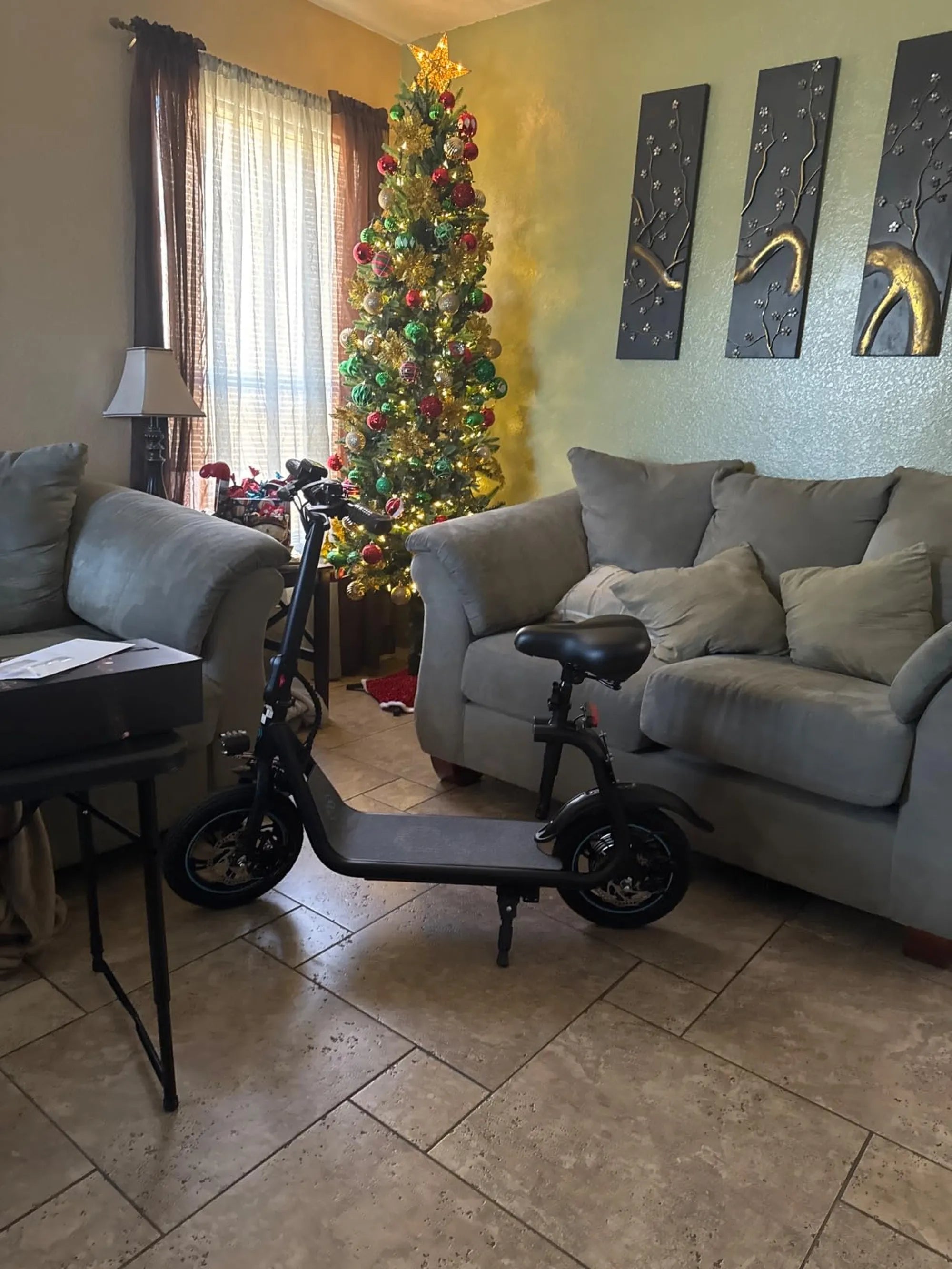
Electric bikes have surged in popularity as an eco-friendly and efficient mode of transportation. But one question lingers in the minds of many potential riders: Is electric bike need license? The answer isn’t as straightforward as you might think, and it largely depends on where you live and the type of e-bike you own. Let’s dive into the details to clear up the confusion.
Understanding Electric Bike Classifications
Electric bikes are typically categorized into three main classes, each with distinct features and legal implications:
- Class 1: Pedal-assist only, with no throttle, and a maximum speed of 20 mph.
- Class 2: Throttle-assisted, with a maximum speed of 20 mph.
- Class 3: Pedal-assist only, with a maximum speed of 28 mph.
These classifications play a crucial role in determining whether your e-bike requires a license, registration, or insurance.
Do You Need a License for an Electric Bike?
In most regions, Class 1 and Class 2 electric bikes do not require a license, as they are treated similarly to traditional bicycles. However, Class 3 e-bikes, which can reach higher speeds, may be subject to stricter regulations. Some areas mandate a license, helmet, or even insurance for these faster models.
For example, in the United States, federal law classifies e-bikes as bicycles if they meet specific criteria, such as having a motor under 750 watts and a top speed of 20 mph. However, state laws can vary, so it’s essential to check local regulations.
International Regulations on E-Bike Licensing
Laws differ significantly across the globe. In the European Union, e-bikes with a motor output of up to 250 watts and a speed limit of 15.5 mph (25 km/h) are considered bicycles and don’t require a license. However, more powerful models may be classified as mopeds, necessitating registration and a license.
In countries like Australia and Canada, similar distinctions apply, with speed and power output determining whether an e-bike falls under bicycle or motor vehicle regulations.
Key Factors Influencing Licensing Requirements
Several factors determine whether your e-bike needs a license:
- Motor Power: Higher wattage motors often push e-bikes into moped or motorcycle categories.
- Maximum Speed: Faster e-bikes are more likely to require licensing.
- Local Laws: Always verify regional regulations, as they can override general classifications.
Why Licensing Matters for E-Bike Riders
Even if your e-bike doesn’t require a license, understanding the rules ensures you ride legally and safely. Unlicensed e-bikes that exceed local limits could result in fines or confiscation. Additionally, knowing the law protects you in case of accidents or disputes.
Tips for Staying Compliant
To avoid legal issues, follow these best practices:
- Check your e-bike’s classification and compare it to local laws.
- Wear a helmet, even if not legally required, for safety.
- Obey traffic rules and ride responsibly.
Electric bikes offer a fantastic way to commute, exercise, and reduce your carbon footprint. But before you hit the road, make sure you know the answer to is electric bike need license in your area. Stay informed, ride safely, and enjoy the freedom of e-biking without the hassle of legal surprises!
Electric Bike Maximum Speed: How Fast Can You Really Go?
Electric Bike Maximum Speed: How Fast Can You Really Go?