



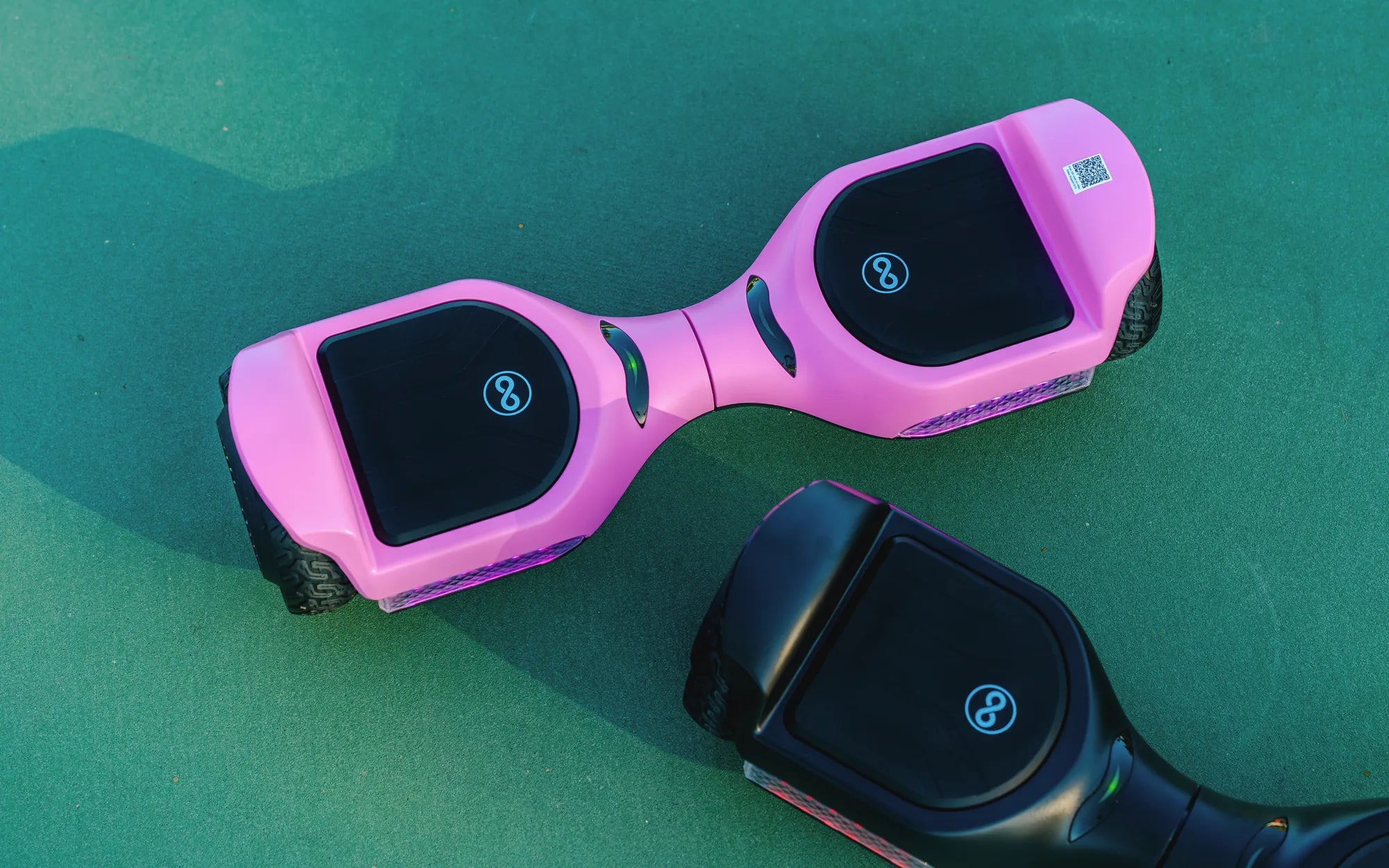
Imagine gliding effortlessly above the ground, defying gravity like a scene straight out of a sci-fi movie. The hoverboard, a futuristic dream for many, has long been a symbol of advanced technology and human ingenuity. But is it possible to make a hoverboard in reality? Let’s explore the science, the hurdles, and the exciting possibilities that could bring this fantasy to life.
The Science Behind Hoverboards
At its core, a hoverboard is a device that levitates above the ground without physical contact. To achieve this, it must counteract the force of gravity, which requires a powerful and efficient propulsion system. Several theoretical and experimental methods have been proposed, including magnetic levitation, air propulsion, and even quantum locking.
Magnetic Levitation
Magnetic levitation, or maglev, is one of the most promising technologies for hoverboards. It relies on powerful magnets to create a repulsive force strong enough to lift a person off the ground. However, this method requires a conductive surface, such as a metal track, which limits its practicality for everyday use.
Air Propulsion
Another approach is air propulsion, where high-powered fans or jets generate enough thrust to lift the board and rider. While this method can work on any surface, it tends to be noisy, energy-intensive, and difficult to control with precision.
Quantum Locking
Quantum locking, a phenomenon observed in superconductors, allows objects to "lock" in place above a magnetic field. While this offers incredible stability, it requires extremely low temperatures and specialized materials, making it impractical for consumer use—at least for now.
Challenges in Hoverboard Development
Creating a functional hoverboard isn’t just about achieving lift-off; it’s about overcoming significant engineering and logistical challenges.
Energy Requirements
Levitation requires immense energy, especially for a device meant to carry a person. Current battery technology struggles to provide enough power for sustained flight without being prohibitively heavy or expensive.
Stability and Control
Maintaining balance on a hovering platform is no easy feat. Without physical contact with the ground, riders would need advanced stabilization systems, akin to those used in drones or gyroscopes, to prevent accidents.
Cost and Accessibility
Even if the technology were perfected, the cost of materials and production would likely make hoverboards a luxury item for the foreseeable future. Widespread adoption would require breakthroughs in affordability and scalability.
The Future of Hoverboard Technology
Despite the challenges, researchers and engineers continue to push the boundaries of what’s possible. Advances in materials science, renewable energy, and AI could one day make hoverboards a reality. Imagine a world where commuting involves gliding above traffic, or where sports evolve to include aerial maneuvers on personal hoverboards.
The dream of a hoverboard isn’t dead—it’s just waiting for the right combination of innovation and determination. While we may not be zipping around on them tomorrow, the progress being made suggests that the future of personal transportation could be far more exciting than we ever imagined.
Hoverboard Motor Not Working: Causes, Fixes, and Prevention Tips
Look Up Hoverboard: The Ultimate Guide to Choosing the Right One