



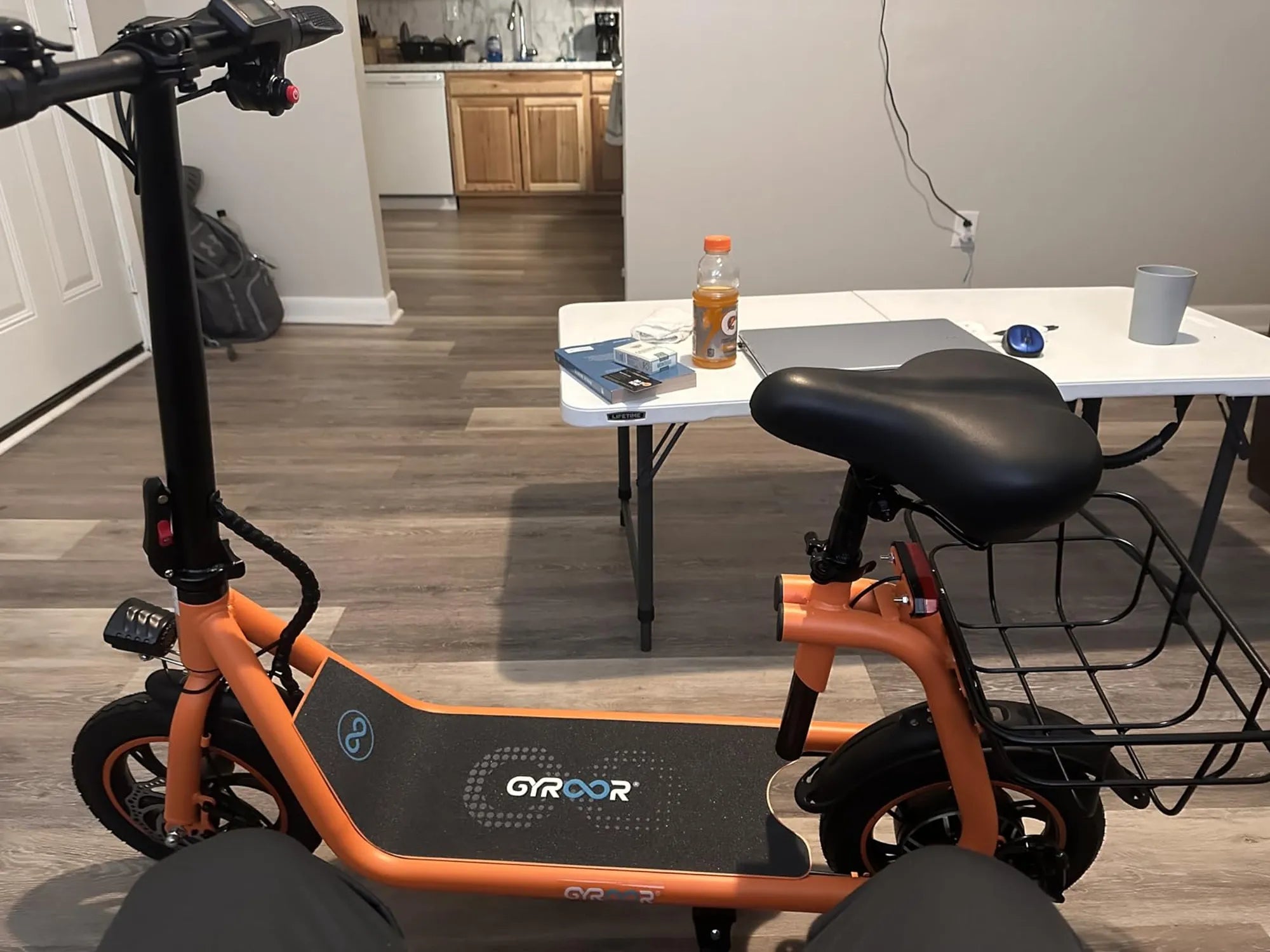
Introduction to the Urban Mobility Revolution
City streets are at a breaking point. Gridlocked traffic, soaring transportation costs, and environmental concerns are forcing a fundamental rethink of how we move. The solution emerging isn't a larger infrastructure project, but a smarter, personal one: the electric scooter.
Among the leaders of this quiet revolution is the Journey series, a line of electric scooters engineered not as toys, but as legitimate urban transport tools. Journey Electric Scooters: The Future of Urban Mobility isn't just a slogan; it's a reflection of a design philosophy centered on safety, reliability, and seamless integration into the modern commute.
This article provides a comprehensive, data-driven analysis of what makes these scooters a standout choice. We'll dissect their performance, quantify their impact, and demonstrate why certified safety features are non-negotiable for serious riders. The future of getting around is efficient, sustainable, and personal.
What Makes the Journey Electric Scooter a Standout Choice?
The urban commuter's needs are specific: reliability for daily use, safety in variable conditions, and enough performance to handle city geography. The Journey series is built from the ground up to meet these demands, moving beyond the gimmicks of some personal electric vehicles.
Its design philosophy prioritizes a balanced rider experience. This means a sturdy frame for stability, intuitive controls for ease of use, and thoughtful features like integrated lighting and clear displays. The focus is on creating a tool that feels dependable from the first ride to the thousandth.
For a brand like Gyroor, a leader trusted by over 100,000 riders across North America and Europe, this approach is foundational. The Journey exemplifies a commitment to products that undergo rigorous testing, resulting in scooters with an average user rating of 4.5/5 for durability and performance. It's a vehicle designed for the journey, not just a quick trip.
Engineered for Performance and Range
Performance in an urban scooter is measured by three key metrics: hill-climbing ability, consistent speed, and real-world range. Journey models typically feature motors ranging from a robust 350W to 500W. This power band is strategically chosen to provide ample torque for accelerating from stops and conquering moderate inclines without sacrificing efficiency or legality on most city paths.
Top speeds are generally regulated between 15-19 mph, a sweet spot that aligns with many municipal bylaws for micro-mobility devices while ensuring you keep pace with urban traffic flow. The true test of engineering, however, is range. Advertised maximum ranges can be optimistic; the Journey's real-world range of 15-25 miles per charge is a more practical metric, calculated under typical riding conditions including stops, starts, and slight gradients.
This range effectively eliminates "range anxiety" for the vast majority of commutes. A 5-mile daily round trip leaves a significant buffer, meaning charging can be an occasional task rather than a daily chore. The use of high-quality, UL-certified battery cells is central to delivering this consistent performance over hundreds of charge cycles.
Built with Safety and Durability as a Priority
Safety is the most critical, and often most overlooked, aspect of electric scooter design. The Journey series addresses this head-on with certified components and resilient construction. The cornerstone is the UL-certified lithium-ion battery pack. This certification means the battery has passed stringent independent tests for electrical, mechanical, and fire safety—a vital assurance for a device stored in homes and offices.
Complementing this is a build quality designed for the realities of city riding. An IPX5 water-resistant rating means the scooter can withstand water jets from any direction, making it resilient against wet roads and unexpected puddles. The frame is constructed from high-grade aluminum alloys, offering a optimal balance of strength and weight for portability.
Braking systems often combine electronic braking with a mechanical disc or drum brake, providing reliable stopping power in all conditions. Front and rear LED lights, along with reflective elements, ensure high visibility during night rides. These features collectively transform the scooter from a fad into a trustworthy vehicle.
The Journey vs. The Competition: A Data-Driven Look
Choosing an electric scooter often involves sifting through superficially similar specs. The true differentiators lie in certified safety, warranty support, and long-term reliability. The following comparison highlights why opting for a scooter with verified standards matters.
| Feature | Journey Electric Scooters (e.g., Gyroor) | Typical Generic / Uncertified Scooters |
|---|---|---|
| Battery Certification | UL-certified battery pack (tested for 500+ cycles) | Often uncertified, with unknown safety standards |
| Water Resistance | IPX5 rating (protected against water jets) | May claim "water-resistant" with no official rating |
| Warranty & Support | Comprehensive 1-year warranty with US-based support | Limited or no meaningful warranty, offshore support |
| Frame & Build Quality | High-grade aluminum, stress-tested design | Lighter, potentially less durable materials |
| Customer Verification | Trusted by 100,000+ riders with documented reviews | Limited verifiable user base or history |
As the table illustrates, the upfront cost of a Journey scooter is an investment in risk mitigation. The UL certification and IPX5 rating are not marketing terms but specific, tested benchmarks. The 1-year comprehensive warranty, backed by accessible customer service, provides long-term peace of mind that generic alternatives simply cannot match.
Integrating the Journey into Your Urban Lifestyle
The practical benefits of owning a Journey electric scooter translate into tangible improvements to daily life. For the average commuter, the most immediate impact is financial. Comparing the cost of a monthly public transit pass or daily car expenses (fuel, parking, maintenance) against the near-zero marginal cost of scooter charging reveals significant annual savings, often justifying the scooter's purchase within a single season.
Time is another crucial currency. Electric scooters excel at "last-mile" connectivity, seamlessly bridging the gap between home, transit hubs, and final destinations. They bypass traffic jams, eliminate the search for parking, and can often use bicycle lanes or paths, making commutes predictable and often faster than driving for distances under 5 miles.
Portability is key for multi-modal trips. The folding mechanism on Journey scooters allows them to be easily carried onto buses, trains, or stored under a desk. This flexibility makes them a core component of a hybrid commute, freeing the rider from being tethered to a single mode of transport.
Eco-Conscious Commuting: Quantifying Your Impact
The environmental argument for electric scooters is powerful when supported by data. A typical passenger vehicle emits roughly 411 grams of CO2 per mile. An electric scooter, charged on an average U.S. electrical grid, is responsible for approximately 40 grams of CO2 equivalent per mile—a 90% reduction in direct carbon emissions for that journey.
On a per-commute basis, switching a 5-mile car trip to a Journey scooter prevents over 1.8 kg of CO2 from entering the atmosphere. Annually, that's nearly half a metric ton for a single commuter. Furthermore, e-scooters consume minimal electricity; a full charge costs mere cents, representing a fraction of the energy required to move a multi-ton vehicle.
Beyond emissions, widespread adoption of micro-mobility like the Journey reduces urban traffic congestion, lowers noise pollution, and decreases the demand for vast parking infrastructure. It's a personal choice with a cumulative positive impact on urban livability.
Addressing Common Rider Concerns (FAQ)
Prospective riders rightly have questions before adopting a new form of transport. Here are detailed answers to the most common concerns.
Q: Is it legal to ride an electric scooter where I live?
A: Laws vary significantly by city and state. Generally, most municipalities regulate e-scooters similarly to bicycles. Key rules often include a minimum rider age (often 16+), a maximum speed limit (frequently 15-20 mph), a requirement to use bike lanes where available, and helmet mandates, especially for minors. It is essential to check your local Department of Transportation or city council website for specific ordinances before riding.
Q: How do I maintain my Journey scooter for optimal lifespan?
A: Proper maintenance is straightforward. Regularly check tire pressure for efficiency and comfort. Keep the scooter clean, especially after riding on wet or salty roads, using a damp cloth (avoid high-pressure water jets). For the UL-certified battery, avoid complete discharges; charge it after use and store it in a cool, dry place. Periodically inspect brakes and ensure all bolts are tight. This simple routine ensures years of reliable service.
Q: What exactly does the 1-year comprehensive warranty cover?
A: Gyroor's warranty typically covers defects in materials and workmanship for one year from the date of purchase. This includes the motor, battery, controller, and frame under normal use. It does not cover damage from accidents, misuse, neglect, or unauthorized modifications. The warranty is backed by a US-based support team, providing clearer communication and faster resolution times compared to offshore support centers.
Q: How safe is the battery, and what about charging safety?
A: The UL certification is your primary assurance of battery safety. It signifies rigorous testing for overheating, short-circuiting, and impact. For safe charging, always use the provided, manufacturer-approved charger. Charge on a non-flammable surface in a well-ventilated area, and do not leave the scooter charging unattended for extended periods, such as overnight. Following these guidelines minimizes risk significantly.
Q: Can I ride in the rain?
A: The IPX5 water resistance rating means the Journey scooter is protected against low-pressure water jets from any direction. It is perfectly safe to ride on wet roads and in light rain. However, it is not designed to be submerged or ridden through deep puddles that could submerge the deck. Always exercise increased caution, reduce speed, and allow for longer braking distances in wet conditions.
The Road Ahead: Why the Journey Represents the Future
The transformation of urban mobility is not a speculative trend; it's an ongoing necessity. Vehicles like the Journey electric scooter are at the forefront because they solve multiple problems simultaneously. They offer a pragmatic, efficient, and enjoyable alternative that aligns with the economic and environmental priorities of modern cities and citizens.
The combination of certified safety—through UL batteries and IPX5 construction—with practical, real-world performance creates a product that inspires genuine confidence. This is amplified by the backing of a brand with a proven track record, trusted by a community of over 100,000 riders. It represents a move away from disposable gadgets and towards durable, responsible personal transportation.
As cities continue to evolve, prioritizing people over cars, the infrastructure for micro-mobility will only expand. Investing in a high-quality, reliable scooter like the Journey positions you to immediately benefit from this shift. It's more than a purchase; it's an adoption of a smarter way to navigate the urban landscape.
Ready to redefine your commute? Explore the engineering, safety, and performance of the Journey series and see how it can fit into your life. Browse the full Gyroor collection at gyroorboard.com to find the model that will power your urban journey.
Electric Scooters Central Park: The Ultimate Guide to Exploring NYC's Iconic Landmark
Are Electric Scooters Legal UK 2024? The Complete 2024 Guide