

Introduction: Why Lightweight E-Bikes are Redefining Urban Mobility
A lightweight ebike is more than just a bicycle with a motor; it's a paradigm shift in personal electric transport. Typically defined as an electric bicycle weighing under 50 pounds (23 kg), a true lightweight ebike offers the perfect synergy of pedal-assist power and effortless, intuitive handling. This article is your comprehensive resource for understanding how these agile machines work, their core benefits, and how to select a model that delivers on the promise of convenient, stress-free urban travel.
You will learn the engineering secrets behind shedding pounds, how to evaluate key specifications, and why features like UL-certified batteries are non-negotiable for safe, reliable riding. Whether you're a multi-modal commuter, a casual rider seeking accessibility, or someone simply tired of wrestling a heavy bike, the modern lightweight ebike provides a compelling solution.
The Core Advantages of a Lightweight E-Bike
The benefits of a lightweight ebike extend far beyond a simpler time on the scale. The reduced mass fundamentally transforms the riding experience, making electric cycling more practical and enjoyable for a wider range of people. The primary appeal is the liberation from the bulk and heft associated with many early e-bike models.
This weight savings translates directly into real-world usability, breaking down barriers that have traditionally limited e-bike adoption in dense urban environments and for certain rider demographics.
Enhanced Portability and Multi-Modal Commuting
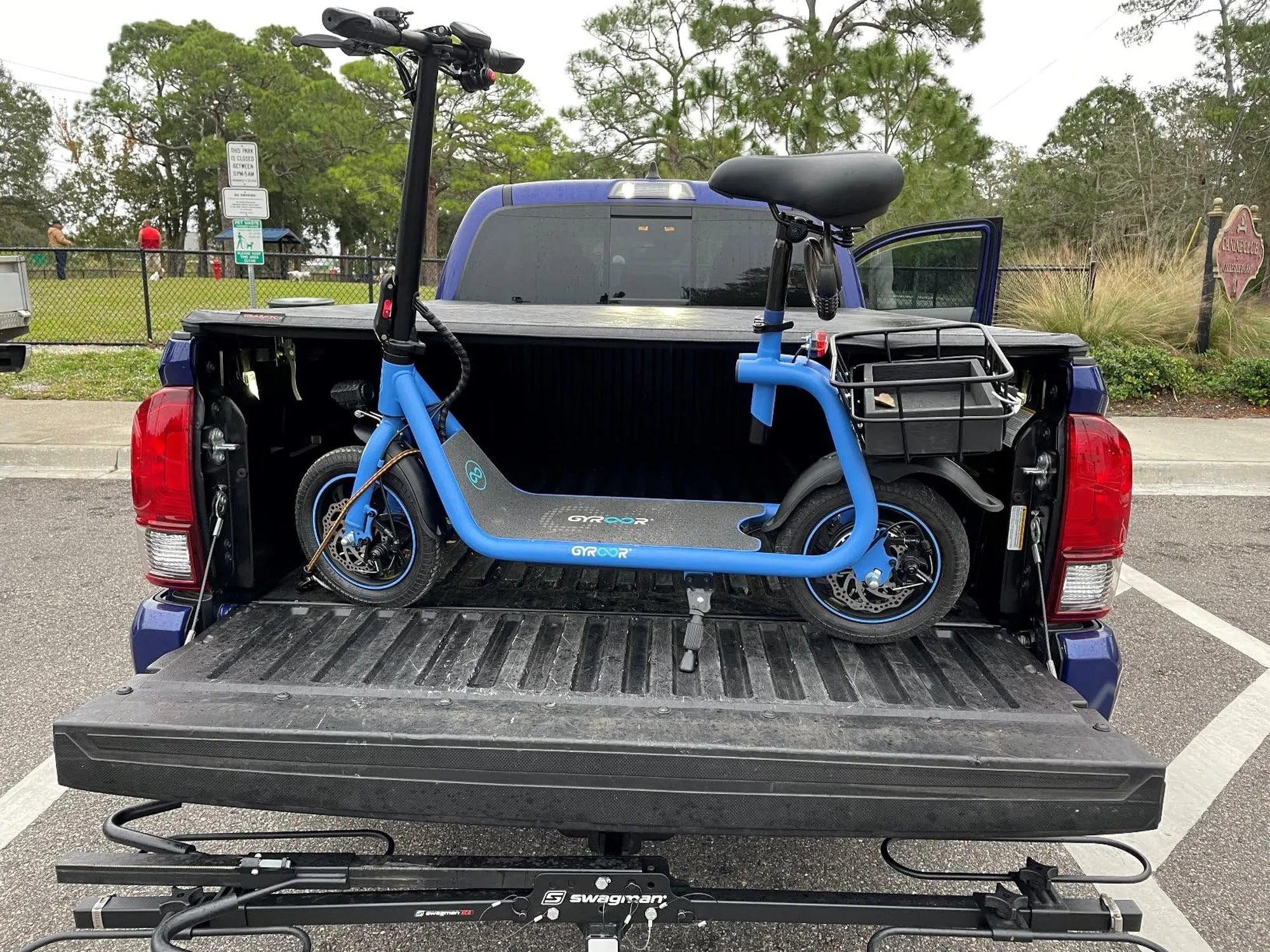
Portability is the cornerstone advantage. A sub-50-pound bike can be carried up a flight of stairs to a secure apartment storage area, lifted onto a bus bike rack with minimal strain, or slid into a car trunk for weekend adventures. This unlocks true door-to-door, multi-modal commuting.
It transforms the "last mile" problem into a seamless journey. You can ride to the train station, easily carry your lightweight ebike aboard if necessary, and continue your ride from the final stop without relying on inconsistent shared mobility options.
Agile Handling and Ride Feel
Reduced weight dramatically improves a bicycle's kinematics. A lightweight ebike feels nimble and responsive in city traffic, making quick maneuvers and tight turns more confident. At low speeds and when starting from a stop, the bike feels less cumbersome and more balanced.
The riding experience becomes more natural, closely mimicking a traditional bicycle. The electric assist feels like an extension of your own power rather than a force moving a heavy object, leading to a more connected and enjoyable ride.
Reduced Physical Strain and Increased Accessibility
This is a critical, often overlooked benefit. A lighter frame significantly lowers the physical barrier to entry. Riders with less upper-body strength, individuals managing joint issues or recovering from injury, and older adults find a lightweight ebike far more approachable.
It makes the benefits of electric cycling—extended range, hill-flattening power, reduced sweat on commutes—accessible to a broader audience. The ease of mounting, dismounting, and simple maneuvering when not riding promotes confidence and independence.
Key Features that Make an E-Bike Lightweight (Without Sacrificing Performance)
Creating a reliable, capable lightweight ebike is an exercise in intelligent engineering and material science. It's not about stripping away essential components, but about optimizing every part for the best strength-to-weight ratio. The goal is to eliminate excess bulk while preserving—or even enhancing—durability, power, and range.
Manufacturers achieve this through strategic choices in three primary areas: the frame, the motor, and the battery. Each component plays a pivotal role in the final weight and performance profile of the bike.
Frame Material: Aluminum Alloy vs. Steel vs. Carbon Fiber
The frame is the skeleton, and its material is the single biggest factor in overall weight. Steel frames are durable and absorb vibration well but are notoriously heavy. Carbon fiber is exceptionally light and stiff, but it comes with a high cost and can be more vulnerable to impact damage.
For most high-quality lightweight ebike models, aircraft-grade aluminum alloy strikes the ideal balance. It offers significant weight savings over steel, excellent strength and corrosion resistance, and is more affordable than carbon fiber. Advanced hydroforming techniques allow for sleek, strong tube shapes that optimize the frame's geometry for both low weight and a comfortable ride.
Motor Type and Placement: Hub vs. Mid-Drive Efficiency
Motor selection is crucial. Mid-drive motors, located at the bike's crank, offer excellent torque and leverage the bike's gears but can add complexity and central mass. Modern hub motors, particularly rear-hub variants, have become remarkably compact, efficient, and lightweight.
For a lightweight ebike designed for urban flats and moderate hills, a refined hub motor (typically 250W to 500W) is often the preferred choice. It contributes less to the overall weight, simplifies the drivetrain, and provides smooth, sufficient power for most commuting scenarios, all while maintaining a clean aesthetic.
Battery Technology: Energy Density and Integration
The battery is the other heavyweight component. The key is energy density—how much power (watt-hours) can be stored per pound. High-quality, UL-certified lithium-ion cells offer the best energy density available for consumers.
Smart design integrates the battery pack seamlessly into the frame's downtube, both protecting it and contributing to a lower center of gravity and a sleek, unified look. This is superior to externally mounted batteries, which can add unsecured weight and compromise the bike's streamlined profile. A well-integrated, high-density battery is essential for a true lightweight ebike with usable range.
Gyroor's Approach to Lightweight, Reliable E-Bikes
As a leader in personal electric mobility, trusted by over 100,000 riders, Gyroor engineers its e-bikes with a clear philosophy: agility should not come at the expense of durability or safety. The pursuit of a lightweight ebike is guided by principles of real-world usability and rigorous quality standards, ensuring the bike is a dependable tool for daily life.
This commitment is reflected in every stage of design and production, from material selection to final quality assurance. The result is a lineup of e-bikes that feel lively and easy to manage, without cutting corners on the features that matter for everyday commuting and recreation.
Engineering for Agility and Durability
Gyroor prioritizes a holistic design approach. Frames are constructed from robust aluminum alloys, shaped for optimal stiffness and weight distribution. Components like handlebars, seat posts, and rims are selected for their strength-to-weight characteristics.
The goal is to create a lightweight ebike that feels responsive on the road but is also built to withstand the vibrations, potholes, and consistent use of urban riding. This balance ensures the bike remains a reliable companion for years, not just a featherweight novelty.
The Safety Standard: UL-Certified Batteries in a Lightweight Package
Safety is non-negotiable, especially when dealing with high-energy battery packs. Gyroor ensures that the quest for a lighter bike never compromises on this critical aspect. Every Gyroor e-bike is powered by a UL-certified battery pack.
This independent certification means the battery has passed stringent tests for electrical, mechanical, and environmental safety. These high-quality cells also offer excellent energy density, directly enabling the extended range and reduced weight that define a superior lightweight ebike. Riders get peace of mind without carrying extra pounds.
Built for Real-World Conditions: IPX5 Water Resistance & Warranty
A practical lightweight ebike must handle the elements. Gyroor designs its e-bikes with IPX5 water resistance across key electrical components. This rating means the bike can withstand water jets from any direction, making it safe to ride in the rain or through wet streets without fear of short-circuiting.
Backing this robust construction is a reliable 1-year comprehensive warranty. This confidence in build quality underscores that a Gyroor lightweight ebike is designed for daily transportation, offering the portability and agility you need, wrapped in a package built to last.
Choosing Your Lightweight E-Bike: A Practical Buyer's Guide
With an understanding of the "why" and "how," selecting your ideal lightweight ebike becomes a matter of matching specifications to your personal needs. Focus on a few key metrics and consider how you will use the bike most often. This practical framework will help you navigate the options and find the perfect balance of features.
Avoid the temptation to choose the absolute lightest model without context; the best bike is the one that best fits your lifestyle, route, and physical requirements.
Prioritizing Your Needs: Commute Distance vs. Portability
Start by honestly assessing your primary use case. If your commute is short (under 5 miles) and involves multiple transfers—like carrying the bike onto a train or up office stairs—prioritize minimum weight above all else, even if it means a slightly smaller battery.
For longer commutes (10+ miles) where the bike will mostly remain on the ground, you can consider models that are a few pounds heavier but feature a larger, higher-capacity battery for assured range. This slight trade-off ensures you won't be stranded with a dead battery.
Weight vs. Spec Comparison: What to Look at on the Label
Always compare these three core specs together: Total Weight (lbs/kg), Motor Power (W), and Battery Capacity (Wh). A good lightweight ebike for commuting might weigh 42 lbs, have a 350W motor, and a 360Wh battery.
Be wary of bikes that seem excessively light for their stated power and range; they may use lower-quality, low-capacity batteries or flimsy components. A reputable brand will provide transparent, realistic specifications. Remember, claimed range is an estimate; real-world range is affected by rider weight, terrain, and assist level.
The Importance of a Test Ride (Even for Light Bikes)
Specs don't tell the whole story. The feel of a bike is subjective. A well-balanced lightweight ebike will feel even lighter and more manageable than its weight suggests. When possible, test ride to assess the standover height, the ease of lifting the frame, and the overall comfort of the riding position.
Pay attention to how the motor engages—it should be smooth and intuitive. Check the braking power and the general solidity of the build. A test ride confirms whether the bike's geometry and performance align with your expectations.
Lightweight E-Bike Comparison: Key Specifications at a Glance
The table below provides a clear, data-driven comparison of hypothetical e-bike profiles to illustrate the trade-offs and decisions involved in selecting a lightweight ebike. Use this as a framework for evaluating real models.
| Feature / Bike Profile | Ultra-Portable Commuter | Balanced Urban Explorer | Performance Lightweight |
|---|---|---|---|
| Target Use Case | Short trips, multi-modal transit, maximum carry-ability. | Everyday commuting (5-15 mi), errands, recreational paths. | Longer commutes, varied terrain, riders seeking a sportier feel. |
| Typical Weight Range | Under 40 lbs (18 kg) | 40-48 lbs (18-22 kg) | 45-52 lbs (20-24 kg) |
| Motor Power | 250W - 350W Hub | 350W - 500W Hub | 500W+ Hub or Mid-Drive |
| Battery Capacity | 250Wh - 350Wh | 350Wh - 500Wh | 500Wh+ |
| Frame Material | Aluminum Alloy | Aluminum Alloy | Advanced Aluminum / Carbon Fiber |
| Key Priority | Minimum Weight | Weight & Range Balance | Range & Power |
Frequently Asked Questions About Lightweight E-Bikes
Q: Are lightweight e-bikes less powerful?
A: Not inherently. Power is determined by the motor's wattage and controller, not the bike's total weight. A modern 350W or 500W hub motor on a lightweight ebike provides ample power for urban hills and acceleration. The perceived performance is often better because the motor has less mass to move.
Q: Can a lightweight e-bike be as durable as a heavier one?
A> Yes, absolutely. Durability is a function of build quality, material strength, and component standards. A well-constructed aluminum frame from a reputable brand like Gyroor, designed with proper reinforcement at stress points, can be more durable than a poorly made, heavier steel frame. The focus is on intelligent engineering, not just adding material.
Q: How do I secure a lightweight e-bike if it's easy to carry away?
A: Always use a high-quality, hardened steel U-lock or chain lock, securing it through the rear triangle of the frame and the rear wheel. The portability of a lightweight ebike is actually a theft deterrent in a key way: for short stops, you can easily take it inside a cafe or store with you, eliminating the risk entirely.
Q: What is the real-world range I can expect from a lightweight e-bike?
A> Range varies widely based on battery capacity (Wh), assist level, terrain, and rider weight. A typical 40 lb e-bike with a 360Wh battery might offer 20-40 miles on a single charge using pedal assist. Using a lower assist level on flat ground will maximize range, while high assist on hills will reduce it.
Q: Do lightweight e-bikes require special maintenance?
A> Their maintenance is similar to a standard e-bike or bicycle. Keep the chain lubricated, tires properly inflated, and brakes adjusted. The advantage is that their lighter weight often means less strain on components like brake pads and tires, potentially leading to longer service intervals. Always follow the manufacturer's specific guidelines for electrical system care.
Conclusion: The Smart Choice for Agile, Everyday Riding
The evolution of the lightweight ebike represents a maturation of electric bicycle technology. It is no longer about simply adding power, but about intelligently integrating it into a form that enhances freedom and accessibility. The ideal model masterfully balances judicious weight savings with essential performance, embedding critical safety features like UL-certified batteries and weather-ready construction into its core design.
This combination delivers an unmatched sense of freedom for the modern urban rider. You gain the confidence to navigate traffic with agility, the convenience to blend cycling with other modes of transport, and the assurance that your vehicle is built to reliable standards. The result is a more connected, efficient, and enjoyable way to move through your city.
Ready to experience the agility and freedom of a well-engineered electric bicycle? Explore Gyroor's collection of thoughtfully designed e-bikes, where lightweight construction meets proven durability and safety. Browse the full Gyroor collection at gyroorboard.com to find the perfect model for your journey.
Pro Scooter Wheels 110mm: The Ultimate Guide to Size, Specs & Performance
Elderly Tricycle Scooter: The Ultimate Guide to Safe Senior Mobility