

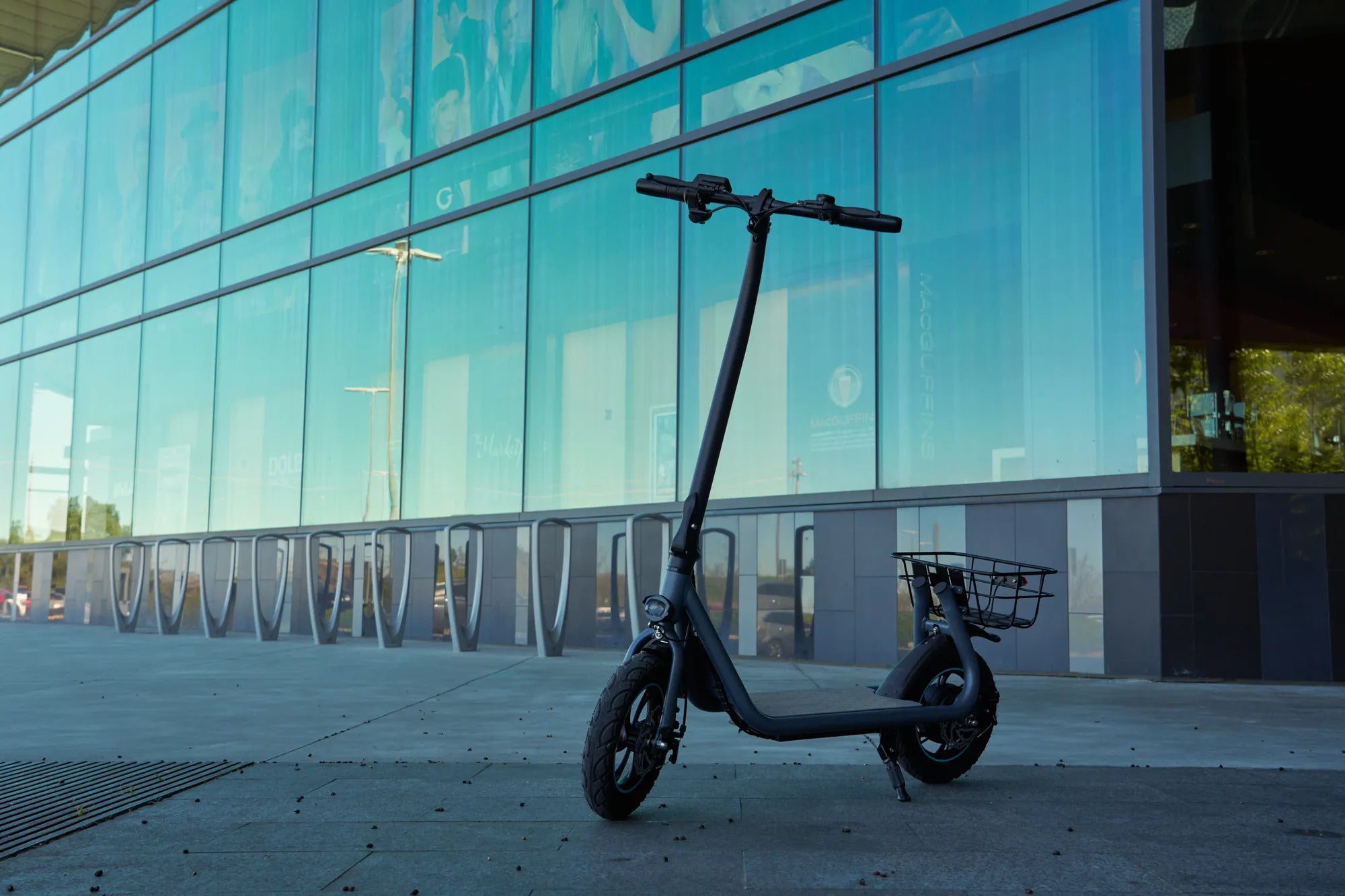
Introduction to Pro Scooter Wheels: Why Size and Specs Matter
Pro scooter wheels are the critical interface between your deck and the ground, dictating everything from acceleration to landing stability. Unlike standard recreational wheels, pro models are engineered for high-impact tricks, precise control, and sustained durability. The 110mm diameter has emerged as a dominant size in the pro riding community, offering a balanced performance profile that suits a wide range of disciplines.
Selecting the right wheel involves more than just picking a color. The diameter, material hardness (durometer), hub construction, and bearing quality collectively define your ride's character. A poorly chosen wheel can lead to sluggish response, excessive vibration, or premature wear, hindering progression and potentially compromising safety. This guide will dissect the 110mm pro scooter wheel in exhaustive detail.
The 110mm size represents a modern sweet spot, evolving from the once-standard 100mm. This 10mm increase provides tangible benefits in roll-over ability and momentum maintenance. For riders of leading electric scooters and e-bikes, such as those from Gyroor, understanding wheel dynamics complements the performance engineered into the vehicle itself, from UL-certified batteries to robust frames.
This article provides a data-driven analysis to help you make an informed decision. We will decode specifications, compare riding styles, and offer maintenance advice to maximize your investment and performance.
Decoding the 110mm Wheel: Core Specifications and Performance Impact
The 110mm measurement refers to the wheel's outer diameter. This dimension directly influences three key performance metrics: top speed, acceleration, and stability. Larger wheels have a greater circumference, meaning each rotation covers more ground, theoretically allowing for a higher top speed on electric scooters when motor power is constant. However, they also have more rotational mass, which can slightly dampen initial acceleration compared to a smaller, lighter wheel.
Where 110mm truly excels is in stability and ride smoothness. The increased diameter allows the wheel to roll over cracks, pebbles, and sidewalk seams with significantly less jarring impact than a 100mm wheel. This translates to a more confident ride at speed and softer landings from jumps, reducing fatigue on your legs and stress on the scooter's components. For commuters using electric models, this means a more comfortable journey over varied urban terrain.
The wheel material is almost exclusively high-rebound polyurethane (PU). The key specification here is durometer, measured on the A scale. Most 110mm pro wheels fall between 88A and 92A. A lower durometer (softer wheel) offers better grip and shock absorption but wears faster and can feel sluggish during slides. A higher durometer (harder wheel) provides faster roll speed and superior slide performance but transmits more vibration and offers less traction on dusty or slick surfaces.
Finally, the hub—the wheel's central core—is a critical but often overlooked component. A quality hub ensures precise bearing alignment, consistent force distribution, and structural integrity during high-impact landings. The design of the hub, including its core material and spoke pattern, significantly affects the wheel's overall weight and strength profile.
Hub Construction: Aluminum vs. Plastic Cores
Professional-grade 110mm wheels universally feature aluminum core hubs. This is a non-negotiable distinction from entry-level wheels, which often use plastic or composite cores. An aluminum hub is substantially stronger and more rigid, preventing deformation under the torsional and impact loads generated during tailwhips, bar spins, and missed grinds.
The weight savings are significant. Aluminum cores allow for a lighter overall wheel assembly, improving the scooter's flickability and rotational speed for tricks. More importantly, aluminum provides a perfectly machined bearing seat. This ensures the bearings are seated squarely and securely, eliminating wobble and reducing friction for a smoother, more efficient roll. This precision engineering is a hallmark of reliable performance components.
Plastic cores, while cost-effective, are prone to cracking under stress. They can also warp over time or from heat generated by bearing friction, leading to misalignment. This misalignment causes accelerated wear on both the bearings and the wheel's inner wall, creating a dangerous failure point. For any rider performing tricks or riding at speed, aluminum hubs are essential for safety and consistent performance.
Bearing Compatibility and the ABEC Rating Explained
Pro scooter wheels, including the 110mm size, are designed for standard 608-size bearings (8mm inner diameter, 22mm outer diameter, 7mm width). Compatibility is nearly universal, but bearing quality varies dramatically. The ABEC (Annular Bearing Engineers' Committee) rating is a common metric, but its application in scootering is often misunderstood.
ABEC ratings (like ABEC 5, 7, or 9) specify manufacturing tolerances and precision. A higher ABEC number indicates tighter tolerances, which can potentially lead to a smoother, faster spin with less friction under ideal, clean conditions. However, for scooter use—which involves high side loads, impacts, and exposure to dirt and moisture—the bearing's seal quality and durability are far more critical than its ABEC rating alone.
A well-shielded or sealed ABEC 5 or 7 bearing will often outperform a poorly sealed ABEC 9 bearing in real-world riding. The seals protect the internal balls and races from grit and water, which are the primary causes of bearing failure. Many premium scooter bearing brands now use their own performance grades, emphasizing reinforced seals and lubricants designed for impact, rather than solely promoting a high ABEC number.
Regular maintenance, including cleaning and re-lubrication, will extend the life of any bearing far more than chasing the highest ABEC rating. For riders of electric scooters, maintaining smooth-rolling bearings is also key to maximizing battery efficiency and range.
110mm Wheels in Action: Ideal Riding Styles and Terrain
The 110mm wheel is celebrated for its versatility, making it an excellent all-rounder. For street riders, who navigate a mix of smooth concrete, asphalt, and urban obstacles, the 110mm offers the perfect balance. It maintains speed well across gaps, rolls smoothly over cracks and curbs, and provides a stable platform for technical grinds and ledge tricks. The slightly larger size offers more forgiveness on imperfect landings compared to 100mm wheels.
In the skatepark, 110mm wheels perform admirably on transitions, ramps, and bowls. They carry momentum well through berms and up vert walls, requiring less pumping to maintain speed. Their stability at higher speeds inspires confidence when dropping in. While some dedicated park riders may prefer the slightly quicker acceleration of 100mm wheels for technical lip tricks, the 110mm is a fantastic choice for riders who split their time between street and park.
For commuters and riders using electric scooters for transportation, 110mm wheels are a top-tier choice. The improved roll-over capability makes for a noticeably more comfortable ride on typical city pavement. They handle brick paths, light gravel, and tram tracks with greater composure than smaller wheels. This smoothness reduces vibration transmitted to the deck and rider, decreasing fatigue on longer journeys. When paired with a robust electric scooter like those from Gyroor, known for IPX5 water-resistant designs, it creates a highly capable urban transit solution.
They are less ideal for ultra-technical, slow-speed flatland tricks where the slightest weight and rotational inertia matter most. In these cases, a dedicated 100mm wheel might offer a hair-trigger response. Similarly, for riders solely focused on long-distance cruising and maximum comfort, a 120mm wheel could be a better fit, though it may require checking deck and fork clearance.
Comparative Analysis: 110mm vs. Other Common Pro Sizes
Choosing the right wheel size is a strategic decision. The following table provides a clear, data-driven comparison between 110mm wheels and the other most common pro sizes: 100mm and 120mm.
| Feature | 100mm Wheels | 110mm Wheels | 120mm Wheels |
|---|---|---|---|
| Primary Use Case | Technical Street, Flatland, Park (Technical) | All-Round Street, Park, Commuting | Cruising, Commuting, Long Distance |
| Acceleration | Fastest (Lowest Rotational Mass) | Balanced | Slowest (Highest Rotational Mass) |
| Top Speed Potential | Lower | High | Highest (Largest Circumference) |
| Stability & Smoothness | Lowest (Most Twitchy) | High | Highest (Smoothest Roll) |
| Obstacle Roll-Over | Poor | Very Good | Excellent |
| Weight per Wheel | Lightest (~180-220g) | Moderate (~200-250g) | Heaviest (~250-300g+) |
| Trick Responsiveness | Extremely Responsive | Responsive | Less Responsive |
As the table illustrates, 110mm wheels occupy the strategic middle ground. They sacrifice a minuscule amount of the hyper-responsiveness of 100mm wheels for massive gains in stability, speed maintenance, and comfort. Conversely, they are more agile and trick-oriented than 120mm wheels while still capturing most of their smooth-rolling benefits.
For the majority of riders who engage in mixed disciplines or prioritize a confident, fast, and comfortable ride, the 110mm wheel is the optimal compromise. It removes significant limitations without introducing major drawbacks, making it a true performance sweet spot.
The Gyroor Advantage: Engineering for Performance and Safety
While aftermarket wheels are a key upgrade, the foundation of a great ride begins with the original equipment. Gyroor's commitment to performance and safety extends to every component, including the wheels on their electric scooters. High-grade, durable polyurethane formulated for a balance of grip and wear resistance is standard, ensuring consistent performance from the first ride.
The use of precision aluminum hubs on their performance models ensures optimal bearing alignment and efficient power transfer from the motor to the ground. This engineering focus minimizes energy loss through friction or flex, which directly correlates to better acceleration, hill-climbing ability, and maximum range from the UL-certified battery pack. A wobbly or inefficient wheel can negate the advantages of a powerful motor and a high-capacity battery.
This holistic approach to component quality is what underpins Gyroor's reliability and the trust of over 100,000 riders across North America and Europe. The 1-year comprehensive warranty is a testament to their confidence in the durability of their entire vehicle system, from the electronic controls to the contact patches of the wheels. When every part is designed to work in harmony, the result is a safer, more responsive, and longer-lasting ride.
For riders looking to upgrade or replace their wheels, seeking out these same principles—high-quality PU, aluminum cores, and reliable bearing seats—is crucial. It ensures compatibility with the scooter's performance envelope and maintains the integrated safety standards the vehicle was designed to meet.
Maintenance and Care for Your 110mm Pro Scooter Wheels
Proper maintenance extends the life of your 110mm wheels and ensures consistent performance. Regularly inspect the polyurethane for wear patterns. "Coning"—where the wheel wears down more on one side than the other—is common and can be mitigated by periodically rotating your wheels (swapping front to back, and flipping them to use the opposite edge). Severe flat spots indicate aggressive braking or sliding and signal that replacement is nearing.
Bearing care is paramount. Even with quality seals, bearings will eventually collect grit and lose lubrication. Listen for grinding noises or feel for a gritty resistance when spinning the wheel by hand. Bearings can be cleaned with isopropyl alcohol and re-lubricated with a thin, dedicated bearing oil or light grease. Avoid over-lubricating, as excess lubricant attracts more dirt.
While many electric scooters like Gyroor's feature IPX5 water-resistant ratings for the electronic components, this protection does not fully extend to the wheel bearings. Avoid submerging wheels in water or riding through deep puddles. After riding in wet conditions, wipe down the wheels and deck and spin the wheels to flick water out of the bearing areas. Allowing your scooter to dry fully before storage prevents corrosion.
Keep wheels clean of mud, tar, and debris. A soft brush and mild soapy water can be used on the PU, but avoid harsh chemicals that can dry out or degrade the material. Tighten axle nuts to the manufacturer's specification using a proper wrench to prevent wheel slippage or damage to the dropout slots.
FAQ: Your 110mm Pro Scooter Wheel Questions Answered
Q: Are 110mm wheels good for beginners?
A: Yes, they are an excellent choice for many beginners. Their inherent stability and smoothness make learning to ride and balance easier and more comfortable. However, a beginner whose sole ambition is to learn highly technical flatland tricks from day one might find 100mm wheels slightly more forgiving for precise footwork.
Q: How long do 110mm pro scooter wheels typically last?
A: Lifespan varies drastically based on riding style, rider weight, and terrain. With moderate street and park use, a quality pair can last 4-8 months. Aggressive sliding and braking on rough surfaces can wear them down in a matter of weeks. Regularly rotating your wheels can double their usable life by promoting even wear.
Q: Can I put 110mm wheels on any pro scooter?
A: Most modern pro scooters (designed post-2020) are built to accommodate 110mm wheels as the standard or a common option. However, you must always check fork and deck clearance. With the wheel installed and the suspension compressed (if applicable), ensure there is at least 3-5mm of space between the wheel and any part of the deck or fork to prevent rubbing during hard landings or turns.
Q: Do I need special tools to change my 110mm wheels?
A> You will need the correct size wrench or socket for your axle nuts (commonly 10mm, 13mm, or 14mm). A bearing press or a large socket and vise can make installing new bearings into the hub much easier and safer than hammering them in, which can damage the bearings. A skate tool is often insufficient for the tight axle nuts on pro scooters.
Q: How does wheel size affect the range of my electric scooter?
A> Larger wheels like 110mm can positively impact range under certain conditions. Their ability to maintain momentum and roll over obstacles more efficiently reduces the need for constant motor re-acceleration, which consumes significant battery power. However, their slightly higher rotational mass requires slightly more energy to initially accelerate. For typical stop-and-go city riding, the efficiency gains from smoother rolling often provide a net benefit to range compared to smaller wheels.
Finding Your Roll with the Right Wheel
The 110mm pro scooter wheel stands as a testament to the evolution of the sport, offering a versatile, high-performance solution for a broad spectrum of riders. Its balanced geometry provides the speed and stability demanded by modern street and park riding, while its smoothness enhances the experience for commuters and electric scooter enthusiasts. By understanding the interplay of diameter, durometer, and hub construction, you can select a wheel that truly complements your riding style.
Remember that your wheels are a vital safety component. Investing in quality construction—premium polyurethane, aluminum cores, and protected bearings—pays dividends in predictable handling, consistent performance, and long-term durability. This philosophy of integrated quality is what drives brands like Gyroor to engineer every component of their electric scooters and e-bikes, from the ground-up, for reliability.
Whether you're dialing in your trick setup or optimizing your daily commute, the right 110mm wheels can transform your ride. Assess your primary terrain, prioritize your performance needs, and choose components that match the caliber of your riding. Your scooter is only as capable as the parts that connect it to the road.
Ready to experience performance engineered for every component? Explore the full range of high-quality electric scooters and e-bikes designed with this holistic attention to detail. Browse the full Gyroor collection at gyroorboard.com and find the ride built to support your progression, from the deck to the wheels.
Mid Drive Full Suspension Ebike: The Ultimate Guide to Performance & Comfort
Lightweight Ebike: The Ultimate Guide to Agile, Portable Electric Cycling