


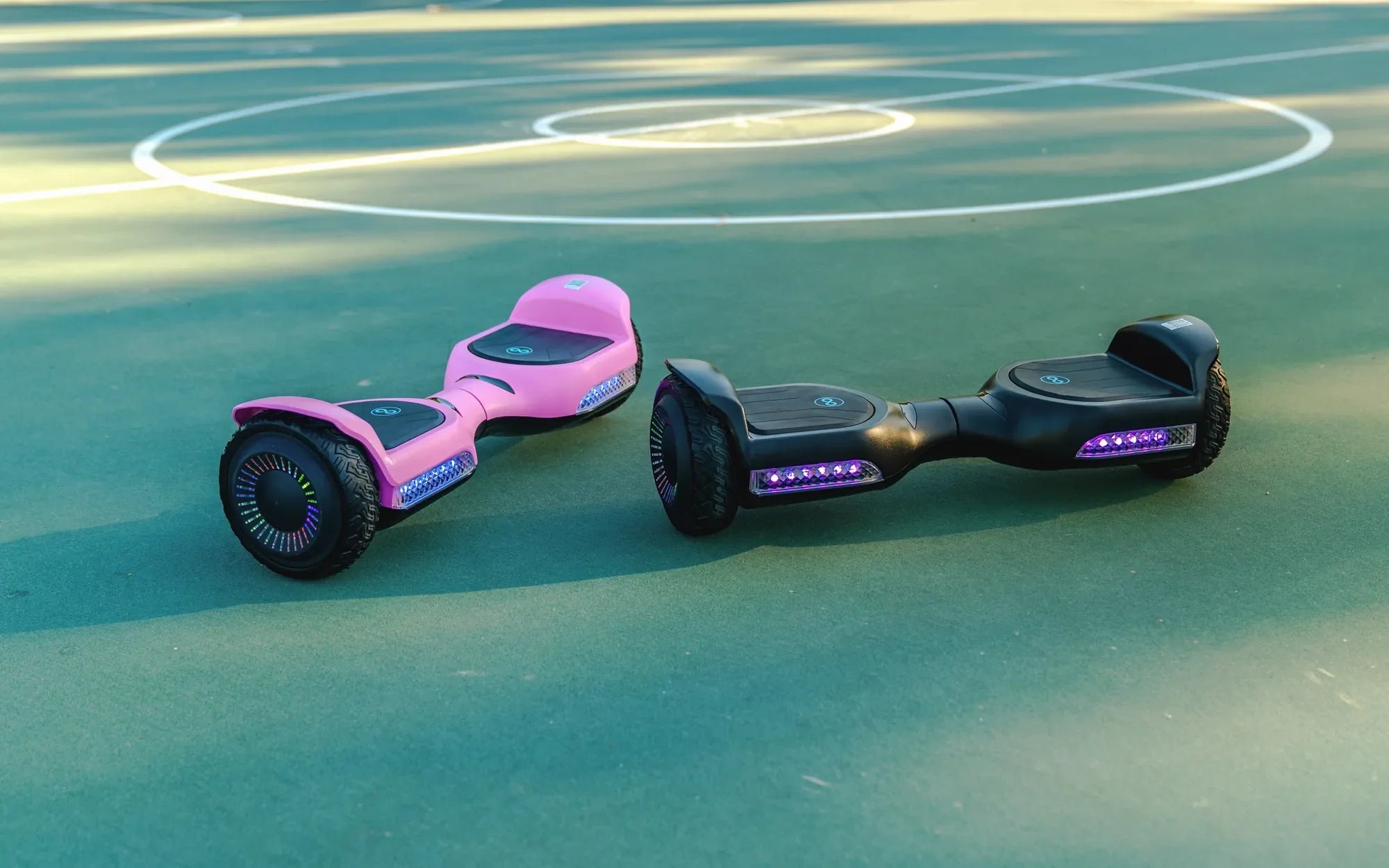
Introduction: The Hoverboard Reimagined
Forget the fad. The new hoverboard represents a mature, engineered solution for short-distance travel. These self-balancing scooters have shed their unstable past, emerging as reliable, safe, and genuinely practical vehicles for urban mobility.
This evolution is driven by stringent safety certifications, robust motor systems, and smart connectivity. Brands like Gyroor, a leading electric scooter and e-bike manufacturer, are at the forefront, applying years of micro-mobility expertise to create hoverboards built for daily use.
The future of personal transportation isn't just about speed; it's about seamless, efficient, and enjoyable last-mile connectivity. The modern hoverboard excels in this niche, offering unparalleled portability and maneuverability.
This article will dissect the technology, compare it with alternatives, and provide the data you need to make an informed choice. The era of the new hoverboard: the future of personal transportation is here, and it's built on a foundation of safety and performance.
The Evolution of the Hoverboard: From Novelty to Commuting Powerhouse
The journey of the self-balancing scooter is a story of rapid technological maturation. Early models, often lacking critical safety protocols, rightfully faced skepticism and regulatory scrutiny due to battery fire risks.
The turning point was the widespread adoption of the UL 2272 safety standard. This certification, mandated for all legitimate sales in markets like the U.S., rigorously tests the electrical drive train system and battery for fire and electrical hazards.
Concurrently, advancements in gyroscope and sensor technology drastically improved stability and responsiveness. Modern processors can make thousands of micro-adjustments per second, creating a smooth, intuitive riding experience far removed from the jittery controls of first-generation devices.
Motor and battery technology saw parallel leaps. Dual brushless hub motors now provide ample torque for hills and acceleration, while lithium-ion battery packs offer greater energy density, enabling ranges that support practical commutes. This transformation has turned a toy into a tool.
Key Features Defining the Modern Hoverboard
Today's premium hoverboards are defined by a suite of features that prioritize safety, capability, and user experience. These are not mere accessories but core engineering decisions that separate commuter-grade devices from recreational toys.
UL-Certified Battery Systems: The Non-Negotiable Safety Standard
The single most important feature of any new hoverboard is a UL-certified battery pack. The UL 2272 standard involves over 20 rigorous tests, including overcharge, short circuit, and crush tests, to ensure battery safety.
Gyroor, for instance, uses only UL-certified battery packs tested for over 500 charge cycles in their hoverboards. This commitment mitigates the primary historical risk associated with these devices, providing essential peace of mind for riders and families.
Beyond certification, quality brands implement advanced Battery Management Systems (BMS). These systems monitor cell voltage, temperature, and current in real-time, preventing overcharging and overheating during use or storage.
All-Terrain Capability: Conquering Urban Landscapes
The shift from small, solid plastic wheels to larger, air-filled rubber tires has been revolutionary. Modern all-terrain hoverboards typically feature 8.5-inch or 10-inch pneumatic tires.
These tires absorb shocks from cracks, curbs, and uneven pavement, providing a smoother, safer ride. More importantly, they grant access to surfaces like packed dirt paths, grass, and gravel, expanding the device's utility beyond perfect asphalt.
This capability is powered by dual motors, often 300W or more each. This combined wattage provides the necessary torque to navigate mild inclines and varied terrain, making the new hoverboard: the future of personal transportation a viable option for parks, campuses, and mixed-use urban trails.
Smart Connectivity and Enhanced Control
Bluetooth integration has transformed the user experience. Companion smartphone apps allow riders to lock their device, monitor battery life precisely, adjust sensitivity settings, and control integrated LED lighting systems.
Some models offer speed mode selection through the app, letting beginners limit top speed for safety. Firmware updates delivered via the app can improve performance and add features over time, future-proofing the investment.
This connectivity layer adds both practical utility and a layer of customization, aligning the device with the expectations of modern, tech-savvy commuters and enthusiasts.
Hoverboard vs. Other Micro-Mobility Options: A Practical Comparison
Choosing the right personal electric vehicle depends on your specific needs. The new hoverboard: the future of personal transportation occupies a unique position in the micro-mobility ecosystem.
| Feature | Hoverboard (Self-Balancing Scooter) | Electric Kick Scooter | Electric Bike |
|---|---|---|---|
| Portability & Weight | Excellent (22-30 lbs). Most compact; easy to carry/store. | Good to Moderate (30-45 lbs). Folding mechanism helps. | Poor (50-70 lbs). Bulky, difficult to carry upstairs. |
| Learning Curve | Moderate. Requires 30-60 mins to master balance. | Easy. Intuitive like a traditional scooter. | Easy. Functions like a standard bicycle. |
| Terrain Flexibility | Good. All-terrain models handle grass, dirt, pavement well. | Fair. Best on smooth pavement; larger wheels help. | Excellent |
| Top Speed & Range | 10-12 mph, 10-15 mile range. | 15-20 mph, 15-30 mile range. | 20-28 mph, 30-60+ mile range. |
| Ideal Use Case | Ultra-last-mile, crowded campuses, indoor/outdoor mix, recreational fun. | Medium-distance commutes (3-8 miles), bike lanes, predictable routes. | Longer commutes, errands, replacing car trips, hilly areas. |
| Maneuverability | Excellent. Zero-turn radius, highly agile in tight spaces. | Good. Requires more space to turn. | Fair. Similar to a bicycle, needs space. |
The data shows a clear trade-off. Hoverboards win on portability and agile maneuverability, making them ideal for the "final 500 meters" of a journey or navigating dense pedestrian areas. E-scooters offer higher speeds for slightly longer commutes, while e-bikes are true car replacements for longer distances.
Choosing Your Gyroor Hoverboard: A Buyer's Guide for 2024
Selecting the right model requires matching specifications to your lifestyle. As a brand trusted by over 100,000 riders, Gyroor's lineup offers clear tiers based on performance and use case.
Matching Motor Power and Range to Your Needs
Motor power, expressed as watts (W) per motor, dictates performance. A model with dual 300W motors (600W total) will handle steeper inclines (up to 15-20 degrees) and provide quicker acceleration than a 250W dual-motor system.
Battery capacity, measured in Amp-hours (Ah) and Voltage (V), determines range. A 4.4Ah, 36V battery typically delivers 10-12 miles per charge for an average rider. For a daily 5-mile round-trip commute, this provides a safe buffer. Always consider real-world range, which is affected by rider weight, terrain, and temperature.
Understanding IP Ratings: Why Weather Resistance Matters
An IP (Ingress Protection) rating is crucial for a device used outdoors. Gyroor hoverboards carry an IPX5 rating. The 'X' means it's not specifically rated for dust, but the '5' means it can withstand water jets from any direction.
In practice, IPX5 means the hoverboard is protected against rain, riding through puddles, and casual washing. It is not submersible. This rating provides significant durability for daily use, ensuring a sudden shower doesn't end your ride or damage the electronics.
The Importance of Warranty and Support
A robust warranty is a sign of manufacturer confidence. Gyroor provides a 1-year comprehensive warranty on its hoverboards, covering parts and labor for defects. This contrasts sharply with generic brands that may offer 30 days or no meaningful support.
Access to knowledgeable, US-based customer service for troubleshooting is invaluable. It ensures you get help with firmware updates, part replacements, or technical advice, protecting your investment for the long term. This support structure is a hallmark of a true transportation tool, not a disposable gadget.
Safety, Legality, and Riding Etiquette
Responsible ownership is key to integrating a new hoverboard: the future of personal transportation into your life safely and legally.
Local laws vary significantly. In many jurisdictions, hoverboards are treated similarly to electric scooters, with rules governing their use on sidewalks, bike lanes, or roads. Always check your city and state regulations before riding in public spaces.
Essential safety gear is non-negotiable. A certified bicycle helmet is the minimum. Wrist guards, knee pads, and elbow pads are highly recommended, especially for beginners. Protective gear significantly reduces the risk of injury from falls.
Practice in a safe, open, private area like an empty parking lot. Master mounting, dismounting, turning, and emergency stops before venturing into traffic or crowded areas. Always be a courteous rider, yielding to pedestrians and maintaining a safe, controllable speed.
Maintenance and Long-Term Care
Proper maintenance ensures longevity and safety. Regular care is simple but critical for a device with moving parts and a sophisticated battery.
Check tire pressure monthly, as under-inflated tires reduce range and increase strain on motors. Keep the board clean by wiping it down with a damp cloth; avoid high-pressure hoses despite the IPX5 rating. Regularly inspect the frame for cracks and ensure all lights are functional.
Battery care is paramount. Avoid completely draining the battery. Store the device in a cool, dry place, away from direct sunlight or extreme temperatures. If storing for over a month, charge the battery to approximately 50-60% first. Using only the manufacturer-provided charger is essential for safety.
Frequently Asked Questions (FAQ)
Q: Are hoverboards legal on sidewalks and bike lanes?
A: Legality varies by city and state. Many localities now classify them similarly to e-scooters, allowing them in bike lanes but prohibiting them on sidewalks for pedestrian safety. Always check your specific local ordinances.
Q: What's the average learning curve for a beginner adult?
A>Most adults can achieve basic competency—straight-line riding and gentle turns—within 30 to 60 minutes of practice in a safe area. Full confidence and mastery of sharper maneuvers typically take a few hours of total practice over several days.
Q: How do I properly maintain and store the battery?
A>Use only the provided charger. Avoid exposing the board to extreme heat or cold for prolonged periods. For long-term storage (over one month), charge the battery to 50-60% and store in a cool, dry place. Re-check the charge level every 2-3 months.
Q: What safety gear is absolutely recommended?
A>At a minimum, a CPSC-certified bicycle helmet is essential. Wrist guards are highly recommended as falls often involve putting hands out. For new riders or higher speeds, knee and elbow pads provide valuable additional protection.
Q: Can adults use these practically, or are they just for kids/teens?
A>Modern hoverboards are absolutely designed for adult use. With weight capacities often up to 220-265 lbs, powerful motors for hills, and ranges suited for short commutes, they are a legitimate micro-mobility option for adults seeking efficient, compact transportation.
Your Next Step in Personal Mobility
The evidence is clear: the new hoverboard: the future of personal transportation has arrived. It is no longer a passing trend but a refined, safe, and practical tool for navigating the first and last miles of your journey. The combination of UL-certified safety, all-terrain durability, and smart features creates a unique package of portability and agility.
When selecting your device, prioritize certified safety, reputable brand support, and specifications that match your real-world needs. Brands like Gyroor have leveraged their expertise in electric mobility to build hoverboards you can trust for daily transportation, backed by robust warranties and proven reliability with over 100,000 riders.
Explore the engineering and compare the models designed for your lifestyle. The right hoverboard can transform your local commute, campus travel, or recreational routine into a more efficient and enjoyable experience.
Ready to experience the future? Browse the full Gyroor collection, featuring UL-certified, IPX5 water-resistant hoverboards, at gyroorboard.com.
Outdoor Scooter for Kids: The Ultimate Guide to Fun and Safety
Outdoor Scooter for Kids: The Ultimate Guide to Fun and Safety