



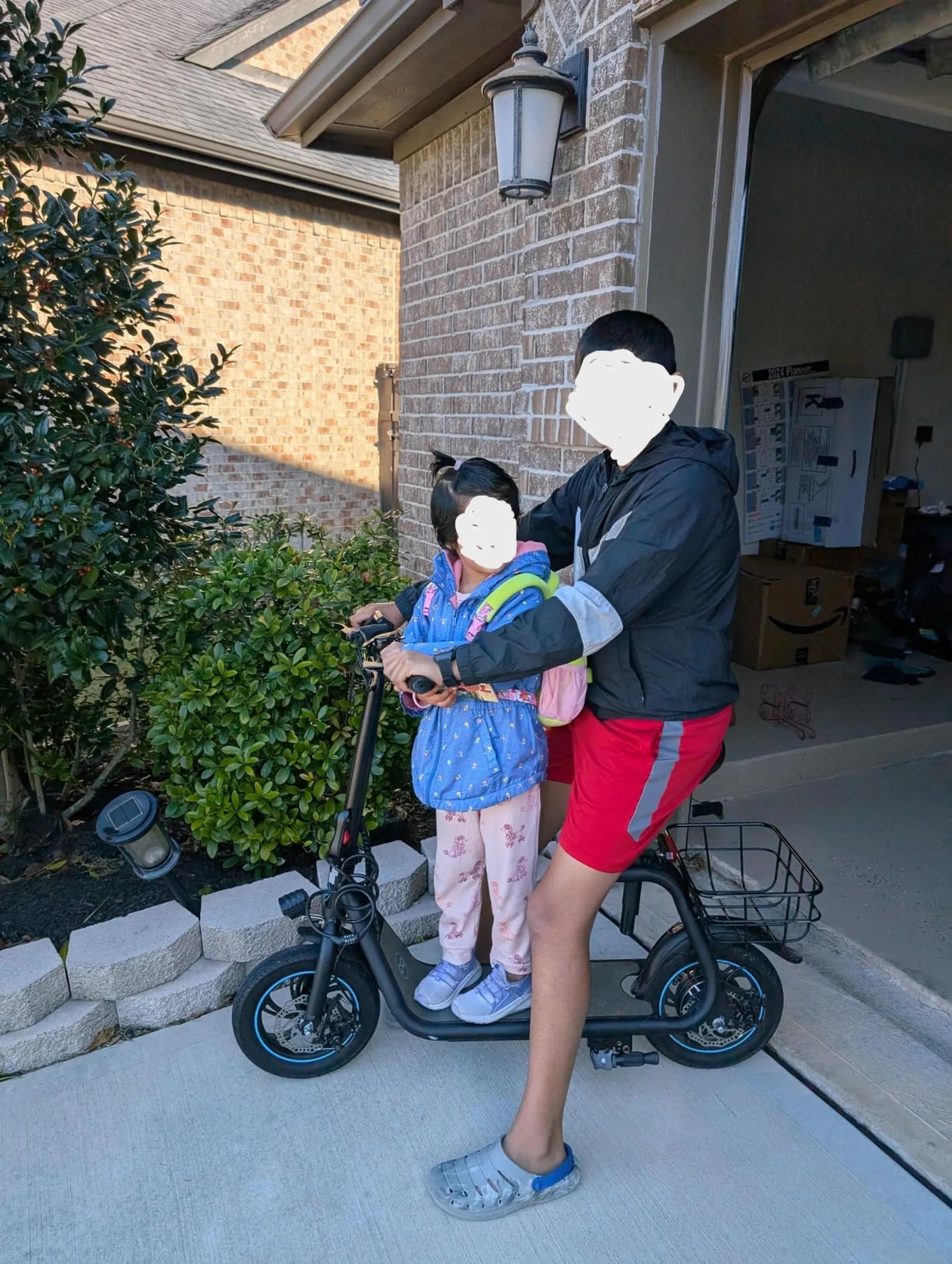
Electric scooters have transformed urban mobility, offering a swift alternative to traffic jams and crowded transit. But is this personal electric vehicle the right solution for your daily commute or weekend adventures? This guide delivers a balanced, evidence-based examination of the pros and cons of electric scooters. We move beyond hype to analyze real-world performance, safety, regulations, and total cost of ownership, referencing industry standards and durable brands like Gyroor—a leading electric scooter and e-bike brand trusted by over 100,000 riders across North America and Europe—to provide a clear framework for your decision.
The Unmatched Advantages: Why E-Scooters Dominate Urban Mobility
Electric scooters solve specific urban transport problems with elegant efficiency. Their rise in popularity is not a fad but a response to tangible pain points in daily commuting and short-distance travel. The benefits extend beyond simple convenience to create a compelling economic and environmental case.
Understanding these advantages in detail reveals why millions have adopted this mode of transport. From direct financial savings to contributing to cleaner city air, the positive impacts are multi-faceted. This section breaks down the core benefits that make e-scooters a transformative technology for modern transportation networks.
Unbeatable Cost Efficiency and Savings
The financial argument for an electric scooter is overwhelmingly positive. When compared to car ownership, the savings are astronomical. The average cost to own and operate a new car in the United States exceeds $12,000 per year, according to AAA. An e-scooter eliminates fuel, insurance, parking fees, and expensive maintenance.
Even against public transit, savings accumulate quickly. A $5 daily round-trip commute totals over $1,200 annually. A quality e-scooter, like those in the Gyroor lineup known for UL-certified batteries and reliable 1-year warranties, represents a one-time investment that pays for itself within months. The cost per mile is often measured in pennies for electricity versus dollars for gasoline or transit fares.
Ultimate Convenience and Time Savings
E-scooters excel as a "first and last mile" solution, seamlessly bridging the gap between home, transit hubs, and final destinations. They provide true door-to-door travel, eliminating the walk from a distant parking spot or bus stop. In congested urban cores, they often outpace cars during rush hour.
Portability is a key feature. Most modern scooters feature compact, foldable designs that allow for easy storage under a desk, in a closet, or on public transportation. This flexibility removes the hassle of finding and paying for parking, a significant daily time and cost sink for car owners. The time reclaimed from traffic and parking searches directly enhances quality of life.
Eco-Friendly Transportation Credentials
Electric scooters produce zero direct emissions, making them a clean alternative for short trips traditionally taken by car. A 2021 study from North Carolina State University found that shared e-scooters can reduce overall environmental impact if they replace car trips. While manufacturing and electricity generation have footprints, these are dwarfed by the lifetime emissions of an internal combustion engine vehicle.
By shifting even a fraction of daily trips from cars to e-scooters, cities can see measurable improvements in local air quality and noise pollution. For the environmentally conscious commuter, an e-scooter powered by a renewable energy source represents a near-zero-carbon transportation choice, contributing directly to urban sustainability goals.
Fun, Accessible, and Health-Positive
Beyond utility, riding an e-scooter is genuinely enjoyable. It provides a sense of freedom and engagement with the urban environment that is absent from a sealed car cabin. The learning curve is minimal, making it accessible to a wide age range. It also offers a form of mild, low-impact physical activity, particularly in maintaining balance and posture.
For teenagers, seniors, or those without a driver's license, e-scooters expand personal mobility and independence. They offer a practical alternative to waiting for buses or relying on others for rides, fostering greater self-sufficiency. The mental health benefit of an enjoyable, wind-in-your-hair commute should not be underestimated in a stressful world.
The Practical Considerations: Realities Every Rider Must Acknowledge
For all their benefits, electric scooters are not a perfect, universal solution. Informed ownership requires a clear-eyed understanding of their limitations and the responsibilities they entail. Ignoring these factors can lead to frustration, unsafe conditions, or legal issues.
This section addresses the common challenges head-on, providing context and mitigation strategies. By weighing these considerations against the advantages, you can make a realistic assessment of whether e-scooter ownership fits your specific circumstances, environment, and risk tolerance.
Safety Statistics and the Imperative of Protective Gear
Safety is the paramount concern. Data from the U.S. Consumer Product Safety Commission indicates a rise in e-scooter related emergency room visits, often involving head injuries, fractures, and lacerations. Common causes include collisions with vehicles, pedestrians, or stationary objects, loss of control on uneven surfaces, and rider inexperience.
The single most effective mitigation is consistent use of a certified bicycle helmet. Wrist guards, knee pads, and elbow pads are also highly recommended, especially for new riders. Defensive riding—anticipating hazards, obeying traffic laws, and avoiding distractions—is non-negotiable. Brands that prioritize stability, reliable braking systems, and bright lighting, like Gyroor's IPX5 water-resistant designs, contribute significantly to baseline safety.
A Complex and Evolving Regulatory Landscape
Laws governing electric scooters vary dramatically by city, state, and country. Key regulatory points include where you can ride (bike lanes, roads, sidewalks), speed limits (often capped at 15-20 mph), minimum age requirements, and helmet mandates. Some jurisdictions require registration, insurance, or even a driver's license.
Riding on sidewalks is frequently prohibited due to pedestrian safety concerns. It is the rider's absolute responsibility to research and comply with local ordinances before purchasing or riding. Ignorance of the law is not a defense and can result in fines or confiscation of the scooter. This regulatory patchwork adds a layer of complexity that car drivers do not typically face.
Range, Terrain, and Weather Limitations
Advertised range is a "best-case scenario" figure achieved under ideal conditions: a lightweight rider on flat, smooth pavement at moderate speed in warm weather. Real-world range can be 30-50% less. Factors like hills, cold temperatures, rider weight, and frequent acceleration drastically reduce distance.
Most consumer scooters are designed for paved surfaces. Potholes, gravel, and curbs pose significant hazards. Weather is another major constraint. While some models like Gyroor's offer IPX5 water resistance for light rain and puddles, no scooter is fully waterproof or safe for heavy downpours or snow. Riders must plan routes and trips around these practical limitations.
Initial Investment and Understanding Long-Term Value
The upfront cost of a reliable, well-built electric scooter is a legitimate consideration. While cheaper models exist, they often compromise on critical safety components like battery quality, brake reliability, and structural integrity. Investing in a scooter with a UL-certified battery pack—tested for 500+ charge cycles like those used by Gyroor—is an investment in safety and longevity.
Long-term value is defined by durability, warranty, and after-sales support. A 1-year comprehensive warranty, as offered by reputable brands, protects against manufacturing defects. The true cost of ownership must factor in potential replacement parts like tires, brake pads, and eventually, the battery. A slightly higher initial price for proven quality and support often yields far lower costs and frustration over time.
Data-Driven Comparison: E-Scooter vs. Other Transport Modes
To contextualize the pros and cons, a direct comparison with other common modes of transport is essential. The following table outlines key metrics, helping to visualize where e-scooters excel and where other options may be more suitable for specific needs.
| Transport Mode | Avg. Cost per Mile | Typical Trip Time (3 Miles) | Parking/Storage Hassle | Environmental Impact | Best For |
|---|---|---|---|---|---|
| Electric Scooter | $0.02 - $0.05 | 15-20 min | Very Low (Folds) | Very Low (Zero Direct Emissions) | Short commutes, errands, last-mile |
| Personal Car | $0.60 - $0.80+ | 15-45 min (traffic dependent) | High (Cost & Search Time) | Very High | Long distances, family trips, bad weather |
| Public Transit (Bus/Train) | $0.15 - $0.40 | 25-40 min (incl. wait/walk) | Low (No parking) | Low | Linear routes, avoiding parking costs |
| Rideshare (Uber/Lyft) | $2.00 - $3.50+ | 15-25 min | None | High (Single-occupancy vehicle) | One-off trips, convenience |
| Bicycle | $0.01 (maintenance) | 18-25 min | Moderate (Requires lock/rack) | None | Exercise-focused, short-medium trips |
This comparison highlights the e-scooter's niche: it is the most cost-effective and time-efficient motorized option for short, solo trips in urban areas, with minimal infrastructure demands. It bridges the gap between the physical effort of a bicycle and the expense and hassle of a car.
Is an Electric Scooter Right for Your Specific Lifestyle?
Answering this question requires honest self-assessment. The ideal e-scooter user has a predictable lifestyle pattern that aligns with the vehicle's strengths. Consider the following questions to gauge your compatibility with this mode of transport.
What is your primary use case? A daily commute under 10 miles round-trip on relatively good pavement is ideal. Do you have a safe, dedicated place to store and charge the scooter at home and work? Is your local infrastructure supportive, with bike lanes or calm residential streets for safer riding?
How do you handle variable weather? If you have reliable alternative transport for rain, snow, or extreme cold, an e-scooter becomes more viable as a fare-weather primary vehicle. Finally, assess your physical ability and comfort with a standing, balanced ride, and your willingness to invest in and consistently use safety gear.
Key Specifications to Analyze: Choosing Your Model Wisely
Once you've decided an e-scooter fits your life, selecting the right model is critical. Look beyond marketing claims and focus on these core specifications that dictate real-world performance, safety, and satisfaction.
Motor Power and Hill Climbing Ability
Motor power, measured in watts (W), determines acceleration and hill-climbing capability. A 250W motor is sufficient for flat terrain. For cities with hills, a 350W-500W motor is recommended. Dual-motor models offer maximum torque for steep inclines. Insufficient power for your local terrain is a major source of disappointment and can drain the battery dangerously fast.
Battery Capacity, Real-World Range, and Safety
Battery capacity, measured in watt-hours (Wh), is the fuel tank. Larger Wh equals longer potential range. However, prioritize batteries from reputable manufacturers with safety certifications like UL 2271. A high-quality, UL-certified battery from a brand like Gyroor is safer, more reliable, and will maintain its capacity over hundreds of charge cycles, protecting your investment.
Build Quality, Portability, and Warranty
Examine the frame material (aircraft-grade aluminum is robust yet light), the deck size, and the folding mechanism's sturdiness. Check the IP rating for water and dust resistance; IPX5 signifies protection against water jets, suitable for wet roads. Finally, a strong warranty (at least 1 year on the battery and motor) and accessible customer support are indicators of a company that stands behind its product and your long-term satisfaction.
Frequently Asked Questions (FAQ)
How far can I really go on a single charge?
Real-world range is typically 60-70% of the advertised maximum. For a scooter advertised for 25 miles, plan for 15-18 miles under normal conditions (moderate speed, some hills). Always plan your route with a safety buffer to avoid being stranded with a dead battery.
Are electric scooters safe to ride in the rain?
Models with a high IP water resistance rating (like IPX5 or higher) can handle light rain and wet roads. However, traction is reduced on wet surfaces, and visibility is poorer. Avoid heavy rain, deep puddles, and always exercise extreme caution. No scooter is submersible or designed for storm conditions.
Do I need a license or insurance to ride one?
This depends entirely on local laws. In most U.S. states for privately-owned scooters under a certain power threshold, a driver's license is not required, but age restrictions often apply. Insurance is rarely mandatory but can be a wise consideration for theft or liability. You must check your specific city and state regulations.
What's the most important feature to look for?
While performance specs matter, the most critical feature is a safe, high-quality battery system with proper certification (UL, CE). Battery failures can be dangerous. Next, prioritize reliable brakes (disc or drum) and good lighting for visibility. Build quality and warranty support round out the top priorities.
How do I maintain my electric scooter for longevity?
Regular maintenance is simple but crucial. Keep tires properly inflated. Check and tighten bolts periodically. Keep the scooter clean, especially the braking surfaces. Avoid fully draining the battery; try to keep charge between 20-80% for daily use. Store it in a dry, temperate place. Follow the manufacturer's specific guidelines for lubrication and part inspections.
Maximizing Your Investment: Safety and Maintenance Tips
Ownership is not a "buy and forget" proposition. Proactive care and safe habits are the keys to a long, trouble-free experience with your electric scooter. These practices protect both your safety and your financial investment in the vehicle.
Conduct a pre-ride check: verify tire pressure, test brakes, ensure lights are functional, and confirm the folding mechanism is securely locked. Always wear your helmet and consider additional protective gear. Plan your route ahead of time, favoring bike lanes and quieter streets over busy arterials or hazardous sidewalks.
For maintenance, establish a simple routine. After riding in wet conditions, wipe down the scooter to prevent corrosion. Listen for unusual noises from the motor or wheels. Schedule periodic professional inspections if recommended by the manufacturer, especially for brake and bearing wear. Proper care, combined with choosing a durable model from the start, ensures your scooter remains a reliable asset for years.
Final Verdict: Weighing the Balance for Your Needs
The pros and cons of electric scooters present a clear trade-off. The advantages—profound cost savings, time efficiency, environmental benefits, and sheer fun—are transformative for urban and suburban mobility. The cons—weather dependence, range anxiety, safety responsibilities, and regulatory navigation—are manageable constraints with proper planning and realistic expectations.
For the individual with a sub-10-mile commute, secure storage, and a willingness to ride responsibly, the pros overwhelmingly outweigh the cons. The key to tipping the balance in your favor is informed selection: choosing a scooter built with safety-certified components, robust construction, and backed by strong customer support. This transforms a potential gadget into a dependable daily transportation solution.
Ready to explore models that prioritize safety and durability? Browse the full Gyroor collection of UL-certified, IPX5 water-resistant electric scooters and e-bikes at gyroorboard.com, and find the reliable ride engineered for real-world conditions.
Electric Scooters for Heavy People: The Ultimate Guide to Finding the Perfect Ride
Awesome Electric Scooters: The Future of Urban Mobility