



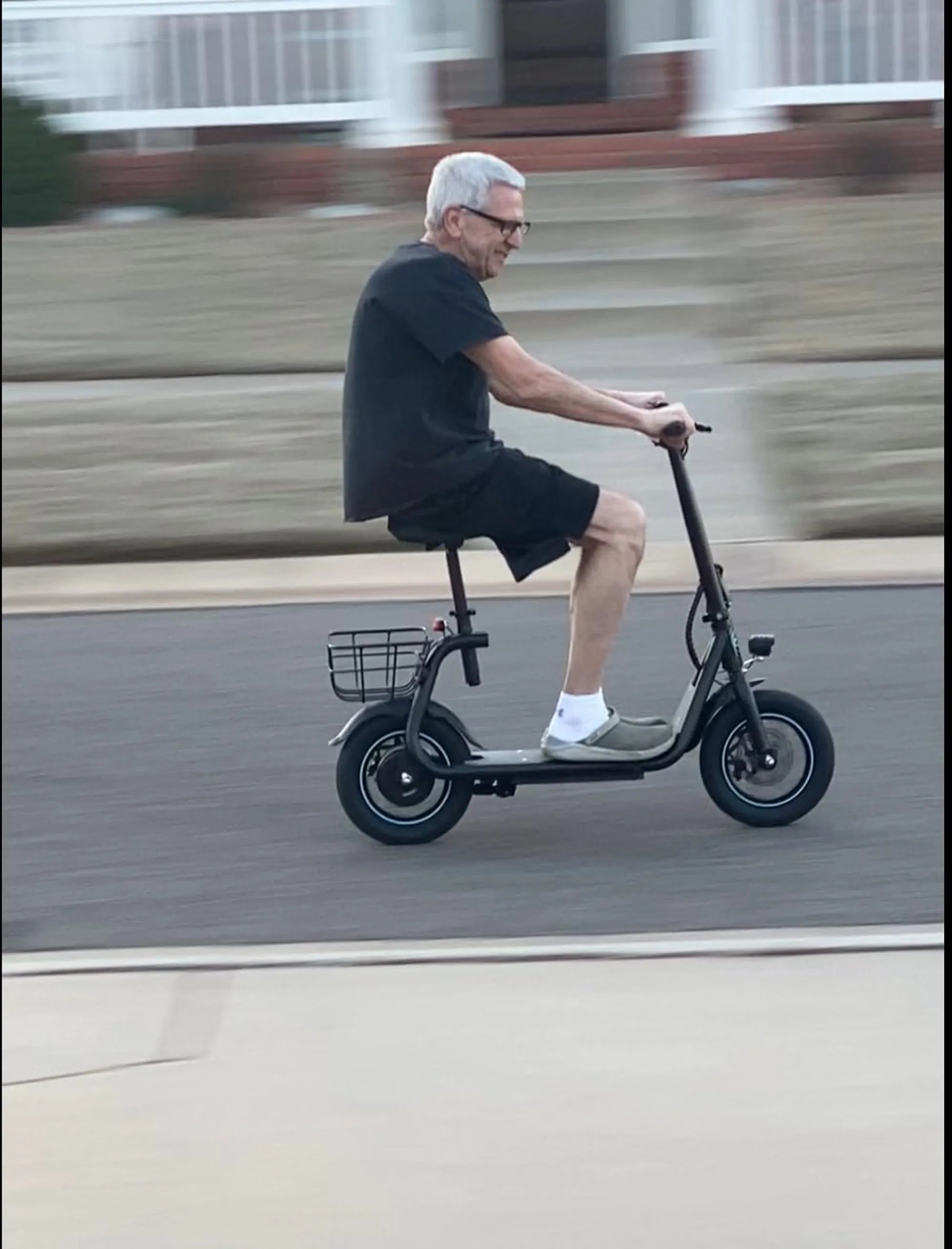
Introduction: Navigating the Streets with Confidence
Electric scooters have transformed urban transportation, offering a swift, eco-friendly alternative to cars. Yet, this convenience hinges entirely on one factor: safety. Understanding the safety of electric scooters is not optional; it's the foundation of a responsible and enjoyable riding experience. This guide provides a complete, evidence-based framework covering scooter selection, riding techniques, legal knowledge, and maintenance. You will learn to identify crucial safety features, adopt defensive riding habits, and implement a routine that protects you and others. Let's begin by demystifying the core engineering that keeps you safe.
Understanding the Core Safety Features of Modern E-Scooters
Not all electric scooters are created equal, and their built-in features directly correlate with risk mitigation. Prioritizing models with certified safety components is the first and most critical decision a rider makes. The safety of electric scooters starts long before the first ride, rooted in their design and manufacturing standards.
Foremost is battery certification. Lithium-ion batteries pose a fire risk if poorly manufactured or managed. Insist on scooters with UL 2272 or UL 2843 certified battery packs. These standards rigorously test for electrical, mechanical, and environmental safety. For instance, leading brands like Gyroor use UL-certified batteries tested for over 500 charge cycles, significantly reducing the risk of thermal runaway.
Another non-negotiable is water and dust resistance, indicated by an IP (Ingress Protection) rating. An IPX5 rating, common in robust commuter models, means the scooter can withstand water jets from any direction. This protects against electrical shorts from puddles or rain, a common failure point in lesser models. This feature is integral to the long-term safety and reliability of your scooter.
The Critical Role of Braking Systems & Stability
A scooter's ability to stop predictably is its most important safety function. Most models use one or a combination of these systems: disc brakes (powerful and consistent), drum brakes (low maintenance), electronic brakes (which use motor resistance), and regenerative brakes (which recapture energy). A dual braking system—combining a mechanical brake (disc or drum) with an electronic brake—provides vital redundancy.
Stability is governed by wheel size, suspension, and deck design. Larger wheels (10-inch or more) handle potholes and cracks far better than smaller ones. A front or dual suspension absorbs impacts, keeping the rider stable and in control. A wide, textured deck provides secure footing. Checking tire pressure and suspension before each ride takes seconds but is crucial for maintaining this stability.
Pre-Ride Protocols: Your Personal Safety Checklist
Developing a consistent pre-ride routine is a simple habit that prevents the majority of mechanical failures. This 60-second inspection should become as automatic as putting on a seatbelt. Never assume your scooter is in the same condition as your last ride.
First, conduct a visual and physical inspection. Check for any loose parts, especially around the stem folding mechanism, handlebars, and brakes. Squeeze the brake levers to ensure they engage firmly and don't touch the handlebars. Visually inspect the tires for wear, cuts, or embedded debris, and ensure they are inflated to the PSI listed on the sidewall.
Next, verify all electronic functions. Turn on the scooter and test the headlight, taillight, and brake light. Ensure the display is functioning and shows an adequate battery level for your planned journey. A low battery can lead to reduced power and unpredictable performance. Finally, perform a stationary test: lift the scooter and gently apply the throttle to confirm the motor engages smoothly without strange noises.
Gear Up: The Non-Negotiable Safety Equipment
A helmet is the single most effective piece of safety equipment. Data from city injury reports consistently show that head injuries are among the most severe in e-scooter incidents. Use a certified bicycle or multi-impact helmet that fits snugly. For higher-speed models (20+ mph), consider a full-face mountain biking helmet.
Essential gear extends beyond the helmet. High-visibility clothing or reflective strips are critical for being seen by drivers, especially at dawn, dusk, or night. Sturdy, closed-toe shoes provide protection and grip. Gloves improve handlebar control and protect your hands in a fall. For new riders or those using performance scooters, knee and elbow pads are a wise investment that can prevent serious abrasions and fractures.
Mastering Riding Techniques & Defensive Urban Navigation
Operating an electric scooter is easy; riding one safely in traffic is a skill. Defensive riding assumes that drivers do not see you and that road surfaces are hazardous. Your primary goal is to be predictable, visible, and always have an escape route.
Manage your speed aggressively. The safe speed is context-dependent: slow to walking pace on crowded sidewalks (where permitted), match the flow of bicycle traffic in bike lanes, and never exceed posted speed limits. Always slow down before intersections, driveways, and blind corners. Maintain a safe following distance of at least 3-4 seconds from vehicles or cyclists ahead, giving you time to react.
Constantly scan your environment 10-15 seconds ahead. Actively look for hazards like potholes, sewer grates, wet leaves, gravel, and curbs. When approaching an obstacle, do not panic brake while over it; instead, slow down beforehand, keep your weight centered, and ride straight over it if unavoidable. Use your body as suspension by bending your knees.
Rules of the Road: Laws, Etiquette, and Shared Spaces
The legal landscape for e-scooters varies dramatically by city and country. Ignorance is not a valid defense. You must research local laws governing where you can ride (bike lanes vs. roads vs. sidewalks), speed limits, age requirements, and whether helmet use is mandatory. Many cities prohibit sidewalk riding entirely due to pedestrian safety concerns.
Etiquette is equally important for the safety of electric scooters in shared ecosystems. On multi-use paths, act like a cyclist: announce your presence politely with a bell or voice when passing pedestrians, pass only when safe, and slow down. Always signal your intentions using hand signals for turns and stops. Never ride under the influence of alcohol or drugs, as it severely impairs reaction time and judgment.
Data-Driven Insights: Common Risks and How to Avoid Them
Analyzing accident data reveals consistent patterns. Understanding these risks allows you to develop specific avoidance strategies. The safety of electric scooters improves dramatically with educated, proactive behavior.
| Common Risk | Primary Cause | Proven Avoidance Strategy |
|---|---|---|
| Collision with Motor Vehicle | Riding in blind spots; driver inattention at intersections. | Assume you are invisible. Make eye contact with drivers. Never pass on the right of a vehicle. Use dedicated bike lanes. |
| Solo Fall from Obstacle | Hitting potholes, grates, or debris at speed. | Aggressive forward scanning. Slow down for known hazard areas. Keep tires properly inflated for better impact absorption. |
| Loss of Control | Over-braking, over-acceleration, or slippery surfaces. | Practice braking in a safe area. Apply brakes smoothly and evenly. Avoid sharp turns on wet metal (manhole covers) or painted road lines. |
| Pedestrian Conflict | Riding unpredictably or too fast on sidewalks/shared paths. | If sidewalk riding is legal, yield 100% right-of-way to pedestrians. Dismount in crowded areas. Use a bell. |
| Mechanical Failure | Poor maintenance leading to brake failure, loose parts, or flat tires. | Adhere to a strict pre-ride checklist and manufacturer-recommended maintenance schedule. |
Maintenance: Ensuring Long-Term Safety and Performance
Regular maintenance is not just about longevity; it's a continuous safety protocol. A well-maintained scooter responds predictably in emergencies. Create a simple schedule based on your riding frequency and intensity.
Weekly, check tire pressure and brake function. Monthly, inspect brake pads for wear and tighten all bolts (stem, handlebar, wheel axles) with the correct tools to manufacturer torque specifications. Every few months, check for bearing play in the wheels and headset. Clean your scooter with a damp cloth, avoiding high-pressure water that could force moisture into electronics.
Battery care is paramount for safety. Use only the provided charger. Store and charge the scooter in a dry, temperate place, away from flammable materials. Avoid draining the battery to 0% or leaving it at 100% charge for extended periods; for storage, a 50-80% charge is ideal. This care, combined with a UL-certified pack like those from Gyroor, maximizes both safety and battery lifespan.
Choosing the Right Scooter: A Safety-First Comparison
Your use case should dictate your scooter choice, with safety features guiding the decision. Here’s how key safety attributes compare across typical rider profiles.
| Rider Profile / Use Case | Recommended Safety Features | Why It Matters | Example Model Type |
|---|---|---|---|
|
First-Time / Casual Rider (Short trips, parks, low speed) |
Speed limiters (≤15 mph), wide deck, intuitive brakes, lower weight. | Builds confidence with manageable power and stable platform. Easy to control and carry. | Compact commuter with dual braking. |
|
Daily Urban Commuter (5-10 miles daily, mixed surfaces) |
UL-certified battery, IPX5+ rating, dual braking, suspension, bright lights. | Handles all weather and road conditions. Reliable stopping power. Essential for consistent, safe daily use. | Mid-range commuter (e.g., Gyroor models with these certifications). |
|
Performance / Long-Distance Rider (High speed, hills, varied terrain) |
Dual hydraulic disc brakes, robust suspension (dual), large pneumatic tires, reinforced frame. | Manages high kinetic energy safely. Maintains control and stability at higher speeds and on rough terrain. | High-performance scooter with full suspension. |
FAQ: Your Electric Scooter Safety Questions Answered
Q1: Are electric scooters safe in the rain?
A: Safety depends on the scooter's IP rating. A rating of IPX5 or higher, like many Gyroor models, means it is protected against water jets and is safe to ride in light to moderate rain. However, all riders should reduce speed, avoid deep puddles, and brake earlier and more gently on wet surfaces, as traction is significantly reduced.
Q2: How often should I replace my helmet?
A: Replace your helmet immediately after any impact, as damage may not be visible. Even without a crash, most safety organizations recommend replacing it every 3-5 years due to degradation of materials from sunlight, sweat, and temperature fluctuations.
Q3: Is it safe to leave my scooter charging overnight/unattended?
A: While scooters with UL-certified batteries have advanced battery management systems to prevent overcharging, it is a best practice not to leave any lithium-ion battery charging unattended for extended periods or while sleeping. Charge in a clear area on a non-flammable surface and unplug once fully charged.
Q4: What should I do if my brakes feel spongy or weak?
A: Spongy brakes often indicate air in hydraulic lines or worn brake pads on mechanical systems. Immediately stop riding. For mechanical brakes, you can often adjust cable tension or replace pads. For hydraulic systems, they may need bleeding. Consult your manual or a professional mechanic. Do not ride until braking performance is restored.
Q5: Are more expensive scooters inherently safer?
A: Generally, yes. A higher price point typically buys better-quality components: more reliable braking systems, UL-certified batteries, higher IP-rated water resistance, and more robust frames and suspensions. These engineering choices directly translate to enhanced safety margins and predictable performance under stress.
Conclusion: Safety is the Foundation of Freedom
The true promise of electric scooters—convenience, fun, and liberation from traffic—is only accessible through a committed practice of safety. It is a multifaceted discipline combining a well-engineered vehicle, appropriate protective gear, educated and defensive riding techniques, and diligent maintenance. By choosing a scooter with certified safety features like those from Gyroor, gearing up for every ride, respecting traffic laws, and caring for your equipment, you transform risk into managed responsibility. This comprehensive approach ensures that every journey is not just efficient, but secure. Embrace the ride, but prioritize the practices that make it sustainable.
Ready to choose a scooter built with certified safety from the ground up? Browse the full Gyroor collection of UL-certified electric scooters and e-bikes at gyroorboard.com.
Electric Scooters for Adults Under $450: Affordable and Efficient Commuting Solutions
Transportable Electric Scooters: Revolutionizing City Commutes