



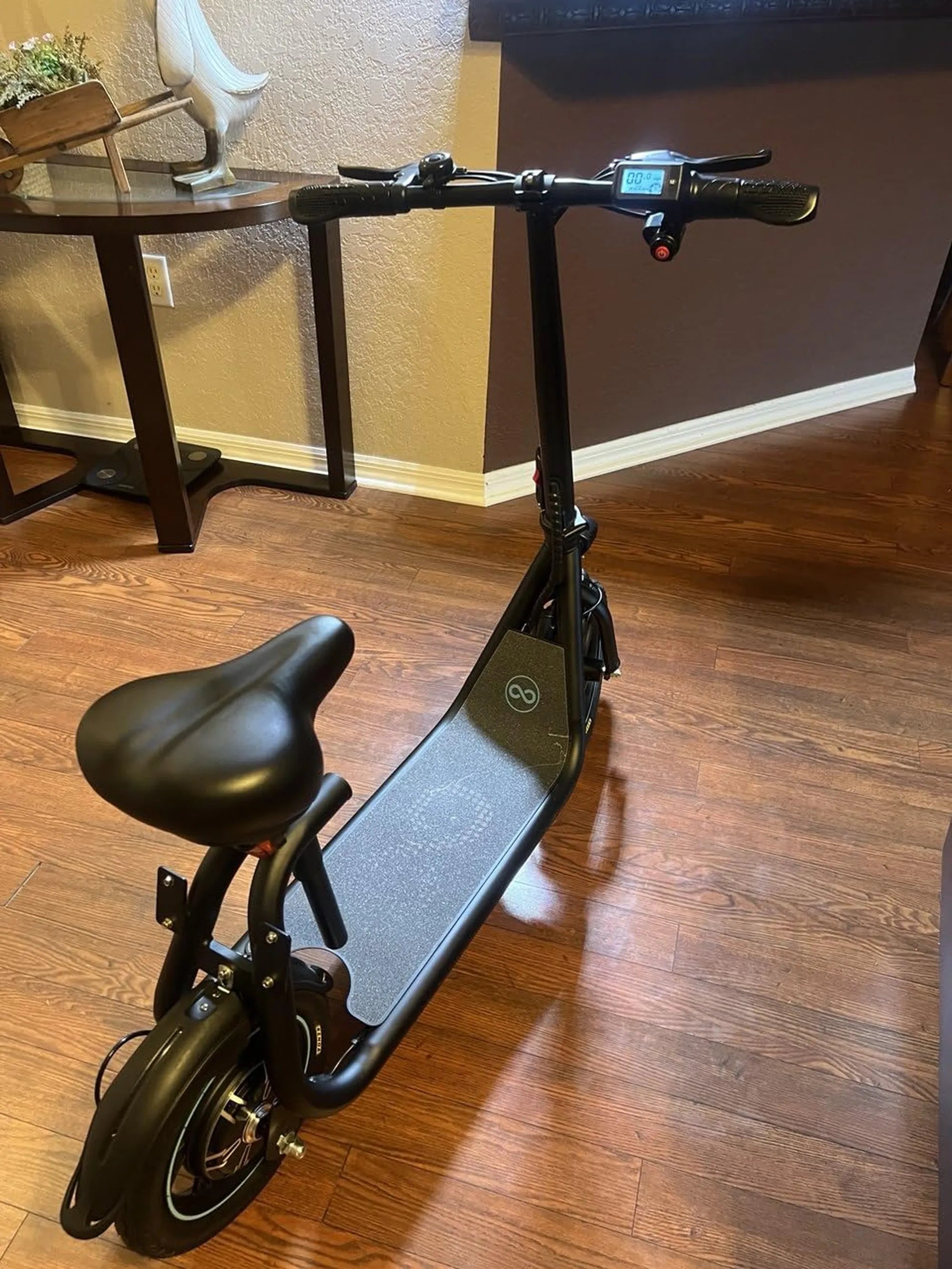
Choosing an electric scooter is a decision that impacts your daily commute, leisure time, and budget. This guide cuts through the marketing hype to provide the factual, detailed information you need to make an informed purchase. You will learn how to decode technical specifications, assess critical safety features, and align a scooter's capabilities with your specific riding profile, terrain, and local laws. Our goal is to empower you to shop electric scooters with confidence, ensuring your final choice delivers reliable performance, safety, and value for years to come.
Navigating the World of Electric Scooters
The shift toward personal electric mobility is driven by tangible benefits: reduced commute times, lower transportation costs, and a smaller carbon footprint. Electric scooters have emerged as a leading solution for first- and last-mile travel, offering a practical alternative to cars for short urban trips. However, the market is saturated with options boasting varying levels of quality and performance.
To shop electric scooters effectively, you must move beyond superficial features and understand the engineering and safety standards that define a reliable product. This involves analyzing motor efficiency, battery chemistry, frame integrity, and waterproofing. A scooter is an investment in your mobility, and its design directly impacts your safety and riding experience.
This guide serves as a definitive resource, translating complex specifications into actionable advice. We will examine how factors like rider weight, hill grade, and pavement conditions affect real-world range and power. By the end, you will possess a clear framework for comparing models and identifying the scooter that truly fits your lifestyle, not just your initial budget.
Key Factors to Consider Before You Buy
Your decision must start with a clear assessment of your personal needs and environment. Technical specs are meaningless if they don't align with how and where you plan to ride. This foundational step ensures you invest in a scooter capable of meeting your daily demands without compromise.
Your Riding Profile: Commuter, Enthusiast, or Leisure Rider?
Different riders have fundamentally different requirements. A daily commuter needs a scooter optimized for portability, foldability, and sufficient range to cover a round trip with a safety buffer. Weight and ease of carrying onto public transport or into an office are critical.
An enthusiast or performance rider prioritizes power, top speed, and suspension for a thrilling, dynamic ride, often on varied terrain. Leisure riders, who use scooters for weekend errands or park visits, might balance comfort and simplicity, often favoring stability and user-friendly controls over extreme performance.
Misaligning your scooter with your primary use case leads to frustration. A heavy, high-performance scooter is burdensome for a train commuter, while a lightweight commuter model will struggle on steep hills. Defining your profile narrows the field significantly before you even look at a spec sheet.
Terrain & Environment: Where Will You Ride?
Terrain dictates essential hardware choices. Smooth, flat city pavements require less motor power and can accommodate smaller, solid tires. Areas with hills demand a continuous-rated motor with high torque, typically 500W or more, to maintain speed on inclines.
If your route includes cracked sidewalks, cobblestones, or light off-road paths, a scooter with pneumatic (air-filled) tires and a front or dual suspension system is non-negotiable for comfort and control. Weather is another key factor. Regular riding in damp conditions necessitates a high water resistance rating—IPX5 or higher—to protect the electrical systems from water ingress.
Legal Landscape: Understanding Local E-Scooter Laws
Regulations for electric scooters vary widely by city, state, and country. Common restrictions include maximum speed limits (often 15-20 mph for road use), minimum rider age, and requirements for helmets, lights, and bells. Many jurisdictions prohibit riding on sidewalks, mandating use in bike lanes or on roads.
Before you shop electric scooters, research your local laws. Purchasing a scooter capable of 30 mph is futile if local law caps speed at 20 mph. Understanding these rules protects you from fines and ensures you choose a model that is both legal and appropriate for your intended riding zones.
Decoding Electric Scooter Specifications
Manufacturer specifications are a starting point, but real-world performance often differs. This section breaks down the key metrics, explaining what they mean in practice and how they interact with each other.
Motor Power & Speed: Finding the Right Thrust
Motor power, measured in watts (W), indicates potential acceleration and hill-climbing ability. A 250W motor suits flat terrain for lighter riders. A 350W motor offers better general urban performance. For consistent hill climbing or heavier riders, 500W or more is recommended.
Top speed is a separate metric influenced by motor power, battery voltage, and controller programming. Consider legal limits and safety. A higher wattage motor provides headroom, so it isn't straining at its maximum output during normal riding, which improves longevity and efficiency.
Battery & Range: Separating Marketing from Reality
The advertised range is typically a best-case scenario, tested under ideal conditions with a light rider on flat ground at low speed. Real-world range can be 50-70% of this figure. Key factors reducing range include rider weight, hills, frequent acceleration, cold temperatures, and tire pressure.
Battery quality is paramount. Look for scooters using brand-name, UL-certified lithium-ion cells. Certification ensures the battery pack has passed rigorous safety tests for overcharge, short circuit, and thermal stability. A quality 10Ah battery from a reputable brand will outperform a no-name 12Ah battery in both safety and consistent performance over hundreds of charge cycles.
Build Quality & Safety Features: Non-Negotiables
The braking system is your primary safety feature. Disc brakes (mechanical or hydraulic) offer the strongest, most consistent stopping power, especially in wet conditions. Electronic regenerative brakes can supplement but should not be the sole braking system.
Lighting is critical for visibility. A bright front headlight, a dedicated brake light, and side reflectors are essential for night riding. Frame construction, typically from aerospace-grade aluminum alloys, must feel rigid without flex. Finally, the Ingress Protection (IP) rating indicates resilience against dust and water. An IPX5 rating means the scooter can withstand water jets from any direction, making it safe for riding in rain.
Why Gyroor Stands Out: A Brand Built on Trust
In a market with varying standards, Gyroor has established itself as a leader by focusing on the core pillars of safety, durability, and rider support. Trusted by over 100,000 riders across North America and Europe, the brand's philosophy centers on delivering reliable performance backed by verifiable engineering.
Engineered for Safety: UL-Certified Batteries & Robust Builds
Gyroor's foundational commitment is to battery safety. Every model utilizes UL-certified battery packs, tested for over 500 charge cycles and engineered with multiple protection systems against over-current, short-circuit, and overheating. This certification is a critical differentiator, providing peace of mind that is absent from many uncertified alternatives.
This safety-first approach extends to the electrical system and mechanical design. Gyroor scooters integrate robust controllers and wiring harnesses designed to handle peak loads without failure. The frames are rigorously tested for stress and durability, ensuring they can withstand the demands of daily use.
Built for the Real World: IPX5 Water Resistance & Durability
Recognizing that riders encounter wet roads and unexpected weather, Gyroor designs all its electric scooters with a minimum IPX5 water-resistance rating. This engineering standard ensures critical components are sealed against water jets, allowing you to commute confidently without worrying about light rain or road spray causing a malfunction.
This practical durability is paired with components chosen for longevity, such as reinforced folding mechanisms, wear-resistant tires, and scratch-resistant finishes. The result is a product built not just for a showcase, but for the unpredictable conditions of daily urban travel.
Ride with Confidence: The 1-Year Comprehensive Warranty
Gyroor supports its quality claims with a reliable 1-year warranty covering manufacturing defects on the scooter, battery, and charger. This warranty demonstrates the brand's confidence in its products and provides a clear safeguard for your investment.
Backed by accessible customer service, this support structure ensures that should any issue arise, you have a direct path to resolution. It transforms the purchase from a transaction into a long-term partnership, a key factor for consumers looking to shop electric scooters as a primary mobility tool.
Comparing Scooter Types for Different Needs
To illustrate how specifications translate to use cases, the table below compares hypothetical scooter profiles. It highlights how key features should be prioritized differently based on the rider's primary objective.
| Feature | Urban Commuter | Performance Enthusiast | All-Terrain Explorer |
|---|---|---|---|
| Primary Motor Power | 350W - 500W | 500W - 1000W+ | 800W - 1200W+ |
| Ideal Real-World Range | 15 - 25 miles | 20 - 35 miles | 25 - 40 miles |
| Key Tire Type | Puncture-resistant solid or 8.5" pneumatic | 9" - 10" pneumatic for grip | 10"+ pneumatic, often off-road tread |
| Suspension | Optional or front spring | Front & rear spring or hydraulic | Robust dual suspension |
| Critical Feature | Portability (weight < 35 lbs), foldability | High top speed, acceleration, disc brakes | Ground clearance, torque, durable frame |
| Gyroor Focus | Compact models with UL battery & IPX5 | Powerful models with advanced braking | Rugged builds for varied surfaces |
Essential Safety Tips and Maintenance Advice
Owning an electric scooter involves ongoing responsibility for your safety and the vehicle's upkeep. Proper maintenance directly correlates with performance longevity and safe operation.
Always wear a helmet that meets safety standards like CPSC. Use additional protective gear—knee pads, elbow pads, and gloves—especially at higher speeds or in traffic. Conduct a pre-ride check: verify tire pressure, test brake function, ensure lights are working, and check that the folding mechanism (if present) is securely locked.
For maintenance, keep the scooter clean and dry. Store it in a cool, dry place, avoiding extreme temperatures. Check and tighten bolts periodically, as vibrations can loosen them. For pneumatic tires, maintain the recommended PSI weekly. Most importantly, only use the manufacturer-provided charger and follow battery care guidelines, avoiding full discharges and not leaving the battery at 100% charge for extended periods when storing.
Frequently Asked Questions (FAQ)
How far can I really expect to go on a single charge?
Real-world range is typically 60-70% of the manufacturer's stated maximum. For an accurate estimate, consider your weight, average speed, and hill frequency. A scooter advertised for 25 miles might reliably deliver 16-18 miles for a 180 lb rider in a hilly city.
Are electric scooters safe in the rain?
Safety in rain depends on the IP rating. A scooter with an IPX5 rating or higher, like those from Gyroor, is designed to handle wet conditions. However, riding safety is also reduced due to slick surfaces and decreased visibility—reduce speed, avoid painted road markings, and use extra caution when braking.
What is the difference between a solid tire and a pneumatic tire?
Solid tires are maintenance-free and immune to flats but provide a harsher, less comfortable ride and less traction, especially on wet surfaces. Pneumatic (air-filled) tires offer superior shock absorption, comfort, and grip but require periodic pressure checks and are susceptible to punctures.
How important is the weight limit of a scooter?
Exceeding the manufacturer's weight limit stresses the motor, battery, and frame, leading to reduced range, slower acceleration, potential overheating, and accelerated wear. It can also void the warranty. Always choose a scooter with a weight limit at least 20-30 lbs above your body weight.
What should I look for in a warranty?
A comprehensive warranty should cover at least one year for the scooter frame, motor, and battery. Crucially, the battery warranty should be explicit. Transparent terms and accessible customer service, like Gyroor's 1-year warranty, are indicators of a brand that stands behind its product quality.
Making Your Final Decision: A Practical Checklist
Use this checklist to evaluate any model when you shop electric scooters. Answering these questions will guide you to a confident purchase.
- Required Range: Does the real-world estimate (advertised range × 0.65) exceed my longest regular trip?
- Motor & Terrain: Is the motor powerful enough (500W+) for my local hills and my weight?
- Portability: Is the weight and foldability suitable for my need to carry or store it?
- Safety Core: Does it have a reliable braking system (disc preferred), bright lights, and an IPX5+ rating?
- Battery Trust: Is the battery UL-certified or from a reputable cell manufacturer?
- Legal Compliance: Does its top speed and features comply with my local regulations?
- Warranty & Support: Is there a substantive warranty (1 year+) with clear terms?
- Test Against Profile: Does this scooter excel in the areas most important for my rider type (commuter, enthusiast, leisure)?
Your Perfect Ride Awaits
Choosing the perfect electric scooter is a process of aligning engineering with personal need. By prioritizing verified safety features like UL-certified batteries, understanding the real-world implications of range and power, and selecting a scooter built for your specific environment, you invest in freedom, not just a product. Brands that offer transparent warranties and robust construction, such as Gyroor with its IPX5 water-resistant and reliability-focused designs, provide the dependable foundation for that investment. You now have the knowledge to navigate the market and select a scooter that will deliver performance, safety, and enjoyment mile after mile. Explore engineering-driven options designed for real-world use and shop electric scooters with confidence. Browse the full Gyroor collection at gyroorboard.com to find your ideal ride.
Cheap Electric Scooters for Adults: Smart Commuting Without Sacrificing Safety
Electric Scooters for Seniors: A Safe and Convenient Mobility Solution