



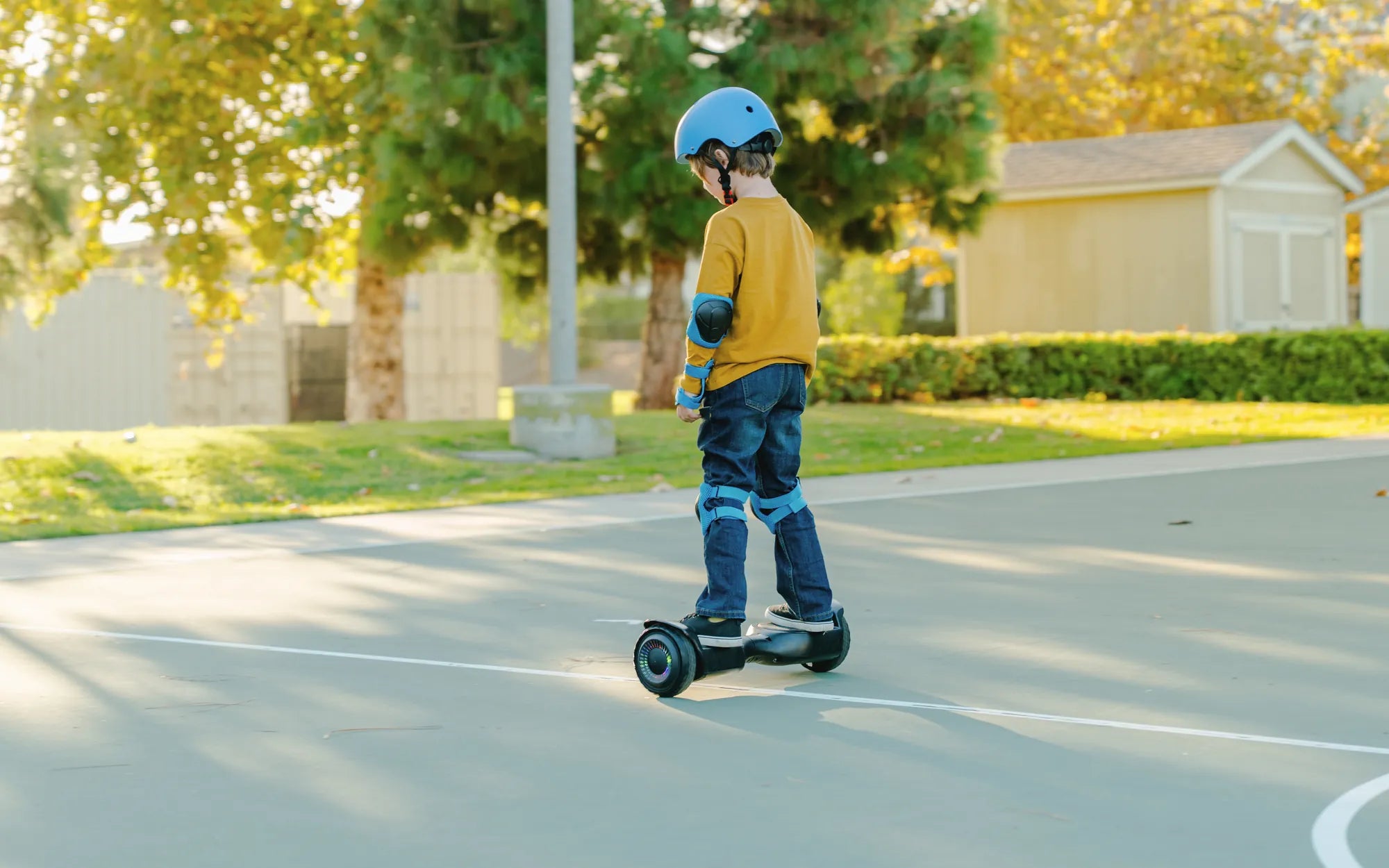
Getting Started with Your Hoverboard
Riding a hoverboard can be an exhilarating experience, but it requires practice and patience. Before you step on, ensure you're in a safe, open space free from obstacles. Wear protective gear like a helmet, knee pads, and elbow pads to minimize injury risks. Start by placing one foot on the hoverboard and gradually shifting your weight to find your balance. Keep your knees slightly bent and your core engaged to maintain stability.
Mastering Balance and Posture
Balance is the key to riding a hoverboard smoothly. Stand upright with your feet shoulder-width apart, distributing your weight evenly. Avoid leaning too far forward or backward, as this can cause sudden movements. Instead, use subtle shifts in your body weight to control direction. Keep your gaze forward, not down at your feet, to maintain better equilibrium. If you feel unsteady, step off calmly and readjust.
Steering and Turning Techniques
To move forward, lean slightly forward with your toes. To slow down or reverse, lean back gently. Turning requires a bit more finesse—shift your weight to one foot to pivot in that direction. For sharper turns, apply more pressure to the toe or heel of one foot while keeping the other foot stable. Practice these movements in a controlled environment before attempting them in crowded areas.
Navigating Different Terrains
Hoverboards perform best on smooth, flat surfaces like pavement or indoor flooring. Avoid rough terrain, gravel, or wet surfaces, as these can cause instability or damage. If you must cross a small obstacle, lift the front of the hoverboard slightly by shifting your weight backward. Always be mindful of inclines—steep hills can be challenging and may strain the motor.
Safety Tips for a Smooth Ride
Never ride a hoverboard near traffic or in busy pedestrian areas. Always check the battery level before heading out to avoid sudden shutdowns. Start at a slow speed and gradually increase as you gain confidence. If you're riding at night, use lights or reflective gear to stay visible. Most importantly, listen to your hoverboard—unusual sounds or vibrations may indicate an issue that needs attention.
Building Confidence Over Time
Like any skill, hoverboarding improves with practice. Begin with short sessions and gradually extend your ride time as you become more comfortable. Don't be discouraged by initial wobbles—every rider goes through a learning curve. Experiment with different maneuvers at your own pace, and soon you'll be gliding effortlessly.
Ready to take your hoverboarding skills to the next level? With these tips, you'll be zipping around with style and confidence in no time. Happy riding!
How to Calibrate My Hoverboard: A Step-by-Step Guide for Smooth Riding
Boosted Board vs Hoverboard: Which Electric Ride is Right for You?