



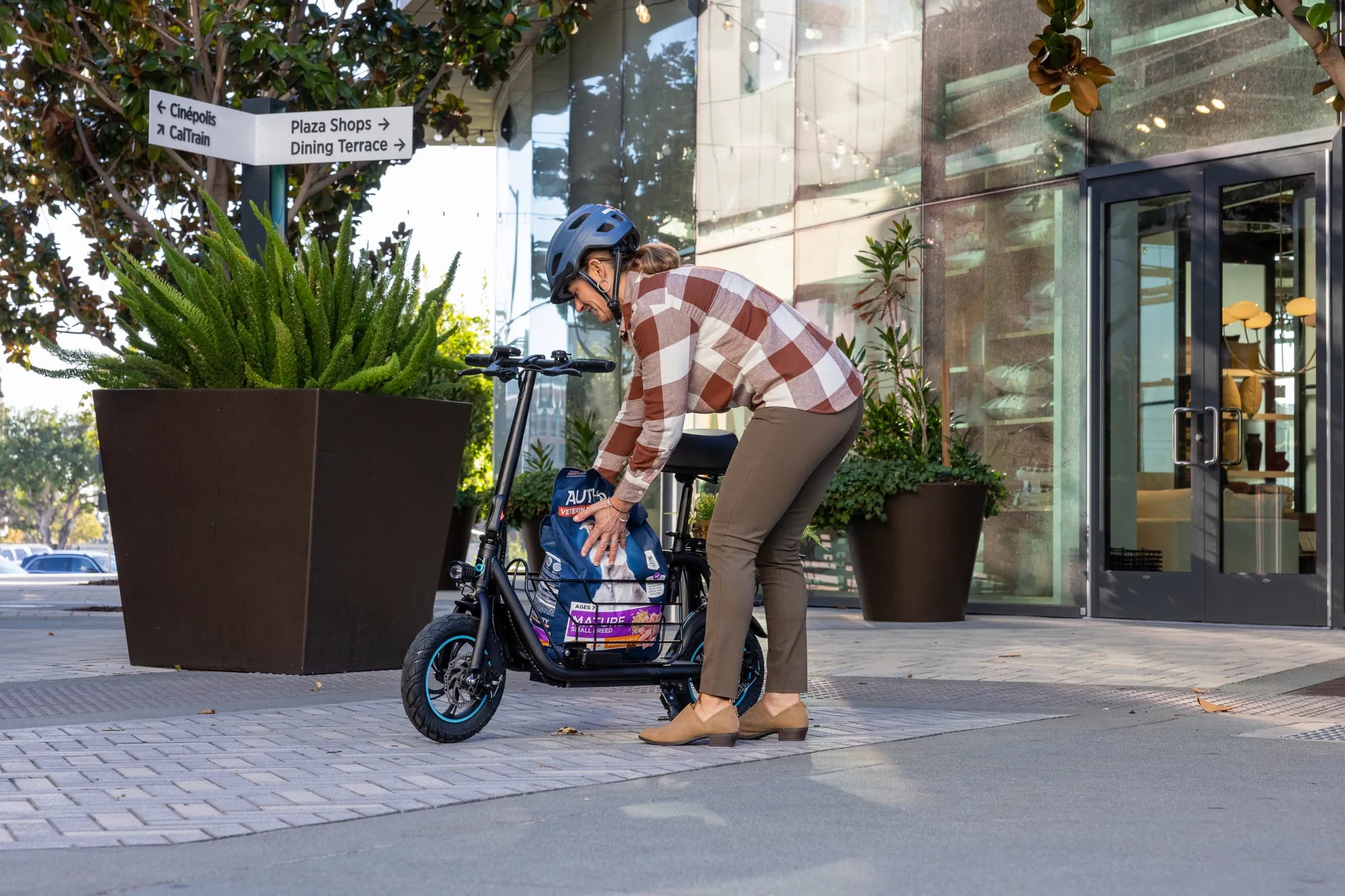
Redefining Your Urban Commute with Electric Scooters
Urban mobility is undergoing a quiet revolution, and the electric scooter is at its forefront. For commuters tired of traffic jams, packed trains, and rising fuel costs, a high-quality e-scooter offers a practical, efficient, and surprisingly enjoyable alternative. This guide cuts through the marketing hype to deliver a factual, detailed analysis of what makes a great commuter scooter. You will learn how to match technical specifications to your daily route, understand non-negotiable safety standards, and discover how to maximize your investment. As a leader in the micro-mobility space, Gyroor engineers its electric scooters and e-bikes with the demanding commuter in mind, focusing on UL-certified battery safety, robust IPX5 water-resistant designs, and reliable performance trusted by over 100,000 riders across North America and Europe.
Key Factors to Consider Before Buying a Commuter E-Scooter
Selecting an electric scooter for daily commuting requires a different lens than choosing one for recreational use. The decision must be driven by data, reliability, and real-world practicality. Key metrics like true range, portability weight, and build quality directly impact your daily experience. Overlooking these factors can lead to frustration, unexpected costs, or safety compromises. A systematic evaluation ensures your scooter is a tool for liberation, not a liability.
Range & Battery Life: The Heart of Your Commute
Advertised range figures are typically achieved under ideal laboratory conditions. Real-world range is affected by rider weight, hills, frequent stops and starts, temperature, and tire pressure. A good rule of thumb is to calculate with 70-80% of the advertised range. For a reliable commute, your scooter's range should comfortably exceed your round-trip distance by at least 30%. This buffer accounts for battery degradation over time and unexpected detours.
The battery itself is the most critical component. Always prioritize scooters using UL-certified lithium-ion battery packs. This certification means the battery has passed rigorous safety tests for electrical, mechanical, and environmental hazards, significantly reducing fire risk—a paramount concern for charging at home or the office. Gyroor's commitment to this standard, with batteries tested for 500+ charge cycles, provides a foundation of safety and long-term value.
Portability & Weight: From Subway Stairs to Office Cubicles
Portability is defined by weight, folded dimensions, and the presence of a carrying handle. If your commute involves carrying the scooter up stairs, onto a bus, or storing it under a desk, weight is a primary constraint. Lightweight models (under 30 lbs) are easy to carry but may sacrifice range and suspension. Heavier, more powerful scooters (40-55 lbs) offer superior performance but can be a burden in multi-modal scenarios.
The folding mechanism should be robust, intuitive, and secure when locked. A poorly designed latch can fail or loosen during a ride. Test the folded package: does it stand upright on its own? Is the handlebar stem prevented from swinging? These small design details greatly affect daily convenience and protect your scooter from damage during transport.
Ride Quality & Safety: Navigating City Streets with Confidence
Ride quality hinges on wheel size, suspension, and deck design. Larger wheels (9-10 inches) roll over cracks and pavement imperfections more smoothly than smaller ones. A front or dual suspension system absorbs shock from potholes, improving control and reducing fatigue. A wide, textured deck provides stable footing, which is crucial for stop-and-go traffic.
Safety systems are non-negotiable. A dual braking system—combining electronic, disc, or drum brakes—provides reliable stopping power in all conditions. Lighting must include a bright front headlight, a rear brake light, and side reflectors. For all-weather reliability, an IPX5 water-resistant rating is essential. This rating certifies protection against water jets from any direction, allowing you to confidently navigate wet streets or light rain without damaging critical electronics.
Legal and Practical Considerations
E-scooter regulations vary significantly by city, state, and country. Common rules include speed limits (often 15-20 mph on bike lanes), minimum rider age, helmet requirements, and designated riding areas (typically bike lanes, not sidewalks). Always check your local municipal website for the most current ordinances. Furthermore, understand parking etiquette; use bike racks where available and never block sidewalks, building entrances, or accessibility ramps.
Top Electric Scooter Categories for Commuters
The best electric scooter for you depends entirely on your specific commute profile. Rather than a simple list, we segment recommendations by user needs, helping you identify the category that aligns with your daily reality.
The Ultra-Portable & Lightweight Champion
This category is defined by scooters under 30 lbs, designed for the "last-mile" commuter or anyone who must frequently carry their vehicle. They excel in mixed-mode commuting, such as combining a scooter ride with a subway or bus segment. Their compact fold allows for easy storage in tight spaces.
Trade-offs are inherent. To achieve low weight, these models often use smaller motors (250W-350W) and batteries, resulting in lower top speeds (15-18 mph) and shorter ranges (10-15 miles real-world). Suspension may be minimal or absent, making them best suited for well-paved urban paths. Their primary virtue is effortless portability.
The All-Rounder for the Typical Urbanite
This is the most popular and versatile category, balancing performance, range, and portability. These scooters typically weigh 35-45 lbs, feature motors from 350W to 500W, and deliver a real-world range of 15-25 miles. They are the ideal "daily driver" for the average urban commuter with a 5-10 mile each-way trip.
Features like a front suspension, larger air-filled tires, and more robust braking systems become standard here, greatly improving comfort and safety on varied city terrain. They fold compactly, though carrying them for extended periods is less comfortable. This category represents the best value for most commuters seeking a reliable, do-it-all solution.
The Long-Range Power Commuter
Built for longer or hillier commutes, these scooters prioritize performance and endurance. They boast larger batteries for 25+ mile ranges, more powerful motors (500W+), and often dual suspension systems for maximum comfort. Top speeds can reach 25 mph or more, making them viable for faster road travel where legal.
The trade-off is significant weight (50+ lbs) and bulk, reducing true portability. These are less about carrying and more about riding the entire distance. They represent a serious investment in replacing a car or bus for longer urban and suburban journeys, offering unparalleled stability and power for the dedicated rider.
Why Gyroor is Engineered for the Demanding Commuter
Choosing a brand is as important as choosing a model. Gyroor's design philosophy directly targets the pain points of daily commuters, building scooters that are not just fast or fun, but fundamentally reliable and safe.
Safety First: The UL-Certification Advantage
In an industry where battery safety is a paramount concern, UL-certification is a critical differentiator. Gyroor's use of certified battery packs means each cell and the complete battery management system (BMS) have undergone independent testing for overcharge, short circuit, impact, and extreme temperature protection. This engineering rigor prevents the thermal runaway events associated with lower-quality batteries, giving riders peace of mind whether charging overnight or storing the scooter in an apartment.
Built for the Real World: IPX5 Water Resistance
Commuting means facing the elements. An IPX5 rating is not a marketing gimmick; it's a defined standard for protection against low-pressure water jets from any direction. For a scooter, this translates to resilience against wheel spray, riding through puddles, and getting caught in a sudden downpour. This protection extends the life of the motor controller, wiring, and display, ensuring the scooter remains operational through the unpredictable conditions of daily urban life.
Peace of Mind on Your Journey: The 1-Year Comprehensive Warranty
A warranty reflects a company's confidence in its product. Gyroor's 1-year comprehensive warranty, backed by US-based customer support, stands in contrast to brands that offer limited coverage or difficult-to-access service. This coverage includes the motor, battery, controller, and frame, effectively protecting your investment from manufacturing defects. For a commuter relying on their vehicle daily, this support network is an essential component of long-term reliability.
Commuter Scooter Comparison Table
| Category | Ideal For | Typical Weight | Real-World Range | Key Features | Considerations |
|---|---|---|---|---|---|
| Ultra-Portable | Last-mile, multi-modal transit, lots of carrying | 22-30 lbs | 10-15 miles | Compact fold, carry handle, simple operation | Limited range/speed, less comfort on rough roads |
| All-Rounder | Typical 5-10 mile urban commute, daily versatility | 35-45 lbs | 15-25 miles | Good suspension, reliable brakes, balanced performance | Can be heavy for extended carrying |
| Long-Range Power | Long/hilly commutes, primary car replacement | 50+ lbs | 25+ miles | Dual suspension, powerful motor, large battery | Heavy, less portable, higher price point |
Maximizing Your Commuting Experience: Tips & Best Practices
Owning a great scooter is only the first step. Proper operation and maintenance ensure safety, extend the vehicle's lifespan, and optimize your daily ride.
Pre-Ride Safety Checklist
Develop a quick 30-second routine before each ride. Check tire pressure; soft tires increase rolling resistance and puncture risk. Test both brakes for firm engagement. Ensure the headlight, taillight, and any side lights are functioning. Visually inspect the folding mechanism and stem lock to confirm they are fully secured. This habit prevents most mechanical failures before they happen.
Riding Techniques for City Navigation
Adopt a defensive riding posture. Assume cars may not see you. Scan ahead for road hazards like potholes, sewer grates, and debris. Use hand signals for turns and stops. Practice smooth, gradual acceleration and braking to conserve battery and maintain stability. Be hyper-aware of "dooring zones" when riding next to parked cars and give pedestrians a wide berth on shared paths.
Maintenance Essentials for Longevity
Basic maintenance is simple but crucial. Keep tires inflated to the PSI listed on the sidewall. Regularly clean the deck and wheels with a damp cloth to prevent grit from damaging bearings and seals. Store the scooter in a dry, temperate place, avoiding extreme cold or heat. For battery care, avoid draining it to 0%; try to recharge when it reaches 20-30%. Likewise, avoid leaving it at 100% charge for weeks on end if not in use.
Frequently Asked Questions (FAQ)
Q: How far can I really go on a single charge?
A: Real-world range is typically 70-80% of the advertised maximum. The biggest factors are rider weight, hill frequency, and average speed. For accurate commute planning, use the lower estimate. For example, a scooter rated for 20 miles will reliably cover 14-16 miles for an average rider on mixed terrain.
Q: Is it safe to ride an e-scooter in the rain?
A: Scooters with a true IPX5 water resistance rating (like Gyroor models) are engineered to handle wet conditions from wheel spray and rain. However, rider safety changes. Reduce speed, avoid painted road markings and metal surfaces which become slick, brake earlier and more gently, and never ride through deep standing water which could submerge electronics.
Q: Where can I legally park my e-scooter?
A: Always follow local ordinances. Generally, use bicycle racks whenever possible. If no rack is available, park close to the curb where it does not obstruct pedestrian pathways, building access, or disabled access ramps. Never lock a scooter to private property without permission. Responsible parking is key to maintaining positive public perception of micro-mobility.
Q: What's the true cost savings compared to driving or public transit?
A: The savings are substantial. Electricity to charge a scooter costs pennies per charge (approx. $0.05-$0.15). Compare this to daily gas, parking fees (which can be $10-$40/day in cities), or public transit fares ($2.50-$5.00 per trip). The scooter itself, with proper care, can pay for itself in a few months of avoided costs, not to mention time saved in traffic.
Q: How do I maintain the battery for the longest life?
A: Follow the 20-80 rule when possible: avoid draining below 20% and don't leave it fully charged at 100% for prolonged storage periods. Use the manufacturer-provided charger. Store the scooter in a cool, dry place, as extreme heat and cold accelerate battery degradation. A well-maintained UL-certified battery should retain good capacity for 2-3 years of daily use.
Your Path to Smarter Urban Mobility
The journey to a better commute starts with aligning your specific needs with the right vehicle. Prioritize safety certifications like UL for the battery and IPX5 for weatherproofing—these are the foundations of a reliable, long-lasting investment. Whether you're a multi-modal traveler needing an ultra-portable model or a long-distance commuter seeking a powerful machine, the perfect electric scooter exists to transform your daily travel from a chore into the best part of your day. By choosing a brand like Gyroor, built on safety, durability, and comprehensive support, you're not just buying a scooter; you're investing in a seamless, sustainable, and efficient urban lifestyle. Ready to redefine your commute? Browse the full Gyroor collection at gyroorboard.com to find the scooter engineered for your journey.
Electric Scooters St Augustine: The Ultimate Guide to Eco-Friendly Commuting
Electric Scooters for Older Adults: A Safe and Convenient Mobility Solution