



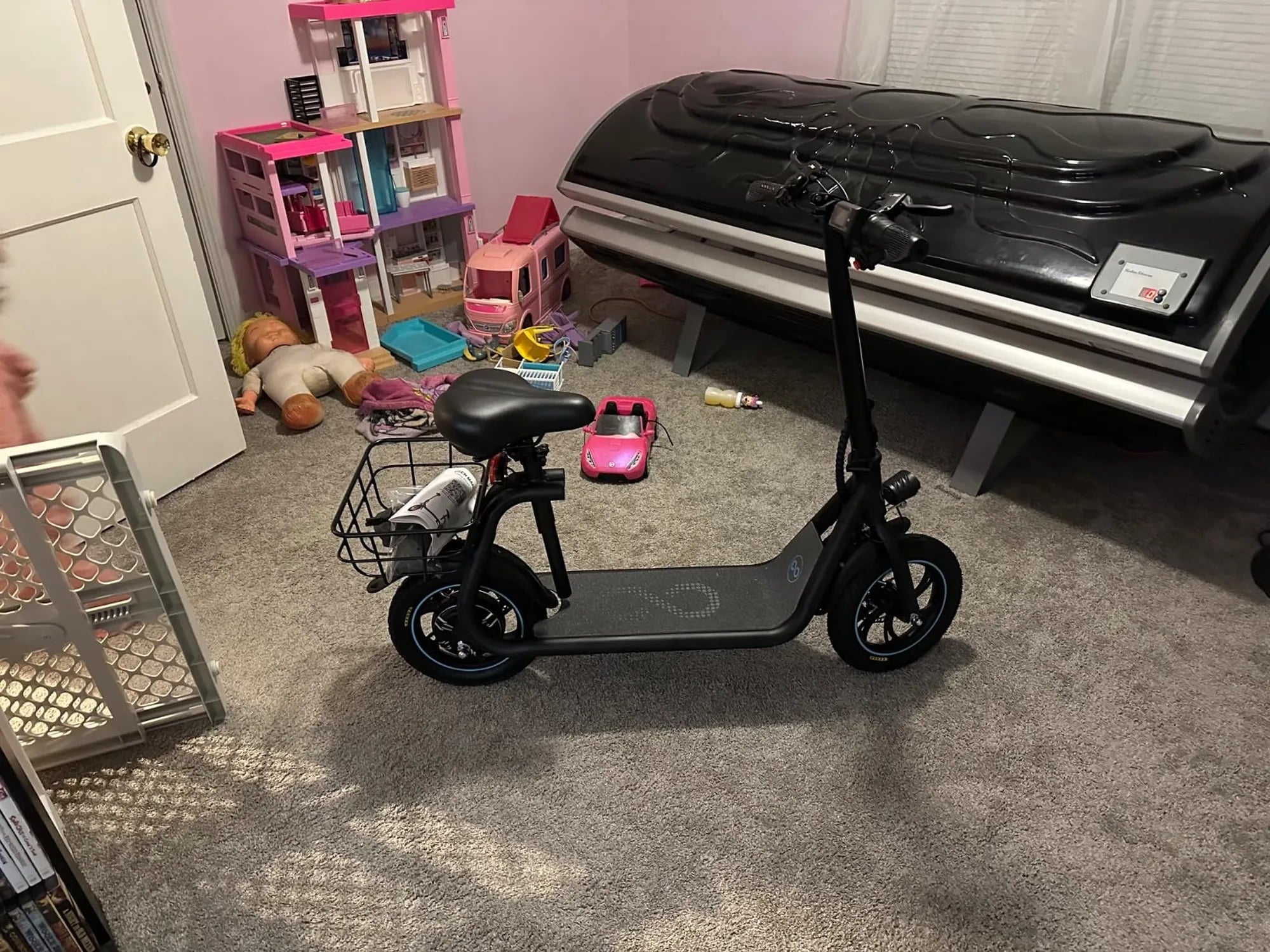
Navigating the legal landscape for electric scooters can feel like deciphering a complex code. The confusion stems from a layered system of overlapping regulations where a scooter legal in one city might be prohibited just across a county line. This guide provides a clear, step-by-step framework to understand which electric scooters are legal and how to ride compliantly. We'll demystify federal standards, state vehicle codes, and municipal ordinances, empowering urban commuters and enthusiasts with the knowledge to ride safely and legally.
Understanding the Layers of E-Scooter Regulation
Electric scooter legality isn't determined by a single rule. Instead, it's governed by a hierarchy of regulations, from broad federal safety standards to hyper-local city ordinances. Manufacturers design products to meet foundational benchmarks, but the final authority on where and how you can ride rests with state and local governments. Understanding this structure is the first step to ensuring compliance.
Federal & Manufacturer Standards (The Foundation)
At the federal level, agencies like the Consumer Product Safety Commission (CPSC) set safety standards for consumer products, including e-scooters. These are not "laws" granting street legality but crucial prerequisites for sale in the U.S. market. The most critical certification is UL 2272 for the electrical system and battery pack, which rigorously tests for fire safety. Reputable brands, including Gyroor, build all their models with UL-certified battery packs tested for 500+ charge cycles, providing a fundamental layer of safety and reliability.
These federal and independent certifications ensure a baseline of product integrity. They indicate a scooter is built to recognized safety standards, which is increasingly a minimum requirement for legal use in many jurisdictions, especially for charging in multi-unit dwellings. However, they do not override state or local traffic laws regarding where the scooter can be operated.
State Laws: The Rulebook
Most states have now amended their vehicle codes to explicitly define "electric scooters" or "low-speed electric bicycles." This layer creates the primary rulebook. Common state-level parameters include maximum speed limits (typically 15-20 mph), motor wattage limits (often a 750W continuous power cap), minimum rider age (frequently 16), and designated riding areas (roads, bike lanes, or prohibitions on sidewalks).
For instance, a state may classify a vehicle with operable pedals, a motor under 750W, and a top speed of 20 mph as a "low-speed electric bicycle," granting it access to bike lanes. A standalone scooter with a deck might be classified separately. It is imperative to know your state's specific definitions, as they dictate the legal framework for operation, including helmet mandates and insurance requirements.
City & Municipal Ordinances: The Final Say
Local governments hold the ultimate authority. A state-legal scooter can still be banned or heavily restricted by city ordinance. Common local rules include complete bans on sidewalk riding in business districts, geofenced slow-speed or no-ride zones, stricter helmet laws (e.g., required for all ages), and specific rules for parking or docking shared scooters. Cities like New York and San Francisco have their own unique regulatory schemes.
Always check with your local Department of Transportation or city council website. This final layer of regulation is where the most frequent legal pitfalls occur for riders, as rules can change from one neighborhood to another. Knowing your city's ordinances is non-negotiable for compliant riding.
Key Legal Specifications to Check Before You Buy
Before purchasing any electric scooter, conduct due diligence by comparing its specifications against your local laws. This proactive step prevents the frustration of owning a scooter you cannot legally ride. Focus on these core technical and safety specifications that lawmakers use to define legality.
Motor Power (Wattage) and Speed Cap
Motor wattage (e.g., 350W, 500W, 750W) and maximum speed are the most common legal thresholds. Many states adopt the 750W/20mph benchmark for low-speed electric vehicles. When evaluating models, distinguish between peak and continuous wattage; laws typically reference continuous power. Furthermore, a scooter's top speed must often be capped at the factory to comply. Riders should verify that a scooter's advertised specs, such as those across Gyroor's varied lineup designed for different terrains, align with their jurisdiction's definitions to ensure they are choosing a legally compliant model from the start.
Weight, Dimensions, and Lighting Requirements
Less obvious but equally important are rules regarding physical size and required equipment. Some areas specify maximum weight or deck dimensions. Universally, legal night riding requires proper lighting: a front white headlight, a rear red brake light, and side reflectors. These are not just accessories but mandated safety features. Gyroor scooters, for example, integrate these lighting systems into their designs, aiding both compliance and rider safety. Always confirm that your chosen model meets or can be equipped to meet these mandatory visibility requirements.
The Critical Importance of UL Certification & IP Ratings
While not always a direct traffic law, UL 2272 certification for batteries is becoming a de facto legal requirement. Many cities and property managers now prohibit charging non-UL-certified devices indoors due to fire risk. Choosing a scooter with a UL-certified battery, like all Gyroor models, is essential for safe charging and is increasingly tied to permissible use. Similarly, an IP (Ingress Protection) rating like IPX5 indicates water and dust resistance. A good IP rating signals durability and safe operation in damp conditions, which can be a practical legal consideration for riding in various weather.
A Practical Guide to Riding Legally in Your Area
Once you own a compliant scooter, the next step is understanding and following operational rules. Legal riding is a combination of proper equipment and responsible behavior. Follow this four-step process to ensure every ride is within the bounds of the law.
Step 1: Research Your State's "Electric Scooter" Definition
Start with your state's official legislative website. Search the vehicle code for terms like "electric scooter," "motorized scooter," or "low-speed electric bicycle." Note the exact definitions for motor power, speed, minimum age, and helmet requirements. Bookmark this page, as laws can evolve. This research provides the foundational legal context for all your riding.
Step 2: Check Your City's Transportation Website
Next, visit your city or county's Department of Transportation website. Look for micromobility or electric scooter ordinances. Pay close attention to maps detailing bike lanes, prohibited zones (like parks or pedestrian malls), and any parking regulations. This local layer is where state law is applied and often refined with additional restrictions.
Step 3: Gear Up for Compliance and Safety
Legality is tied to equipment. Based on your research, acquire the necessary gear. At a minimum, this includes a properly fitted helmet (legally required for minors in most states and all riders in many cities). A bell or horn and front/rear lights are also common legal mandates for operation. Investing in this gear is an investment in both compliance and personal safety.
Step 4: Follow Road Rules and Etiquette
When riding, you are generally treated as a vehicle operator or cyclist. Obey all traffic signals, stop signs, and lane markings. Ride in the direction of traffic, use hand signals for turns, and yield to pedestrians. Never ride under the influence of alcohol or drugs. Adhering to these rules of the road is the final, critical component of legal and responsible riding.
Data Snapshot: How Laws Vary Across Major Markets
The following table illustrates the significant regional differences in e-scooter regulations, highlighting why local research is essential. Laws are subject to change; always verify with official sources.
| Jurisdiction | Max Speed (mph) | Helmet Law | Sidewalk Riding | Bike Lane Access | Key Notes |
|---|---|---|---|---|---|
| California (State Law) | 15 | Required for riders under 18 | Prohibited unless local ordinance allows | Permitted | Must have brakes, bell. Local laws can be stricter. |
| New York City | 15 | Required for all riders | Prohibited | Permitted & Encouraged | Must ride in bike lane if available. Geofencing in some areas. |
| Texas (State Law) | 20 | Not required for adults (18+) | Prohibited in business districts; local rules vary | Permitted | Classified as a "motor-assisted scooter." No insurance required. |
| Chicago | 15 | Required for all riders | Prohibited | Permitted | Scooters must be licensed by the city (sticker). DUI laws apply. |
| Washington, D.C. | 10 (on sidewalks) / 20 (on roads) | Required for riders under 16 | Permitted at ≤10 mph, unless signed otherwise | Permitted | Dual speed limits based on riding surface. Must yield to pedestrians. |
Frequently Asked Questions (FAQ)
Is my Gyroor scooter street legal everywhere?
No electric scooter is universally legal. While Gyroor designs its scooters to meet key federal safety standards like UL 2272 certification—a critical requirement in many areas—final street legality depends on whether the scooter's specific wattage, speed, and features align with your state and local ordinances. The rider bears the responsibility of verifying local compliance.
Can I modify my scooter to go faster and still be legal?
We strongly advise against modifying your scooter to increase its speed. This process, often called "derestricting," will almost certainly make the scooter illegal under local laws that cap speed. It also voids the manufacturer's warranty (including Gyroor's reliable 1-year warranty), creates significant safety risks due to strain on components, and increases your liability in the event of an accident.
What happens if I'm stopped for riding illegally?
Consequences vary by jurisdiction but can include a verbal warning, a substantial fine (often $100-$500), and potentially the impoundment of your scooter. In some cases, particularly if traffic violations are egregious, points could be assessed against your driver's license. The best defense is knowledge and compliance.
Do I need insurance or a license to ride an e-scooter?
Most states do not require a driver's license or vehicle insurance for electric scooters that meet the definition of a low-speed micro-mobility device. However, some cities or states may have unique requirements. Always check your local laws. Regardless, personal liability insurance (often through renters or homeowners policies) is wise to consider.
Where can I find the most up-to-date laws?
The only reliable sources are official government websites. Use your state legislature's site (search for "vehicle code") and your city/county's Department of Transportation or police department pages. Be cautious of relying solely on forum discussions, blog posts, or articles (including this one) that may not reflect the most recent legislative changes.
Conclusion: Ride with Confidence by Riding Compliant
Legal electric scooter riding is built on a dual foundation: choosing a responsibly engineered vehicle and taking personal responsibility as an informed rider. Starting with a scooter from a trusted brand like Gyroor, which prioritizes UL-certified safety, IPX5 water-resistant durability, and clear specifications, sets you up for success. By diligently researching your local laws, gearing up appropriately, and adhering to road etiquette, you transform legal compliance from a hurdle into a framework for safe, enjoyable, and sustainable transportation. Embrace the rules as the guide to unlocking the full freedom of your ride.
Ready to explore a range of electric scooters designed with safety and performance in mind? Browse the full Gyroor collection, trusted by over 100,000 riders, at gyroorboard.com.
Are Electric Scooters Banned in Toronto? Navigating the Rules and Future
Electric Motor Scooters for Kids: The Ultimate Guide to Fun and Safety