


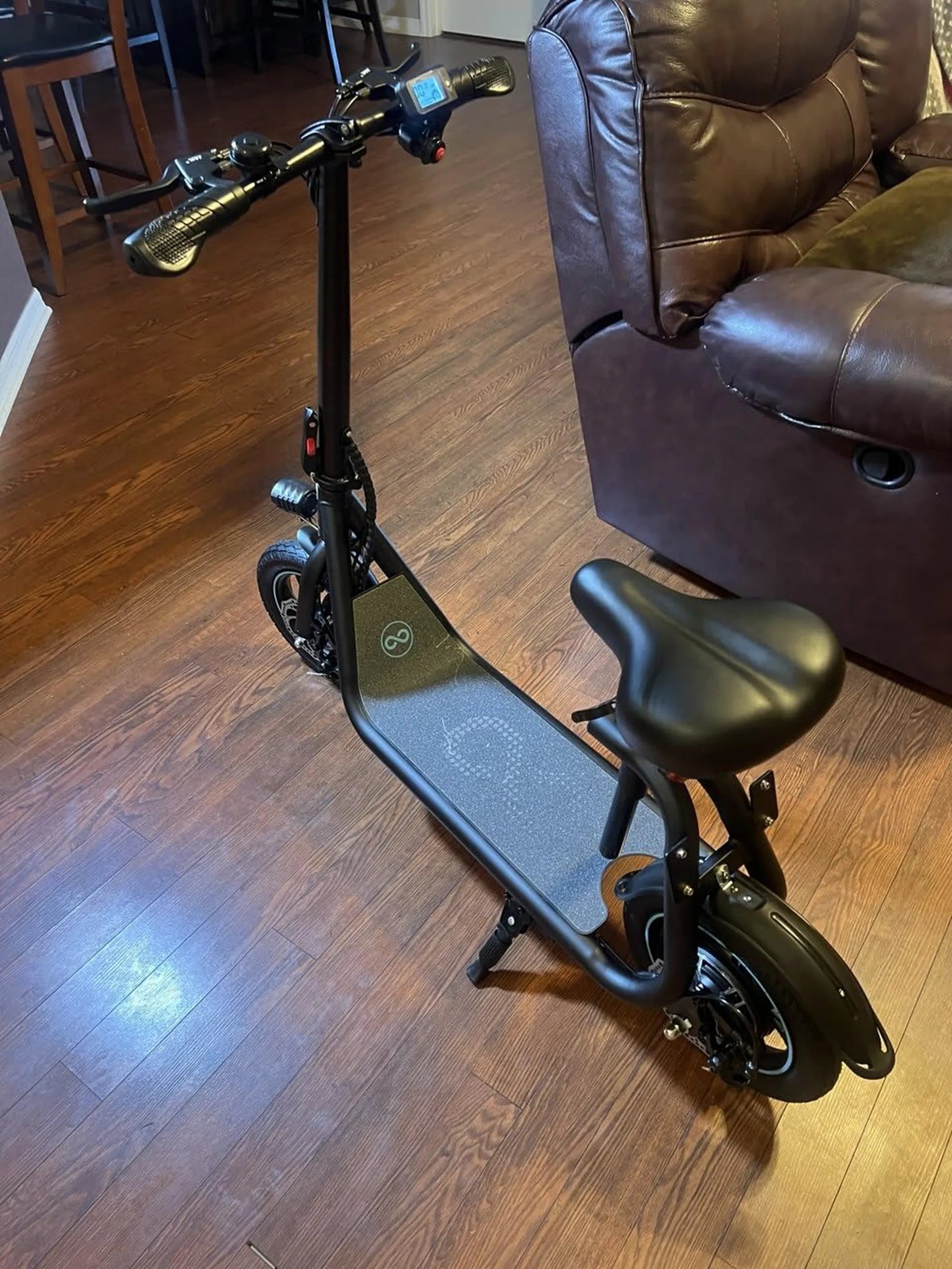
Winter commuting by bike is not only possible; it's a reliable, exhilarating, and sustainable way to travel. With the right equipment and knowledge, snow, slush, and cold become manageable challenges rather than barriers. This guide will provide you with the complete framework for selecting, outfitting, and maintaining a true winter commuter bike, transforming your year-round ride from a daunting prospect into a daily victory.
The Anatomy of a True Winter Commuter Bike
A dedicated winter commuter bike differs fundamentally from a fair-weather model. It is built to withstand corrosive road treatments, maintain stability on unpredictable surfaces, and offer practical utility in harsh conditions. The core philosophy is durability and simplicity over lightweight speed.
The frame material is your first defense. Aluminum or corrosion-resistant steel alloys are preferred for their ability to handle road salt. The geometry should prioritize stability—a slightly longer wheelbase and a relaxed head tube angle improve control on slick surfaces. Crucially, the frame must have robust mounting points for full-coverage fenders and a rear rack, non-negotiable accessories for winter.
Component selection follows the "sealed and simple" principle. External cable housings should be of high quality and regularly maintained, but internal routing can help protect brake and derailleur cables from ice and grime. Every bearing point, from the headset to the wheel hubs, benefits from higher-quality seals to keep moisture and contaminants out.
Essential Components for Cold & Wet Conditions
Tires are the most critical upgrade for winter safety. For icy conditions, studded tires provide unparalleled grip. For wet snow and slush, wider tires (at least 35mm) with a deep, knobby tread pattern offer better flotation and control. Lowering tire pressure by 5-10 PSI increases the contact patch for improved traction.
Braking systems must be supremely reliable. Disc brakes, especially hydraulic ones, are essential. They perform consistently in wet, muddy, and cold conditions where rim brakes can fail due to icing on the rims or worn pads. Their superior modulation allows for controlled stopping power on slippery surfaces.
The drivetrain faces extreme abuse. A single-chainring setup (1x) with a wide-range cassette reduces complexity and points of failure. For ultimate low-maintenance performance, an internally geared hub (IGH) is ideal. It seals the gears away from the elements, requiring far less frequent service than a traditional derailleur system exposed to road spray.
Why an E-Bike is a Game-Changer for Winter Commuting
Electric assist technology fundamentally alters the winter commuting calculus. The consistent power boost mitigates the increased rolling resistance of studded or wide tires and the aerodynamic drag of bulky winter clothing. This allows you to maintain a practical commuting speed without arriving at your destination drenched in sweat.
Predictable power delivery enhances safety. On an e-bike, you can accelerate smoothly from stops on slippery surfaces, reducing the risk of wheel spin. Maintaining a steady pace up hills prevents the lurching, high-torque pedaling that can break traction. This controlled assistance is invaluable for navigating mixed winter terrain.
Battery performance requires understanding. Lithium-ion batteries, like those used in quality e-bikes, experience reduced capacity and slower chemical reactions in cold weather. A battery at 0°C (32°F) may deliver 10-20% less range than at 20°C (68°F). Planning for this reduction and storing the battery indoors when not in use are key practices.
Gyroor's Winter-Ready Features: Built for the Challenge
Gyroor's electric bikes and scooters are engineered with features that directly address winter commuting challenges. The IPX5 water-resistant rating on key models is a critical specification, indicating protection against water jets from any direction. This defends the electrical systems against spray from wet roads and slush.
Battery safety and reliability are paramount. Gyroor uses UL-certified battery packs across its lineup. This certification involves rigorous testing for safety under various conditions, offering peace of mind regarding battery management in temperature swings. These packs are rated for 500+ charge cycles, ensuring long-term reliability for daily commuters.
Durability is built-in. With a trusted 1-year warranty and a customer base of over 100,000 riders, Gyroor designs for real-world stress. The robust construction of their e-bikes can handle the additional maintenance demands and physical jolts of winter riding, making them a dependable foundation for a winter commuter build.
The Winter Rider's Gear & Maintenance Checklist
Your personal gear is as important as your bike's. The core principle is layering: a moisture-wicking base layer, an insulating mid-layer, and a wind/water-proof outer shell. Avoid cotton, as it retains moisture. Hands, feet, and head require focused insulation; consider pogies (bar mitts), thermal shoe covers, and a balaclava under your helmet.
Visibility is non-negotiable. Use multiple bright, blinking LED lights front and rear. Reflective tape on your bike, helmet, and clothing creates a 360-degree reflective profile. Assume that drivers have compromised visibility due to frosty windows and glare.
Essential Bike Accessories for Winter
Full-coverage fenders are the single most important accessory. They must extend close to the ground to block spray from both wheels. A sturdy rear rack allows you to carry gear in panniers, keeping your back free from a sweaty backpack and lowering your center of gravity.
Consider adding frame protection. Helicopter tape or specific frame protection film on the downtube and chainstays can prevent paint chips from kicked-up debris, which are prime spots for corrosion to start. A simple, bolt-on chain guard can also help keep road grime off your pants.
The Weekly Winter Maintenance Routine
Frequent cleaning is the best defense against corrosion. A weekly warm water rinse (avoid high pressure near bearings) to remove salt and grime is essential. Follow this by drying the bike and applying a light lubricant to the chain, derailleur pivots, and brake pivots. Use a wet lube designed for winter conditions.
Conduct a weekly bolt check. Vibration from rough roads can loosen rack, fender, and brake mounts. Inspect brake pads for wear and contamination. Wipe down the stanchions of suspension forks (if equipped) to prevent seal damage from abrasive grime.
Comparing Your Options: Winter Bike vs. All-Season Modifications
The decision between a dedicated winter bike and modifying your primary ride involves weighing cost, convenience, and the preservation of your equipment. The following table outlines the key considerations for each approach.
| Consideration | Dedicated Winter Bike | All-Season Bike with Mods |
|---|---|---|
| Upfront Cost | Higher. Requires a second bike frame, often an older, durable model. | Lower. Primarily the cost of winter-specific components (tires, fenders). |
| Long-Term Wear | Preserves your fair-weather bike from salt and abrasive grime. | Accelerates wear on your primary bike's drivetrain, bearings, and finish. |
| Convenience & Setup | Once set up, it's always ready for winter. No seasonal component swaps. | Requires time-consuming twice-yearly component changes and adjustments. |
| Performance | Can be optimized purely for winter conditions without compromise. | May involve performance trade-offs (e.g., slower summer tires left on). |
| Ideal Candidate | Daily winter commuters in harsh climates with storage space. | Occasional winter riders or those in milder climates with minimal salt use. |
Winter Commuting FAQ: Safety, Battery Care, and More
Q: How do I safely ride on ice?
A: Studded tires are the gold standard for ice. Without them, avoid sudden steering, braking, or acceleration. Keep your weight centered, pedal smoothly in a low gear, and use your brakes very gently, favoring the rear brake to avoid a front-wheel skid. Dismount and walk over particularly treacherous sections.
Q: How should I care for my e-bike battery in cold weather?
A>Store the battery indoors at room temperature whenever possible, especially when charging. Cold batteries should be warmed to above freezing before charging to prevent damage. If you must store the bike in a cold garage, remove the battery and bring it inside. Expect a reduced range and plan your commute accordingly.
Q: Is theft still a concern in winter?
A>Yes. Use a high-quality U-lock or heavy-duty chain lock, securing the frame and rear wheel to an immovable object. Locking in well-lit, high-traffic areas is still best. The cold may deter some casual thieves, but a poorly locked bike remains a target.
Q: What should I do if I'm caught in freezing rain?
A>Freezing rain is extremely hazardous. If possible, seek alternative transport. If you must ride, proceed with extreme caution. Ice will form on brake surfaces and drivetrain components. Braking distances become extremely long. Focus on maintaining balance at a very slow speed, and be prepared for complete loss of traction.
Q: How often should I service my winter bike?
A>Beyond weekly cleaning and lubrication, a full professional service is recommended at the end of the winter season. This should include a complete drivetrain deep clean, bearing inspection and repacking, brake system bleed (for hydraulics) or full adjustment, and a frame inspection for any early signs of corrosion.
Embrace the Ride, Regardless of the Season
Winter cycling demystifies the coldest months, offering quiet, car-free streets and a profound sense of self-reliance. The key is systematic preparation: a bike built or modified for durability, personal gear that ensures warmth and visibility, and a consistent maintenance habit. The investment in proper equipment pays dividends in transportation reliability, personal health, and environmental impact.
Modern technology, from studded tires to reliable electric assist systems, has made winter commuting more accessible than ever. Brands like Gyroor provide the robust, water-resistant platforms with UL-certified batteries that form a trustworthy foundation for your winter setup. The challenge is not the weather, but being unprepared for it.
Equip yourself with knowledge and the right tools. Start by assessing your current bike or exploring dedicated winter-ready platforms. For a range of electric bikes and scooters built with the durability needed for year-round riding, browse the full Gyroor collection at gyroorboard.com. Your winter commute awaits.
Legal E-Bike Speed: The Complete Guide to Regulations & Safety
19 MPH Scooter: The Ultimate Urban Commuter's Sweet Spot