

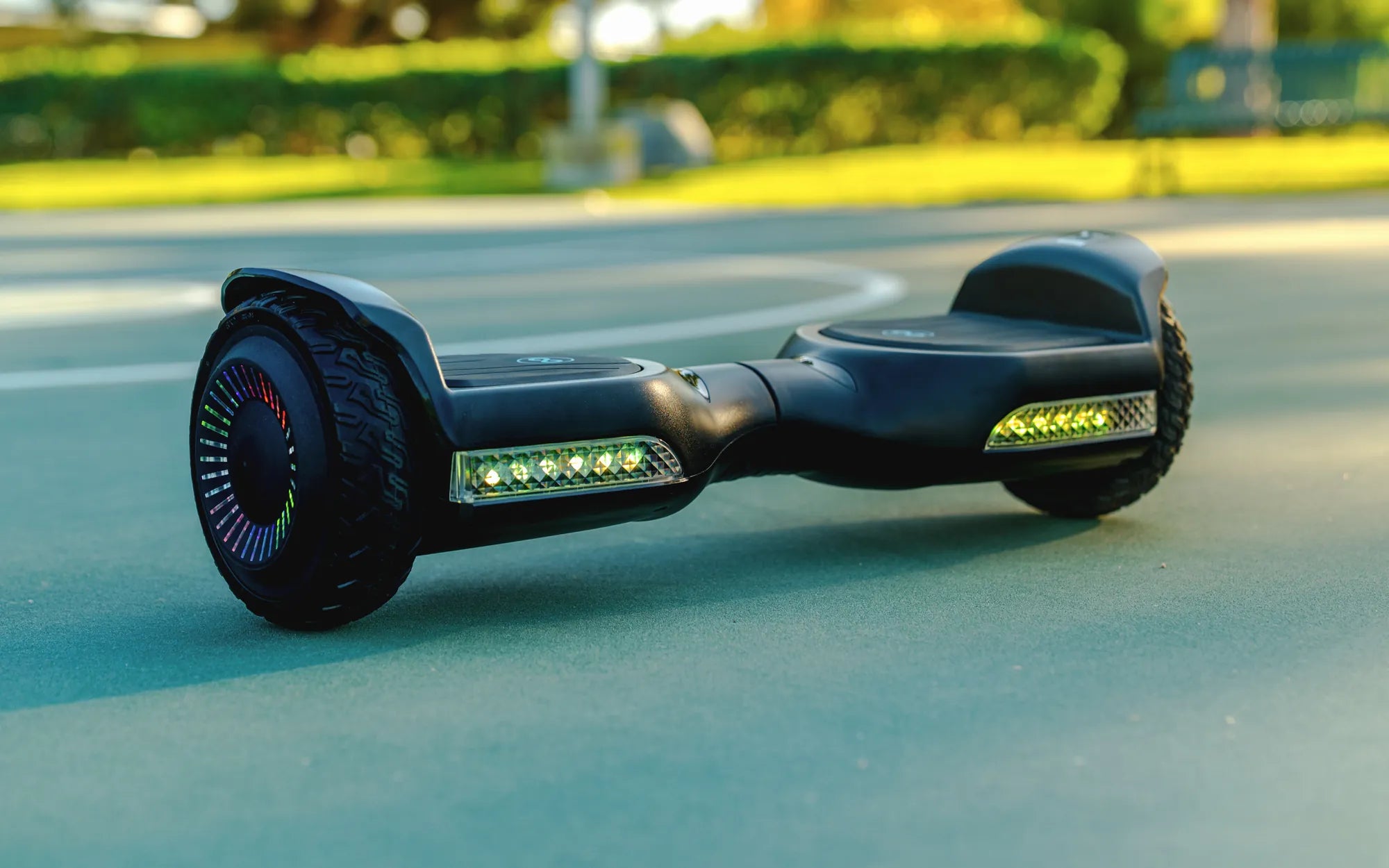
Introduction: Redefining Urban Mobility with 10-Inch Wheels
The urban commute is undergoing a quiet revolution. As cities grow denser and traffic congestion worsens, personal electric vehicles (PEVs) are shifting from recreational gadgets to essential transport tools. Among these, the 10 inch wheel self balancing scooter stands out as a uniquely capable solution. This compact electric unicycle (EUC) offers a perfect synthesis of agility, stability, and portability for the daily urban rider.
Forget the novelty factor; modern 10-inch EUCs are engineered for serious, practical travel. They represent a mature technology designed to navigate the complex tapestry of city streets, bike lanes, and pedestrian zones. This article will dissect why this specific wheel size has become the sweet spot for countless commuters. We will explore its technical advantages, essential features, and how it compares to other transport modes.
You will learn what to look for in a reliable model, from motor power to safety certifications. We will also provide actionable tips for mastering the ride and maintaining your device. The goal is to equip you with the knowledge to choose a 10 inch wheel self balancing scooter that becomes a dependable part of your daily life, not just a passing trend. The ultimate urban commute companion isn't just about getting from A to B; it's about doing so efficiently, enjoyably, and reliably.
Why Wheel Size Matters: The 10-Inch Advantage for City Riders
Wheel diameter is a fundamental engineering parameter that dictates a vehicle's core characteristics. For self-balancing scooters, it directly influences stability, maneuverability, comfort, and portability. The 10-inch wheel occupies a critical middle ground, offering a balanced performance profile ideally suited for urban environments.
Smaller wheels, typically 8 inches or less, excel in ultra-compact size and low weight. They offer incredible agility for tight turns. However, they suffer on rough terrain. Every crack, pebble, and sidewalk seam is transmitted directly to the rider, requiring constant micro-adjustments that fatigue the ankles and knees over a commute. Larger wheels, 14 inches and above, provide superior stability at high speeds and roll over obstacles with ease, akin to a mountain bike. Yet, they become heavier, bulkier, and less nimble in crowded spaces.
The 10 inch wheel self balancing scooter strikes the optimal compromise. It provides enough rotational mass and contact patch to smooth out common urban imperfections like tar strips, expansion joints, and minor potholes. This translates to a more confident and less fatiguing ride over typical 3-5 mile commutes. Simultaneously, it remains compact enough for easy carrying up stairs, stashing under a desk, or storing in a crowded apartment.
Agility vs. Stability: Finding the Sweet Spot
The 10-inch diameter creates a specific dynamic that benefits both new and experienced riders. The wheel's geometry allows for a relatively tight turning radius, enabling riders to navigate through slow-moving pedestrian traffic, make sharp corners on bike paths, and execute precise U-turns. This agility is a direct function of the wheel's smaller circumference compared to its larger counterparts.
From a stability perspective, the 10-inch wheel contributes to a lower overall center of gravity for the device. When combined with a well-designed pedal height and rider stance, this fosters a planted, secure feeling at the moderate speeds (12-18 mph) most common for urban travel. The rider isn't perched as high as on a large-wheel EUC, which reduces the psychological barrier for beginners and enhances control during sudden stops or evasive maneuvers.
Furthermore, the physical size of a 10-inch wheel unit makes it inherently more portable. Weighing typically between 25-35 pounds, it is manageable to carry for short distances—a crucial feature when your commute involves a flight of subway stairs or a last-mile walk from a parking garage. This practical blend of ride quality and convenience is why the 10 inch wheel self balancing scooter has become a category-defining standard for city dwellers.
Key Features to Look for in a 10-Inch Self-Balancing Scooter
Not all 10-inch EUCs are created equal. For a device intended for daily commuting, reliability and safety are non-negotiable. When evaluating models, focus on these core technical specifications and build qualities that directly impact performance and longevity.
The motor, battery, and control board form the essential triad of an EUC. Compromising on any of these components leads to a frustrating and potentially unsafe experience. Look for models that transparently list their specifications and come from brands with a track record of quality control. The urban environment is demanding; your scooter must be built to handle it day after day.
Power & Range: Matching Your Daily Route
Motor power, measured in watts (W), determines acceleration, hill-climbing ability, and top-speed headroom. For a 10-inch wheel model used in varied city terrain, a motor in the 500W to 1000W range is ideal. A 500W motor can handle moderate inclines and provide adequate acceleration for most riders. An 800W or 1000W motor offers more confidence on steeper hills and ensures the scooter isn't straining at its limit during your commute, which improves efficiency and component lifespan.
Battery capacity, measured in watt-hours (Wh), dictates your range. Manufacturer claims are often based on ideal laboratory conditions. A more practical estimate is 1-1.5 miles per 10Wh for an average rider. Therefore, a 300Wh battery typically offers 20-30 miles of real-world range. Consider your round-trip commute distance and add a 30-40% buffer for errands, headwinds, or battery degradation over time. Charging time is also critical; a fast charger (2-3 hours) is far more convenient for daily use than a slow 6-8 hour trickle charge.
Build Quality & Durability: Built for the Daily Grind
The chassis and shell must withstand occasional bumps, scrapes, and vibrations. High-quality ABS plastic reinforced with fiberglass or magnesium alloy frames offer the best blend of strength and weight savings. Pay close attention to the pedal design—they should be wide, grippy, and robustly hinged.
Tire choice is paramount. Pneumatic (air-filled) tires provide superior shock absorption and traction, especially on wet pavement, making the ride significantly more comfortable. Solid or honeycomb tires eliminate the risk of flats but result in a harsher ride and less grip. For urban commuting where comfort reduces fatigue, a quality pneumatic tire is usually worth the minor maintenance concern.
Finally, environmental protection is key. A minimum of an IP54 rating is advisable for peace of mind, protecting against dust and water splashes from all directions. This ensures a sudden rain shower or a ride through a puddle won't end your commute or damage the electronics.
Safety & Control Systems
Modern EUCs incorporate multiple layers of electronic safety. A responsive gyroscope and accelerometer package is the brain of the self-balancing system, requiring high precision and fast processing. Look for features like tilt-back, which gently leans the pedals back as you approach the device's top speed, providing a physical warning to slow down.
Audible alarms (beeps) are a critical secondary warning system for overspeed or motor overload. Bright LED headlights and brake lights are essential for visibility in low-light conditions. The braking system should be responsive and progressive, allowing for smooth, controlled stops rather than abrupt jerks. A well-designed 10 inch wheel self balancing scooter will make you feel in control, not at the mercy of the machine.
The Gyroor Difference: Engineering Trust for Your Commute
In a market flooded with anonymous brands and variable quality, choosing a manufacturer with a proven commitment to safety and durability is the most important decision a rider can make. Gyroor has established itself as a leader in personal electric mobility by focusing on the engineering fundamentals that matter most for daily, reliable use.
With a community of over 100,000 riders across North America and Europe and consistent high ratings, Gyroor's approach is to solve core commuter pain points—battery anxiety, weather vulnerability, and long-term reliability—through robust design and certified components. This philosophy is embedded in every 10 inch wheel self balancing scooter they produce, transforming it from a simple vehicle into a trustworthy commute companion.
UL-Certified Battery Packs: The Foundation of Safe Power
The lithium-ion battery is the heart of an EUC and its most critical safety component. Gyroor's use of UL-certified battery packs is a significant differentiator. UL certification involves rigorous independent testing for electrical, mechanical, and environmental safety, including overcharge, short circuit, and crush tests.
This certification is not merely a marketing point; it's a concrete assurance of quality control in cell selection, battery management system (BMS) design, and assembly. For a device that is charged in homes and offices and carried alongside the rider, this focus on battery safety mitigates the risk of thermal events and ensures consistent performance over the battery's lifespan, which is tested for 500+ charge cycles. It provides peace of mind that is invaluable.
IPX5 Water Resistance: Confidence in All Weather
Urban commuting doesn't stop for a light drizzle. Gyroor engineers its commuter-focused models, including relevant 10-inch wheel designs, to an IPX5 water resistance rating. This means the enclosure can withstand water jets (6.3mm nozzle) from any direction without harmful ingress.
In practical terms, IPX5 protection allows you to ride confidently in light rain, through urban puddles, and to clean your scooter with a hose without worry. It protects the motor bearings, control board, and battery connections from corrosion and short circuits caused by moisture—a common failure point in non-rated models. This feature directly extends the scooter's operational life and ensures it's ready to ride, regardless of the forecast.
Warranty & Support: Peace of Mind on Every Ride
A comprehensive warranty reflects a manufacturer's confidence in its product. Gyroor backs its vehicles with a reliable 1-year warranty, covering defects in materials and workmanship. This commitment transforms the purchase from a speculative buy into a calculated investment in your daily mobility.
Equally important is accessible customer support. The availability of US-based support teams for troubleshooting, along with a supply of genuine parts, means that maintenance and repairs are straightforward. For a daily commuter, downtime is a major inconvenience. A brand that stands behind its products with strong warranty and support structures ensures your 10 inch wheel self balancing scooter remains a dependable asset for years to come.
Data-Driven Comparison: 10-Inch Wheel vs. Other Micro-Mobility Options
Choosing the right urban vehicle requires a clear understanding of trade-offs. The following table compares a typical 10-inch wheel self-balancing scooter against other popular micro-mobility choices for city commuting.
| Criteria | 10-Inch Wheel EUC | Electric Kick Scooter | Folding E-Bike | Traditional Kick Scooter |
|---|---|---|---|---|
| Portability (Weight/Size) | High (25-35 lbs, most compact footprint) | Medium (30-45 lbs, handlebar folds) | Low (40-60 lbs, folds but bulky) | Very High (10-15 lbs) |
| Avg. Commute Speed | 15-18 mph | 15-20 mph | 15-20 mph (with pedaling) | 4-6 mph (human-powered) |
| Range per Charge | 20-30 miles | 15-25 miles | 30-50 miles | N/A |
| Terrain Handling | Good (smooths small cracks/bumps) | Poor (small wheels transmit vibrations) | Excellent (large wheels, suspension) | Very Poor |
| Learning Curve | Steep (5-10 hours to basic competence) | Low (almost instant) | Low (like a bicycle) | Very Low |
| Parking/Storage Ease | Excellent (fits under desk, in closet) | Good (folds, but handlebar stem remains) | Fair (folds, but still large) | Excellent |
Analysis: The 10 inch wheel self balancing scooter shines in scenarios demanding the ultimate combination of portability and capable performance. It defeats the e-scooter in ride comfort and terrain handling due to its larger pneumatic tire and more stable platform. It outperforms the e-bike in storage convenience for multi-modal commutes (e.g., bus or train). Its main drawback is the learning curve, which is an investment in time upfront. However, for riders who master it, the EUC offers an unrivaled sense of fluid, intuitive movement through city spaces, making it the ultimate specialized tool for the dedicated urban commuter.
Mastering the Ride: Tips for New 10-Inch Wheel Riders
The initial learning phase is the biggest hurdle for new EUC riders. With a structured approach and the right mindset, most people can achieve basic competency within a few dedicated practice sessions. The goal is to build muscle memory and trust in the device's self-balancing mechanics.
Always begin with full protective gear: a certified bicycle or skate helmet, wrist guards, knee pads, and elbow pads. Practice in a wide-open, flat, smooth area like an empty parking lot or tennis court. Avoid grass initially, as it can mask the scooter's feedback and make balancing harder.
The First Hour: Learning to Trust the Balance
Start by using a support. Stand next to a wall, fence, or railing. Place one foot on a pedal, ensuring the scooter is vertical. Use the support to stabilize yourself as you step up with your second foot. Find your balance point with both feet on the pedals, heels against the chassis. The scooter will try to stay upright under you; your job is to relax and make small adjustments.
Practice leaning forward slightly to move and leaning back to stop, all while holding the support. The key is minimal, intentional upper body movement; control comes from your ankles and lower legs. Next, try a few feet of unsupported travel. Focus on looking ahead at the horizon, not down at your feet. Dismount by stepping off backwards one foot at a time, returning to the support. This first hour is about defeating the psychological fear and understanding that the gyroscope is actively keeping you upright.
Navigating the Urban Jungle Safely
Once comfortable with straight-line travel and turning in an open area, begin to simulate urban conditions. Practice emergency stops by leaning back more aggressively from a slow speed. Learn to scan the path 20-30 feet ahead for major hazards: potholes, deep cracks, gravel, and wet metal surfaces like manhole covers.
When riding in bike lanes, be predictable. Use hand signals for turns. Assume cars do not see you. Increase your visibility with reflective strips or a riding vest. Understand local laws; in most jurisdictions, EUCs are treated like e-bikes and belong in bike lanes, not on sidewalks. For curbs, approach slowly at a 90-degree angle and give a slight hop while leaning back to help the wheel climb. Descend by leaning back to control speed. Mastering these skills transforms the 10 inch wheel self balancing scooter from a practice-yard novelty into a competent urban vehicle.
Frequently Asked Questions (FAQ)
Q1: Is it very hard to learn to ride a self-balancing scooter?
A: It has a steeper initial learning curve than an e-scooter or bicycle, typically requiring 5-10 hours of dedicated practice for basic street competency. However, with patience and proper technique (using a support, looking ahead), most adults can learn. The investment in learning pays off with a uniquely agile and portable riding experience.
Q2: How long does the battery last, and how long does it take to charge?
A: Battery lifespan is measured in charge cycles. A quality battery (like a UL-certified pack) can retain 80% of its capacity for 500+ full cycles. For a daily 10-mile commute, this equates to several years of use. Charging time depends on the charger; a standard charger may take 4-6 hours, while a fast charger can replenish 80% in 2-3 hours.
Q3: Can a 10-inch wheel scooter handle hills?
A: Yes, but capability varies with motor power and rider weight. A 500W motor can handle moderate hills (10-15% grade). For steeper, sustained hills, an 800W or 1000W motor is recommended. Always check the manufacturer's specified hill-climbing grade. Climbing hills reduces range and increases motor/battery strain, so factor this into your route planning.
Q4: Is it legal to ride on sidewalks and bike paths?
A: Laws vary significantly by city, state, and country. Generally, in North America and Europe, they are not legal on sidewalks. They are most commonly classified similarly to electric bicycles and are permitted in bike lanes and on streets with speed limits at or below 25-30 mph. It is the rider's responsibility to research and comply with local regulations.
Q5: What regular maintenance does it require?
A: Maintenance is minimal but crucial. Regularly check tire pressure (for pneumatic tires) and inflate to the manufacturer's recommended PSI. Inspect the tire for wear or damage. Keep the wheel and shell clean from dirt and debris. Check that all bolts (pedals, handle) are tight. Listen for unusual sounds from the motor or bearings. Store the device in a cool, dry place and avoid leaving it at full or empty charge for extended periods.
Conclusion: Your Ticket to a Smarter, Faster Commute
The 10 inch wheel self balancing scooter has evolved into a sophisticated tool that directly addresses the inefficiencies of modern urban travel. It offers a compelling solution to last-mile problems, traffic gridlock, and the search for an enjoyable, emissions-free daily ride. By mastering the unique blend of agility and stability this wheel size provides, you unlock a new dimension of city navigation.
The journey begins with choosing a partner built for reliability. Prioritizing safety certifications like UL for batteries, tangible durability features like IPX5 water resistance, and the backing of a strong warranty are not just buying tips—they are the blueprint for a worry-free ownership experience. Brands like Gyroor have built their reputation on this foundation of trust, ensuring your investment enhances your life for years.
Embrace the learning curve as a gateway to a more engaged and efficient form of mobility. The city is waiting to be explored on your terms, free from schedules and crowded transit. Your ultimate urban commute companion is ready to transform not just how you travel, but how you experience the urban landscape itself.
Ready to redefine your commute? Explore engineering-focused, reliable personal electric vehicles designed for the real world. Browse the full Gyroor collection, including robust commuter-ready models, at gyroorboard.com.
Hoverboard Self Balancing Scooter Price: The Complete Value Guide
Electric Hoverboard Scooter Mini Smart 2 Wheels Self Balancing Balance: The Future of Personal Mobility