


Introduction: The 125cc Dirt Bike – A Gateway to Speed and Skill
When riders ask, "How fast is a 125cc dirt bike?" they're often seeking a simple number. The reality is far more engaging. A 125cc dirt bike how fast it goes is defined by a blend of engineering, rider input, and terrain. This category represents the quintessential entry-point and intermediate platform, beloved for its balance of manageable power and thrilling performance.
Understanding the speed of a 125cc machine requires looking beyond the spec sheet. It's about how that power is delivered and controlled. The answer to "125cc dirt bike how fast" isn't just a top speed figure; it's a lesson in physics, rider skill, and mechanical setup. This article will provide that data while exploring why these bikes are foundational to off-road mastery.
You will learn the realistic speed ranges for different 125cc types, from motocross to enduro. We'll dissect the engine technologies that create vastly different power characteristics. Crucially, we'll shift the focus from pure velocity to the attributes that make a 125cc an exceptional tool for developing real riding skill and having immense fun.
Understanding the 125cc Powerplant: More Than Just Displacement
The "125cc" designation refers to the engine's displacement—the total volume its pistons sweep through. In simple terms, it's a measure of engine size. Generally, larger displacement correlates with more potential power, but it's only one part of the equation. The design and technology of the engine play a far greater role in defining performance.
Two primary engine types dominate the 125cc dirt bike category: 2-stroke and 4-stroke. Each operates on a fundamentally different combustion cycle, leading to distinct power delivery, weight, maintenance needs, and sound. This divide is the most critical factor in answering the 125cc dirt bike how fast question.
For context, the power output of a modern 125cc dirt bike engine can range from approximately 20 to over 35 horsepower. This variance is almost entirely due to the engine type and state of tune. This power is then filtered through transmission gearing and final drive sprockets, which ultimately determine how that engine power translates to wheel speed.
2-Stroke vs. 4-Stroke: The Engine Technology Divide
A 2-stroke engine completes its power cycle (intake, compression, combustion, exhaust) in two piston strokes, resulting in a power pulse every revolution. This leads to a lightweight, mechanically simple engine with a high power-to-weight ratio. The classic 125cc 2-stroke is known for its explosive "hit" of power in the mid-to-high RPM range, a characteristic known as the "power band."
In contrast, a 4-stroke engine uses four piston strokes per cycle, making it more complex and typically heavier. It offers a broader, more linear power delivery with stronger low-end torque. This makes 4-strokes generally easier to control, especially for beginners, as the power is more predictable and less prone to sudden surges.
The performance gap is significant. A race-ready 125cc 2-stroke motocross bike often competes directly with 250cc 4-strokes in amateur and professional racing classes. This is why asking "125cc dirt bike how fast" must be prefaced with the engine type. A 2-stroke will typically feel faster and more aggressive in acceleration, though a modern fuel-injected 4-stroke may achieve a similar or slightly higher top speed due to its smoother power delivery and taller gearing potential.
Maintenance differs greatly. 2-strokes require pre-mixing oil with fuel and more frequent top-end rebuilds but are simpler and cheaper to repair. 4-strokes have separate oil systems and longer intervals between major services, but repairs can be more involved and costly if internal damage occurs.
How Fast Can a 125cc Dirt Bike Go? Breaking Down the Numbers
Providing a definitive top speed for a 125cc dirt bike how fast it can go requires specifying the bike's purpose. Under ideal conditions—a flat, smooth surface, with a skilled lightweight rider and optimal gearing—here are the realistic ranges. These figures are estimates, as manufacturers rarely publish top speed data for off-road machines.
It's vital to understand that dirt bikes are not geared for maximum velocity like street motorcycles. Their gear ratios prioritize explosive acceleration out of corners and tractable power for climbing hills. Therefore, the top speed is often a byproduct of the bike's intended use, not its primary design goal.
Top Speed by Bike Category
Different categories of 125cc dirt bikes are built for different disciplines, which directly impacts their gearing and potential top speed.
- Motocross Bikes (MX): Designed for closed-course racing with jumps and tight corners. They are geared for acceleration. A 125cc motocross bike (especially a 2-stroke) will typically have a top speed between 50 and 65 mph (80-105 km/h). The focus is on quick revving and short bursts of speed.
- Enduro/Trail Bikes: Built for longer off-road excursions, connecting trails, and varied terrain. They often have wider-ratio transmissions. A 125cc enduro bike can often reach 55 to 70+ mph (88-113 km/h), as it needs to cover open sections and fire roads more comfortably.
- Pit Bikes/Mini Bikes: Smaller-framed bikes, often with 125cc engines. Their smaller wheels and shorter gearing limit top speed. Expect a range of 35 to 50 mph (56-80 km/h), making them perfect for backyard tracks and casual fun.
The following table summarizes the performance profiles of the main 125cc dirt bike categories, illustrating how design intent shapes speed and capability.
| Bike Category | Primary Use | Typical Top Speed Range | Key Performance Trait |
|---|---|---|---|
| Motocross (MX) | Closed-course racing | 50 - 65 mph | Explosive acceleration, lightweight handling |
| Enduro/Trail | Off-road trails, hare scrambles | 55 - 70+ mph | Broad powerband, wider-ratio gearing, durability |
| Pit Bike / Mini | Recreation, small tracks | 35 - 50 mph | Low seat height, playful handling, lower cost |
The Variables That Control Your Speed
The published top speed of a 125cc dirt bike how fast it can go is a theoretical maximum. Real-world speed is governed by several variables that riders can influence.
Rider Weight and Skill: A lighter rider places less load on the engine, allowing for higher revs and faster acceleration. A skilled rider can keep the bike in its optimal powerband and navigate terrain more efficiently, maintaining higher average speeds.
Gearing (Sprocket Sizes): This is the most effective way to alter performance. A larger rear sprocket (or smaller front) lowers the gearing, increasing acceleration at the expense of top speed. A smaller rear sprocket (or larger front) raises the gearing, potentially increasing top speed but reducing low-end pull.
Terrain and Conditions: Uphill climbs, mud, sand, and thick grass will drastically reduce speed. A flat, hard-packed dirt road or pavement will allow for maximum velocity. Altitude and air temperature also affect engine performance, with power dropping in hot, thin air.
Bike Maintenance and Setup: A clean air filter, fresh high-quality transmission oil, proper tire pressure, and a well-adjusted chain are essential for peak performance. Worn-out components, clogged jets, or poor spark can sap power significantly.
Modifications: Aftermarket exhaust systems, carburetor re-jetting (or ECU tuning on fuel-injected models), and high-compression pistons can increase power output. However, these gains are often marginal (1-5 hp) and require technical knowledge to implement correctly without sacrificing reliability.
Beyond Top Speed: Why 125cc Bikes Excel Where It Matters
While the question "125cc dirt bike how fast" is common, experienced riders know top speed is a secondary metric. The true brilliance of the 125cc platform lies in performance characteristics that are more valuable for fun and skill development.
These bikes force riders to learn proper technique. Without overwhelming power to rely on, you must carry momentum through corners, use the clutch effectively, and choose smart lines. This creates a more competent rider than starting on a bike that can mask mistakes with brute force.
Agility and Handling: The Lightweight Advantage
The relatively low weight of a 125cc dirt bike, often 50-100 pounds lighter than a 450cc machine, is its superpower. This translates to unparalleled flickability and maneuverability. Changing direction mid-air, diving into a tight inside line, or correcting a mistake is physically easier.
This lightweight nature builds confidence. New riders are less intimidated and can focus on balance and body position rather than wrestling a heavy bike. The reduced fatigue also means longer, more productive practice sessions, which is crucial for mastering fundamentals.
For technical terrain like wooded trails, rocky climbs, or slippery hillclimbs, the lightweight 125cc is often the superior tool. It can be manhandled and placed precisely where a heavier bike would be difficult to control or recover from a stall.
Power Delivery and Skill Development
The manageable power output, particularly of a 4-stroke, provides the perfect classroom. Riders can learn precise throttle control, braking points, and the relationship between the clutch and rear tire without the constant threat of a violent power surge.
On a 125cc 2-stroke, mastering the power band is a rite of passage. It teaches clutch finesse ("clutching up" to keep the RPMs high) and momentum conservation. Learning to ride a 2-stroke fast makes you a more active, engaged rider, skills that translate to any motorcycle.
This focus on technique over horsepower builds a solid foundation. Riders who graduate to larger bikes do so with a refined skill set, allowing them to extract more performance safely and effectively from their new machine.
Choosing and Optimizing Your 125cc Dirt Bike
Selecting the right 125cc model and setting it up correctly is key to maximizing enjoyment and performance. Your choice should align with your primary riding style and physical size.
Selecting the Right 125cc for Your Riding Style
Your riding environment dictates the ideal bike type. Use this simple guide to narrow your search. First, consider where you'll ride most often: a motocross track, wooded trails, or a mix of terrain including open areas.
For Motocross Tracks & Racing: Choose a dedicated motocross model. These are the lightest and have the most aggressive suspension and power delivery. A 2-stroke offers the classic MX challenge, while a modern 4-stroke provides smoother, tractable power.
For Trail Riding & Enduro: An enduro or cross-country model is best. Look for features like a kickstand, headlight/taillight (often not connected), a larger fuel tank, and a wider-ratio transmission. Softer suspension tuning and engine protection (skid plates) are also common.
For Casual/Recreational Use: A pit bike or trail bike like a Honda CRF125F is perfect. These bikes prioritize low seat height, electric start, and ultra-user-friendly power. They are fantastic for learning, teaching others, or just playing around without the intensity of a race bike.
Regardless of type, ensure the bike fits. You should be able to touch the ground comfortably with at least the balls of your feet when seated. A bike that's too tall undermines confidence and control.
Safe and Effective Performance Tips
Once you have your bike, these modifications and maintenance practices will help it perform at its best safely and reliably.
Gearing for Your Terrain: This is the number one performance tweak. If you ride tight, technical trails, consider dropping 1-2 teeth on the rear sprocket for more low-end snap. For more open terrain, adding a tooth can help with top-speed cruising. Always adjust the chain accordingly.
Maintain Optimal Tire Pressure: For hard-packed terrain, 12-14 PSI offers good grip and handling. For sand or mud, dropping to 10-12 PSI increases the contact patch. Never run excessively low pressure on hard surfaces, as it can damage rims and cause tire spin on the bead.
Keep It Clean and Lubricated: A clean air filter is the cheapest horsepower mod. Service it regularly. Change the transmission oil at the manufacturer's recommended intervals. Keep the chain properly tensioned and lubricated to prevent power loss and wear.
Invest in Quality Fuel: Use the octane rating recommended in your owner's manual. For high-compression performance engines, premium fuel (91+ octane) is often required to prevent damaging pre-ignition or "knock." Avoid old or contaminated fuel.
Caution on Engine Mods: For beginners, avoid internal engine modifications like big-bore kits or porting. The complexity and potential for reduced reliability outweigh the gains. Focus on suspension setup, gearing, and rider skill first—these yield the largest real-world performance improvements.
Frequently Asked Questions (FAQ)
Q: Is a 125cc dirt bike fast enough for an adult?
A: Absolutely. While not designed for highway cruising, a 125cc provides ample speed and power for adult riders on trails, tracks, and for skill development. Many adults prefer them for their lightweight, forgiving nature, and the sheer fun of riding a bike at its limit. It's about agility and engagement, not just top speed.
Q: What's faster, a 125cc 2-stroke or a 250cc 4-stroke?
A: In a pure, long straight-line drag race, a modern 250cc 4-stroke will generally achieve a higher top speed due to its greater displacement and broader power curve. However, on a technical motocross track with jumps and tight corners, a skilled rider on a lightweight 125cc 2-stroke can be highly competitive due to its explosive mid-range acceleration and superior flickability.
Q: Can I make my 125cc dirt bike go faster?
A: Yes, within limits. The most effective and reversible method is changing sprocket sizes to alter the final drive ratio. A performance exhaust system and proper carburetor jetting (or ECU tuning) can also unlock a few extra horsepower. Remember, significant power gains usually require internal engine work (big-bore kits, porting) which increases cost and complexity and may reduce engine longevity.
Q: How does a 125cc dirt bike compare to a 125cc electric scooter in speed?
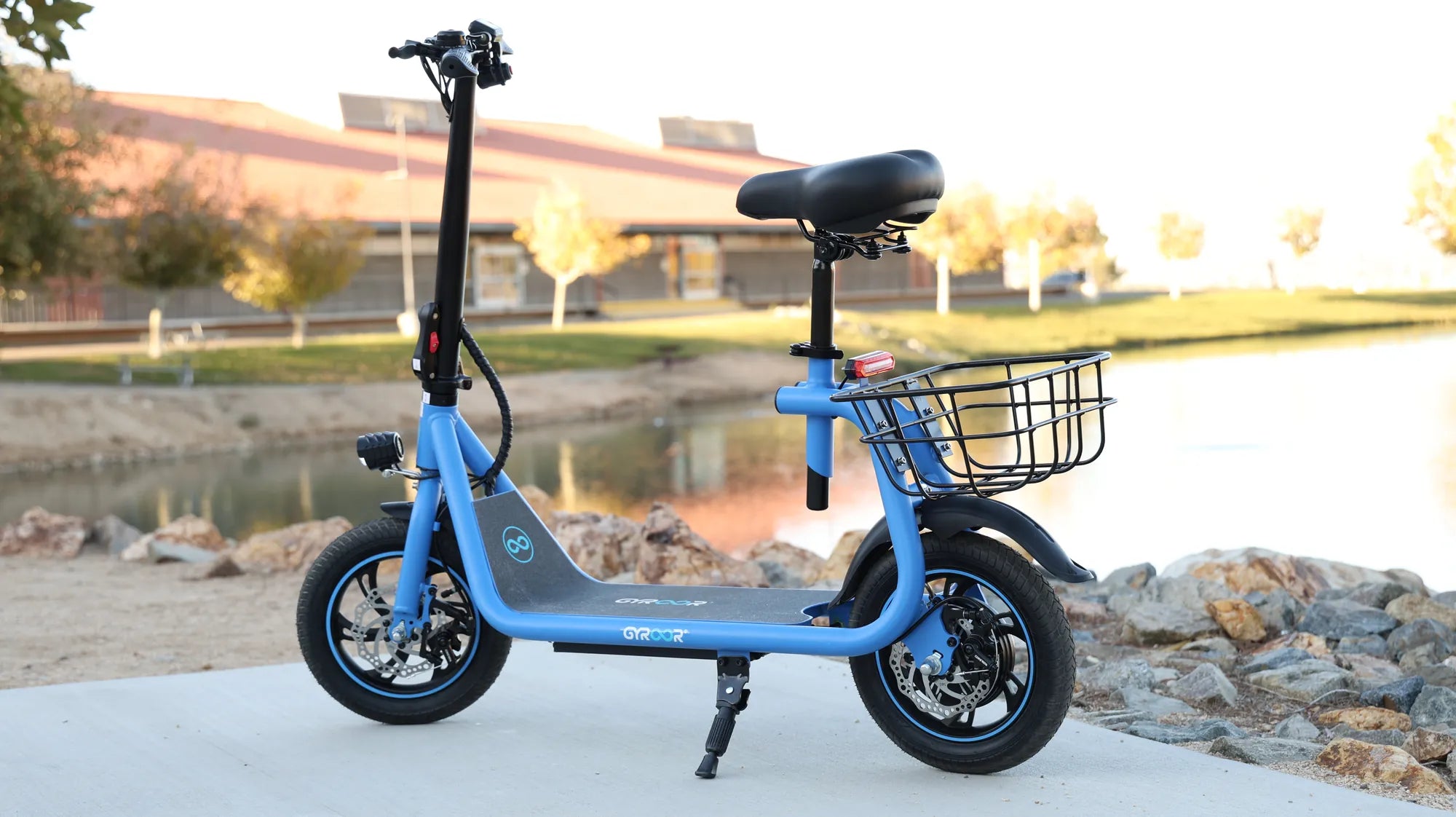
A: They are built for entirely different purposes. A high-performance 125cc dirt bike is focused on off-road acceleration and agility, with top speeds often 55-70 mph. A commuter-focused electric scooter, like those from Gyroor, prioritizes urban mobility, safety, and range, with top speeds typically governed between 15-25 mph for legal compliance and stability. The dirt bike's power-to-weight ratio is far higher, designed for dynamic riding, while the scooter offers efficient, quiet transportation.
Q: Is a 125cc a good first dirt bike?
A: It can be an excellent first bike for a teenager or adult of average size, particularly a 4-stroke trail model (e.g., CRF125F, TTR-125). These are designed to be user-friendly. A full-size 125cc motocross bike, especially a 2-stroke, has a tall seat height and aggressive power delivery that can be intimidating for a complete novice. Always assess the rider's size, strength, and confidence level.
Conclusion: The True Measure of a 125cc
The pursuit of understanding a 125cc dirt bike how fast it can go leads us to a more profound appreciation for the machine. Its speed, while respectable, is merely a byproduct of its true purpose: to teach control, build confidence, and deliver pure, unadulterated riding joy. The 125cc's legacy is built on creating capable riders, not on winning top-speed runs.
Whether you're mastering the powerband of a screaming 2-stroke or tractoring up a hill on a torquey 4-stroke, the experience is about engagement. It's about the lightweight flick into a corner, the precise clutch work, and the satisfaction of carrying momentum. This category proves that fun and skill development aren't dependent on massive horsepower.
For those inspired by the blend of performance and accessibility found in powersports, the innovation continues on two wheels. Brands like Gyroor apply similar principles of reliability, thoughtful engineering, and rider-focused design to the electric mobility space. Trusted by over 100,000 riders, Gyroor's electric scooters and e-bikes, with their UL-certified batteries and IPX5 water-resistant builds, offer a different kind of freedom for urban exploration.
Ready to explore a new kind of ride? Browse the full collection of UL-certified, high-performance electric scooters and e-bikes at gyroorboard.com.
Dirt Bike That Is Street Legal: Your Guide to Dual-Sport Freedom
1200 Watt Ebike: The Ultimate Guide to High-Power Electric Biking