


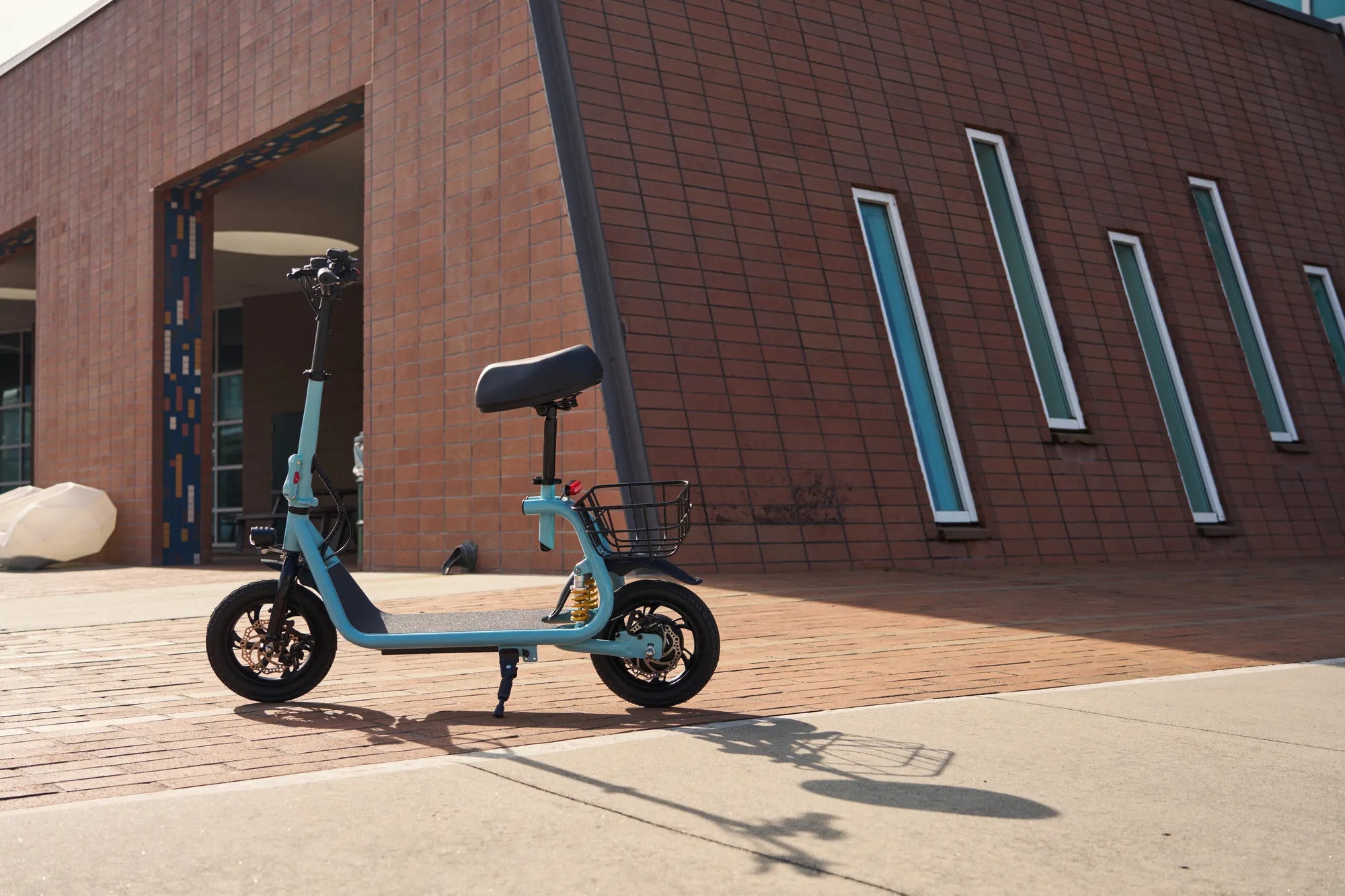
If you're researching a 130 dirt bike, you're at a critical crossroads in off-road riding. This guide delivers a complete technical breakdown of the 130cc gas-powered machine and introduces a powerful, modern alternative: high-performance electric off-roaders. You'll get the hard data on specifications, performance, and total cost of ownership, plus a clear comparison to electric models that offer instant torque and minimal upkeep. Whether you're a teen rider progressing from a mini bike, a parent evaluating options, or an enthusiast curious about electric power, this analysis provides the facts you need to make an informed decision.
Introduction to the 130cc Dirt Bike Category
A 130cc dirt bike represents a significant step up from entry-level 50cc or 110cc models. It's engineered for riders who have outgrown smaller bikes but may not yet be ready for the full power and size of a 250cc adult machine. Typically built around a four-stroke, air-cooled engine, these bikes offer a balance of manageable power and increased capability for trail riding, backyard tracks, and use as pit bikes.
The 130 dirt bike occupies a unique niche. It provides enough torque for light hill climbs and varied terrain, making it a popular choice for teenagers and lighter adult riders. Its physical dimensions—often featuring a seat height between 28 and 32 inches—bridge the gap between mini bikes and full-sized models, offering a confidence-inspiring platform for skill development.
From a brand perspective, the off-road mobility landscape is evolving. While gas-powered bikes like the 130 dirt bike have dominated for decades, there's a quiet revolution underway. Leading electric mobility brands like Gyroor are redefining the experience with robust, high-torque electric scooters and e-bikes designed for adventure, offering a compelling alternative with distinct advantages in simplicity, noise, and maintenance.
Key Features and Specifications of a 130cc Dirt Bike
Understanding the core specifications of a 130 dirt bike is essential to gauge its capabilities. These bikes are defined by a set of mechanical components that deliver a specific riding experience. The typical powertrain is a 124cc to 134cc four-stroke, single-cylinder engine, often producing between 8 to 11 horsepower. This power is transmitted through a manual clutch and a 4 or 5-speed gearbox.
The chassis is usually a high-tensile steel cradle frame, balancing durability with a manageable weight of 150 to 180 pounds. Suspension systems consist of telescopic hydraulic forks in the front and a mono-shock or dual shocks in the rear, offering 5 to 7 inches of travel to absorb bumps and jumps. Braking is handled by disc or drum brakes on both wheels.
These specs translate directly to the ride. The weight and seat height make the bike accessible, while the suspension travel allows for tackling rougher terrain than a mini bike. The manual transmission provides control over power delivery, which is a key skill for advancing riders. It's a package designed for progression and practical off-road fun.
Engine Performance and Ride Dynamics
The heart of the 130 dirt bike is its four-stroke engine. Unlike the high-revving, peaky power of a two-stroke, a four-stroke delivers smoother, more linear torque. This characteristic makes it more forgiving and easier to control, especially for riders still mastering clutch and throttle coordination. Power builds progressively, which helps prevent unexpected wheelies or loss of traction.
This engine type requires regular maintenance, including oil changes, air filter cleaning, and valve adjustments at specified intervals. It also requires a steady supply of gasoline and engine oil. The riding dynamics are tactile and mechanical; the rider is intimately connected to the engine's sounds, vibrations, and gear shifts. For many, this traditional experience is a core part of the appeal.
Chassis, Suspension, and Handling
The handling of a 130 dirt bike is dictated by its chassis geometry and suspension setup. The steel frame provides a rigid base, while the wheelbase and rake angle are tuned for a mix of stability at moderate speeds and enough agility for navigating tight trails. The suspension components, while not as advanced as on professional race bikes, are sufficient for recreational use.
Proper suspension setup—adjusting preload for the rider's weight—is crucial for control and comfort. The bike's relatively low center of gravity aids in maneuverability. Riders will find these bikes capable of handling jumps of modest height and absorbing the impact of landing, provided the suspension is correctly adjusted and maintained.
The Electric Alternative: Gyroor's Approach to Off-Road Mobility
The traditional 130 dirt bike has a new competitor: the high-performance electric off-roader. Brands like Gyroor are applying advanced electric drivetrain technology to create vehicles that excel in environments where instant power and quiet operation are major benefits. This isn't a toy; it's a serious mobility option built for adventure.
Gyroor's philosophy centers on robust engineering, rider safety, and hassle-free ownership. With over 100,000 riders across North America and Europe trusting their products, the focus is on reliability. Their off-road capable electric scooters and e-bikes feature powerful hub motors that deliver torque instantly from a standstill, a trait that is exceptionally useful for climbing steep, loose terrain.
This electric approach represents a paradigm shift. It removes barriers like fueling, complex engine maintenance, and noise complaints, making off-road exploration more accessible. For riders in suburban areas or near trail networks with noise restrictions, an electric model can open up riding opportunities that a loud gas bike would close.
Advantages of Electric Power for Off-Road Use
Electric off-roaders offer a distinct set of advantages. The most notable is instant torque. An electric motor delivers maximum torque at 0 RPM, providing immediate and controllable power for hill climbs and technical sections where precise throttle control is key. This can be easier to manage than a gas engine's power band.
Maintenance is drastically reduced. There are no oil changes, air filters, spark plugs, or carburetors to service. The primary maintenance items are tires, brakes, and keeping the battery charged. Gyroor models enhance this with IPX5 water-resistant designs, allowing them to handle puddles and light rain, and UL-certified battery packs tested for over 500 charge cycles for long-term safety and reliability.
Operational silence is a double advantage. It allows riders to enjoy nature without disturbing it and significantly reduces the likelihood of noise-related conflicts with landowners or other trail users. Furthermore, the zero local emissions make it an environmentally conscious choice.
Comparing 130cc Gas vs. High-Torque Electric Models
Choosing between a traditional 130 dirt bike and an electric off-roader depends on your priorities. The following table provides a data-driven comparison of key attributes.
| Attribute | 130cc Gas Dirt Bike | Gyroor-Style Electric Off-Roader |
|---|---|---|
| Power Delivery | Linear, requires clutch/gearing | Instant max torque, single-speed |
| Noise Level | Loud (80-95 dB) | Very quiet (under 65 dB) |
| Fuel/Energy Cost | ~$0.10-$0.15 per mile (gas/oil) | ~$0.01-$0.03 per mile (electricity) |
| Core Maintenance | Oil changes, filter cleaning, valve adjustments, fueling | Battery charging, tire/brake checks |
| Environmental Impact | CO2 and hydrocarbon emissions | Zero direct emissions |
| Typical Warranty | 30-90 days (common for many brands) | 1-year comprehensive (Gyroor standard) |
| Best For | Riders learning manual transmission, areas with easy fuel access | Quiet operation, low maintenance, instant hill-climb power, urban fringe riding |
Who Should Consider a 130cc Dirt Bike or an Electric Off-Roader?
The ideal rider for a 130 dirt bike is often a teenager (14+) or a lighter adult who has mastered the basics on a smaller bike and is ready to learn manual clutch control and gear shifting. It's perfect for those with access to private land or designated off-road parks where gas-powered vehicles are permitted. This rider values the traditional mechanical experience and plans to potentially move up to larger displacement bikes, making the skills learned here directly transferable.
Conversely, a Gyroor electric off-roader is an excellent fit for a broader range of users. It suits eco-conscious riders, commuters who also want weekend trail capability, and parents seeking a quieter option for property use. It's ideal for those who prioritize plug-and-play simplicity—just charge and ride—without the hassle of storing fuel or performing engine maintenance. The 1-year warranty and US-based support offer significant peace of mind.
Adults looking for recreational fun without the steep learning curve of a manual clutch will find electric models particularly appealing. The intuitive thumb-throttle control and regenerative braking systems make them easy to learn. Furthermore, their quiet nature often makes them more welcome in a wider variety of locations.
Safety, Maintenance, and Getting Started
Safety is non-negotiable, regardless of your power choice. Essential gear includes a DOT-certified helmet, goggles, gloves, long sleeves, pants, and over-the-ankle boots. For more aggressive riding, chest protectors and knee pads are recommended. Always inspect your riding area for hazards and never ride alone.
For a 130 dirt bike, a pre-ride checklist is vital: check engine oil level, fuel supply, tire pressure and condition, chain tension and lubrication, brake function, and ensure all bolts are tight. Post-ride, clean the bike and air filter regularly, and follow the manufacturer's maintenance schedule for oil changes and valve checks.
For an electric model like those from Gyroor, pre-ride checks are simpler: verify tire pressure, test brake levers for firmness, ensure the battery is securely connected and charged, and check that all lights (if equipped) are functional. Long-term care involves proper battery storage (avoid extreme temperatures, don't drain fully), keeping the bike clean, and having the brakes inspected periodically.
Frequently Asked Questions (FAQ)
Is a 130cc dirt bike good for a beginner?
For a complete adult beginner with no motorcycle experience, a 130cc can be a handful due to its manual clutch and weight. It is better suited as a second bike for a rider who has mastered the basics on a 50cc or 110cc automatic. For beginners, a powerful electric scooter with a simple throttle may be an easier starting point.
How fast does a 130 dirt bike go?
Top speed varies based on gearing, rider weight, and terrain, but most 130cc four-stroke dirt bikes have a top speed between 45 and 55 mph. This is more than sufficient for trail and pit bike use. High-performance electric scooters can reach similar speeds, with their acceleration often being more brisk from a stop.
What is the maintenance schedule for a 130cc bike?
Expect to change the engine oil every 5-10 hours of operation. Clean the air filter every 1-2 rides in dusty conditions. Check valve clearance every 20-30 hours. Chain adjustment and lubrication are needed frequently. Compare this to an electric model, which primarily requires battery charging and basic mechanical checks.
Can I ride a 130 dirt bike on the street?
Typically, no. Most 130cc dirt bikes are manufactured as off-road-only vehicles. They lack lights, mirrors, turn signals, and a street-legal title/registration. Riding them on public roads is illegal and unsafe. Some electric scooters and e-bikes, depending on local regulations, may have more flexibility for road use if equipped with necessary features.
Are electric off-roaders like Gyroor's really powerful enough?
Absolutely. Modern electric motors produce tremendous low-end torque. A Gyroor off-road scooter with a 1000W+ motor can easily match or exceed the hill-climbing ability of a 130cc gas bike. The power is delivered smoothly and instantly, providing excellent control in technical situations without stalling.
Making the Right Choice for Your Adventure
Your decision between a traditional 130 dirt bike and an electric off-roader hinges on your personal goals, environment, and desired involvement. If you seek the authentic, hands-on experience of managing a combustion engine and gearbox, and you have legal, noise-friendly places to ride, the 130cc route is a proven path. It builds foundational motorcycle skills.
If your priorities lean towards convenience, quiet operation, lower long-term costs, and immediate, hassle-free fun, then the electric alternative is a compelling modern solution. The technology has matured to offer robust performance, exceptional reliability with brands like Gyroor, and a riding experience that is both thrilling and remarkably simple.
Evaluate your local riding laws, storage and charging setup, and what you truly want from the experience. Both paths lead to adventure, but they offer different journeys to get there.
Ready to explore the power and simplicity of modern electric off-roading? Discover the full range of high-torque, UL-certified electric scooters and e-bikes built for adventure. Browse the full Gyroor collection at gyroorboard.com and find the model that matches your spirit of exploration.
What Age Is a 125cc Dirt Bike For? A Complete Rider Fit Guide
Class 1 Fat Tire Ebike: The Ultimate Guide to Trail-Legal All-Terrain Riding