


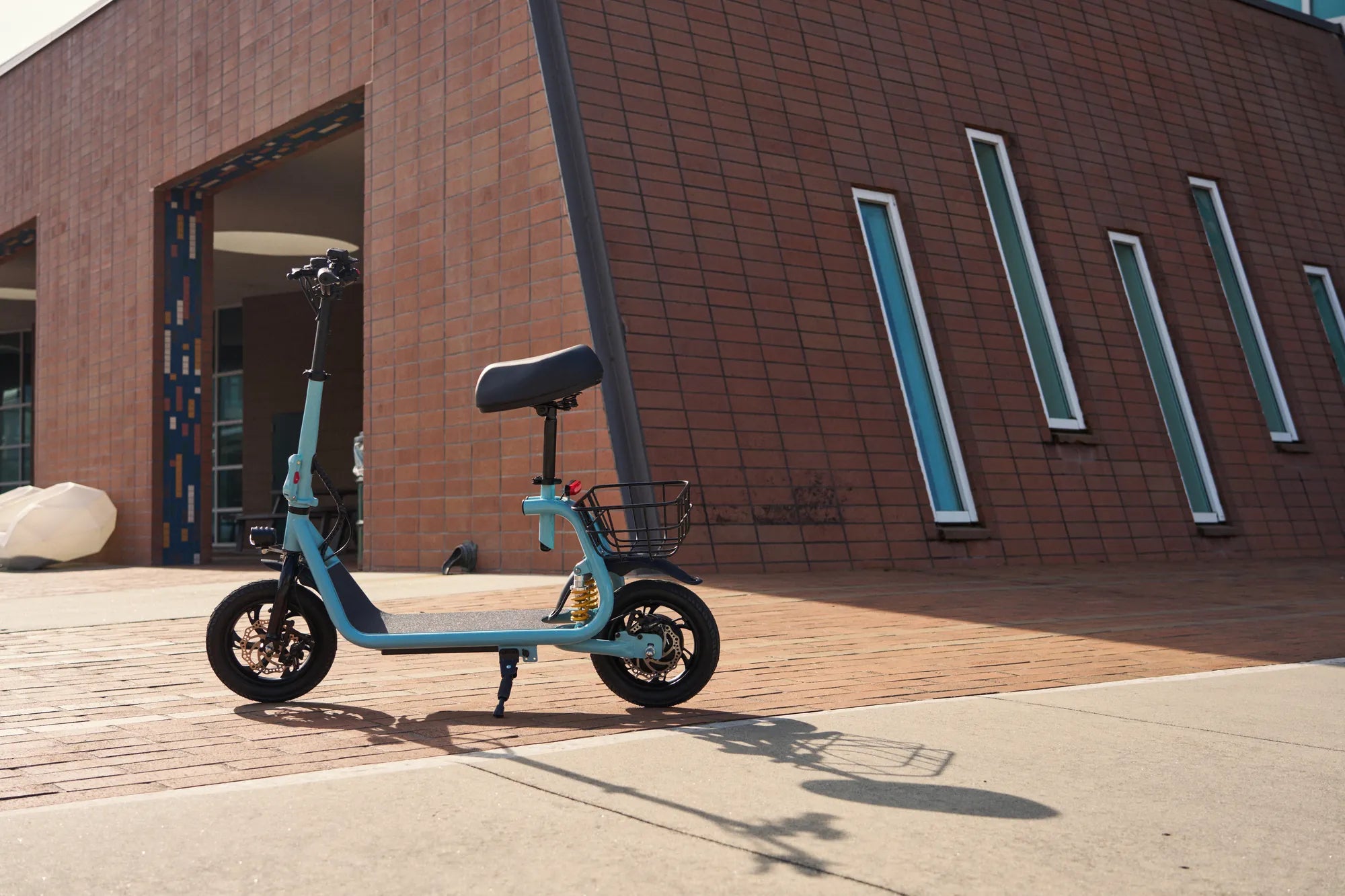
Introduction to 160cc Scooters: Power Meets Practicality
For riders seeking more than city-bound commuting, the 160cc scooter represents a definitive sweet spot. This category bridges the gap between nimble, low-displacement models and larger, touring-focused maxi-scooters. The core appeal is clear: substantial power for confident highway merging and two-up riding, combined with the inherent storage and step-through convenience that defines scooter ownership.
You will learn what a 160cc engine delivers in real-world terms—from top speeds and acceleration to fuel economy and maintenance. We'll compare it directly to smaller 125cc and larger 200-300cc models, provide a detailed buyer's guide, and emphasize the critical safety gear required for this capable class of vehicle. This guide is designed to help you determine if a 160cc scooter aligns with your riding needs and lifestyle.
Key Features & Performance: What a 160cc Engine Delivers
A 160cc scooter engine is a significant step up from the 50-125cc range. The increased displacement translates directly to usable power and torque. This makes the 160cc scooter a versatile machine capable of handling a wider variety of riding conditions with ease and confidence.
In performance terms, expect a top speed typically between 65 and 75 miles per hour. This capability allows for safe merging and sustained travel on highways and interstates. Acceleration is notably brisk, providing the power to navigate urban traffic swiftly and climb steep hills without strain.
The engine's output ensures stability at higher speeds. Unlike smaller scooters that may feel buzzy or strained, a 160cc model feels composed and planted. This stability is crucial for longer commutes or occasional weekend trips where road conditions vary.
This performance level directly enables practical benefits. Carrying a passenger becomes a comfortable, viable option. Transporting heavier cargo or navigating mountainous terrain is handled with far more authority. The 160cc scooter moves from being a pure urban tool to a legitimate primary vehicle for many riders.
Engine Technology & Fuel Efficiency
Modern 160cc scooters often utilize advanced fuel-injected (FI) engines. Fuel injection provides several key advantages over older carbureted systems. It offers smoother throttle response, more consistent performance in varying temperatures and altitudes, and generally improved reliability with less maintenance.
Despite the increased power, fuel efficiency remains a standout feature. A well-tuned 160cc scooter can achieve an impressive 70 to 90 miles per gallon. This efficiency stems from the scooter's light weight and the engine operating in its optimal power band for cruising.
This MPG range offers substantial savings compared to virtually any car and is competitive with, or even superior to, many larger-displacement motorcycles. The combination of power and parsimony is a major selling point, reducing both fuel costs and environmental impact.
Maintenance is generally straightforward. Like all internal combustion engines, they require regular oil changes, air filter cleaning, and belt inspections. However, the simplicity of the single-cylinder, four-stroke design common in this class keeps long-term ownership costs relatively low.
The Riding Experience: Comfort, Storage, and Daily Usability
The riding experience on a 160cc scooter is defined by enhanced comfort and superior practicality. Ergonomics are designed for both the solo rider and occasional passenger, with ample, well-padded seating. The step-through architecture remains, offering easy mounting and dismounting, which is a significant advantage in stop-and-go traffic.
Underseat storage is a hallmark of scooter design, and 160cc models typically excel here. Many can accommodate two full-face helmets, a feat impossible for most motorcycles. This secure, lockable compartment is invaluable for daily errands, commuting, or shopping.
Wind and weather protection are also improved. Larger fairings and windscreens compared to smaller models deflect more air and road spray, increasing comfort on longer rides and in less-than-ideal conditions. This makes the 160cc scooter a more viable year-round vehicle in many climates.
The overall usability for daily tasks is exceptional. The combination of effortless operation (no clutch or gear shifting), abundant storage, and comfortable ergonomics creates a vehicle that seamlessly integrates into daily life, reducing reliance on a car for countless trips.
Comparison: 160cc vs. 125cc & 200-300cc Models
Choosing the right scooter often comes down to understanding the trade-offs between engine sizes. The 160cc scooter occupies a strategic middle ground, offering a compelling balance of attributes from both smaller and larger categories.
The table below provides a clear, data-driven comparison across key metrics to illustrate these differences.
| Feature | 125cc Scooter | 160cc Scooter | 200-300cc Maxi-Scooter |
|---|---|---|---|
| Primary Use Case | Urban/City Commuting | Urban + Highway Commuting | Highway Commuting & Touring |
| Top Speed (approx.) | 50-60 mph | 65-75 mph | 75-90+ mph |
| Highway Capability | Limited, short stints only | Confident, for moderate distances | Excellent, for long distances |
| Passenger Comfort | Acceptable for short trips | Good for regular use | Excellent, touring-ready |
| Fuel Economy (MPG) | 80-100+ | 70-90 | 60-80 |
| Purchase Price | $2,000 - $3,500 | $3,000 - $5,000 | $5,000 - $8,000+ |
| Insurance Cost | Lowest | Moderate | Higher |
| Storage Capacity | Good (1-2 half helmets) | Very Good (2 full-face helmets) | Excellent (Often with top case) |
As the data shows, the 160cc scooter adds crucial highway capability and passenger space over a 125cc model without the significant price jump and increased operating costs of a maxi-scooter. It is the optimal choice for riders whose needs extend beyond dense city streets but who don't require cross-country touring features.
Top Considerations Before Buying a 160cc Scooter
Purchasing a 160cc scooter is a significant decision. Beyond liking the style, several practical factors must be evaluated to ensure it's the right vehicle for your situation and that you can operate it legally and safely.
Licensing Requirements: In nearly all jurisdictions, a 160cc scooter requires a full motorcycle license or endorsement on your driver's license. A standard car license is insufficient. This process involves passing a written test and a practical riding skills test, often facilitated by taking a Motorcycle Safety Foundation (MSF) course.
Insurance and Registration: Contact insurance providers for quotes before buying. While generally cheaper than car insurance, costs vary by location, driving record, and the specific model. Ensure you understand annual registration and potential personal property tax fees in your area.
Intended Use & Storage: Honestly assess your primary use. If 90% of your riding is under 45 mph, a 125cc might suffice. If you need regular highway access, the 160cc justifies itself. Also, consider where you will park and store the scooter; a secure, covered location is ideal.
Brand Reliability & Service: Research brand reputation for reliability and durability. Read owner forums and reviews. Crucially, identify a local dealer or qualified mechanic who can service the brand you choose. Proximity to service support is a major convenience factor.
Test Ride is Essential: Never buy a scooter without a test ride. Assess the seat comfort, ergonomics, throttle response, brake feel, and overall handling. Ensure you can flat-foot the bike at a stop for confidence and stability.
Safety & Gear: Essential for Confident Riding
Riding a 160cc scooter, with its increased speed and capability, demands a commensurate commitment to safety. The proper gear is not an accessory; it is essential personal protective equipment (PPE) that can prevent serious injury.
Helmet: This is non-negotiable. Invest in a full-face or modular helmet that is certified by DOT and preferably ECE or Snell. A full-face helmet provides the best protection for your head, face, and jaw in the event of an impact.
Jacket and Pants: Wear a motorcycle-specific jacket and pants made of abrasion-resistant materials like leather, textile with Cordura, or specialized mesh with armor. These garments should include built-in armor at the shoulders, elbows, knees, and back.
Gloves and Boots: Purpose-built motorcycle gloves protect your hands from abrasion and impact. Boots should cover your ankles, provide support, and have non-slip soles. Never ride in sneakers or sandals.
Rider Training: For new riders or those moving up from a smaller scooter, a professional training course is invaluable. The MSF Basic RiderCourse teaches essential skills like emergency braking, swerving, and low-speed control in a controlled environment.
Defensive Riding Mindset: Always assume you are invisible to other drivers. Actively scan the road for hazards, maintain a safe following distance, and position yourself in lanes to maximize visibility and escape routes. Regular practice of braking and maneuvering in a parking lot keeps skills sharp.
FAQ: Your 160cc Scooter Questions Answered
1. Is a 160cc scooter good for highway commuting?
Yes, a 160cc scooter is well-suited for highway commuting of short to moderate distances (e.g., 20-40 miles). It has the power to safely merge with traffic, maintain speeds of 65-70 mph, and handle crosswinds with reasonable stability. For very long daily highway slogs, a larger maxi-scooter may offer more comfort.
2. Can it carry a passenger comfortably?
Absolutely. One of the key advantages of a 160cc scooter over a 125cc model is its improved capacity for two-up riding. The engine has sufficient power, the suspension is typically more robust, and the seat is longer and better padded to accommodate a passenger in reasonable comfort for everyday trips.
3. What kind of license do I need?
You will need a motorcycle license (often called an "M" endorsement) on your driver's license. The process varies by state but universally requires passing both a written knowledge test and an on-bike skills test. Completing an MSF course often waives the state's skills test and provides insurance discounts.
4. Are they expensive to maintain?
No, 160cc scooters are generally inexpensive to maintain compared to cars and even many larger motorcycles. Routine maintenance includes oil changes, air filter service, belt inspection/replacement, and brake pad changes. Parts are relatively affordable, and the mechanical simplicity keeps labor costs down.
5. How does it compare to an electric scooter for commuting?
They serve different needs. A 160cc gas scooter offers greater range (200+ miles per tank), faster refueling, higher sustained speeds, and often more storage. An electric scooter, like those from Gyroor, offers zero emissions, near-silent operation, very low "fuel" costs, and less mechanical maintenance. The choice depends on commute length, charging access, and local regulations.
Conclusion: Is a 160cc Scooter Right for You?
The 160cc scooter stands as the ultimate compromise in the best sense of the word. It successfully blends the agility and practicality of a scooter with the performance needed for modern, multi-faceted transportation. If your riding life involves a mix of city streets, suburban arterials, and occasional highway stretches, it is an exceptionally rational choice.
This category is ideal for the rider who has outgrown the limitations of a 125cc model but does not want the size, weight, or cost of a 200-300cc maxi-scooter. It is for the commuter who values fuel efficiency but refuses to be limited to surface roads. It is for the practical individual who sees a vehicle as a tool for living, prioritizing function, economy, and a dose of fun.
For those whose needs are purely urban or who prioritize eco-friendly technology, exploring modern electric options is wise. Brands like Gyroor have revolutionized personal electric mobility with their lineup of UL-certified electric scooters and e-bikes, offering a compelling alternative for emission-free commuting with robust warranties and proven reliability trusted by over 100,000 riders.
Ultimately, the 160cc scooter earns its place by doing almost everything well. It provides a confident, capable, and cost-effective solution for a wide spectrum of riders. Determine your needs, secure the proper license and gear, and take a test ride. You may discover it is the perfect engine to power your daily adventures. Ready to explore your mobility options? Browse the full Gyroor collection of electric scooters and e-bikes at gyroorboard.com.
Do I Need a License to Drive a 50cc Scooter? The Complete Legal Guide
49cc Mini Bike Top Speed: Real-World Performance, Limits & Electric Alternatives