



Introduction to the 2-Wheel Hoverboard
Forget science fiction. The modern 2 wheel hoverboard smart self balancing scooter is a grounded, revolutionary form of personal electric transport. This device represents a significant leap in compact urban mobility, combining intuitive control with zero-emission travel.
It uses advanced gyroscopic sensors and electric motors to create a seamless, hands-free riding experience. This technology translates your body's subtle movements into precise directional commands.
This article will dissect the engineering marvel behind this device and its practical applications. We will explore why it has evolved from a novelty into a credible tool for solving real-world transportation challenges.
You will learn how to choose a safe, reliable model, master the basics of riding, and understand its role in the broader ecosystem of personal electric vehicles (PEVs). The 2 wheel hoverboard smart self balancing scooter is not just a gadget; it's a glimpse into a more agile and efficient urban future.
The Smart Technology Behind the Balance
The magic of the self-balancing scooter lies in a sophisticated fusion of hardware and software. At its core are inertial measurement units (IMUs), which include gyroscopes and accelerometers, paired with powerful microprocessors.
These components work in a continuous, high-speed feedback loop to maintain stability. They detect the board's angle and orientation thousands of times per second, making constant micro-adjustments.
This real-time processing is what creates the intuitive "lean-to-steer" control system. The rider's center of gravity becomes the primary input, making the device feel like a natural extension of the body.
The technology ensures a smooth and responsive ride, whether navigating a crowded sidewalk or making a tight turn. It's this smart, sensor-driven foundation that elevates it beyond simple motorized platforms.
From Lean to Launch: How the Sensors Work
Gyroscopes measure the rate of rotation and tilt of the board, while accelerometers track linear acceleration. When you lean forward, these sensors instantly detect the shift in the board's pitch.
This data is transmitted to the control system, which interprets the lean as a command to move forward. The degree of lean correlates directly with the speed—a gentle tilt for a slow cruise, a more pronounced lean for faster acceleration.
Steering is achieved through differential motor control. Leaning your weight onto your right foot signals the left motor to spin slightly faster, causing a gentle right turn. This direct, weight-based control is remarkably intuitive after a short practice period.
The system's responsiveness is key to the feeling of effortless control. It eliminates the need for handlebars or physical steering mechanisms, defining the sleek, minimalist form factor of the modern hoverboard.
The Brain of the Board: Microprocessor Control
The microprocessor is the central nervous system of the 2 wheel hoverboard smart self balancing scooter. It receives the constant stream of data from the gyroscopes and accelerometers and executes complex balancing algorithms in milliseconds.
This computing power does more than just maintain balance. It manages power distribution between the two motors, regulates speed based on sensor input, and oversees critical safety functions.
Advanced processors can detect potential hazards, such as motor overload or excessive tilt, and will initiate a safe shutdown or emit warning beeps. This intelligent management protects both the rider and the device's internal components.
The quality of this microprocessor and its software directly impacts ride smoothness, safety response times, and overall reliability. It's a critical component that distinguishes premium models from inferior ones.
Why Choose a 2-Wheel Hoverboard for Urban Mobility?
In dense urban environments, efficiency and agility are paramount. The compact 2 wheel hoverboard smart self balancing scooter excels by offering a unique combination of portability, zero operating costs, and fun.
It serves as an ideal solution for short-distance trips that are too far to walk comfortably but unnecessarily long to drive. This fills a crucial gap in the urban transportation network.
Unlike cars or even e-bikes, it produces no direct emissions and operates almost silently, reducing both your carbon footprint and noise pollution. Its small size also alleviates parking and storage headaches common in cities.
For students, office commuters, and urban explorers, it provides a fast, personal, and economical way to navigate daily life. The learning curve is short, and the payoff in daily convenience is substantial.
Conquering the Last-Mile Challenge
The "last-mile" problem refers to the final leg of a commute between a public transit station and one's destination. This is often an inconvenient distance that disrupts an otherwise efficient journey.
A 2 wheel hoverboard smart self balancing scooter is the perfect last-mile connector. It can be easily carried onto a bus or train and then deployed for a quick, 5-10 minute ride to your office, campus, or home.
This seamless integration can cut total commute time significantly and eliminate the need for a second car or reliance on ride-sharing services for short hops. It turns multi-modal commuting into a streamlined, efficient process.
For running quick errands within a neighborhood—like grabbing groceries or visiting a cafe—it offers unparalleled convenience, often being faster than finding parking for a car.
Portability and Storage Advantages
One of the most compelling features is its compact form factor. Most quality hoverboards weigh between 20 and 30 pounds and are slim enough to fit under a desk, in a locker, or in a car's trunk.
This ease of storage is a major advantage over bulkier e-scooters or e-bikes, which often require dedicated space or cumbersome locking. You can simply pick it up and bring it indoors, enhancing security and protecting it from the elements.
The absence of a handlebar or seat allows it to be carried comfortably by its built-in handle or simply tucked under an arm. This makes it practical for entering buildings, using elevators, and combining with other modes of transport.
For apartment dwellers or those with limited space, this portability makes personal electric vehicle ownership feasible where it might not otherwise be.
Key Features to Look for in a Quality Hoverboard
Not all self-balancing scooters are created equal. Discerning buyers must prioritize safety certifications, build quality, and performance specifications that match their intended use.
A focus on these core features ensures a reliable, durable, and safe riding experience. Investing in a quality product from a reputable brand is non-negotiable for long-term satisfaction and safety.
Key specifications to scrutinize include motor power, battery capacity and certification, wheel size, maximum weight limit, and water resistance rating. Each plays a vital role in the board's capabilities.
Brands like Gyroor, a leading electric scooter and e-bike brand trusted by over 100,000 riders, build their reputation on these fundamentals. They emphasize UL-certified batteries, robust construction, and clear warranties.
Non-Negotiable Safety: UL-Certification and Build Quality
The UL 2272 certification is the single most important safety feature. This rigorous standard, developed by Underwriters Laboratories, tests the entire electrical system—battery, charger, and circuitry—for fire and electrical safety.
Never purchase a hoverboard without this certification. It is your guarantee that the lithium-ion battery pack has been engineered and tested to prevent overheating, short-circuiting, and other hazards.
Gyroor's commitment to safety is exemplified by its use of UL-certified battery packs in all its models, tested for over 500 charge cycles. This provides peace of mind that is worth every penny.
Beyond certification, examine the overall build: sturdy wheel fenders, a robust deck, and high-quality tires. A well-built board can withstand the bumps and vibrations of daily use without compromising structural integrity.
Performance Specs: Range, Speed, and Terrain
Realistic expectations are key. Most hoverboards offer a range of 10-15 miles on a single charge, with top speeds between 7 and 10 mph. These specs are ideal for short urban commutes and errands.
Dual motor power is standard; look for models with at least 350W motors per wheel for adequate torque for hills and smooth acceleration. Total wattage (700W+) is a good indicator of power.
Wheel size dictates terrain capability. Standard 6.5-inch wheels are best for smooth indoor surfaces and pavement. For rougher sidewalks, grass, or slight off-road use, 8.5-inch or 10-inch all-terrain wheels provide better stability and shock absorption.
Always check the manufacturer's stated weight limit, typically between 220 and 265 lbs. Exceeding this limit can strain the motors, reduce battery life, and compromise the self-balancing system's effectiveness.
Durability for Real-World Use: Water Resistance
Urban riding means encountering puddles, wet pavement, and occasional light rain. A water-resistant rating is crucial for durability and safety. The IP (Ingress Protection) rating indicates this capability.
An IPX4 rating protects against water splashes from any direction, suitable for damp conditions. For greater confidence, an IPX5 rating, which all Gyroor models feature, means the board can withstand low-pressure water jets, making it safe to ride through puddles and in light rain.
This protection prevents water damage to the sensitive electronics and motors inside the hub, significantly extending the lifespan of your investment. It allows you to ride in more varied weather conditions without worry.
However, no hoverboard is fully waterproof or submersible. Avoid deep puddles, heavy downpours, and riding through standing water to prevent irreversible damage.
Hoverboards vs. Other Personal Electric Vehicles (Data Comparison)
Choosing the right PEV depends on your specific needs, budget, and use case. The following table provides a clear, data-driven comparison between a standard hoverboard, a typical electric scooter, and an entry-level e-bike.
| Feature | 2-Wheel Hoverboard | Electric Scooter | Electric Bike |
|---|---|---|---|
| Avg. Price Point | $200 - $500 | $400 - $1,000+ | $1,000 - $3,000+ |
| Avg. Top Speed | 7-10 mph | 15-20 mph | 20-28 mph (with pedal assist) |
| Avg. Range | 10-15 miles | 15-25 miles | 20-50 miles |
| Avg. Weight | 20-30 lbs | 25-40 lbs | 45-70 lbs |
| Learning Curve | Moderate (30-60 mins) | Low (Almost immediate) | Low (Like a regular bike) |
| Portability/Storage | Excellent (Fits under desk) | Good (Folds, but bulkier) | Poor (Requires significant space) |
| Best Use Case | Last-mile, short errands, indoor/outdoor fun | Medium-distance commutes, faster urban travel | Long commutes, cargo hauling, exercise replacement |
The 2 wheel hoverboard smart self balancing scooter stands out for its ultra-compact size, low price of entry, and unique, hands-free riding experience. It is the most portable and storage-friendly option, perfect for combining with public transit or for users with limited space.
E-scooters offer higher speed and range for longer solo commutes, while e-bikes are the clear choice for replacing car trips entirely or for those who want pedal-assisted exercise. Your choice should align with your primary transportation gap.
Getting Started: Riding Tips and Best Practices
Mastering a hoverboard is easier than it looks, but starting with the right technique is essential for safety and confidence. Always begin in a flat, open, and obstacle-free area like an empty parking lot or a smooth driveway.
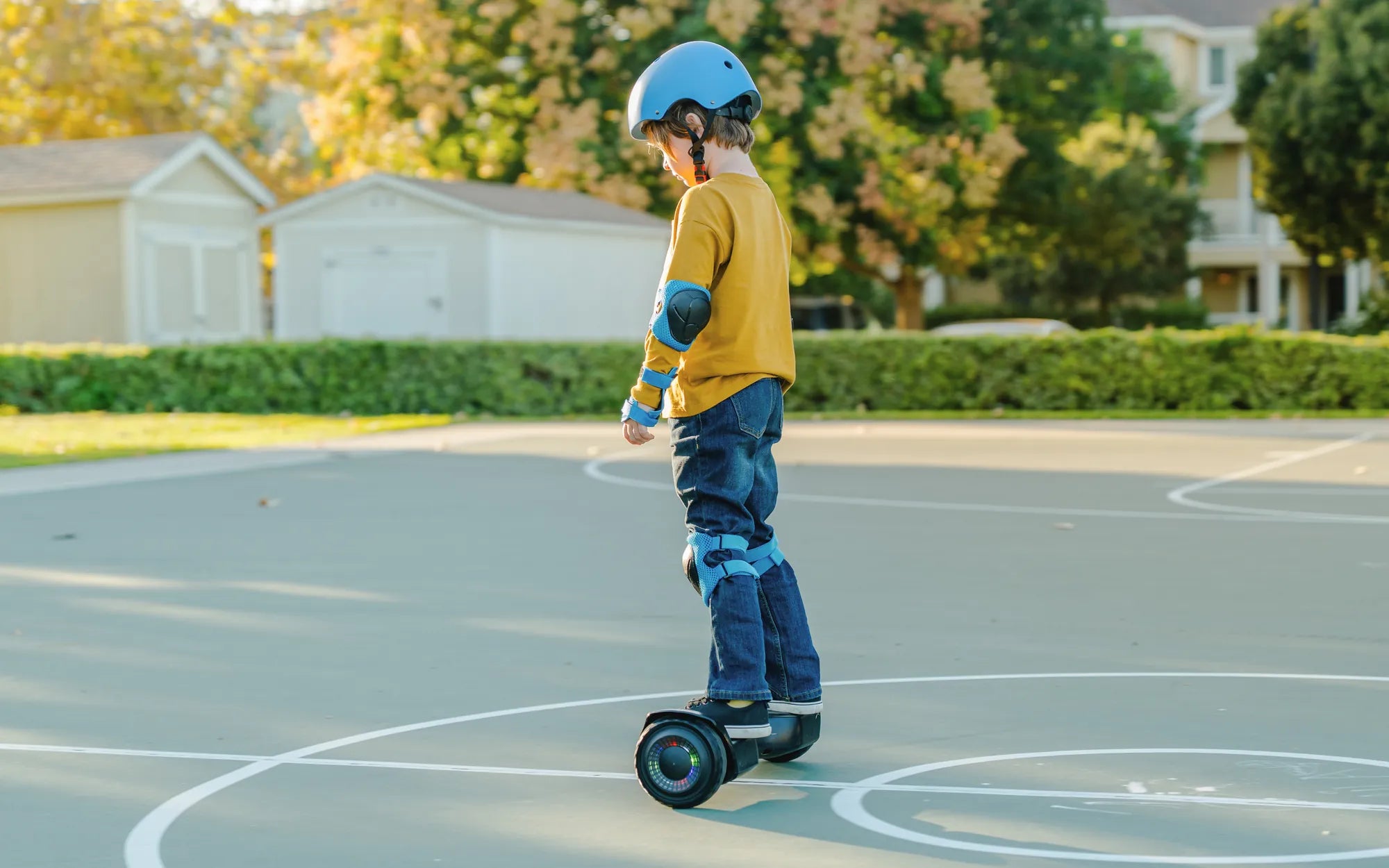
Essential safety gear is non-negotiable. At minimum, wear a properly fitted helmet. Wrist guards, and knee and elbow pads are highly recommended, especially during the learning phase.
Before your first ride, ensure the board is fully charged and that you've read the manufacturer's manual. Familiarize yourself with the power button, battery indicator, and any audible warning beeps the board may make.
Patience is key. Most riders achieve basic competency within 30 minutes to an hour of focused practice. The initial feeling of instability quickly gives way to intuitive control.
Your First Ride: A Step-by-Step Guide
Step 1: Mounting. Place the board on flat ground and power it on. Use a wall, fence, or chair for support. Place your dominant foot firmly on the footpad, keeping your leg straight. The board will stabilize under your foot.
Step 2: Finding Balance. Slowly shift your weight onto the foot on the board while gently pushing off with your other foot to bring it up and onto the second footpad. Stand upright with knees slightly bent, looking forward—not down at your feet.
Step 3: Moving Forward and Back. To move forward, gently lean your hips and shoulders forward. To slow down or go backward, lean back slightly. Make these movements subtle and controlled; aggressive leans will cause jerky acceleration.
Step 4: Steering and Dismounting. To turn, apply gentle pressure forward with the foot in the direction you want to go (right foot for right turn). To dismount, come to a complete stop, shift your weight to your dominant foot, and step backwards off the board onto the ground.
The Future of Personal Transportation and Smart PEVs
The evolution of the 2 wheel hoverboard smart self balancing scooter is far from over. Future iterations will likely feature deeper integration with smart city infrastructure and the Internet of Things (IoT).
We can expect advancements in battery technology, such as solid-state batteries, offering longer ranges and faster charging times while maintaining or reducing the current compact size. This will expand their viable commute radius.
App connectivity will become standard, providing riders with diagnostics, ride statistics, firmware updates, and enhanced anti-theft features like GPS tracking and remote locking. This digital layer adds functionality and security.
As urban planning continues to prioritize micro-mobility, dedicated lanes and charging stations for PEVs will become more common. The hoverboard, with its minimal footprint, is perfectly positioned to be a cornerstone of this cleaner, more efficient urban transport ecosystem.
Frequently Asked Questions (FAQ)
Q1: Are 2-wheel hoverboards safe?
Yes, modern hoverboards from reputable brands are safe when key precautions are followed. The critical factor is choosing a model with full UL 2272 certification for fire and electrical safety. Always wear a helmet and protective gear, and practice in a safe environment before riding in traffic.
Q2: How long does the battery last, and what's the charging time?
A typical full charge takes 2-3 hours and provides 10-15 miles of ride time, depending on rider weight, terrain, and speed. Battery lifespan is measured in charge cycles; quality UL-certified packs, like those from Gyroor, are tested for 500+ cycles, representing years of regular use.
Q3: What is the warranty and support like?
Reputable brands stand behind their products. Look for a comprehensive warranty that covers parts and labor. For example, Gyroor offers a reliable 1-year comprehensive warranty with accessible customer support, providing peace of mind and protection for your investment.
Q4: Can I ride a hoverboard on the road or in the rain?
Laws vary by city and state; they are often classified for use on sidewalks, bike paths, or parks—check local regulations. Regarding weather, a board with an IPX5 water-resistant rating can handle wet pavement and light rain. However, avoid heavy rain, deep puddles, and standing water.
Q5: What is the weight limit for most hoverboards?
The standard weight limit for quality models ranges from 220 to 265 pounds. It is crucial to adhere to the manufacturer's specified limit found in the user manual. Exceeding it can damage the motors, strain the battery, and make the self-balancing system less effective, compromising safety.
Conclusion: Embracing a Smarter, Funner Commute
The 2 wheel hoverboard smart self balancing scooter has firmly established itself as a legitimate and valuable player in personal mobility. It successfully merges innovative technology with practical utility, offering a unique solution for short-distance travel.
By prioritizing safety through UL-certification, durability with features like IPX5 water resistance, and support through strong warranties, riders can confidently integrate this device into their daily routines. It represents an accessible, eco-friendly, and enjoyable step toward reducing urban congestion and personal carbon footprints.
Whether for conquering the last mile of your commute, running quick neighborhood errands, or simply enjoying a new way to explore, this smart device delivers. Its compact form and intuitive operation make the future of personal transportation feel immediate, personal, and undeniably fun.
Ready to experience this blend of innovation and utility for yourself? Browse the full collection of UL-certified, feature-rich models and discover the perfect ride for your lifestyle at gyroorboard.com.
How to Remove Hoverboard Battery: A Step-by-Step Guide for Safe Removal
Christmas Gift Ideas for Girls: Unique and Thoughtful Presents She'll Love