



Why a 2 Wheeler Scooter is a Milestone for Kids
Mastering a 2 wheeler scooter represents a significant leap in a child's development, blending physical skill with growing independence. This guide provides the definitive roadmap for parents navigating this exciting purchase. You will learn how to select a scooter that prioritizes safety, understand essential riding protocols, and ensure years of reliable fun.
The transition from three or four wheels to two builds core strength, balance, and spatial awareness. It's a foundational skill that often precedes bicycle riding. Unlike passive entertainment, riding a scooter encourages outdoor activity, decision-making, and risk assessment in a controlled environment.
For over 100,000 families across North America and Europe, Gyroor has become a trusted partner in this journey. Our focus on UL-certified safety, durable construction, and age-appropriate performance forms the backbone of this ultimate guide to choosing a 2 wheeler scooter for kids.
This guide moves beyond basic recommendations. We delve into technical specifications, comparative data, and long-term ownership advice to empower your decision.
Understanding the Basics: Types of 2 Wheeler Scooters for Kids
A 2 wheeler scooter for kids is defined by its two inline wheels, a deck for standing, and a handlebar for steering. It requires the rider to maintain dynamic balance, distinguishing it from stable three-wheeled models. The core components are the deck, stem, handlebars, wheels, and braking system.
Electric models integrate a hub motor, a battery pack, and a control system. These components must be engineered for a child's weight and usage patterns. Quality construction in these areas directly impacts safety, performance, and longevity, making brand choice critical.
Parents should view a scooter as a developmental tool. The right model matches a child's current abilities while offering room to grow. It should feel challenging yet controllable, building confidence with each successful ride.
Electric vs. Kick-Powered: Choosing the Right Propulsion
The choice between electric and kick-powered scooters hinges on your child's age, coordination, and your goals for the activity. A traditional kick scooter relies solely on the child's leg power for propulsion and braking. It excels at teaching balance and providing physical exercise, making it ideal for younger children (ages 3-6) or as a first scooter.
An electric 2 wheeler scooter for kids, like those from Gyroor, uses a battery-powered motor. It introduces concepts of throttle control, speed management, and mechanical braking. Electric models are superb for building confidence in older kids (6+), extending range for neighborhood exploration, and providing a consistent riding experience without fatigue.
Consider energy output. A kick scooter offers unlimited "range" but limited speed, dependent on the child's stamina. An electric scooter provides a set range per charge (typically 6-12 miles for kids' models) and consistent speeds, allowing for longer family outings. The electric option is often the preferred choice for a primary, long-term 2 wheeler scooter for kids.
Key Features Every Parent Should Look For
Prioritizing key features ensures safety and value. The battery is the most critical safety component. Insist on UL-certified battery packs, like those used by Gyroor, which have undergone rigorous testing for stability, charging cycles, and failure prevention. Avoid unknown brands with uncertified cells.
Water resistance is crucial for real-world use. An IPX5 rating, standard on Gyroor scooters, means the scooter can withstand water jets from any direction. This protects the electrical system from puddles, light rain, and accidental sprays, greatly enhancing durability and safety.
A comprehensive warranty reflects manufacturer confidence. Gyroor's 1-year warranty on the motor, battery, and frame provides peace of mind. Also, look for features like a wide, grippy deck, responsive braking (electronic plus disc or rear foot brake), and adjustable handlebars to accommodate growth.
The Safety First Protocol: Essential Gear and Riding Rules
Safety is non-negotiable and must be established before the first ride. A proper safety protocol combines high-quality protective gear with clear, non-negotiable rules. This dual approach minimizes risk and teaches responsible habits.
Consistency is key. Gear must be worn every time, and rules must be followed without exception. This creates a routine where safety is an integral part of the fun, not an obstacle to it. Parental supervision is mandatory, especially for younger or less experienced riders.
Choose a controlled environment for learning. Empty parking lots, smooth park paths, or quiet cul-de-sacs are ideal. Avoid areas with vehicle traffic, steep hills, or heavy pedestrian activity until skills are mastered.
Mandatory Protective Gear
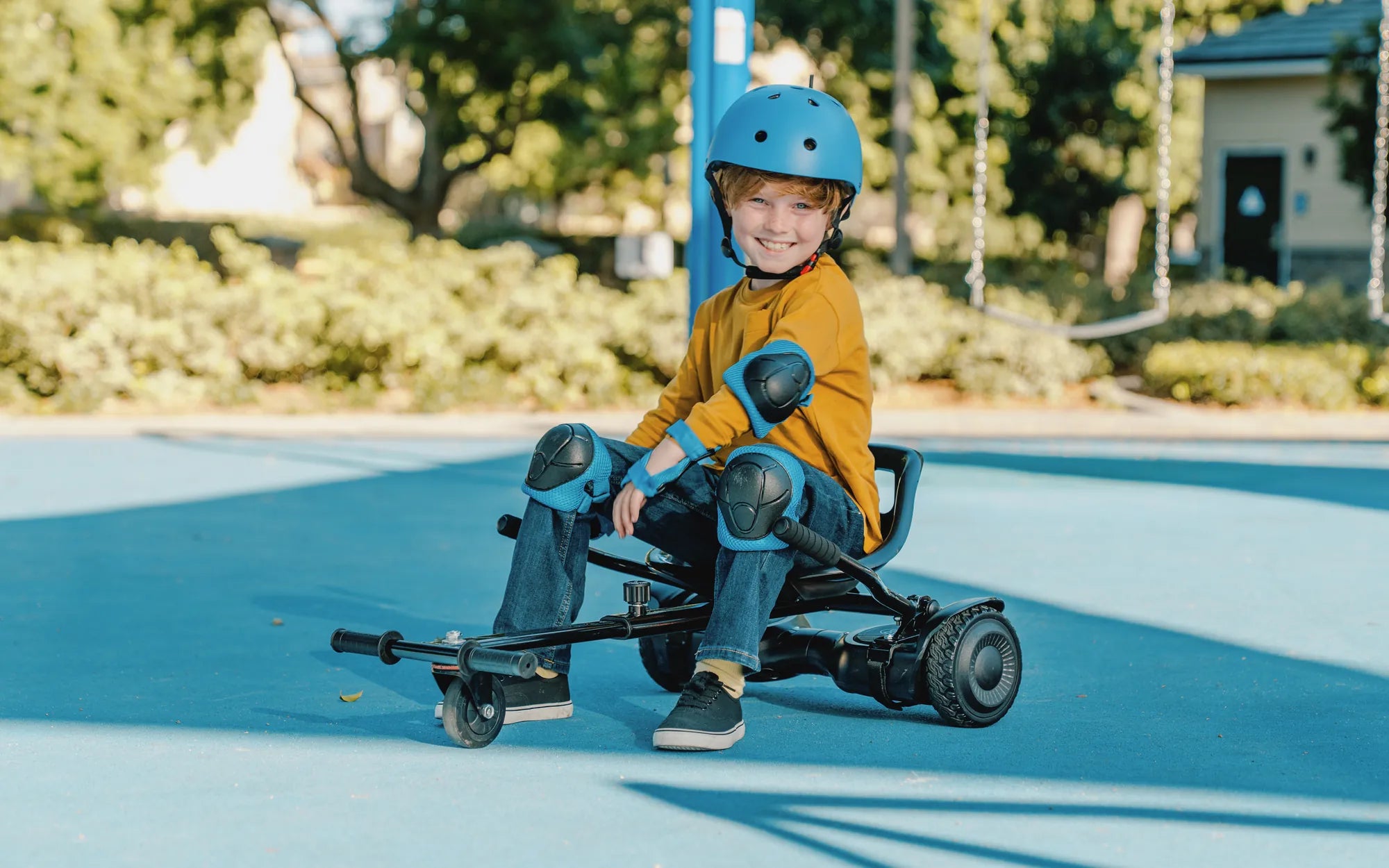
A helmet is the single most important piece of safety equipment. It must be certified for cycling or multi-impact (ASTM F1492 or CPSC) and fit snugly without rocking. The helmet should sit level on the head, covering the forehead, with the strap secured tightly.
Knee and elbow pads are essential. Scrapes and impacts to joints are common in beginner falls. Pads should have hard plastic caps, secure straps, and comfortable padding. Wrist guards are also highly recommended, as instinct leads to putting hands out during a fall.
Footwear matters. Sturdy, closed-toe shoes with grippy soles are required. Sandals, flip-flops, or crocs do not provide protection or proper control. Bright, visible clothing or reflective elements on gear are advised for low-light conditions.
Establishing Ground Rules for Safe Riding
Establish clear, simple rules from day one. Rule 1: Protective gear is always worn. Rule 2: Riding is only permitted in pre-approved, safe areas (no streets, driveways only with direct supervision). Rule 3: An adult must be present and watching.
Speed must be managed. Use the speed settings on electric scooters, starting with the lowest mode. Teach your child to slow down well before corners or obstacles. A maximum speed of 10 mph is generally sufficient and safe for most children.
Environmental rules are crucial. No riding in the rain, on wet surfaces, or at dusk/night. Teach awareness of surroundings: watch for cracks in pavement, gravel, sticks, and pedestrians. The scooter is for one rider only; no passengers.
How to Choose the Perfect Scooter for Your Child
Selecting the right model requires matching technical specifications to your child's physical attributes and your family's needs. This data-driven approach ensures the scooter is safe, usable, and enjoyable. The goal is a tool that fits your child now, with some room to grow.
Consider the primary use case. Is it for short driveway play, or longer family rides on bike paths? This influences needed range, speed, and tire type. Weight and portability also matter if you'll need to carry it frequently.
Brand reputation is a proxy for safety and reliability. Established brands like Gyroor invest in certified components, robust customer support, and clear manuals. They design scooters specifically for the stresses of child use, not simply downsized adult models.
Age, Weight, and Height Recommendations
Manufacturer guidelines are the starting point. The following table aligns general recommendations with the type of 2 wheeler scooter for kids that would be appropriate. Always defer to the specific model's maximum weight capacity.
| Age Range | Recommended Scooter Type | Max Weight Capacity Guide | Key Considerations |
|---|---|---|---|
| 3 - 5 years | Three-wheeled or kick scooter | Up to 44 lbs (20 kg) | Stability is key; low speed; focus on balance. |
| 6 - 8 years | Beginner electric 2-wheeler | 44 - 110 lbs (20 - 50 kg) | Speed limit (≤10 mph); adjustable handlebars; simple controls. |
| 9 - 12 years | Performance electric 2-wheeler | 110 - 154 lbs (50 - 70 kg) | Higher range (10+ mi); better suspension; terrain capability. |
Height is addressed through adjustable handlebars. The child should be able to stand comfortably on the deck with a slight bend in the knees and reach the handlebars without leaning forward excessively. A deck height that allows easy foot placement is also important.
Performance Specs Decoded: Speed, Range, and Terrain
Speed is measured in miles per hour (mph) or kilometers per hour (km/h). For children aged 6-9, a scooter with a maximum speed of 10 mph (16 km/h) is ideal, often with a beginner mode limiting it to 5-7 mph. For pre-teens (10-12), 12-15 mph may be appropriate if they have experience and discipline.
Range indicates how far the scooter can travel on a single charge. A 6-8 mile range is ample for most children's play. It translates to over an hour of continuous riding. Factors like rider weight, terrain, and speed affect real-world range. Gyroor models clearly state tested range under standard conditions.
Terrain capability depends on wheel size and type. Larger, air-filled (pneumatic) tires offer better shock absorption for bumpy sidewalks or hard-packed dirt paths. Smaller, solid rubber tires are maintenance-free and best for very smooth pavement. Most kids' scooters are designed for paved surfaces.
The Parent's Guide to Maintenance and Longevity
Regular maintenance ensures the 2 wheeler scooter for kids remains safe and extends its operational life. A well-maintained scooter performs reliably and reduces the risk of mechanical failure during use. Simple, consistent checks become part of the ownership routine.
Maintenance falls into two categories: pre-ride inspections and periodic care. The pre-ride check takes 60 seconds. Periodic care, like checking bolt tightness and cleaning, might be done monthly. Always refer to the user manual for model-specific instructions.
Proper care protects your investment. A scooter treated with respect and maintained well can last for several years, potentially through multiple children. It also reinforces to your child the importance of taking care of their possessions.
Pre-Ride Safety Checklist
Conduct this quick check with your child before every ride. First, inspect the tires for wear, cuts, or proper inflation (if pneumatic). Ensure they spin freely without wobble. Second, test the brakes. For electric scooters, test the electronic brake by gently applying the throttle and then the brake lever.
Third, check all connection points. Firmly grasp the handlebars and try to wiggle them; there should be no play where the stem connects to the deck. Ensure the folding mechanism (if present) is fully locked. Fourth, verify the battery charge level is sufficient for the planned ride.
Finally, do a visual scan of the frame and deck for any new cracks, damage, or loose parts. Listen for unusual sounds when the scooter is lifted or the wheels are spun. If anything feels loose, sounds odd, or looks damaged, do not ride until it is repaired.
Battery Care and Storage Best Practices
Proper battery care is essential for safety and performance. Use only the manufacturer-provided charger. Do not leave the scooter charging unattended for extended periods or overnight. Once the battery indicator shows a full charge, unplug the charger.
Store the scooter and battery in a cool, dry place, away from direct sunlight and extreme temperatures. Avoid storing it with a completely empty battery. If storing for more than a month (e.g., over winter), store it with a charge level between 50% and 80%.
Never attempt to disassemble the battery pack. The UL-certified packs in Gyroor scooters are sealed units. If you notice significant range reduction, physical damage, or swelling, contact customer support immediately. Do not continue to use a damaged battery.
Frequently Asked Questions (FAQs) About Kids' Electric Scooters
Q: What is the right age for a child's electric scooter?
A: Most manufacturers, including Gyroor, recommend electric scooters for children aged 6 and older. This recommendation balances physical size, coordination, and the maturity needed to understand throttle control and braking. Always assess your individual child's readiness.
Q: How do I ensure the scooter is safe?
A> Choose a brand with verified safety certifications, particularly UL certification for the battery system. Follow all age, weight, and height limits. Never modify the scooter to increase speed. Combine a quality scooter with mandatory protective gear and constant adult supervision for the safest experience.
Q: Are Gyroor scooters waterproof?
A> Gyroor scooters feature an IPX5 water-resistant rating. This means they are protected against low-pressure water jets from any direction. They can handle wet pavement, puddles, and light rain. However, they are not submersible and should not be ridden through deep standing water or in heavy downpours.
Q: What does the 1-year warranty cover?
A> Gyroor's warranty typically covers defects in materials and workmanship for the electric motor, battery pack, and frame for one year from the date of purchase. It is a comprehensive guarantee backed by US-based customer support. The warranty does not cover damage from accidents, misuse, or unauthorized modifications.
Q: How long does the battery last on a single charge, and how long until it needs replacement?
A> Battery life per charge varies by model and rider weight, but most kids' models offer 6-12 miles of range. The battery pack itself is rated for a certain number of charge cycles (often 500+ for quality packs). With proper care, the battery should provide reliable performance for 2-3 years of regular use before a noticeable decline in range.
Fostering Confidence and Joy on Two Wheels
A well-chosen 2 wheeler scooter for kids is more than a toy; it's a vehicle for growth. It teaches physical coordination, responsible risk-taking, and the pure joy of self-propelled movement. The memories created during family rides or seeing a child master a new skill are invaluable.
The journey begins with an informed choice. Prioritizing safety certifications like UL, water resistance, and a robust warranty sets a strong foundation. Pairing that scooter with consistent safety rules and gear establishes a culture of responsible fun.
Regular maintenance and care ensure this tool for adventure remains reliable season after season. By following this guide, you transform a simple purchase into a long-term investment in your child's active, outdoor lifestyle. The confidence they gain on two wheels will extend far beyond the driveway.
Ready to find the perfect scooter for your young rider? Explore Gyroor's collection of UL-certified, child-appropriate electric scooters designed for safety, durability, and fun. Browse the full Gyroor collection at gyroorboard.com to compare models and find the ideal fit for your family's next adventure.
Christmas Gift Ideas for Girls 13: Creative and Trendy Picks
Christmas Gift for 16 Year Old Girls: Top Trendy and Thoughtful Ideas