



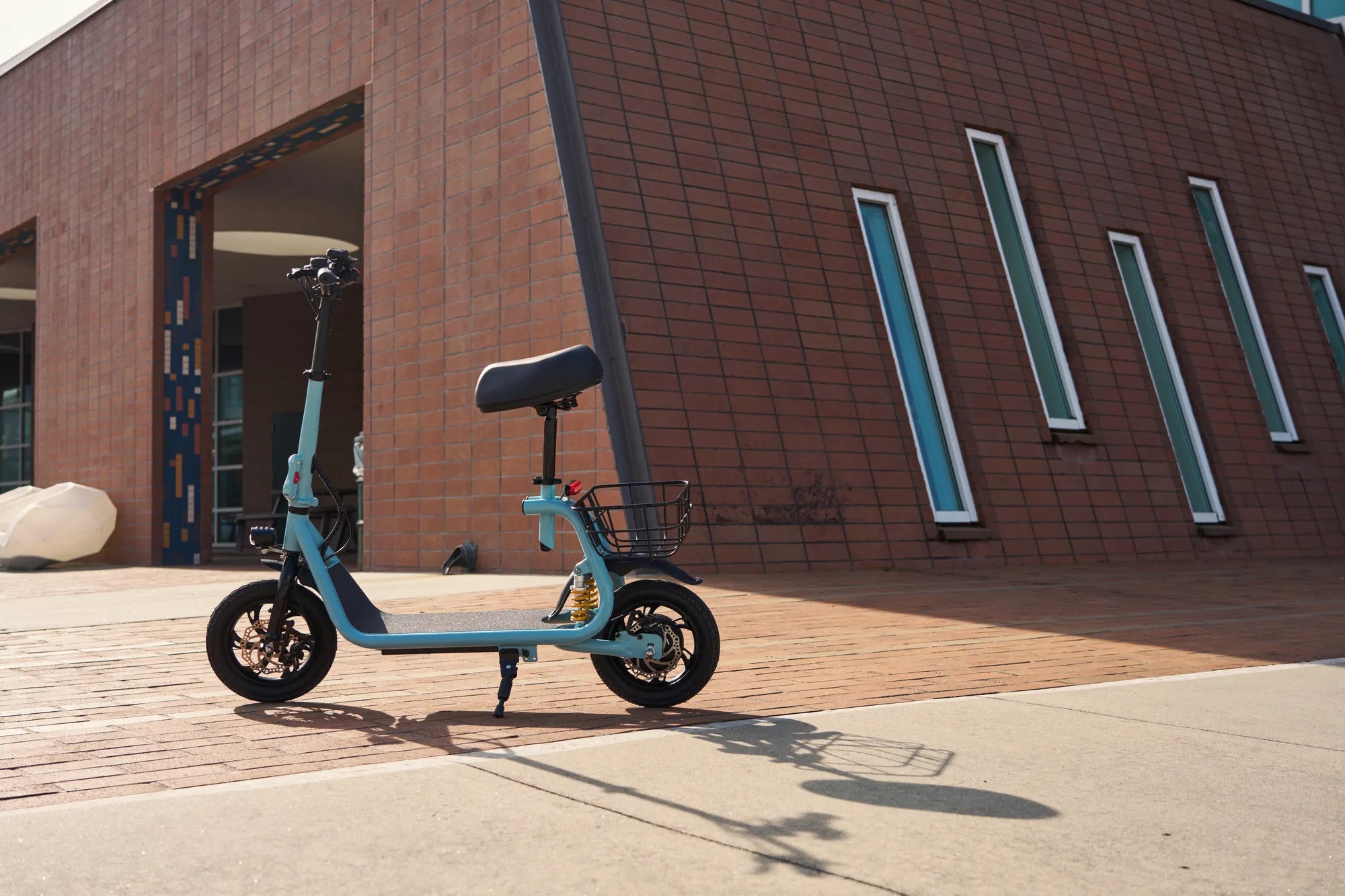
Remember the early 2000s when electric scooters with seats started popping up on city streets? These sleek, futuristic rides promised a new way to navigate urban jungles without breaking a sweat. For commuters tired of traffic jams and crowded public transport, the seated electric scooter was a revelation—blending the freedom of a bike with the ease of a motorized vehicle.
The Birth of a New Era in Urban Transport
The 2000s marked a turning point for personal electric vehicles. As cities grew more congested and environmental concerns took center stage, the electric scooter with seat emerged as a practical solution. Unlike standing scooters, these models offered a comfortable ride, making them ideal for longer commutes. Riders could glide through traffic while enjoying the comfort of a padded seat, a feature that set them apart from their stand-up counterparts.
Design and Features That Defined the 2000's Electric Scooter with Seat
Early models boasted compact frames, foldable designs, and lightweight materials like aluminum. The inclusion of a seat was a game-changer, allowing riders to cover longer distances without fatigue. Most scooters featured:
- Rechargeable lead-acid or lithium-ion batteries
- Speeds ranging from 15 to 25 mph
- Range of 10 to 30 miles per charge
- Basic suspension systems for smoother rides
- LED lights for nighttime visibility
Why the Seated Design Won Over Commuters
The addition of a seat transformed the electric scooter from a toy into a legitimate commuting option. Office workers could arrive at their destinations without wrinkled clothes or sore legs. The seated position also improved balance, making these scooters more accessible to a wider range of riders, including older adults and those with mobility concerns.
The Environmental Impact of Early Electric Scooters
At a time when climate change awareness was growing, the 2000's electric scooter with seat offered an eco-friendly alternative to gas-guzzling vehicles. With zero emissions and minimal energy consumption, these scooters became symbols of sustainable urban living. Their small footprint and quiet operation made them perfect for crowded city centers.
Challenges Faced by Early Models
Despite their advantages, 2000's electric scooters with seats weren't without flaws. Battery technology limited range and required frequent charging. Some cities lacked clear regulations, leading to confusion about where they could be ridden. The higher price point compared to traditional scooters also made them less accessible to some consumers.
The Legacy of 2000's Seated Electric Scooters
These pioneering vehicles paved the way for today's advanced personal electric transport. They proved that commuters would embrace alternatives to cars if the design was right. Many features we now take for granted in modern electric vehicles—like regenerative braking and smartphone connectivity—had their roots in these early seated scooters.
Looking back, the 2000's electric scooter with seat was more than just a trendy gadget—it was the first glimpse of a transportation revolution that's still unfolding today. Who knew that adding a simple seat could change how we move through our cities forever?
Schweitzer Mountain Biking: An Unforgettable Adventure on Two Wheels
Where to Go Mountain Biking: Top Destinations for Thrilling Trails