


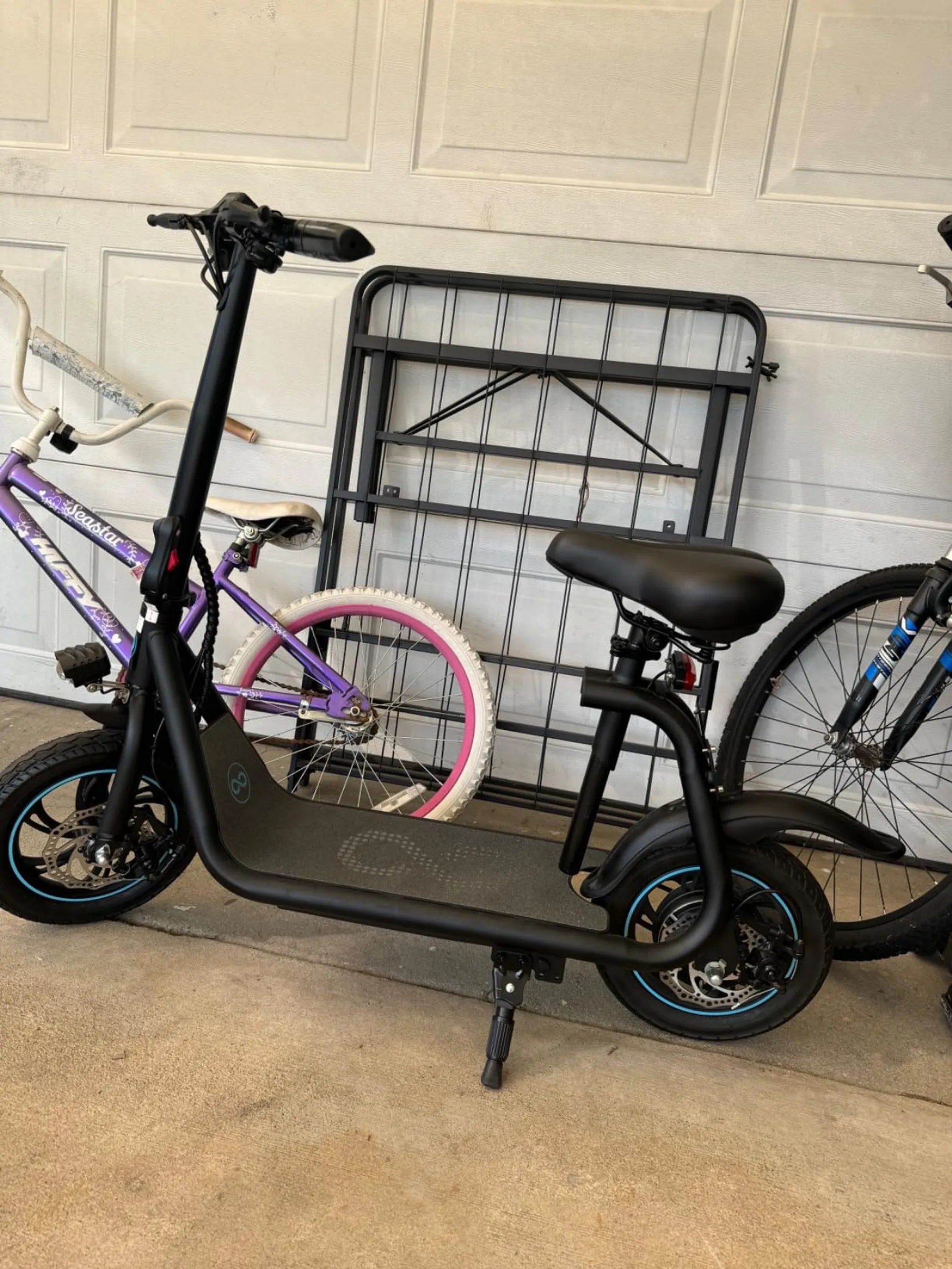
When it comes to mobility scooters, the choice between a 3-wheel and 4-wheel model can significantly impact your comfort, maneuverability, and overall experience. Whether you're navigating tight indoor spaces or cruising through outdoor terrain, understanding the differences between these two designs is crucial. Let's dive into the details to help you decide which option best suits your needs.
Maneuverability and Turning Radius
One of the most significant differences between 3-wheel and 4-wheel mobility scooters is their maneuverability. 3-wheel scooters are known for their tighter turning radius, making them ideal for navigating narrow hallways, crowded stores, or small apartments. Their single front wheel allows for sharper turns, providing greater agility in confined spaces.
On the other hand, 4-wheel scooters offer enhanced stability but sacrifice some maneuverability. The additional wheel increases the turning radius, which can make it slightly more challenging to navigate tight corners. However, this trade-off is often worth it for users who prioritize stability over agility.
Stability and Weight Distribution
Stability is a critical factor, especially for users who plan to ride on uneven surfaces or slopes. 4-wheel scooters excel in this area due to their wider base and balanced weight distribution. The extra wheel provides additional support, reducing the risk of tipping, particularly when traversing inclines or rough terrain.
3-wheel scooters, while more maneuverable, can be less stable on uneven ground. Their narrower design makes them more susceptible to tipping if not handled carefully. However, many modern 3-wheel models come with features like anti-tip wheels to mitigate this issue.
Portability and Storage
If portability is a priority, 3-wheel scooters often have the upper hand. Their lighter weight and compact design make them easier to transport and store. Many models are disassembled into smaller pieces, fitting comfortably into car trunks or small storage spaces.
4-wheel scooters tend to be bulkier and heavier, which can make transportation more challenging. However, some models are designed with foldable or removable components to improve portability. If you frequently travel or have limited storage space, a 3-wheel scooter might be the better choice.
Comfort and Seating
Comfort is another area where these two types of scooters differ. 4-wheel scooters often feature larger seats and more padding, making them suitable for longer rides. Their sturdy construction also provides a smoother ride over bumps and cracks.
3-wheel scooters may have smaller seats and less cushioning, but their lightweight design can make them more comfortable for short trips. Some users prefer the open-front design of 3-wheel models, which allows for easier mounting and dismounting.
Terrain and Outdoor Use
For outdoor enthusiasts, the choice between a 3-wheel and 4-wheel scooter depends on the terrain. 4-wheel scooters are better suited for rough or uneven surfaces, such as gravel paths, grass, or slight inclines. Their robust build and additional wheels provide better traction and stability.
3-wheel scooters are best for smooth, paved surfaces like sidewalks or indoor floors. While some models can handle light outdoor use, they may struggle on uneven terrain. If you plan to use your scooter primarily outdoors, a 4-wheel model is likely the safer option.
Battery Life and Speed
Both 3-wheel and 4-wheel scooters come with varying battery capacities and speed options. Generally, 4-wheel scooters have larger batteries due to their heavier frames, offering longer ranges per charge. However, this also means they may be slower compared to their 3-wheel counterparts.
3-wheel scooters are often lighter and can achieve higher speeds, but their smaller batteries may require more frequent charging. If you need a scooter for extended trips, a 4-wheel model with a long-range battery might be more practical.
Cost Considerations
Budget is another factor to consider. 3-wheel scooters are typically more affordable than 4-wheel models, making them a popular choice for first-time buyers or those on a tight budget. Their simpler design and fewer components contribute to the lower price point.
4-wheel scooters tend to be more expensive due to their added stability features and larger frames. However, the investment may be worthwhile for users who prioritize safety and durability.
Making the Right Choice
Ultimately, the decision between a 3-wheel and 4-wheel mobility scooter depends on your specific needs and lifestyle. Consider factors like where you'll use the scooter most often, your budget, and any physical limitations you may have. Test-driving both types can also provide valuable insight into which model feels more comfortable and intuitive for you.
Ready to take the next step? Whether you opt for the agility of a 3-wheel scooter or the stability of a 4-wheel model, the right choice will empower you to move with confidence and independence. Explore your options today and find the perfect scooter to match your lifestyle!
X Class Ebike: The Ultimate Guide to High-Performance Electric Biking
Semi Automatic Dirt Bike for Adults: The Ultimate Off-Road Adventure Machine