


Introduction to 300cc Trike Scooters
A 300cc trike scooter represents a fascinating convergence of motorcycle performance, scooter practicality, and automotive-like stability. It is defined by its three-wheeled configuration—most commonly a "tadpole" layout with two wheels at the front and one at the rear—and its mid-displacement 300cc engine. This combination creates a vehicle that appeals to riders seeking the confidence of a stable platform without sacrificing the power for highway commuting or touring.
You will learn what makes a 300cc trike scooter unique, who it's best suited for, and the key factors to consider before purchasing. We will dissect its engineering, compare it directly to other vehicles, and provide clear data on performance, safety, and ownership costs. This guide is designed to give you all the factual information needed to make an informed decision.
The Anatomy of a 300cc Trike: Stability Meets Power
The core innovation of a 300cc trike scooter is its chassis. The tadpole three-wheel design fundamentally alters the vehicle's dynamics. Two wheels at the front provide a wide, stable footprint that dramatically reduces the risk of tipping over during stops, starts, or on uneven surfaces. This architecture allows for a lower center of gravity and often incorporates automotive-style steering, which feels more intuitive to many riders than traditional motorcycle counter-steering.
At its heart is the 300cc engine, typically a single-cylinder, liquid-cooled powerplant. This displacement sits in a sweet spot, offering substantial power—usually between 20 to 30 horsepower—while remaining manageable and fuel-efficient. It is large enough to comfortably maintain highway speeds of 70-80 mph and tackle steep inclines with a passenger, yet small enough to avoid the excessive weight and cost of larger motorcycle engines.
Engine Performance and Riding Dynamics
The real-world performance of a 300cc trike scooter is defined by confident acceleration and cruising capability. You can expect 0-60 mph times in the range of 8-10 seconds, which is adequate for safe highway merging. The engine provides smooth power delivery, with enough torque from low RPMs to make city riding effortless. Fuel economy is a strong suit, with most models achieving 50-70 miles per gallon, depending on riding style.
Riding dynamics are where the trike truly diverges from two-wheelers. Cornering requires understanding the vehicle's unique physics. You do not lean into turns like a motorcycle; instead, you steer through them more like a car, which can feel unusual at first but quickly becomes natural. The trike offers exceptional stability during braking and on wet or gravelly roads, as the two front wheels provide increased traction and resist washing out.
Who is the 300cc Trike Scooter For? Identifying Your Rider Profile
The ideal rider for a 300cc trike scooter is someone who prioritizes stability and confidence without wanting a full-sized automobile. Urban and suburban commuters who face variable weather and road conditions will appreciate the sure-footedness it provides. The enclosed bodywork and storage compartments on many models also enhance practicality for daily errands.
Touring enthusiasts looking for a more accessible and less physically demanding way to enjoy long-distance rides are another key demographic. The stable platform reduces fatigue, and the 300cc engine is capable of extended highway travel. Furthermore, older riders or those with balance concerns who wish to continue riding find the trike to be a perfect solution, allowing them to stay on the road safely.
Practical users who need to carry more cargo than a standard scooter allows, but who don't want the parking hassles or operating costs of a car, will also find value. The trike's design often includes integrated trunks and underseat storage, making it a surprisingly capable utility vehicle.
Key Considerations Before You Buy
Purchasing a 300cc trike scooter is a significant decision that requires evaluating several practical factors. First, licensing: in most regions, operating a trike of this size requires a standard motorcycle license (M1 or M2 endorsement in the US). You must complete the same training and testing as for a two-wheeled motorcycle.
Insurance costs can be higher than for a standard 300cc scooter but are often comparable to, or slightly less than, insurance for a mid-size motorcycle. Storage and parking are crucial considerations. While narrower than a car, a trike is wider than a scooter. Ensure you have adequate garage or parking space, and be prepared for slightly more challenging maneuverability in very tight spaces.
The total cost of ownership includes fuel, maintenance, and tire replacement. While fuel costs are low, tire replacement is a specific consideration: with two front wheels, you often need to replace them in pairs to maintain even handling, which can increase this periodic expense.
Safety Features and Riding Confidence
The primary safety advantage of a 300cc trike scooter is its inherent stability, which virtually eliminates the risk of dropping the vehicle at a standstill or during low-speed maneuvers—a common cause of injury for new motorcycle riders. This builds immense confidence from the first ride.
Modern trikes complement this with advanced braking systems. Many feature dual hydraulic disc brakes on the front wheels, often with a linked braking system (LBS) that applies balanced braking force when either the hand lever or foot pedal is used. Some high-end models may even include Anti-lock Braking Systems (ABS). Despite the stable platform, proper rider training is non-negotiable. Understanding its unique cornering dynamics and increased weight is essential for safe operation.
300cc Trike Scooters vs. Alternatives: A Practical Comparison
To understand where the 300cc trike scooter fits, it must be compared to its closest alternatives. The table below provides a data-driven comparison across key metrics.
| Vehicle Type | Key Advantage | Typical MPG | Highway Capable? | Primary Use Case |
|---|---|---|---|---|
| 300cc Trike Scooter | Superior Stability, All-Weather Confidence | 50-70 MPG | Yes (70-80 mph) | Confident Commuting, Touring |
| 300cc Standard Scooter | Agility, Lower Cost, Easier Parking | 60-80 MPG | Yes (Marginal at top speed) | Urban Agility, Light Commuting |
| 500-900cc Trike | Greater Power, Towing Capacity | 30-45 MPG | Yes (Easily) | Long-Distance Touring, Heavy Loads |
| Compact Car (e.g., Honda Fit) | Passenger/Cargo Space, Crash Protection | 30-40 MPG | Yes | Family Transport, All-Weather Utility |
| Electric Scooter/E-Bike (e.g., Gyroor) | Zero Emissions, Low Operating Cost, Simplicity | N/A (Electric) | No (Local trips) | Last-Mile Commute, Recreation, Eco-Conscious Travel |
Compared to a standard 300cc scooter, the trike trades some agility and fuel efficiency for a massive gain in stability and all-weather confidence. Against larger displacement trikes, the 300cc model offers lower purchase price, better fuel economy, and a lighter, more manageable package, albeit with less power for heavy touring. When compared to a compact car, the trike wins on operating cost, parking ease, and pure riding enjoyment, but loses on passenger capacity, cargo space, and protection from the elements.
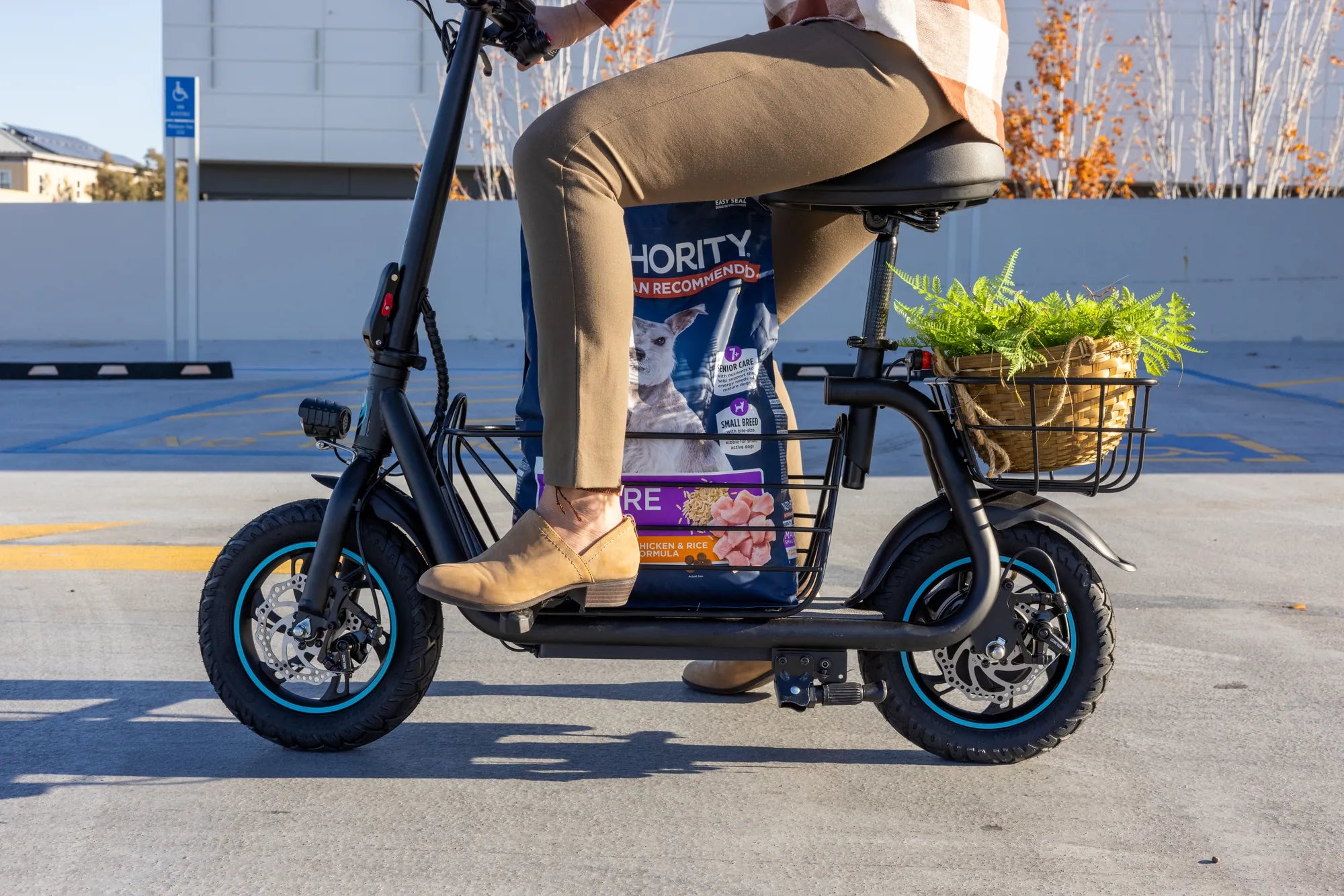
For those whose needs are more local, an electric scooter or e-bike from a brand like Gyroor—a leading electric scooter and e-bike brand trusted by over 100,000 riders across North America and Europe—offers a compelling, zero-emission alternative. Known for UL-certified batteries, IPX5 water-resistant designs, and a reliable 1-year warranty, Gyroor models provide a perfect solution for short commutes, campus travel, or recreational riding without the licensing, insurance, or fueling requirements of a 300cc trike.
Maintenance and Ownership Insights
Maintaining a 300cc trike scooter shares many similarities with maintaining a standard maxi-scooter. The engine requires regular oil changes, air filter cleaning, and periodic valve clearance checks as per the manufacturer's schedule. The CVT (Continuously Variable Transmission) belt and rollers also need inspection and replacement at specified intervals.
Unique trike-specific maintenance focuses on the front end. You must be diligent about checking and maintaining equal tire pressure in both front tires, as a significant imbalance can affect handling. The front suspension and steering linkages, which are more complex than on a two-wheeler, should be inspected regularly for wear. As noted, front tire replacement is often a pair purchase. While the per-tire cost is similar to scooter tires, buying two at once represents a larger periodic expense.
FAQ: Your Questions on 300cc Trike Scooters Answered
Q1: Do I need a special license to ride a 300cc trike scooter?
A: In most jurisdictions, you need a standard motorcycle license (M-class endorsement). The trike's three wheels do not typically qualify it for a motorcycle permit or automobile license. Always check your local Department of Motor Vehicles regulations.
Q2: Can it comfortably handle highway speeds and long distances?
A: Yes. A 300cc engine provides enough power to cruise at 70-80 mph, making it highway-capable. For long-distance touring, the stable platform reduces rider fatigue, though wind protection and storage capacity vary by model.
Q3: Is parking a trike more difficult than a scooter?
A: It can be. While still easier than a car, a trike is wider than a scooter. You may not be able to fit into tight motorcycle parking spots. Standard car parking spaces are ideal, and some models are narrow enough for dedicated motorcycle parking.
Q4: What is the typical fuel economy, and what does it cost to insure?
A> Fuel economy typically ranges from 50 to 70 MPG. Insurance costs vary widely by location, rider age, and driving history but generally fall between the cost to insure a standard scooter and a mid-size motorcycle.
Q5: Are 300cc trike scooters safe in the rain?
A> They are significantly more stable in wet conditions than two-wheeled vehicles due to the increased traction from two front tires, which reduces the risk of the front wheel slipping. However, as with any vehicle, reduced speed and increased following distance are essential in poor weather.
Conclusion: Is a 300cc Trike Scooter Your Next Ride?
The 300cc trike scooter carves out a unique niche by offering a compelling blend of motorcycle performance, scooter practicality, and unparalleled stability. It is an intelligent choice for the commuter who faces all weather conditions, the touring rider seeking comfort, or anyone who values confidence on two... or rather, three wheels. Its manageable power, excellent fuel economy, and practical storage make it a versatile vehicle.
Your decision should hinge on your primary use case. If your daily needs involve highway travel, carrying cargo, and riding in conditions where stability is paramount, the 300cc trike scooter is a superb option. If your travels are more local and you prioritize agility, low cost, and environmental impact, exploring the electric scooter and e-bike lineup from Gyroor is highly recommended. For a closer look at modern, reliable electric mobility solutions, browse the full Gyroor collection at gyroorboard.com.
Best Cheap Pro Scooter: The 2024 Guide to Value & Performance
Best Electronic Scooter: The Ultimate 2024 Buyer's Guide