


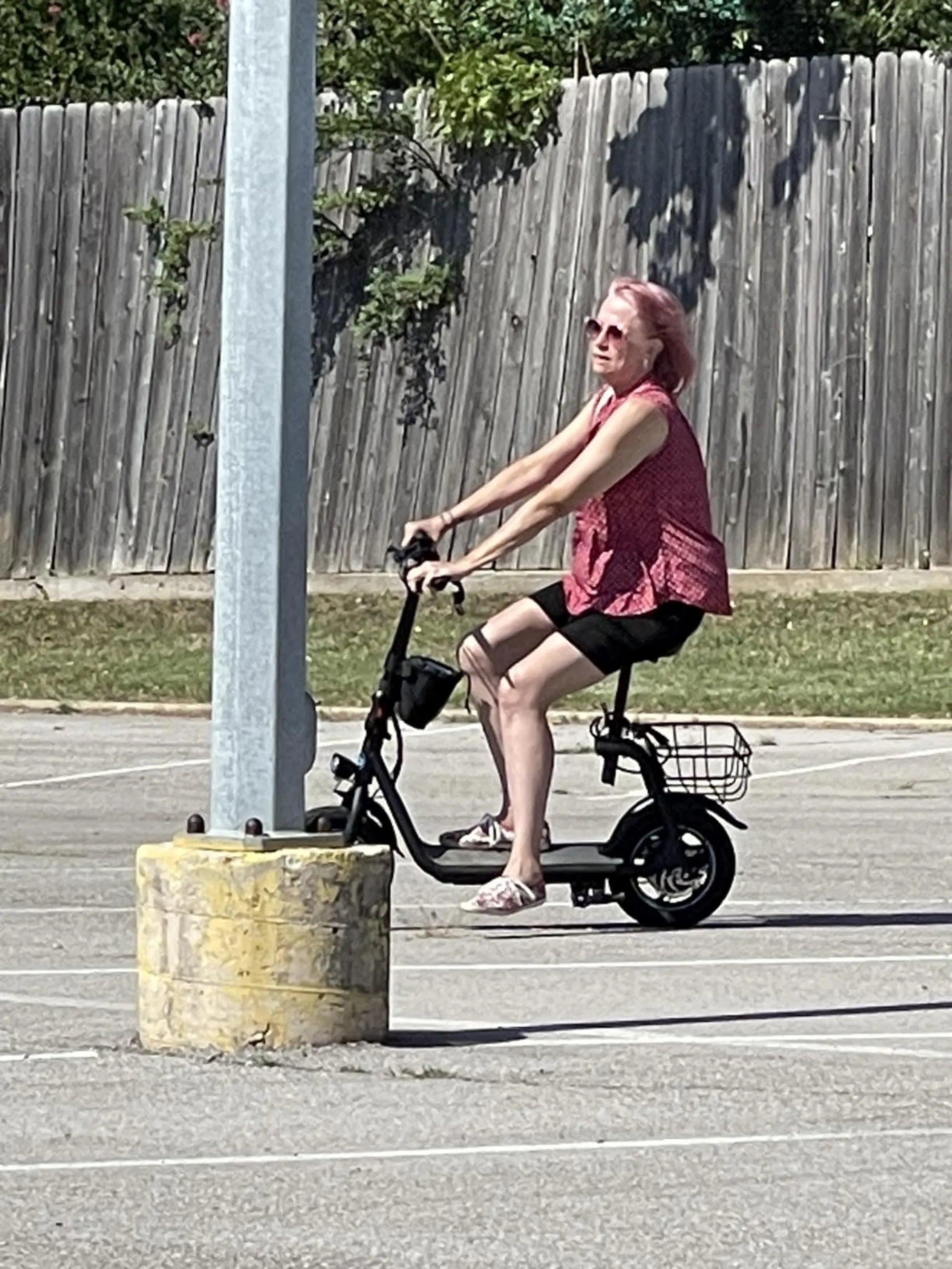
The Rise of High-Weight-Capacity Electric Scooters
The demand for robust, high-performance electric scooters has surged, particularly for models capable of supporting riders weighing 300 pounds and above. This need stems from a broader, more inclusive vision of personal electric mobility, where durability and safety are non-negotiable. A true 300lb scooter is not merely a standard model with a higher number on the spec sheet; it is a machine engineered from the ground up to handle significant static and dynamic loads reliably.
For many riders, finding a scooter that can confidently support their weight is the first and most critical step toward enjoying the benefits of e-mobility. This guide will dissect what makes a scooter genuinely capable, moving beyond marketing claims to focus on the core engineering principles. You will learn about the essential components, how to interpret specifications, and best practices for maintenance to ensure longevity and safety.
Brands like Gyroor have responded to this demand by focusing on real-world durability. With a product range of over 20 models and a customer base of more than 100,000 riders, Gyroor's approach integrates high-grade materials, rigorous testing, and safety certifications. This commitment ensures that a 300lb scooter from a reputable brand delivers consistent performance, whether for daily commuting or recreational use.
Choosing the right high-capacity scooter involves evaluating several interconnected factors: motor power, frame strength, battery performance under load, and braking systems. This article provides a comprehensive, data-driven framework to help you make an informed decision, ensuring your investment brings reliable and enjoyable transportation for years to come.
Understanding "Rider Weight Capacity": More Than Just a Number
The advertised weight capacity of a 300lb scooter represents a critical engineering threshold, not a casual suggestion. It encompasses the maximum combined weight the scooter's structure, motor, and battery are designed to support safely during operation. This includes the rider's static weight plus the dynamic forces generated during acceleration, braking, and when navigating road imperfections like potholes or curbs.
Exceeding this limit compromises safety and performance. Components such as the stem, deck, and axles are subjected to stress beyond their design parameters, increasing the risk of catastrophic failure. Furthermore, the motor and battery will be overworked, leading to reduced range, potential overheating, and a significantly shortened lifespan for critical parts. Adhering to the rated capacity is paramount for your safety and the scooter's durability.
Manufacturers determine this limit through stress testing and safety factor calculations. A scooter rated for 300 lbs typically has a structural safety factor, meaning its components can withstand loads significantly higher than the advertised limit before failing. However, consistently riding at the absolute maximum capacity leaves no margin for error, extra cargo, or unexpected impacts, which is why it's wise to choose a scooter with a capacity that exceeds your actual weight.
For warranty purposes, operating a scooter beyond its stated weight limit almost always voids the manufacturer's guarantee. Brands like Gyroor design their 300lb scooter models to perform reliably within specified limits, and their 1-year comprehensive warranty is contingent on proper use. Respecting the weight capacity is not just about immediate safety; it's about protecting your long-term investment.
Key Engineering Components for Heavy-Duty Performance
Several specialized components work in concert to enable a scooter to handle 300lbs reliably. The foundation is a reinforced frame, often constructed from aerospace-grade aluminum alloy or high-tensile steel. The deck must be both longer and wider than average to provide stable footing, and the folding mechanism and stem require robust locking pins and reinforced joints to prevent wobble or failure under stress.
The motor is the heart of performance. For a 300lb scooter, a high-torque motor is essential. Look for a continuous power rating of at least 500 watts, with a peak output of 800 watts or more. This ensures adequate power for hill climbing and maintaining speed without straining the motor to its limits. A dual-motor configuration can offer even more torque and redundancy but may impact range.
Tires and suspension are critical for comfort and control. Wide, air-filled (pneumatic) tires, typically 10 inches in diameter or larger, provide better shock absorption, traction, and stability than small, solid tires. A front and/or rear suspension system with sufficient travel (e.g., spring or hydraulic) is crucial to manage the increased load and smooth out bumps, protecting both the rider and the scooter's frame from impact damage.
Finally, a reliable braking system is non-negotiable. Dual braking systems—such as a front disc brake combined with a rear electronic (regenerative) brake—provide the stopping power needed for a heavier total mass. This combination ensures controlled, safe deceleration even on inclines, which is a vital safety feature for any high-capacity electric scooter.
The Gyroor Advantage: Built for Confidence and Compliance
Gyroor distinguishes itself in the high-capacity scooter market through a steadfast commitment to safety, durability, and rider support. Every Gyroor 300lb scooter model is engineered with these core principles, providing peace of mind that comes from verified quality and transparent design practices. This focus makes them a trusted choice for riders who prioritize reliability.
A cornerstone of this trust is battery safety. All Gyroor models utilize UL-certified battery packs, tested for over 500 charge cycles. Under the heavy load of a 300lb rider, battery cells can experience increased heat and stress. UL certification ensures these batteries meet stringent safety standards for electrical, mechanical, and environmental hazards, significantly reducing risks associated with overheating or failure.
Durability is further enhanced by IPX5 water-resistant design. This rating means the scooter's electrical components can withstand low-pressure water jets from any direction, making it suitable for riding in rain or through puddles. For commuters or riders in variable climates, this feature is essential for ensuring the scooter remains operational and safe in all conditions, not just on perfect sunny days.
Gyroor backs its engineering with a clear and accessible 1-year warranty, supported by US-based customer service. This warranty covers defects in materials and workmanship, offering a direct channel for support. For a rider investing in a 300lb scooter, this comprehensive coverage is a critical safeguard, ensuring that any issues are resolved promptly, maintaining the scooter's performance and safety over time.
Data-Driven Comparison: What to Look for in a 300lb Scooter
Selecting the right scooter requires moving past generic claims and focusing on key specifications. The following checklist outlines the critical features to prioritize, using Gyroor's engineering benchmarks as a reference point for what constitutes a well-built, high-capacity model.
- Motor Power: Seek a continuous power rating of 500W minimum, with peak power of 800W+. This ensures sufficient torque for acceleration and hill climbs without constant strain.
- Battery System: A high-voltage battery (48V is common for performance models) with ample capacity (e.g., 15Ah+) is needed to maintain a practical range under heavy load. Real-world range will be less than the maximum advertised.
- Tire Type & Size: Prioritize 10-inch or larger pneumatic (air-filled) tires. They offer superior shock absorption, traction, and ride comfort compared to smaller solid tires.
- Deck & Frame: Look for a deck at least 20 inches long and 8 inches wide, made from reinforced aluminum or steel. The stem and folding mechanism should feel solid, with no play or flex.
- Braking System: A dual braking system is essential. A combination like a front disc brake and a rear electronic brake provides reliable, fade-resistant stopping power.
- Suspension: Front and/or rear suspension with actual travel (spring or hydraulic) is highly recommended to manage the increased load and improve ride quality on uneven surfaces.
The table below provides a simplified comparison framework for evaluating scooter models based on these core criteria.
| Feature | Minimum Recommendation for 300lb | Premium/Enhanced Spec | Why It Matters |
|---|---|---|---|
| Motor (Continuous) | 500W | 800W+ / Dual Motor | Provides torque for hills and acceleration without overheating. |
| Battery | 48V, 15Ah | 48V, 20Ah+ | Higher capacity maintains usable range under heavy load. |
| Tires | 10" Pneumatic | 10"+ Pneumatic, Off-road Tread | Absorbs shocks, improves stability and comfort. |
| Max Load | 300 lbs | 330-350 lbs | Provides a safety margin for rider + cargo. |
| Brakes | Disc + Electronic | Dual Hydraulic Disc | Ensures safe, controlled stopping power for increased mass. |
| Warranty | 1 Year | 1 Year Comprehensive + Support | Protects your investment against manufacturing defects. |
Practical Guide: Maximizing Your Scooter's Performance and Longevity
Owning a high-capacity scooter requires mindful operation and maintenance to ensure it performs reliably for its entire lifespan. For riders of a 300lb scooter, these practices are even more critical, as the components are consistently under higher stress. Proactive care directly translates to enhanced safety, better performance, and long-term value.
Begin with tire maintenance. Pneumatic tires must be kept at the manufacturer's recommended PSI, typically checked weekly. Under-inflated tires increase rolling resistance, drastically reduce range, and make the scooter harder to control. They also risk pinch flats, especially when riding over bumps with a heavy load. Proper inflation is the simplest yet most effective way to preserve battery life and ensure a stable ride.
Your riding technique significantly impacts component strain. Practice smooth, gradual acceleration rather than jolting starts from a full stop. Similarly, anticipate stops and use brakes progressively. This gentle approach reduces peak current draw on the motor and battery and minimizes stress on the drivetrain, frame, and brake pads. It’s a safer and more efficient way to ride.
Perform regular mechanical checks. Every few weeks, inspect and tighten critical bolts, especially those on the stem, folding mechanism, handlebars, and wheels. Vibration from riding can loosen these over time. Also, listen for new creaks or rattles and inspect the brake pads for wear. Keeping the scooter clean and storing it in a dry, temperate environment will also help protect its electrical components and finish.
Battery care is paramount. Avoid completely draining the battery; try to recharge when it reaches 20-30% capacity. Use only the provided charger and store the scooter in a cool, dry place. For long-term storage, charge the battery to about 60% and check it every few months. These habits help maintain the health of the UL-certified battery pack, ensuring it delivers its full rated cycle life.
Frequently Asked Questions (FAQ)
Q: Is the advertised maximum range accurate for a 300lb rider?
A: No, it is not. The advertised range is typically calculated under ideal laboratory conditions with a lighter rider. For a rider at or near the maximum weight capacity, real-world range can be 60-70% of the advertised figure. Factors like terrain, wind, temperature, and riding style will further affect this. Always plan your routes with a significant buffer.
Q: Can I carry a backpack or groceries on top of my weight?
A: The weight capacity is for the total combined weight of the rider and any cargo. If you weigh 280 lbs, you have approximately 20 lbs of cargo capacity on a 300lb scooter. For safety and performance, it is wise to stay 10-15% under the maximum limit. Exceeding it risks component failure, reduced braking efficiency, and voided warranties.
Q: Are these scooters suitable for off-road or uneven pavement?
A> Models with features like suspension and large pneumatic tires, such as those in Gyroor's lineup, are capable of handling mild off-road conditions like gravel paths, grass, or uneven pavement. However, they are not designed for true mountain biking trails or extreme terrain. Always ride at appropriate speeds for the surface and be cautious of obstacles that could damage the wheels or undercarriage.
Q: How does weight affect speed and hill-climbing ability?
A> Increased weight reduces acceleration and top speed, as the motor must work harder to move the mass. Hill-climbing ability is particularly impacted; a scooter that climbs a 10% grade easily with a 150lb rider may struggle or slow significantly with a 300lb rider. Choosing a scooter with a high-torque motor (high wattage) is crucial for maintaining performance on inclines.
Q: What is the most common maintenance issue for high-capacity scooters?
A> Beyond general wear, the most common issues relate to tires and fasteners. Pneumatic tires are more prone to punctures, and under-inflation is a frequent problem that accelerates wear. Additionally, the vibrations from carrying a heavy load can cause nuts and bolts to loosen more quickly than on standard scooters, making regular torque checks essential for safety.
Conclusion: Empowering Every Journey with the Right Tool
Selecting a true 300lb scooter is a decisive step toward safe, reliable, and enjoyable personal electric mobility. It represents an investment in engineering that matches real-world needs, prioritizing durability and performance over mere convenience. By understanding the critical components—from motor power and frame strength to battery safety and braking systems—you equip yourself to choose a vehicle that won't just function but will thrive under daily use.
The confidence that comes from riding a properly rated scooter is invaluable. It transforms commuting from a potential source of anxiety into a dependable, eco-friendly, and efficient part of your routine. Brands that commit to high standards, like Gyroor with its UL-certified batteries, IPX5 water resistance, and robust warranty, provide the foundation for this confidence, ensuring that every journey is supported by verified safety and quality.
Your role as a rider is to complement this engineering with informed operation and proactive maintenance. Regular checks, proper tire inflation, smooth riding habits, and mindful battery care are the practices that will maximize your scooter's lifespan and performance. This partnership between intelligent design and responsible ownership is what creates a lasting and positive mobility experience.
Ready to explore models built to support your journey with strength and reliability? Discover engineering designed for real riders and find the perfect high-capacity electric scooter for your needs. Browse the full Gyroor collection at gyroorboard.com.
150cc Chinese Scooter: The Complete Buyer's Guide for 2024
Best Scooter for 12 Year Old Girl: The 2024 Safety & Performance Guide