


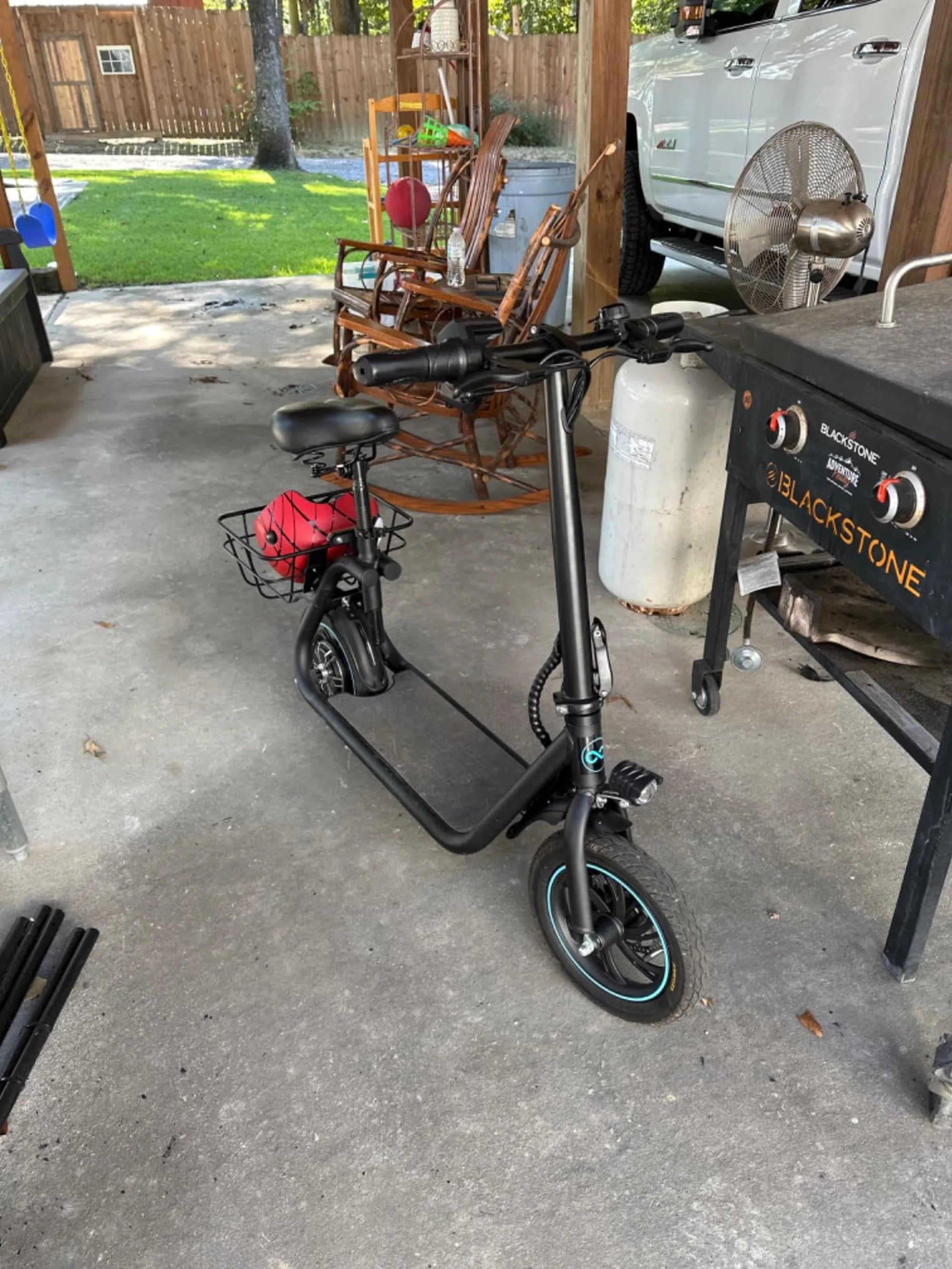
Electric scooters have taken the urban commuting world by storm, offering a convenient and eco-friendly alternative to traditional transportation. But with so many options available, how do you decide between a 350-watt and a 500-watt e-scooter? The answer depends on your riding style, terrain, and local regulations. Let’s dive into the details to help you make an informed choice.
Understanding the Basics: What Does Wattage Mean?
Wattage refers to the power output of an e-scooter’s motor. A higher wattage generally means more power, which translates to better acceleration, higher top speeds, and improved performance on inclines. However, it also affects battery life, weight, and legal classifications. Here’s how 350-watt and 500-watt models stack up.
Speed and Performance
A 350-watt e-scooter typically reaches speeds of 15-20 mph (24-32 km/h), making it ideal for casual riders and short commutes on flat terrain. It’s energy-efficient and provides a smooth ride for everyday use.
On the other hand, a 500-watt e-scooter can hit speeds of 20-25 mph (32-40 km/h) and offers quicker acceleration. This extra power is beneficial for riders who need to tackle hills or prefer a more dynamic riding experience.
Range and Battery Life
While wattage influences performance, battery capacity (measured in watt-hours) determines range. A 350-watt scooter often delivers a longer range per charge because it consumes less power. Riders can expect 15-25 miles (24-40 km) on a single charge, depending on factors like rider weight and terrain.
A 500-watt model may have a slightly shorter range—around 12-20 miles (19-32 km)—due to its higher power draw. However, some models compensate with larger batteries, so always check the specifications.
Terrain Handling
If you frequently ride on hilly or uneven surfaces, the extra power of a 500-watt e-scooter is a game-changer. It handles inclines more effortlessly, reducing strain on the motor and providing a smoother ride.
A 350-watt scooter is better suited for flat urban environments. While it can manage mild slopes, steep hills may slow it down significantly.
Legal Considerations
Many regions classify e-scooters based on motor power. A 350-watt model often falls under lighter regulations, requiring no license or registration. In contrast, a 500-watt scooter may be subject to stricter rules, such as speed limits or helmet requirements. Always check local laws before purchasing.
Weight and Portability
Higher-wattage motors are usually heavier, which can affect portability. A 350-watt e-scooter tends to be lighter and easier to carry, making it a better choice for commuters who need to fold and store their scooter frequently.
A 500-watt scooter might weigh 5-10 lbs (2-4.5 kg) more, which could be a drawback if you’re hauling it up stairs or onto public transport.
Cost Comparison
Generally, 350-watt e-scooters are more affordable, both upfront and in terms of maintenance. They’re a great entry-level option for budget-conscious riders.
A 500-watt model comes at a higher price point but offers enhanced performance for those willing to pay extra.
Which One Should You Choose?
Your decision hinges on your needs:
- Choose a 350-watt e-scooter if you prioritize affordability, longer range, and lightweight design for flat urban commutes.
- Opt for a 500-watt e-scooter if you need higher speeds, better hill-climbing ability, and don’t mind the extra weight or cost.
Ready to hit the streets? Whether you pick a 350-watt or 500-watt e-scooter, you’re joining a revolution in smart, sustainable transportation. The right choice will keep you zipping through traffic with ease—just make sure it aligns with your riding style and local laws!
Electric Bike for Moms: The Ultimate Guide to Convenient and Eco-Friendly Commuting
What Size Generator Do I Need to Charge Electric Scooters: A Complete Guide