


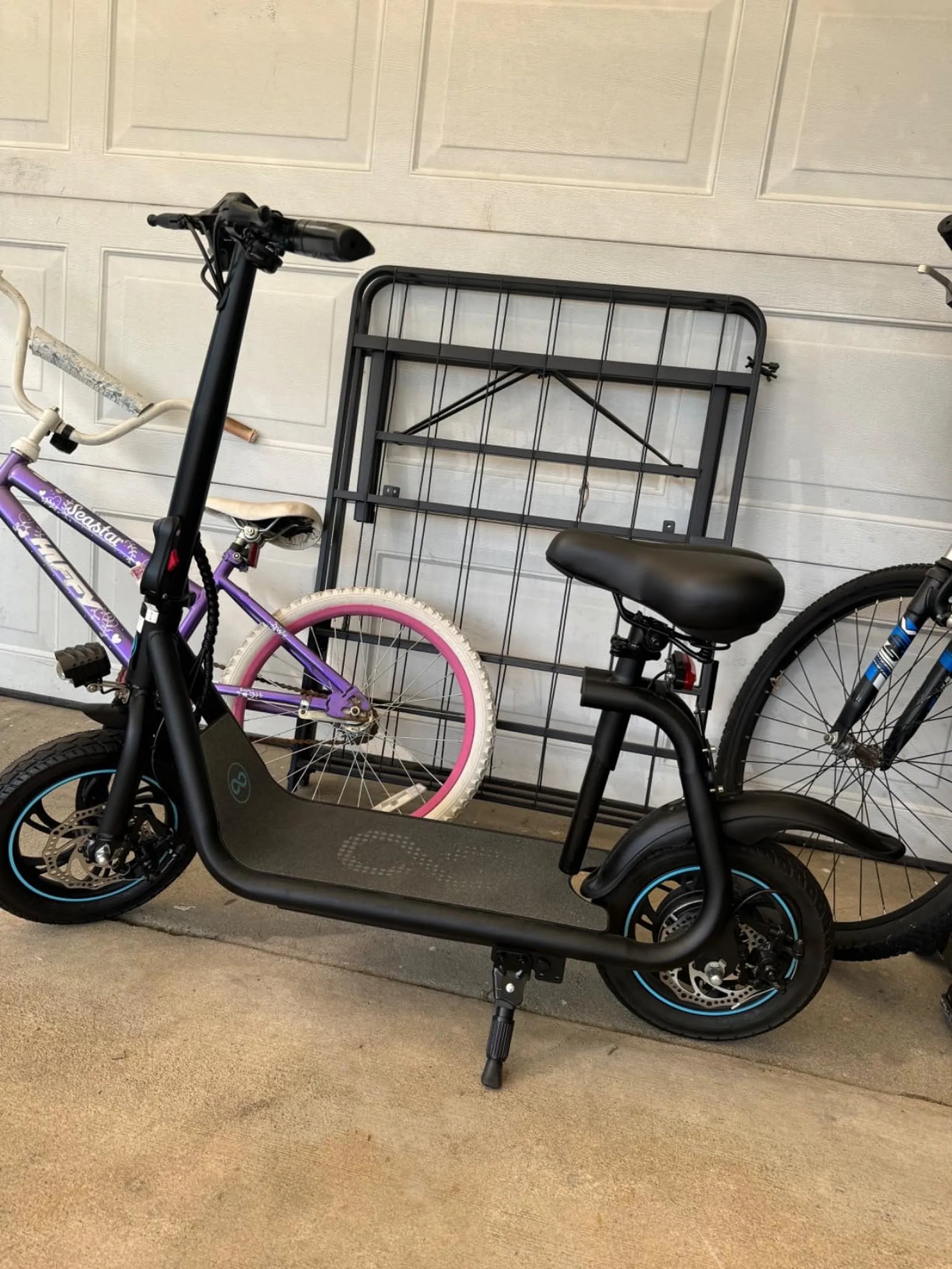
Introduction: Understanding Motor Power in Electric Scooters
Selecting an electric scooter often starts with one critical specification: motor wattage. The choice between a 350w vs 500w scooter represents a fundamental decision between efficient commuting and more powerful, versatile performance. This isn't just about a number on a spec sheet; it's about how the scooter will feel on your daily route, handle a hill, or carry your gear.
For new and experienced riders alike, understanding this power differential is key to avoiding underperformance or overspending. A 350W motor offers a balanced, energy-efficient ride ideal for many, while a 500W motor provides a noticeable boost for challenging conditions. As a leading electric scooter and e-bike brand trusted by over 100,000 riders, Gyroor engineers both classes to deliver reliability where it counts—battery safety, water resistance, and durable construction—so your power choice is purely about matching performance to your lifestyle.
The Core Difference: What 350W and 500W Motors Actually Mean
Motor wattage (W) is a measure of power output. In practical terms, it directly influences torque—the rotational force that gets you moving—and determines the scooter's ability to maintain speed under load. A higher wattage motor doesn't just mean a potentially higher top speed; it fundamentally improves acceleration and hill-climbing capability.
Think of it as the difference between a compact car's engine and a small SUV's. Both will get you around town, but one has more power in reserve for merging onto a highway or climbing a steep driveway. This reserve power is the core of the 350w vs 500w scooter debate. The extra 150 watts in a 500W motor translates to more immediate power delivery from a stop and sustained performance on inclines where a 350W motor might strain.
Performance Profile: The 350W Electric Scooter
The 350W electric scooter is the quintessential urban commuter engine. It's designed for efficiency and practicality on paved, relatively flat terrain. You can expect a moderate top speed, typically in the 15-19 mph (24-30 km/h) range, which aligns perfectly with city bike lane speeds and many local regulations.
Acceleration is adequate for navigating stop-and-go traffic from traffic lights, providing a zippy feel without being intimidating for beginners. Its primary advantage is energy efficiency. The 350W motor draws less power from the battery per mile, which often results in a longer maximum range per charge compared to a similarly battery-equipped 500W model used under similar conditions. For a lightweight rider (under 180 lbs) with a flat, smooth commute, a Gyroor scooter with a 350W motor represents a cost-effective and highly capable choice.
Performance Profile: The 500W Electric Scooter
Stepping up to a 500W electric scooter introduces a tangible upgrade in performance. This motor class delivers stronger, more confident acceleration and a higher typical top speed, ranging from 19-25 mph (30-40 km/h). The experience shifts from purely utilitarian to more engaging and sporty.
The most significant real-world benefit is improved hill-climbing ability. A 500W motor maintains speed and power on gradients where a 350W motor would slow down considerably. It also handles variable terrain better, such as slightly rough pavement, grass, or gravel paths. Furthermore, it manages heavier payloads with more ease. For riders over 180 lbs, those who carry a backpack with a laptop, or commuters in cities with bridges and overpasses, the 500W scooter provides the necessary headroom for consistent, reliable performance. It's the clear choice for those seeking versatility and more dynamic ride quality.
Head-to-Head Comparison: Key Factors for Your Decision
Choosing between a 350w vs 500w scooter requires weighing several personal factors. The following comparison table summarizes the key differences, but the subsequent sections delve into the nuances that will guide your choice.
| Feature | 350W Scooter | 500W Scooter |
|---|---|---|
| Top Speed | 15-19 mph (24-30 km/h) | 19-25 mph (30-40 km/h) |
| Acceleration | Moderate, steady | Strong, brisk |
| Hill Climb (6-8% grade) | Slows noticeably, best for short, mild hills | Manages well, maintains better speed |
| Ideal Rider Weight | Up to 180-200 lbs | Up to 220-250 lbs |
| Range Efficiency | Higher (miles per watt-hour) | Slightly Lower (if using full power often) |
| Typical Use Case | Flat urban commutes, light riders, budget focus | Hilly areas, heavier riders, sportier feel, versatility |
| Regulatory Fit | Fits most power/speed regulations | May exceed some local power limits |
Terrain and Commute Type: City Flats vs. Hills & Rough Paths
Your daily route is the ultimate test for motor wattage. A 350W scooter excels on predictable, paved city streets. It's the perfect machine for grid-based commutes, campus travel, and leisurely rides on flat bike paths. The efficient power use makes it a champion for maximizing range in these conditions.
Conversely, a 500W scooter is built for adversity. If your commute includes any sustained incline, such as a bridge approach or a neighborhood hill, the extra power prevents frustrating slowdowns. It also provides more stability and control on slightly uneven surfaces like brick roads or packed gravel trails, as the motor can more easily compensate for the increased rolling resistance. Choosing a 500W model future-proofs your ride for varied routes.
Rider Weight and Payload Considerations
Motor wattage must work against the total weight it needs to move: the rider, the scooter itself, and any cargo. A 350W motor is optimally matched with a combined payload of up to 220-240 lbs. For a rider weighing 160 lbs with a light backpack, performance will be snappy and range will be excellent.
Exceed this weight, and performance degrades—acceleration slows, top speed drops, and hills become a challenge. A 500W motor, with its higher torque output, comfortably handles weights up to 260-280 lbs. This makes it ideal for heavier riders or anyone who regularly carries a significant load, like a work bag, groceries, or delivery items. With a Gyroor 500W model, a 200 lb rider will experience performance similar to a lighter rider on a 350W scooter.
Battery Life and Range Expectations
A common misconception in the 350w vs 500w scooter debate is that more power always kills range. The relationship is more nuanced. A 350W motor is inherently more efficient, often delivering 15-25% more range from an identical battery capacity when ridden under similar conditions on flat ground.
However, a 500W scooter ridden conservatively at lower speeds can match that efficiency. The range penalty comes when you frequently use the extra power for hard acceleration or climbing hills. The key is that Gyroor equips both its 350W and 500W scooters with high-capacity, UL-certified battery packs. This ensures that even the more powerful model offers ample, safe range for most commutes, while the 350W model can achieve impressive distances on a single charge.
Legal and Regulatory Landscape
Local laws are a critical, often overlooked factor. Many municipalities and regions regulate electric scooters based on maximum power output or top speed. A 350W scooter, with its typical sub-20 mph top speed, is more likely to be compliant in regions with stricter rules, such as certain European countries or specific US cities.
A 500W scooter may approach or exceed legal power limits in some areas. It is the rider's responsibility to check local regulations. Choosing a 350W model can simplify compliance, while opting for 500W may require verifying that its rated power and programmable speed modes align with your local laws for bike lane or road use.
Why Gyroor’s Engineering Matters Beyond Wattage
While the 350w vs 500w scooter decision focuses on performance, the underlying build quality determines safety, longevity, and peace of mind. This is where Gyroor's engineering philosophy elevates the choice. Regardless of motor power, every Gyroor scooter is built around a core of proven safety and durability.
The most critical component is the battery. Gyroor uses exclusively UL-certified battery packs, which have undergone rigorous testing for stability, charging cycles, and failure prevention. This certification is a non-negotiable standard for safety that many brands overlook. Furthermore, an IPX5 water-resistant rating means both the 350W and 500W scooters can confidently handle wet roads and light rain, protecting the electrical systems from moisture damage.
This robust engineering is backed by a reliable 1-year warranty, reflecting confidence in the product's durability. Whether you choose a nimble 350W commuter or a robust 500W all-rounder, you're investing in a platform designed for real-world reliability, where the motor power is just one part of a well-engineered whole.
Frequently Asked Questions (FAQ)
Q: Is a 500W scooter too powerful for a beginner?
A: Not necessarily. Many 500W scooters, including Gyroor models, feature multiple speed modes. A beginner can start in a lower mode (e.g., Eco or Mode 1), which limits power and speed to a level similar to a 350W scooter, allowing them to learn safely. The extra power is then available as their skill and confidence grow.
Q: Can a 350W scooter handle a hill with a 200 lb rider?
A: It will manage a gentle slope, but performance will be significantly reduced. On a moderate hill (6-8% grade), a 350W scooter with a 200 lb rider will slow down considerably, potentially to walking speed. For a 200 lb rider who encounters hills regularly, a 500W scooter is a strongly recommended choice for maintained performance.
Q: Does a more powerful motor always mean a shorter range?
A> No, not always. Range is determined by battery capacity (Wh), riding speed, weight, and terrain. A 500W scooter ridden gently at 15 mph can achieve similar range to a 350W scooter at the same speed. The shorter range is a result of using the extra power frequently. If you use the 500W scooter's full acceleration and top speed constantly, it will consume more energy per mile.
Q: Are 500W scooters still legal for use on bike lanes?
A> This depends entirely on local ordinances. In many areas, regulations are based on top speed (often capped at 20 mph) rather than motor wattage. A 500W scooter with a speed limiter set to comply with local law is often perfectly legal. Always check your city or state's specific rules for electric scooters before purchasing.
Q: How does motor wattage affect maintenance and longevity?
A> A properly engineered motor of either wattage should last for years. However, a 350W motor working at or near its maximum capacity (e.g., on hills with a heavy rider) may experience more heat and stress over time than a 500W motor handling the same load with ease. Gyroor's use of quality motors and protective systems in both classes ensures long-term durability under normal use conditions.
Finding Your Perfect Power Match
The 350w vs 500w scooter decision ultimately distills to your personal riding profile. For the lightweight urban commuter prioritizing maximum range, budget-friendliness, and compliance on flat city streets, a 350W Gyroor scooter is an outstandingly efficient and reliable choice. It delivers everything needed for a smooth daily ride without excess.
If your needs include conquering hills, carrying more weight, enjoying sportier acceleration, or simply having power in reserve for variable conditions, the 500W Gyroor scooter is the definitive upgrade. The investment in extra wattage pays dividends in versatility, confidence, and ride quality. With Gyroor's foundational commitment to UL-certified battery safety, water-resistant design, and a solid warranty, you can choose your power level knowing that core safety and durability are assured. Explore the full range of engineered electric scooters and find the perfect match for your journey. Browse the full Gyroor collection at gyroorboard.com.
Fastest Scooter Ever: Engineering, Records & the Reality of Extreme Speed
250 Street Legal Dirt Bike: The Ultimate Guide to Dual-Sport Versatility