


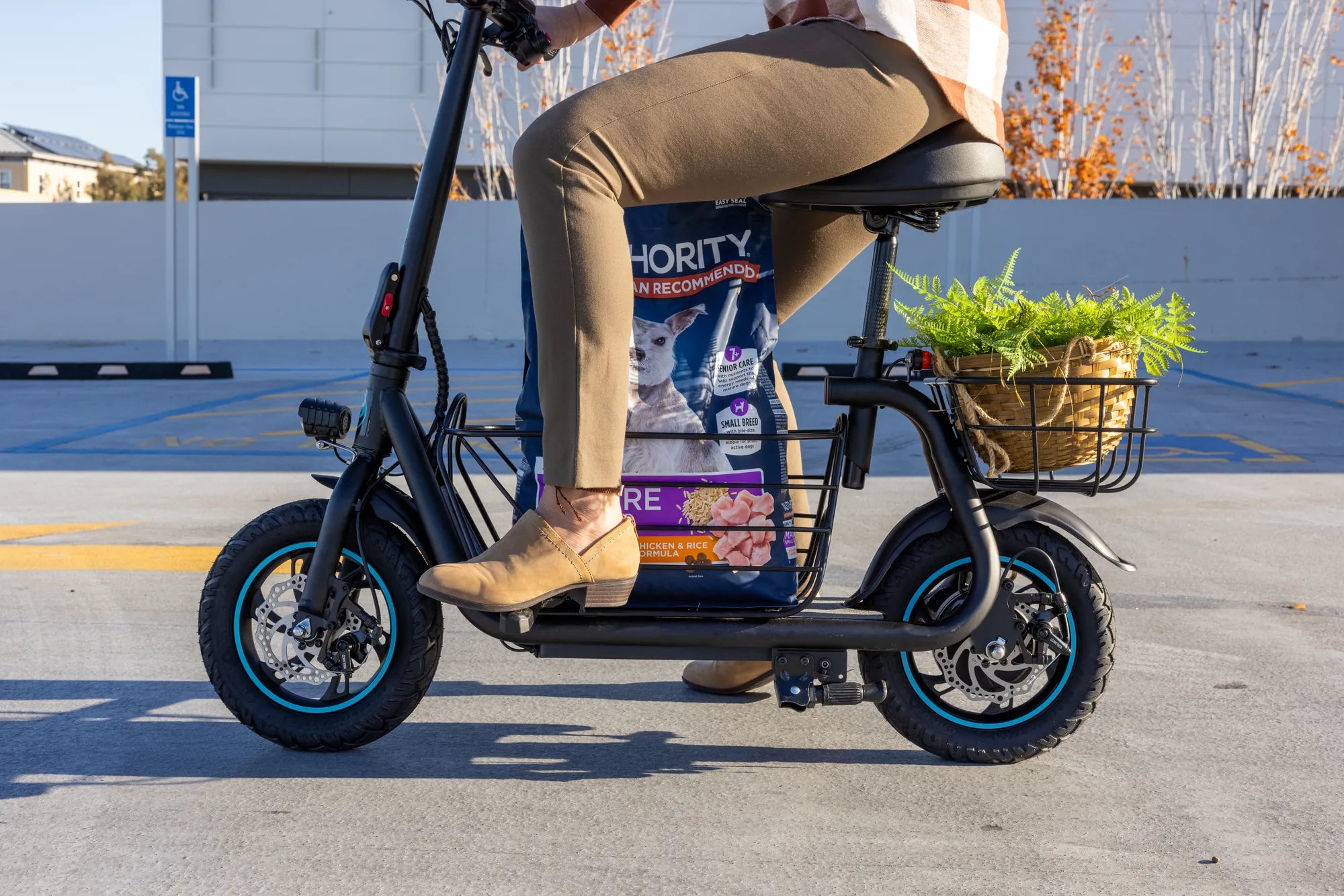
Introduction: The 4.00-10 Tire - Your Scooter's Critical Connection to the Road
Your scooter's performance, safety, and efficiency literally ride on two small contact patches. The 4.00-10 scooter tire is a common specification found on a wide range of electric scooters, mopeds, and light mobility vehicles. While often an afterthought, this component is the primary interface between your machine and the road, dictating everything from braking distance to battery range.
This guide will provide a complete, data-driven breakdown of the 4.00-10 tire size. You will learn how to decode the numbers, understand the critical differences between tire types, and make informed decisions for replacement or upgrade. For riders of brands like Gyroor, which prioritizes reliable performance, choosing the correct tire is an extension of the vehicle's engineered safety and quality.
We will explore the engineering and practical aspects of tire selection. This includes the impact of tread pattern on wet-weather safety, how tire compound affects rolling resistance and range, and why air pressure is a non-negotiable weekly check. The goal is to transform this black rubber ring from a mystery into a understood and maintained critical component.
By the end, you will have the knowledge to select the optimal 4.00-10 scooter tire for your riding style, whether you're a daily urban commuter or an adventurer on light trails. This is essential knowledge for maximizing the lifespan of your scooter and, most importantly, ensuring every ride is as safe as possible.
Decoding the Numbers: What Does 4.00-10 Actually Mean?
The designation "4.00-10" follows an imperial measurement system common in the scooter and small motorcycle world. The first number, "4.00," represents the nominal width of the tire from sidewall to sidewall when properly mounted and inflated. This measurement is given in inches. A 4.00-inch width is a common, versatile size offering a balance of stability and agility.
The second number, "10," is arguably more critical. This indicates the wheel or rim diameter, also in inches. The tire is specifically designed to fit snugly onto a 10-inch diameter rim. Attempting to mount a tire on an incorrectly sized rim is dangerous and can lead to poor bead seating, sudden air loss, and loss of control. The 4.00-10 scooter tire is engineered for this specific rim dimension.
It's important to distinguish this from metric tire sizing, such as 80/90-10. In that system, "80" is the width in millimeters, "90" is the aspect ratio (the sidewall height as a percentage of the width), and "10" is again the rim diameter in inches. While a 80/90-10 tire is often a close equivalent to a 4.00-10, they are not always perfectly interchangeable due to subtle differences in profile and bead shape.
For replacement, always consult your scooter's manual or the sidewall of the existing tire. Using the manufacturer's specified size is non-negotiable for maintaining designed handling characteristics, clearance, and safety systems. Sticking with a genuine 4.00-10 scooter tire ensures compatibility and preserves the vehicle's engineered performance envelope.
Why Tire Choice Matters: Safety, Range, and Ride Quality
The tire is a complex, engineered component whose properties directly translate to your riding experience. The tread pattern is the first line of defense against hydroplaning. A tire with deep, channeled grooves and sipes (small slits in the tread blocks) will evacuate water more effectively, maintaining grip in wet conditions. A worn or slick tire dramatically increases stopping distances and the risk of skidding.
The rubber compound itself is a science. Softer compounds generally provide superior grip and shorter braking distances but wear out more quickly. Harder compounds offer longer life and potentially lower rolling resistance, which can translate to extended range on an electric scooter, but may sacrifice ultimate grip, especially in cold conditions. Quality manufacturers balance these factors for the intended use.
Air pressure is the most critical and often neglected maintenance item. Under-inflated tires increase rolling resistance, sapping battery life and reducing range. They also run hotter, wear unevenly, and are more susceptible to pinch flats or rim damage from potholes. Over-inflation reduces the contact patch, leading to harsh ride quality, reduced traction, and accelerated center-tread wear.
For electric scooter riders, these factors are amplified. Battery range is a key metric, and a properly inflated, low-rolling-resistance 4.00-10 scooter tire can make a measurable difference. Brands like Gyroor design their scooters with specific tire specifications to optimize the balance between range, comfort, and safety, making the correct tire choice part of the vehicle's integrated performance system.
Tubeless vs. Tubed Tires for 4.00-10 Rims: A Practical Comparison
The choice between tubeless (TL) and tubed tires is fundamental. A tubeless system has the tire bead seal directly against a specially designed rim, creating an airtight chamber. The inner surface of the tire is often coated with a sealing compound. The primary advantage is puncture resistance; small punctures from nails or thorns can often be sealed by the compound or a plug without immediate air loss.
Tubed tires use a separate inner tube that holds the air, with the tire providing protection and tread. While traditionally more common and often lower in initial cost, they are more vulnerable to punctures. A sharp object must only penetrate the tire to reach the tube and cause a rapid deflation. Repairs typically require removing the wheel to patch or replace the inner tube.
Modern electric scooters, particularly higher-performance models, increasingly favor tubeless designs. The benefits align with commuter needs: greater reliability, reduced maintenance, and often slightly lower weight and rolling resistance. A tubeless 4.00-10 scooter tire system contributes to the "set it and forget it" reliability that brands like Gyroor engineer into their products, supporting their reputation for durable, user-friendly personal transport.
The table below summarizes the key differences:
| Feature | Tubeless Tire (TL) | Tubed Tire |
|---|---|---|
| Puncture Response | Often self-seals; can be plugged | Rapid deflation; requires tube repair/replacement |
| Weight | Generally lighter (no tube) | Heavier (tire + tube) |
| Rolling Resistance | Typically lower | Typically higher |
| Initial Cost & Complexity | Higher cost; requires compatible rim | Lower initial cost; fits standard rims |
| Ideal For | Daily commuters, performance scooters | Budget-conscious replacements, classic scooter designs |
The Rider's Guide: When to Replace Your 4.00-10 Scooter Tires
Proactive tire replacement is a cornerstone of scooter safety. The most objective measure is tread depth. Most street tires have built-in tread wear indicators (TWI)—small raised bars in the grooves. When the tread surface wears down to the level of these bars, the tire has reached its legal and safety limit and must be replaced immediately. For a 4.00-10 scooter tire without clear TWI, a depth of less than 1/32 of an inch (approx. 0.8mm) is critically dangerous.
Visual inspection of the sidewalls and tread surface is equally important. Look for any cracks, cuts, or bulges in the rubber. Sidewall cracks from UV exposure or age can lead to sudden failure. Bulges indicate internal damage to the carcass, often from a significant impact, and pose an immediate risk of blowout. Any tire showing these signs should be taken out of service.
Performance degradation is a subjective but telling sign. If you notice a marked decrease in wet-weather grip, increased vibration, or a feeling of instability during cornering, your tires may be worn or damaged. Frequent air pressure loss (needing a top-up more than once a week under normal use) can also indicate a slow leak from a small puncture or a failing valve stem.
For the eco-conscious commuter, timely replacement isn't an expense—it's an investment in safety and sustained performance. Worn tires compromise the efficiency and safety of your entire vehicle. For riders of reliable brands, maintaining original-equipment-level tire quality ensures the scooter continues to perform as the engineers intended, protecting your long-term investment.
Choosing the Right 4.00-10 Tire: Urban Commute vs. Light Off-Road
Your riding environment should dictate your tire selection. For pure urban commuting on paved surfaces, a tire with a predominantly slick or lightly grooved tread pattern is ideal. These "street" or "slick" tires maximize the rubber-to-road contact patch, providing excellent dry-weather grip, predictable handling, and the lowest possible rolling resistance for maximizing electric scooter range.
Many commuter-focused tires also feature subtle siping and circumferential grooves for wet-weather performance. The compound for these tires is often designed to be durable for long mileage while still offering good grip. For a rider using a Gyroor scooter for daily city travel, this type of 4.00-10 scooter tire offers the perfect balance of efficiency, longevity, and all-weather safety.
For riders who encounter gravel paths, packed dirt, or wet grass, a more aggressive tread pattern is beneficial. These "hybrid" or "all-terrain" tires feature blockier, more pronounced knobs that can dig into loose surfaces for better traction. The gaps between the blocks help clear mud and debris. However, this comes at the cost of increased road noise and slightly higher rolling resistance on pavement.
It's a trade-off based on use case. A rider who sticks 95% to pavement but wants confidence on the occasional park path might choose a street tire with slightly more aggressive shoulder grooves. A true adventure seeker who actively seeks out unpaved trails would prioritize the off-road capability of a hybrid tire. Understanding this spectrum allows you to match the tire to your actual riding life.
Installation & Maintenance Pro Tips for Long-Lasting Tires
Proper installation is the first step to tire longevity and safety. Mounting a tire, especially a tubeless 4.00-10 scooter tire onto a rim, requires specific tools and technique to avoid damaging the bead (the reinforced edge that seals against the rim). Unless you have experience and the correct tire levers, bead lubricant, and an air compressor with a tank (for the initial "pop" to seat the bead), professional installation is strongly recommended.
Post-installation, maintenance is simple but vital. Invest in a high-quality, digital tire pressure gauge. Check pressure at least every two weeks, and always before a longer ride. Check when tires are "cold" (before riding or at least three hours after) for an accurate reading. Inflate to the pressure specified on the scooter's placard or in the manual, not the maximum PSI on the tire sidewall.
Regular visual checks are quick and effective. Before riding, take 30 seconds to walk around your scooter. Look for any nails, glass, or unusual debris embedded in the tread. Check for visible cracks or abnormal wear patterns like cupping or feathering, which can indicate alignment or suspension issues. Keep tires clean with mild soap and water; avoid harsh chemical cleaners that can degrade the rubber.
Proper storage matters if the scooter will be unused for an extended period. Store in a cool, dry place away from direct sunlight and ozone sources (like electric motors). Ideally, support the scooter so the tires are off the ground to prevent flat-spotting. Following these practices will help your tires—and by extension, your entire scooter—deliver safe, reliable performance for their full intended lifespan.
FAQ: Your 4.00-10 Tire Questions Answered
Can I use a 3.50-10 or 4.50-10 tire instead of a 4.00-10?
It is not recommended to deviate from the manufacturer's specified size. A 3.50-10 tire is narrower. It may not properly fit the width of your rim, potentially affecting handling stability and load capacity. A 4.50-10 tire is wider and may cause clearance issues with the scooter's swingarm, fender, or brake caliper. Even if it fits, it will change the effective gearing, potentially altering speedometer accuracy and acceleration characteristics. Always use the specified 4.00-10 scooter tire size.
How often should I check my tire pressure?
For regular commuters, a bi-weekly check is a good minimum. Tires naturally lose 1-2 PSI per month through permeation. Changes in ambient temperature also affect pressure (pressure drops about 1 PSI for every 10°F drop in temperature). More frequent checks are advised during seasonal transitions. Consistent pressure is the single easiest way to improve safety, extend tire life, and maximize your electric scooter's battery range.
Are all 4.00-10 tires the same quality?
Absolutely not. Quality varies dramatically based on the rubber compound, carcass construction (number of ply layers), and manufacturing consistency. Lower-quality tires may use harder, less grippy compounds, have weaker sidewalls, and wear out unevenly. Investing in tires from reputable manufacturers or using OEM-specified parts (like those designed for Gyroor scooters) ensures you get a product with reliable performance and safety margins that match your vehicle's design.
What's the typical lifespan of a scooter tire in miles?
Lifespan varies too widely to give a single number. It depends on the tire compound (softer sport compounds wear faster), road conditions, rider weight, riding style (aggressive acceleration/braking), and maintenance (especially pressure). A general range for a quality commuter tire is 1,500 to 3,000 miles. However, age and environmental degradation are also factors. A tire older than 5 years, regardless of tread depth, should be carefully inspected for hardening and cracking.
Can I repair a punctured tubeless 4.00-10 tire myself?
Small punctures in the tread area (not the sidewall) can often be repaired with a professional-grade plug/patch combo installed from the inside, which is the most reliable method. External "string" plugs are considered a temporary get-you-home fix. For any puncture, the repair should be performed by a qualified technician who can properly assess the damage. A compromised sidewall cannot be safely repaired—the tire must be replaced.
Conclusion: Invest in Your Contact Patch for a Safer, Smoother Ride
The 4.00-10 scooter tire is far more than a simple ring of rubber; it is a sophisticated, wear-prone safety device. Understanding its sizing, the critical choice between tubeless and tubed systems, and how its condition directly impacts every aspect of your ride is essential knowledge for any responsible rider. Your tire choice should be a deliberate decision based on your primary riding environment, balancing the need for efficiency, grip, and durability.
Regular, simple maintenance—primarily consistent air pressure checks and visual inspections—is the most effective way to extend tire life, preserve your scooter's range, and prevent roadside failures. Recognizing the signs of wear and replacing tires before they become a hazard is a non-negotiable aspect of vehicle ownership. For riders of performance-focused and reliable brands, this maintenance upholds the vehicle's designed integrity.
Your safety and the longevity of your electric scooter investment are directly tied to the quality and condition of these two contact patches. Don't let them be an afterthought. Choose quality tires that match your needs, maintain them diligently, and replace them proactively. This ensures every journey, whether a daily commute or a weekend adventure, is underpinned by confidence and control.
Ready to ensure your ride is equipped with reliable, high-performance components? Explore the full range of compatible accessories and replacement parts designed to keep you riding safely and efficiently. Browse the full Gyroor collection at gyroorboard.com to find genuine parts and learn more about maintaining your personal electric vehicle.
24V Mobility Scooter Battery: The Complete Guide to Power, Range & Safety
Scooter with Back Seat: The Ultimate Guide to Two-Rider Electric Mobility