


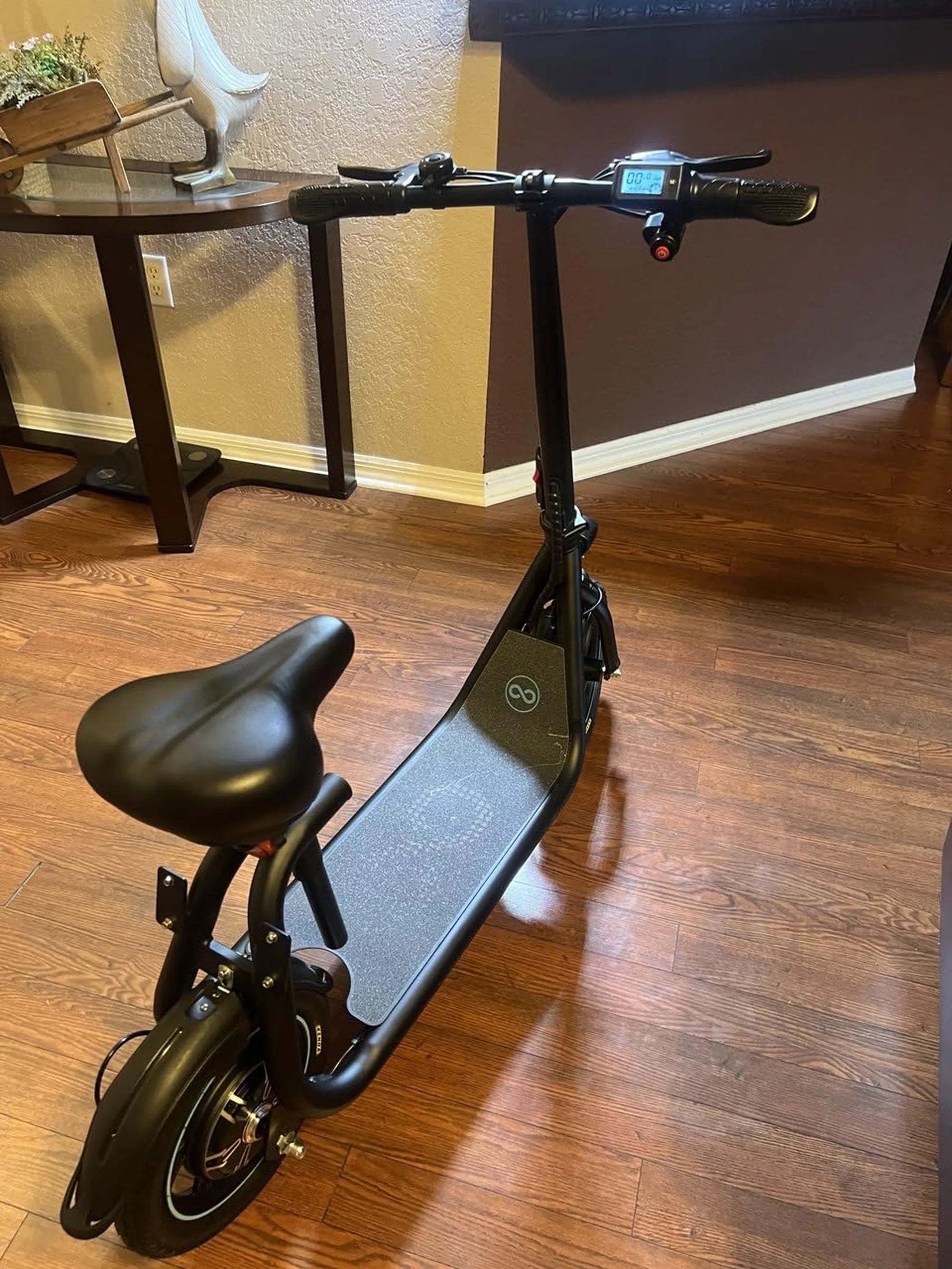
Introduction to 48V 20Ah Scooter Batteries: The Heart of Your Ride
A 48V 20Ah scooter battery is the definitive power source for modern, high-performance electric scooters. This configuration delivers 48 volts of electrical potential with a 20 amp-hour capacity, forming the core component that dictates your ride's range, acceleration, and hill-climbing prowess. It represents a significant step up from entry-level packs, offering the extended distance and robust power output that commuters and adventure riders demand.
Understanding this battery is crucial for any serious rider. The 48V 20Ah specification has become a benchmark for mid-to-high-tier scooters, capable of transforming a simple commute into a reliable, car-replacing journey. Its popularity stems from providing a practical sweet spot between daily usability and exhilarating performance.
As the central and most valuable part of your electric scooter, the battery's quality directly impacts safety, longevity, and overall satisfaction. Brands like Gyroor, trusted by over 100,000 riders, build their performance models around such robust, UL-certified 48V 20Ah battery packs to ensure dependable power.
This guide will dissect every aspect of the 48V 20Ah scooter battery. You will learn to interpret its specs, calculate real-world range, identify critical safety features, and implement care practices that maximize its lifespan, empowering you to ride with total confidence.
Understanding the Specs: What 48V and 20Ah Really Mean for You
The numbers 48V and 20Ah are not just marketing terms; they are precise engineering specifications with direct, tangible effects on your riding experience. Voltage (V) represents the electrical "pressure" available to the motor, while Amp-hours (Ah) measure the battery's energy storage capacity, akin to the size of a fuel tank.
A 48V system provides substantially more power than common 36V setups. This higher voltage allows the motor to draw more watts (power = voltage x current), resulting in stronger acceleration, higher potential top speeds, and significantly improved ability to climb steep inclines without bogging down. It's the difference between a leisurely pace and a potent, responsive ride.
The 20Ah capacity is all about range. In simple terms, a 20Ah battery can theoretically deliver 20 amps of current for one hour before depleting. In practice, scooter motors draw varying current based on speed and terrain. This capacity is the primary factor determining how far you can travel on a single charge, making it the most critical spec for defeating range anxiety.
Together, 48V and 20Ah create a synergistic effect. The voltage supplies the punch, and the amp-hours provide the endurance. This combination is why the 48V 20Ah scoter battery is frequently chosen for models designed for longer commutes (15+ miles one-way) or for riders who want power in reserve for hills and headwinds.
The Chemistry Inside: Why Lithium-Ion is the Standard
Every quality 48V 20Ah scooter battery on the market today uses Lithium-ion (Li-ion) chemistry. This is a non-negotiable standard for performance, safety, and longevity, having completely obsolete older technologies like sealed lead-acid (SLA) batteries.
Li-ion batteries offer a superior energy density. This means they can store far more energy in a much smaller and lighter package. A 48V 20Ah Li-ion pack is compact and manageable, whereas an SLA battery with equivalent watt-hours would be prohibitively heavy and large, utterly unsuitable for a portable scooter.
They also boast a much longer lifespan, typically rated for 500 to 800+ full charge cycles while retaining 80% of original capacity. Furthermore, Li-ion cells have low self-discharge rates, meaning your scooter holds its charge much longer when not in use. This reliability and efficiency are why leading brands exclusively use Li-ion technology.
Most importantly, premium Li-ion packs incorporate sophisticated Battery Management Systems (BMS). The BMS is the brain of the battery, actively monitoring and protecting each cell from overcharging, over-discharging, short circuits, and temperature extremes. This is the foundational layer of safety that makes modern, high-capacity batteries viable.
Range in the Real World: Calculating Your Actual Miles
The advertised maximum range for a scooter with a 48V 20Ah battery can be optimistic. Real-world mileage depends on a complex interplay of factors. The key is understanding the battery's total energy: 48V x 20Ah = 960 Watt-hours (Wh). This is the raw energy available.
Your actual range is determined by how efficiently that energy is used. A scooter's motor and controller efficiency, rider weight, riding speed, terrain, wind, and tire pressure all dramatically affect watt-hour consumption per mile. Aggressive acceleration and high speeds are the biggest drains on the 48V 20Ah scooter battery.
As a practical guide, you can expect the following real-world ranges from a healthy 48V 20Ah pack under mixed conditions:
- Optimal Conditions (light rider, flat terrain, eco mode, 15 mph): 35-45 miles.
- Average Commute (average rider, some hills, variable speed): 25-35 miles.
- Performance Riding (heavy rider, hilly terrain, sport mode, max speed): 18-25 miles.
Temperature also plays a role. Cold weather (below 50°F/10°C) can reduce lithium battery efficiency and temporarily decrease available range by 10-20%. Planning your commute with a buffer is always the wise strategy to ensure you never run out of power.
Key Features to Look for in a Quality 48V 20Ah Battery
Not all 48V 20Ah batteries are created equal. The internal construction, safety protocols, and build quality separate reliable, long-lasting packs from potential hazards. When evaluating a battery, either as part of a new scooter or as a replacement, these features are non-negotiable indicators of quality.
The cell quality is paramount. Reputable manufacturers use name-brand, high-drain Li-ion cells (like those from Samsung, LG, or Panasonic) that are consistently matched for performance and longevity. Cheap, no-name cells are a major red flag for safety and durability, often found in uncertified packs.
A robust physical enclosure is equally critical. The battery case should be made of durable, impact-resistant material and be securely mounted within the scooter's deck to prevent movement and vibration damage. Proper sealing is necessary to achieve meaningful water and dust resistance ratings.
Finally, consider the connector and wiring quality. High-quality, thick-gauge wiring and secure, corrosion-resistant connectors ensure efficient power delivery and prevent voltage drop, overheating, or connection failures. These details reflect an overall commitment to engineering excellence.
Safety First: The Non-Negotiable Importance of UL Certification
UL (Underwriters Laboratories) certification is the single most important safety feature for any 48V 20Ah scooter battery. This independent, third-party testing verifies that the battery pack has passed rigorous examinations for electrical, mechanical, and environmental safety.
A UL-certified battery has been tested for risks like thermal runaway (a chain reaction leading to fire), overcharge protection, short circuit protection, and mechanical abuse. The certification process audits the entire design, including the BMS, cell quality, and assembly, providing a trusted benchmark that goes far beyond basic CE or FCC marks.
Choosing a scooter with a UL-certified battery, like those used in Gyroor's lineup, is an investment in risk mitigation. It significantly reduces the chance of catastrophic failure, giving you peace of mind whether the scooter is charging in your garage or stored in your apartment. Never compromise on this certification.
Built to Last: Water Resistance and Durability (IPX5 Rating)
Electric scooters are outdoor vehicles, and their batteries must withstand the elements. An IPX5 water resistance rating is a strong standard for a 48V 20Ah scooter battery. The "IP" stands for Ingress Protection, with the "X5" specifically indicating protection against water jets from any direction.
An IPX5-rated battery enclosure can handle heavy rain, road spray from puddles, and even washing with a hose (from a reasonable distance and avoiding direct jets into ports). This protection prevents moisture from corroding internal components, causing short circuits, or damaging the sensitive BMS.
This rating is essential for practical, all-weather commuting. It ensures that a sudden downpour or a wet road doesn't end your ride or damage your scooter's most expensive component. When a brand highlights an IPX5 design, it demonstrates a commitment to real-world durability and rider convenience.
Peace of Mind: Understanding Warranty and Support
A strong warranty is a manufacturer's vote of confidence in their product. For a 48V 20Ah scooter battery, a comprehensive warranty covering at least one year against defects is a baseline expectation for a quality product. This period should cover premature capacity loss or BMS failures under normal use.
Review the warranty terms carefully. A reputable warranty, like Gyroor's 1-year coverage, typically covers the battery as a core component. It should be clear about what constitutes misuse (e.g., physical damage, using an unofficial charger) and what the claim process entails.
Equally important is accessible and knowledgeable customer support. Having a direct line to technical experts who understand battery diagnostics can save you time and frustration if you encounter issues. This support structure is a key part of the product's long-term value and your ownership experience.
Performance Comparison: 48V 20Ah vs. Other Common Configurations
To fully appreciate the 48V 20Ah scooter battery, it's helpful to compare it to other standard configurations. The table below provides a clear, data-driven comparison of key performance and use-case factors.
| Battery Configuration | Typical Watt-Hours (Wh) | Best For Rider Type | Estimated Real-World Range | Power & Hill Climb | Weight & Cost Impact |
|---|---|---|---|---|---|
| 36V 10Ah | 360 Wh | Light commuters, short trips, beginners. | 10-15 miles | Moderate; struggles on steep hills. | Lightest, most affordable. |
| 48V 15Ah | 720 Wh | Average commuters seeking balance. | 18-28 miles | Good; handles moderate hills well. | Moderate weight and cost. |
| 48V 20Ah (Focus) | 960 Wh | Serious commuters, longer distances, hilly areas. | 25-40 miles | Excellent; strong acceleration and hill climb. | Heavier, higher cost, but best value for range/power. |
| 52V 20Ah | 1040 Wh | Performance enthusiasts, off-road, max speed. | 28-45 miles | Superior; highest torque and top speed potential. | Heaviest, most expensive, may require compatible motor/controller. |
The 48V 20Ah scooter battery stands out as the optimal compromise. It offers 33% more energy than a 48V 15Ah pack for a significant range boost, without venturing into the more niche, expensive, and sometimes compatibility-challenging realm of 52V systems. It delivers ample power for nearly all urban and suburban scenarios.
For the vast majority of riders who need reliable, car-replacement transportation, the 48V 20Ah configuration provides the most practical blend of daily range, potent performance, and widespread compatibility. It's the workhorse specification that powers the most versatile and popular class of high-performance commuter scooters.
Maximizing Your Battery's Lifespan: Essential Care Tips
A 48V 20Ah scooter battery is a long-term investment. With proper care, you can maximize its lifespan, maintain its range, and ensure safe operation for years. These practices are simple but profoundly effective, centered on avoiding the extremes that stress lithium-ion cells.
First, understand that a "charge cycle" is counted as using 100% of the battery's capacity, not each individual plug-in. Using 50% and charging it twice equals one cycle. The goal is to slow the consumption of these finite cycles through smart charging and usage habits.
Second, temperature management is crucial. Never charge a battery that is extremely hot from riding or freezing cold. Allow it to return to a moderate, room temperature first. Similarly, avoid leaving your scooter in direct, blazing sun or in an unheated garage during winter for extended periods.
Finally, listen to your battery. If you notice unusual behavior—excessive heat during charging, a sudden severe drop in range, or the charger cutting off abnormally fast—stop using it and consult the manufacturer's support. Early attention can prevent minor issues from becoming major failures.
Charging Best Practices for Long-Term Health
Optimal charging is the most impactful thing you can do for battery longevity. The golden rule is to avoid regularly charging to 100% and discharging to 0%. Lithium-ion cells experience the most stress at the extreme top and bottom of their charge.
For daily use, try to keep the state of charge between 20% and 80-90%. If your commute only uses 50% of the battery, charge it back to 80% rather than 100%. Most quality chargers will indicate when the battery is around 80-90% full (the light may turn from red to green, or a gauge may show it).
Do not leave the battery on the charger for days on end after it's full. Once charged, unplug it. Always use the official charger provided by the scooter manufacturer. Third-party chargers may not have the correct voltage or safety protocols, potentially damaging the BMS and cells.
If storing the scooter for more than a month, charge (or discharge) the battery to approximately 50-60% before storage. Store it in a cool, dry place and check the charge level every few months, topping it back up to 50-60% if needed. Never store a battery fully depleted.
Proper Storage and Handling for All Seasons
Physical care is just as important as electrical care. Always ensure the battery is securely mounted in its compartment. Loose batteries can vibrate, causing internal connections to weaken or cells to be damaged. Check mounting points periodically if you ride on rough terrain.
Keep the battery and its contacts clean and dry. Wipe down the exterior with a dry cloth to remove dirt, grime, and moisture, especially around the charging port and power connector. This prevents corrosion and ensures a good electrical connection.
Be mindful of impacts. While the battery case is tough, a severe impact from a curb or pothole can potentially damage cells internally. Avoid subjecting your scooter to unnecessary jarring impacts. When transporting the scooter, avoid situations where heavy objects could press on or impact the deck where the battery resides.
Frequently Asked Questions (FAQ) About 48V 20Ah Batteries
Q: How long does it take to charge a 48V 20Ah battery from empty?
A: Charge time depends on the charger's output. A standard 2-amp charger for a 960Wh battery takes roughly 8-10 hours (960Wh / (48V * 2A) = ~10h). A faster 4-amp charger can cut this to 4-5 hours. Always refer to your scooter's manual for the recommended charging time and use only the supplied charger.
Q: Can I upgrade my scooter to a 48V 20Ah battery?
A: Possibly, but it's not a simple plug-and-play. You must ensure the scooter's motor, controller, and wiring are rated for 48V. Upgrading from a lower voltage (e.g., 36V) often requires replacing the controller and potentially the motor. The battery compartment must also physically fit the new pack. Consult the scooter manufacturer or a qualified technician.
Q: What should I do if my battery range suddenly decreases?
A> First, check for simple causes: under-inflated tires, increased rider/cargo weight, or riding in colder weather. If these are ruled out, it may indicate cell imbalance or aging. Try performing a full balance charge (charge to 100% and leave on charger for an extra 1-2 hours as per manual). If the problem persists, contact customer support for diagnostics.
Q: Is a 48V 20Ah battery too heavy for a portable scooter?
A> A quality 48V 20Ah Li-ion pack typically weighs between 12-16 lbs (5.5-7.5 kg). While this adds noticeable weight compared to a smaller battery, it is a necessary trade-off for the extended range and power. Most scooters designed for this battery size have folding mechanisms and are still portable for carrying up stairs or onto transit for short distances.
Q: How can I safely dispose of or recycle my old 48V 20Ah battery?
A> Never dispose of a lithium-ion battery in household trash. It is a fire hazard and contains recyclable materials. Take it to a dedicated electronics recycling center, a hazardous waste facility, or a retailer that offers battery take-back programs. Many scooter brands and electronics stores provide recycling services for old batteries.
Powering Your Journeys with Confidence
The 48V 20Ah scooter battery represents the pinnacle of practical electric scooter power. It delivers the robust performance needed for challenging commutes and the substantial range required to replace car trips, all in a refined, reliable package. By understanding its specifications, respecting its requirements, and following best practices for care, you unlock its full potential for thousands of miles of dependable service.
Your choice in a battery is ultimately a choice in safety and reliability. Prioritizing UL-certified, well-constructed packs from reputable brands is non-negotiable. This ensures that the powerful energy stored within is managed with the utmost integrity, protecting both your investment and your well-being.
When you select a scooter built around a high-quality 48V 20Ah battery, you're choosing freedom from range anxiety and the confidence to tackle diverse urban landscapes. It's the engineering heart that transforms a scooter from a novelty into a legitimate, sustainable transportation solution.
Ready to experience the perfect balance of power and range? Explore scooters engineered with reliable, high-performance 48V 20Ah battery systems. Browse the full Gyroor collection, featuring UL-certified batteries, IPX5 water-resistant designs, and comprehensive 1-year warranties, at gyroorboard.com.
Off Road Trike Motorcycles: The Ultimate Guide to 3-Wheeled Adventure
Cheap Trike: The Ultimate Guide to Affordable, Stable Transport