

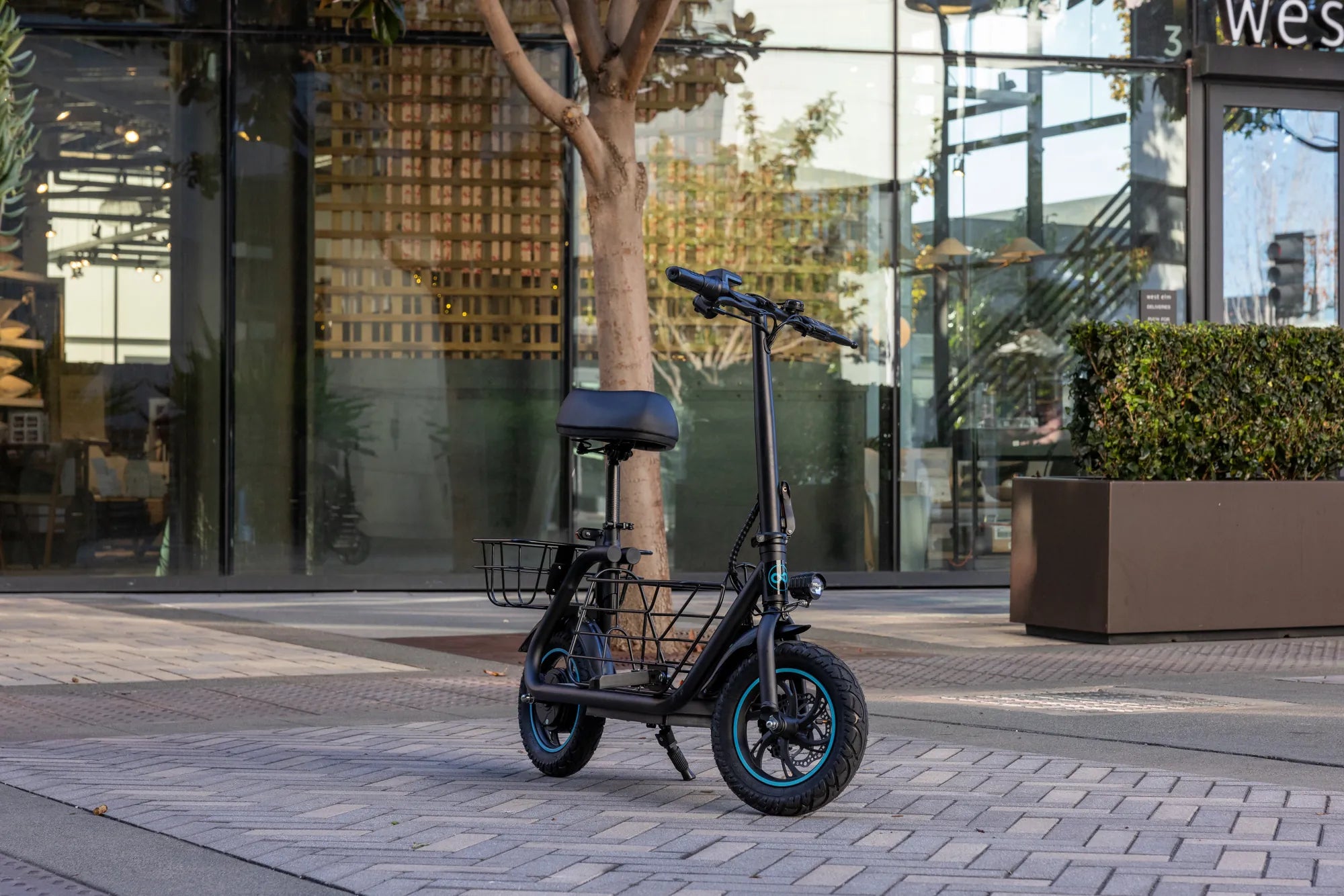
Choosing the right motor is the single most critical decision when buying an electric bike. Among the myriad of options, the 500W ebike motor consistently emerges as the versatile sweet spot, powering countless commutes and recreational rides. This guide will dissect exactly what a 500-watt motor delivers, how it compares to other sizes, the legal landscape surrounding it, and the essential components—like UL-certified batteries and robust frames—that turn a good motor into a great, reliable e-bike. You will learn the technical realities behind the wattage rating, how to match a motor to your terrain, and what to look for in a complete package from a trusted brand.
Understanding the 500W E-Bike Motor: The Urban Power Standard
The prevalence of the 500W ebike motor is no accident. It sits perfectly at the intersection of adequate power for varied terrain and widespread legal acceptance. For the majority of urban commuters and weekend explorers, it provides a significant boost over a 250W motor without venturing into the higher power, weight, and cost—and often stricter regulation—of 750W or 1000W systems.
In practical terms, a 500W motor translates to tangible riding benefits. It offers confident acceleration from stops, capable hill-climbing for moderate grades, and a top speed that enhances commuting efficiency without becoming excessive. This wattage represents a nominal or continuous power rating, meaning the motor can sustain this level of output under normal load. The 500W ebike motor is engineered for durability and daily use, making it the workhorse of the e-bike world.
Its popularity is also driven by a balanced approach to energy consumption. A well-designed 500W system, paired with a sufficient battery, can achieve impressive ranges, often between 20 to 50 miles per charge depending on conditions. This makes it a practical choice for errands, commutes, and longer leisure rides without constant range anxiety.
Brands that prioritize quality, like Gyroor, leverage the 500W motor's potential by integrating it into well-rounded e-bikes. These bikes combine the motor with high-capacity, UL-certified batteries, IPX5 water-resistant designs, and reliable warranties, creating a product that is greater than the sum of its parts. The 500W ebike motor is not just a component; it's the heart of a balanced electric riding experience.
Power Decoded: Nominal vs. Peak and Real-World Performance
When evaluating a 500W ebike motor, understanding the difference between nominal and peak power is crucial. The advertised 500W is typically the nominal, or continuous, power output. This is the power level the motor can maintain indefinitely without overheating under standard conditions. However, most motors can briefly deliver higher burst power, known as peak power, often reaching 750W or more for short periods during intense acceleration or steep climbs.
This peak capability is what gives a quality 500W system its surprising punch. When you twist the throttle or pedal hard from a standstill, the motor draws extra current to provide that initial surge. This dual-power characteristic means a 500W e-bike feels more powerful in real-world use than the base rating might suggest, adeptly handling short, steep hills and quick traffic merges.
Real-world performance metrics for a typical 500W e-bike are predictable and useful for planning. On flat ground with moderate pedal assist, expect a top speed of approximately 20 mph (32 km/h), which aligns with the Class 2 e-bike designation common in North America. The motor's true test is hill climbing. A 500W hub motor can comfortably handle grades of 10-15%, while a 500W mid-drive motor, due to its ability to leverage the bike's gears, can often tackle steeper inclines more efficiently.
Rider weight, wind, tire pressure, and riding style significantly impact these numbers. A lighter rider on a smooth path will achieve higher speeds and longer range than a heavier rider battling headwinds. The key takeaway is that a 500W ebike motor provides a substantial and versatile level of power that meets the demands of most common riding scenarios, from city streets to park paths.
Hub Drive vs. Mid-Drive: Placement Matters for Your 500W Ride
The location and design of the motor fundamentally alter the riding character of an e-bike, even with an identical 500W rating. The two primary architectures are hub drives and mid-drives, each with distinct advantages.
Hub Drive Motors: The Accessible Workhorse
A hub drive motor is integrated into the center of either the front or rear wheel. This design is prevalent due to its simplicity and cost-effectiveness. A 500W hub motor provides direct power to the wheel, offering straightforward acceleration that feels similar to a throttle-controlled scooter. It operates independently of the bike's chain and gears, which can simplify maintenance.
The primary trade-off is weight distribution. Placing significant weight in the wheel can affect the bike's handling, particularly with a front hub motor, which may make the steering feel less nimble. For hill climbing, a hub motor provides its torque directly, but it cannot downshift into a lower gear, meaning it must work harder on sustained steep grades compared to a mid-drive of the same wattage.
Mid-Drive Motors: The Efficient Climber
A mid-drive motor is positioned at the bike's crank and bottom bracket, driving power through the chain and the bike's existing gear system. This is a game-changer for performance. A 500W ebike motor in a mid-drive configuration feels more like a natural extension of your pedaling. It leverages the gears, allowing you to spin the motor at its optimal RPM range for efficiency, especially on hills.
This results in superior hill-climbing ability, better overall weight distribution (centered and low), and often greater range from the same battery capacity because the system operates more efficiently. The downside is increased complexity and cost, as the motor subjects the drivetrain (chain, cassette) to higher forces, potentially leading to more frequent wear and maintenance.
For a commuter on relatively flat terrain, a 500W hub drive offers excellent value and reliability. For a rider facing hills, seeking a more "bike-like" feel, or prioritizing maximum range, the 500W mid-drive is the superior, albeit more expensive, technical choice.
Beyond the Motor: Critical System Components for a 500W E-Bike
A motor alone does not make a great e-bike. Its performance, safety, and longevity are dictated by the quality of the components it's paired with. When evaluating any e-bike centered on a 500W motor, these elements are non-negotiable.
The Battery Partnership: Voltage, Capacity, and Safety
The battery is the fuel tank for your 500W ebike motor. Its specifications are paramount. Voltage (V) determines the potential power delivery. A 500W motor paired with a 48V battery will generally deliver more torque and responsive performance than the same motor on a 36V system, as it can draw power at a higher pressure.
Capacity, measured in Amp-hours (Ah), dictates range. A larger capacity (e.g., 15Ah vs. 10Ah) stores more energy, allowing you to ride farther. Safety is the most critical factor. High-quality e-bikes use battery packs with cells from reputable manufacturers (like Samsung or LG) and feature full UL certification. This certification, a standard upheld by brands like Gyroor, means the battery pack has passed rigorous independent testing for electrical, mechanical, and fire safety—a vital consideration for a device kept in your home.
Frame Integrity, Braking Power, and Warranty Assurance
The frame must be engineered to handle the consistent torque and higher average speeds of electric assist. Look for robust construction, often from aluminum alloys, with reinforced stress points, especially around the motor and battery mounts. The braking system is a critical safety upgrade. Mechanical or hydraulic disc brakes are essential for a 500W e-bike, providing consistent, powerful stopping power in all weather conditions, far surpassing the capability of traditional rim brakes.
Finally, a comprehensive warranty and accessible customer support are your insurance policy. A reputable brand will offer at least a 1-year warranty on the frame, motor, and battery, demonstrating confidence in their product's durability. This support network is crucial for addressing any technical issues and sourcing genuine replacement parts, ensuring your investment is protected for the long term.
Legal Landscape: Where is a 500W E-Bike Street Legal?
The legality of a 500W ebike motor is primarily governed by local and national regulations, which vary significantly. In the United States, federal law provides a baseline, but state laws have the final say. The three-class system (Class 1, 2, and 3) is widely adopted. A 500W motor is commonly found on Class 2 e-bikes, which are defined as having a throttle-assisted mode and a maximum motor-powered speed of 20 mph. These are typically allowed on streets, bike lanes, and multi-use paths where traditional bicycles are permitted, though local restrictions can apply.
In the European Union and the United Kingdom, regulations are generally stricter. E-bikes classified as "pedelecs" are limited to 250W of continuous motor power and must provide assistance only up to 25 km/h (15.5 mph). Therefore, a 500W e-bike in these regions would likely be classified as a moped or L1e-A vehicle, requiring registration, insurance, a helmet, and potentially a license to operate on public roads. It is absolutely essential to check your specific country, state, and even municipal laws before purchasing or riding.
For off-road or private land use, such as on trails or large properties, these public road regulations may not apply, but landowner rules must still be followed. Manufacturers like Gyroor design their 500W models to comply with common regulations in their target markets, but the ultimate responsibility for legal operation rests with the rider. Understanding these rules prevents fines and ensures safe, integrated use on shared pathways.
Data-Driven Comparison: 500W vs. Other Motor Sizes
To contextualize the 500W motor's position, a direct comparison with other common sizes is illuminating. The following table breaks down key performance and use-case factors.
| Motor Power | 250W | 500W | 750W | 1000W+ |
|---|---|---|---|---|
| Best For | Flat urban commuting, light assist, EU-compliant riding. | Versatile commuting, moderate hills, recreational trails. | Steeper hills, heavier riders, faster commuting, light off-road. | Serious off-road, high-speed performance, cargo hauling. |
| Typical Top Speed (Motor-Only) | 15-20 mph | 20-25 mph | 25-28 mph | 28+ mph |
| Hill Climbing Ability | Low to Moderate | Moderate to Good | Good to Very Good | Excellent |
| Power Consumption & Range* | Most Efficient / Longest | Efficient / Long | Moderate / Medium | High / Shorter |
| Typical Legal Class (US) | Class 1/2/3 | Primarily Class 2 | Class 3 or Off-road | Often Off-road/Unregulated |
| Weight & Cost | Lowest | Moderate | Moderate-High | Highest |
*Range assumes similar battery capacity; higher power draws energy faster.
This comparison shows the 500W ebike motor occupying the central ground. It offers nearly double the hill-climbing capability of a 250W motor while remaining far more energy-efficient and street-legal in many more jurisdictions than a 750W or 1000W system. For riders who need more than just a light boost but don't require extreme performance, the 500W option represents the optimal compromise of capability, efficiency, and legality.
Maximizing Your 500W E-Bike: Maintenance and Safety Tips
Owning a 500W e-bike requires specific maintenance awareness to ensure safety and longevity. The electrical system adds new layers to traditional bicycle upkeep. First, battery care is paramount. Store and charge the battery in a cool, dry place, avoiding extreme temperatures. Use only the manufacturer-provided charger. Regularly inspect the battery case and connections for any signs of damage, swelling, or moisture ingress—a key reason why IPX5 water-resistance, as found on Gyroor models, is a valuable feature.
Mechanically, the increased weight and speed put more stress on components. Check tire pressure weekly, as under-inflation increases rolling resistance and reduces range. Brake pads will wear faster than on a regular bike; inspect them monthly and listen for grinding sounds. For mid-drive models, monitor chain wear closely and lubricate it regularly, as the motor's torque accelerates drivetrain wear. Keep all motor casing bolts and electrical connections tight.
Safety riding practices must evolve with the bike's capabilities. Always wear a helmet. Use lights and reflective gear, as your higher average speed makes you more visible but also reduces reaction time for others. Be mindful of your speed on shared paths, and use the pedal-assist levels judiciously to match your environment. The instant torque from a throttle can surprise pedestrians and other cyclists; use it courteously. Finally, secure your e-bike with a high-quality, hardened steel U-lock, as its value makes it a target for theft.
Frequently Asked Questions About 500W E-Bike Motors
Is a 500W e-bike motor powerful enough for hills?
Yes, for most common hills. A 500W motor provides solid assistance on grades up to 10-15%. A rider's weight, the bike's total weight, and whether it's a hub or mid-drive motor affect performance. A mid-drive 500W system is particularly effective on hills as it uses the bike's gears.
What is the typical top speed of a 500W e-bike?
Most 500W e-bikes are programmed to stop providing motor assistance at 20 mph (Class 2) or 28 mph (Class 3), depending on the model and local regulations. The actual speed achievable can be slightly higher with pedaling or on a downhill.
Are 500W e-bikes street-legal where I live?
This depends entirely on your local laws. In many U.S. states, a 500W, 20 mph e-bike is Class 2 and legal on streets and bike paths. In the EU/UK, 500W typically exceeds the "pedelec" limit and may require registration. Always verify with your local transportation authority.
How far can I ride on a single charge with a 500W motor?
Range varies widely based on battery capacity (e.g., 10Ah vs. 15Ah), rider weight, terrain, wind, and assist level used. On average, with a standard 48V 10-13Ah battery, expect 20-40 miles of real-world range using moderate pedal assist.
Why are UL-certified batteries and IPX5 water-resistance important?
A UL-certified battery has passed rigorous safety tests for fire and electrical hazards, crucial for a device charged indoors. IPX5 water-resistance means the e-bike can withstand water jets from any direction, protecting critical electronics from rain and road spray, greatly enhancing reliability and lifespan. These are hallmarks of responsible brands like Gyroor.
The Balanced Choice for Modern Electric Mobility
The 500W ebike motor stands as the definitive benchmark for accessible, capable, and practical electric cycling. It delivers the power needed to transform commuting from a chore into a pleasure, conquer reasonable hills with ease, and expand your riding range without sacrificing efficiency or broadly bumping against legal limits. Its success lies in its balance—a capable workhorse that doesn't overcomplicate the riding experience. However, the motor's potential is fully realized only when integrated into a well-designed system featuring a high-quality UL-certified battery, a durable frame, reliable disc brakes, and backed by strong customer support. For riders seeking a versatile, reliable, and street-legal electric bike that can handle daily duties and weekend adventures, a well-built 500W e-bike remains an exceptionally smart and satisfying choice. Explore the engineering and safety built into every model by browsing the full Gyroor collection at gyroorboard.com.
Dirt Bike Riding Position: The Ultimate Guide to Control and Speed
Battery Operated Tricycle for Adults: The Ultimate Guide to Stable, Electric Mobility