


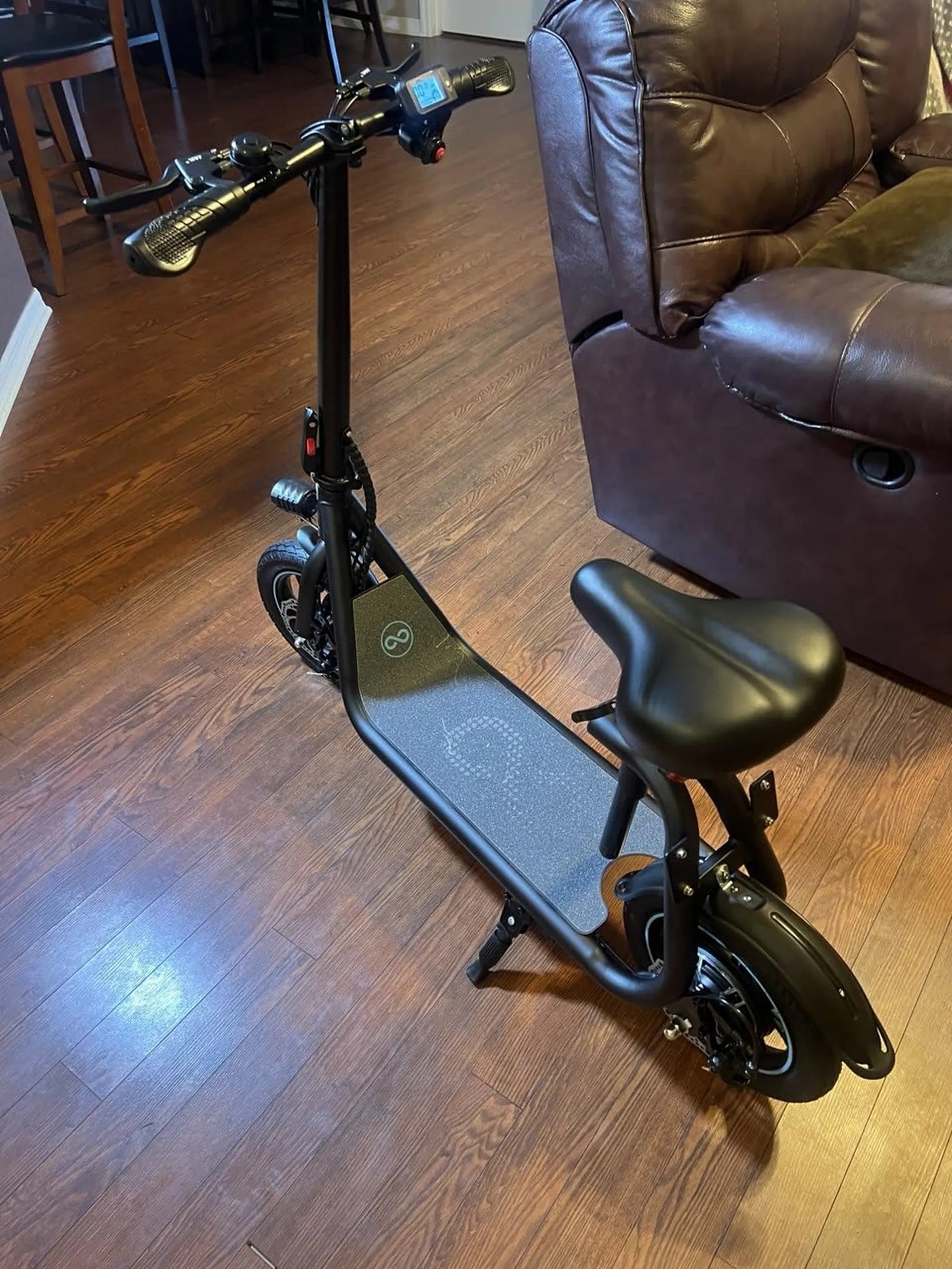
Introduction to the 50cc Stand-Up Scooter
For decades, the 50cc stand up scooter has been a staple of urban mobility. This compact, gas-powered vehicle is defined by its small 50 cubic centimeter engine and a design intended for standing operation. It carved out a niche for quick errands, short commutes, and last-mile transportation where cars were impractical.
Traditionally, these scooters offered a blend of affordability and utility. They required a fuel stop but no charging, and their simple mechanics were widely understood. However, the landscape of personal transportation is undergoing a profound shift. The modern commuter now prioritizes cleanliness, quiet operation, and low maintenance.
This guide will dissect the legacy of the classic 50cc stand up scooter. More importantly, it will map its core functions onto the superior technology of today's electric scooters and e-bikes. We will explore why electric alternatives are not just replacements but significant upgrades, offering a smarter way to navigate the city.
You will learn the key specifications to compare, understand the critical safety features, and discover how brands like Gyroor are engineering vehicles that deliver on the promise of hassle-free, eco-friendly commuting for over 100,000 riders.
The Evolution: From Gas to Electric Power
The traditional 50cc gas scooter operates on internal combustion. Its two-stroke or four-stroke engine mixes fuel and air, ignites it, and uses the resulting explosion to drive the wheels. This technology is mature and widely available, with gasoline stations on every corner.
The primary advantages of this system are refueling speed and, historically, lower upfront cost. You can fill a tank in minutes and be ready for another 100+ miles of travel. For many years, this made the 50cc stand up scooter a compelling choice for budget-conscious urban dwellers.
However, the drawbacks are significant and increasingly unacceptable. Gas engines produce direct emissions (CO2, NOx), contributing to urban air pollution. They are noisy, require regular maintenance like oil changes, spark plug replacements, and carburetor cleanings, and are subject to the volatile price of gasoline.
The rise of electric scooters marks a direct response to these pain points. Electric motors are powered by rechargeable lithium-ion batteries. They convert electrical energy directly into motion with near-silent operation and zero tailpipe emissions. This evolution represents a fundamental improvement in how we think about personal urban transport.
Key Advantages of Modern Electric Commuters
When comparing a modern electric scooter to a traditional 50cc stand up scooter, the benefits are clear and data-driven. The shift is not just about fuel type; it's about a better overall ownership experience.
Environmental Impact: Electric scooters produce zero direct emissions. Choosing an electric commuter directly reduces your personal carbon footprint and helps improve local air quality, a critical factor in dense urban environments.
Operational Cost: Electricity is far cheaper than gasoline. Charging a typical electric scooter costs mere cents, translating to an operational cost of about 1-2 cents per mile. A 50cc scooter, getting roughly 80-100 miles per gallon, costs 3-4 times more per mile at average gas prices, not including oil and filter changes.
Maintenance Simplicity: Electric drivetrains have drastically fewer moving parts than gas engines. There is no oil, no spark plugs, no air filters, and no complex transmission. Maintenance primarily involves checking tire pressure, brakes, and ensuring the battery is charged.
Convenience and Noise: Electric scooters are quiet, reducing noise pollution. They are often lighter and can be brought indoors for secure charging and storage. For lower-power models, many jurisdictions do not require a driver's license, registration, or insurance, unlike most 50cc vehicles.
What to Look For: Choosing Your Electric Stand-Up Commuter
Selecting the right electric vehicle requires translating the needs of a 50cc scooter user into specific electric criteria. Focus on performance, reliability, and safety features that guarantee a stress-free commute.
Start by assessing your daily travel distance. This determines the necessary battery range. Consider the maximum speed you need for your routes and whether you encounter steep hills, which demands a more powerful motor.
Build quality is non-negotiable. Look for reputable brands that use high-grade materials in the frame and deck. The quality of the battery management system and motor controller are just as important as the raw power ratings.
Finally, understand the local laws. Regulations for electric scooters and e-bikes vary by city and state. Knowing where you can legally ride and what the power/speed limits are will prevent future headaches and ensure a safe, compliant riding experience.
Critical Specs: Range, Speed & Power
Understanding specifications is key to making an informed choice. Motor wattage is the electric equivalent of engine displacement. A 500W motor is a common starting point, suitable for flat terrain, while 800W-1000W motors provide the torque needed for hills and faster acceleration, rivaling a 50cc engine's capability.
Battery capacity, measured in Watt-hours (Wh), directly determines your range. A 500Wh battery can typically deliver 15-25 miles of real-world range, depending on rider weight, terrain, and speed. This covers most daily commutes. For longer ranges, look for 600Wh+ batteries.
Top speed is often regulated. Many commuter scooters cap out at 20-25 mph, which matches or exceeds the typical urban speed of a 50cc scooter. Some performance models can reach 30+ mph. Always prioritize range and reliability over maximum speed for daily utility.
Build Quality & Safety for Daily Riding
For a vehicle you depend on daily, safety engineering is paramount. The battery is the heart of the system. Insist on UL-certified battery packs. This independent certification, used by brands like Gyroor, ensures the battery has passed rigorous tests for electrical, mechanical, and fire safety, protecting against the risks associated with cheap, uncertified cells.
Weather resistance is crucial. An IPX5 water-resistant rating means the scooter can withstand water jets from any direction. This allows you to ride in light rain and through puddles without worrying about water damage to electronics, a significant advantage over many exposed gas engine components.
The frame and braking system must inspire confidence. Look for aircraft-grade aluminum or reinforced steel frames. Dual braking systems—such as disc brakes combined with electronic regenerative braking—provide reliable stopping power in all conditions, a critical safety feature for urban riding.
Legal and Practical Considerations
The regulatory environment for electric personal vehicles is evolving. In most areas, electric scooters with a top speed under 20 mph are treated similarly to bicycles and can use bike lanes and paths. They often do not require a license, registration, or insurance.
This is a stark contrast to a 50cc stand up scooter, which is almost universally classified as a motor vehicle. Operating a 50cc scooter typically requires a valid driver's license (sometimes a motorcycle endorsement), vehicle registration, license plates, and liability insurance.
Always check your local municipal and state laws. Regulations can cover maximum wattage, speed limits, minimum rider age, and helmet requirements. Riding a compliant vehicle from a reputable brand like Gyroor ensures you are on the right side of the law and can ride with peace of mind.
Direct Comparison: 50cc Gas vs. Modern Electric Scooter
This table provides a clear, data-driven comparison between a typical 50cc stand up scooter and a modern electric commuter scooter, such as those in Gyroor's lineup.
| Feature | Traditional 50cc Gas Scooter | Modern Electric Commuter Scooter |
|---|---|---|
| Power Source | Gasoline (Combustion Engine) | Rechargeable Lithium Battery (Electric Motor) |
| Top Speed | ~30-40 mph | ~20-30 mph (varies by model/regulation) |
| Operational Cost | ~$0.10-$0.15 per mile (gas + maintenance) | ~$0.01-$0.02 per mile (electricity) |
| Refuel / Recharge | 5 mins at gas station | 4-8 hours at standard outlet |
| Range per "Fill" | 80-120 miles | 15-40 miles (covers most daily needs) |
| Emissions | Direct CO2 & NOx emissions | Zero direct emissions |
| Noise Level | Loud (engine & exhaust noise) | Near-silent operation |
| Routine Maintenance | Oil changes, spark plugs, air filters, belt | Brake pads, tire pressure, battery care |
| Typical License/Reg. | Driver‘s License, Registration, Insurance often required | Often treated as bicycle; no license/reg. for lower-speed models |
| Key Safety Standard | Vehicle lighting, brakes | UL-certified battery, IP water resistance, braking system |
Why Gyroor is the Smart Choice for Modern Commuters
Gyroor represents the logical and superior evolution of the personal commuter vehicle. For riders transitioning from a 50cc stand up scooter or entering the market for the first time, Gyroor builds products that prioritize reliability, safety, and value, trusted by a community of over 100,000 riders.
The brand’s philosophy centers on delivering a hassle-free ownership experience. This is achieved through rigorous engineering standards, premium components, and robust customer support. The goal is to provide a vehicle you can depend on daily without the mechanical worries associated with gas engines.
Every decision, from motor selection to software tuning, is made with the daily commuter in mind. The result is a lineup of electric scooters and e-bikes that offer predictable performance, intuitive controls, and the durability needed for year-round urban use. This focus makes Gyroor a standout choice for practical, eco-conscious transportation.
Engineered for Reliability and Peace of Mind
Gyroor’s core product promises directly address the shortcomings of both gas scooters and low-quality electric alternatives. The foundation of this reliability is the UL-certified battery pack. Tested for over 500 charge cycles, these batteries are designed for long-term stability and safety, eliminating a major concern for electric vehicle owners.
The IPX5 water-resistant rating is a game-changer for all-weather commuting. It ensures that rain or road spray won’t compromise the scooter’s electronics, providing a level of robustness that many gas scooters, with their exposed carburetors and electrical components, cannot match.
Backing it all is a comprehensive 1-year warranty on the vehicle and a dedicated US-based support team. This commitment to post-purchase support provides genuine peace of mind, ensuring that any issues are resolved promptly—a stark contrast to the often complex and costly repair process for a malfunctioning 50cc engine.
The Gyroor Line-Up: Finding Your Match
Gyroor’s range offers solutions for different types of commuters, each serving as a direct upgrade from a 50cc stand up scooter concept.
The Urban Commuter (Gyroor S1/S2 Series): These models are the perfect errand-runners and short-commute vehicles. With a focus on portability, smooth acceleration, and ranges of 15-25 miles, they excel at trips under 10 miles. Their compact foldable design makes them easy to store in an apartment or office, solving the parking problem permanently.
The Performance All-Rounder (Gyroor F1 Pro): For riders seeking a true car replacement, this class offers higher top speeds (25+ mph) and extended ranges (30+ miles). Equipped with more powerful motors (800W+), they handle hills with ease and provide a more substantial, stable ride. This is the ultimate vehicle for the commuter with a longer, more varied route.
The Versatile E-Bike (Gyroor C3): For those who prefer a seated ride but want electric assistance, Gyroor’s e-bikes offer the best of both worlds. They provide pedal-assist for exercise, a full-electric mode for effortless cruising, and often even greater range and cargo capacity. This is an ideal choice for mixed-use paths and riders who may have longer distances to cover.
Frequently Asked Questions (FAQ)
Q: How does the range of an electric scooter compare to a tank of gas on a 50cc?
A: A 50cc scooter can go 80-120 miles on a tank. A quality electric scooter typically offers 15-40 miles per charge. While this is less in absolute terms, it far exceeds the average daily commute (which is under 20 miles for most people). The trade-off is vastly lower operating cost and the convenience of charging at home overnight, like a smartphone.
Q: Is an electric scooter really cheaper to operate than a gas scooter?
A> Yes, significantly. Operating a 50cc scooter costs about 10-15 cents per mile (gas + oil). Operating an electric scooter like a Gyroor costs about 1-2 cents per mile in electricity. Over a year of regular use, the savings can amount to hundreds of dollars. You also save on avoided maintenance like oil changes and tune-ups.
Q: Do I need a license or registration to ride a Gyroor electric scooter?
A> For most Gyroor scooter models, which are designed for bike lane and path use with speeds up to 20-25 mph, you do not need a driver's license, vehicle registration, or insurance in the majority of US states and localities. This is a major advantage over 50cc scooters. Always verify specific regulations in your area.
Q: Can it handle hills as well as a 50cc scooter?
A> A well-built electric scooter with a motor of 800W or more can handle moderate hills effectively. While a 50cc engine might have a slight edge on very steep, sustained inclines due to its power band, modern electric motors deliver maximum torque instantly from a stop, making them excellent for typical urban hills. Models with dual motors excel in hilly areas.
Q: How do I maintain an electric scooter compared to a gas one?
A> Electric scooter maintenance is dramatically simpler. Forget about oil, spark plugs, and air filters. Your routine involves: 1) Keeping tires properly inflated, 2) Periodically checking and adjusting brake pads, 3) Cleaning the scooter with a damp cloth, and 4) Following proper battery care (avoiding full discharges, storing in moderate temperatures). It's a "set-it-and-forget-it" experience compared to the periodic engine maintenance of a gas scooter.
The Future of Urban Mobility is Electric
The journey from the traditional 50cc stand up scooter to the modern electric commuter is one of clear progress. Electric scooters and e-bikes deliver on the original promise of convenient, affordable urban transport while eliminating the noise, fumes, and mechanical complexity of their gas-powered predecessors.
The data is unequivocal: lower lifetime costs, reduced environmental impact, and simplified ownership make electric a smarter choice for the modern rider. When you choose a brand like Gyroor, you are not just buying a vehicle; you are investing in a reliable system engineered for safety and backed by proven support.
This shift represents more than a change in technology; it's a shift in mindset towards cleaner, quieter, and more sustainable cities. The 50cc stand up scooter served its purpose, but the future belongs to efficient, intelligent electric mobility.
Ready to experience the upgrade? Explore the full range of UL-certified, high-performance electric scooters and e-bikes designed for real-world commuting. Browse the full Gyroor collection at gyroorboard.com and find the perfect electric vehicle for your journey.
Micro Scooter Age: The Complete Guide to Choosing by Age & Ability
Folding Trike Bike: The Ultimate Guide to Stability, Portability & Freedom