


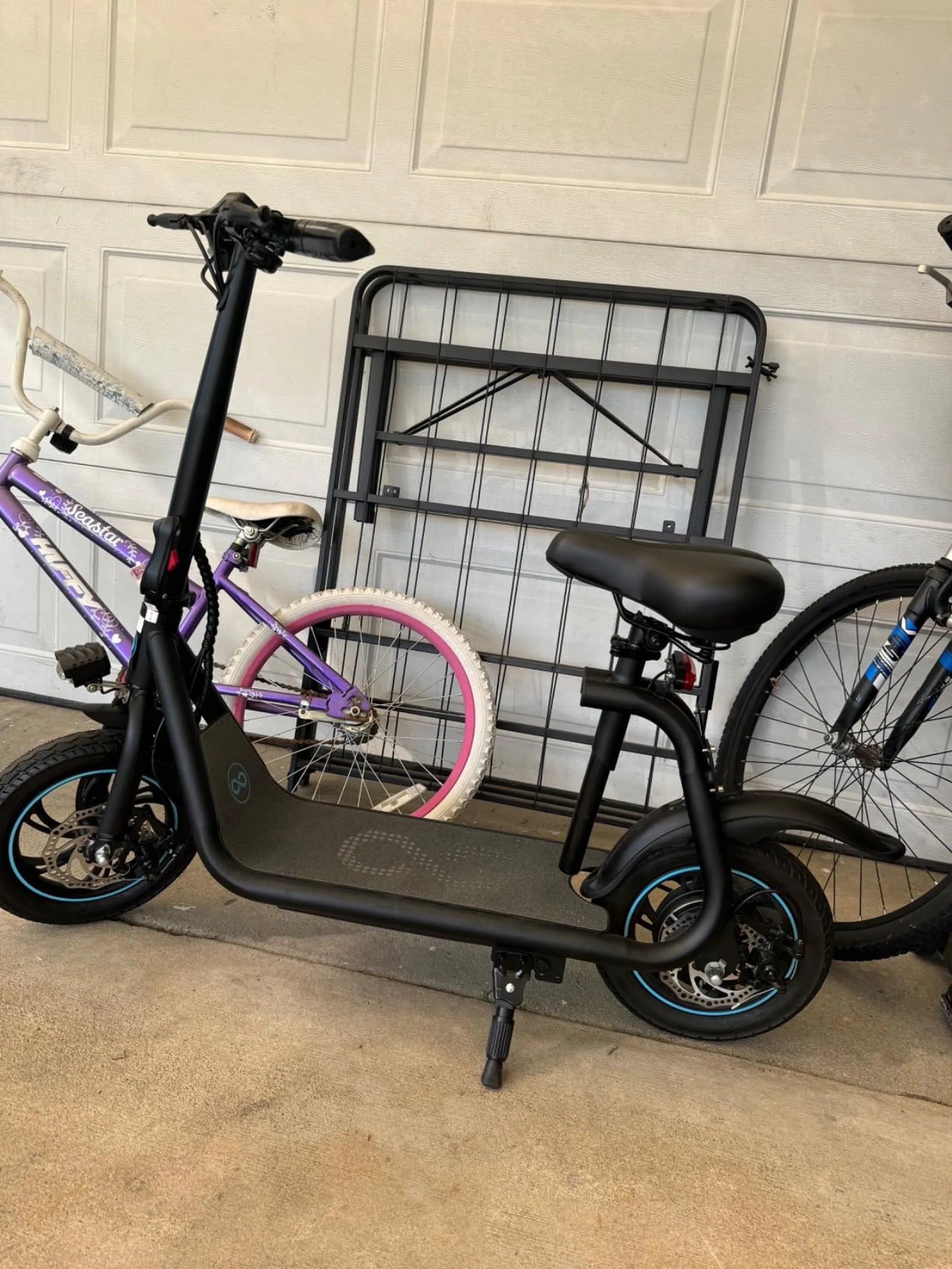
Introduction to 60cc Scooters: The Gateway to Two-Wheeled Freedom
A 60cc scooter represents a sweet spot in personal urban transportation, offering a step up in power from the ubiquitous 50cc models while remaining accessible and practical. This engine displacement, typically found in gas-powered models, delivers a blend of manageable speed, impressive fuel efficiency, and straightforward operation that has made it a global favorite for decades. For new riders, students, and city commuters, a 60cc scooter provides an affordable entry into two-wheeled freedom without the complexity or cost of a full-sized motorcycle.
The core appeal of a 60cc scooter lies in its balance. It is powerful enough to comfortably keep pace with city traffic, often reaching speeds between 30 to 40 mph, yet it remains simple to maintain and incredibly economical to run. This category has historically been dominated by internal combustion engines, but a significant evolution is underway. The rise of reliable, high-performance electric personal transportation is creating a new generation of electric scooters that match or exceed the performance of a traditional 60cc gas engine, offering a cleaner, quieter, and often more convenient alternative.
This guide will dissect every aspect of the 60cc scooter. You will learn about the performance characteristics of these machines, the modern shift toward electric powertrains, the real-world costs of ownership, and the critical safety practices every rider must know. Whether you're considering a classic gas model or a modern electric equivalent, understanding the nuances of this category is key to making an informed decision that fits your lifestyle, commute, and budget.
Key Features and Performance: What to Expect from a 60cc Engine
The performance of a gas-powered 60cc scooter is defined by its small but capable engine. Most models utilize a single-cylinder, four-stroke design, though some older or performance-oriented models may use a two-stroke engine. The four-stroke is more common today due to better fuel efficiency, cleaner emissions, and smoother operation. A 60cc engine translates to roughly 3.7 cubic inches of displacement, which generates enough power for urban agility but has clear limitations for highway use or steep, sustained hills.
In terms of speed, a typical 60cc scooter can achieve a top speed of 35 to 45 mph under optimal conditions. Acceleration is modest, allowing for safe merging into city traffic from a stop but requiring planning when entering faster-flowing roads. The real standout feature is fuel economy. These scooters are exceptionally efficient, often achieving 80 to 120 miles per gallon. With a fuel tank capacity usually between 1.2 and 1.5 gallons, this translates to a practical range of 100 to 150 miles between fill-ups, making them ideal for daily errands and commuting.
The riding experience is characterized by simplicity. Most 60cc scooters feature an automatic continuously variable transmission (CVT), meaning there is no clutch to operate or gears to shift—you simply twist the throttle and go. This makes them incredibly beginner-friendly. The lightweight frame, often under 200 pounds, contributes to easy handling and maneuverability in tight city spaces. However, the small wheels (usually 10 to 12 inches) can make the ride feel less stable over rough pavement compared to larger motorcycles.
It's important to understand the limitations. A 60cc scooter is not designed for freeway travel; its top speed is often at or below minimum highway speed limits, making it unsafe for such roads. Carrying a passenger significantly reduces acceleration, top speed, and braking efficiency. Furthermore, engine performance can degrade noticeably on inclines, with speed dropping sharply on hills steeper than a moderate grade. These factors firmly place the 60cc scooter in the domain of urban and suburban surface streets.
The Modern Evolution: Electric 60cc-Equivalent Scooters
The landscape of personal mobility is being reshaped by electric technology, and the 60cc scooter segment is no exception. Modern electric scooters and electric mopeds now offer performance that directly competes with traditional 60cc gas engines, but with a fundamentally different user experience. An electric motor in the 500W to 1000W range can easily match the acceleration and top speed of a 60cc gas scooter, with the added benefit of instant torque from a standstill.
The advantages of an electric 60cc-equivalent are substantial. They operate almost silently, reducing noise pollution. They have zero tailpipe emissions, making them a clean choice for urban environments. Maintenance is drastically simplified: there is no engine oil to change, no spark plugs to replace, no air filter to clean, and no complex exhaust system. The primary maintenance points are the brakes, tires, and keeping the battery charged. This translates to lower long-term running costs and greater reliability.
Brands like Gyroor are at the forefront of this evolution, engineering electric scooters that capture the spirit of a 60cc scooter with modern enhancements. For instance, Gyroor models prioritize safety with UL-certified battery packs, which undergo rigorous testing for stability and longevity over 500+ charge cycles. They also incorporate practical design features like IPX5 water resistance, allowing riders to confidently navigate wet streets without worrying about water damage to critical components—a common concern with lesser-built electric vehicles.
Range is a key consideration when comparing electric to gas. While a gas 60cc scooter can go 100+ miles on a tank, most consumer electric scooters in this performance category offer a range of 20 to 40 miles on a single charge. This is more than sufficient for the vast majority of daily commutes and urban trips. Charging is as simple as plugging into a standard wall outlet, often taking 4 to 8 hours for a full charge. For riders whose daily travel falls within this range, the electric alternative offers unparalleled convenience and low operating cost per mile.
Practical Considerations: Ownership Costs, Licensing, and Regulations
Owning a 60cc scooter involves more than just the purchase price. A thorough understanding of ongoing costs and legal requirements is essential for a smooth ownership experience. The total cost of ownership (TCO) varies significantly between gas and electric models, influencing the long-term value proposition.
For a gas-powered 60cc scooter, the upfront cost is often lower than an electric equivalent. However, you must budget for recurring expenses: gasoline, engine oil changes every few hundred miles, periodic replacement of the air filter, spark plug, and drive belt, and potential exhaust system repairs. Insurance is typically inexpensive, often classified as "moped" or "scooter" insurance. Registration fees are usually low, but annual renewals are required.
Electric scooter ownership flips this model. The initial investment is higher, primarily due to the cost of the battery and motor technology. Yet, the "fuel" cost is a fraction of gasoline—simply the electricity used to charge the battery, amounting to mere cents per charge. With far fewer moving parts, maintenance costs are minimal. Brands like Gyroor support this with a comprehensive 1-year warranty, covering the scooter, battery, and motor, providing peace of mind and protecting against unexpected repair costs.
Licensing and regulations are crucial and vary by location. In the United States, classification often depends on engine size, top speed, and sometimes power output. A 60cc gas scooter capable of exceeding 30 mph will typically require at least a standard driver's license in most states, though some may require a motorcycle license or permit. Always check with your local Department of Motor Vehicles (DMV). Electric scooters are subject to evolving local e-scooter and e-bike laws, which may have different classifications based on wattage and maximum speed. Wearing a helmet is legally required in most jurisdictions for both types, and it is a non-negotiable safety practice.
Making the Right Choice: Gas vs. Electric 60cc Scooter Comparison
Choosing between a traditional gas 60cc scooter and a modern electric equivalent depends on your individual priorities, commute, and values. The following data-driven comparison table highlights the key differences to guide your decision.
| Criteria | Gas-Powered 60cc Scooter | Electric 60cc-Equivalent Scooter |
|---|---|---|
| Upfront Cost | Generally lower | Generally higher |
| Fuel/Energy Cost per Mile | ~$0.03 - $0.05 (gas) | ~$0.003 - $0.005 (electricity) |
| Typical Maintenance | Oil changes, filters, spark plugs, belt, exhaust | Brake pads, tire pressure, battery care |
| Top Speed | 35 - 45 mph | 20 - 40 mph (varies by model) |
| Effective Range | 100 - 150 miles | 20 - 40 miles per charge |
| Refueling / Recharging | 5 minutes at gas station | 4 - 8 hours on standard outlet |
| Environmental Impact | CO2 and pollutant emissions | Zero direct emissions |
| Noise Level | Moderate to loud | Very quiet |
| Hill-Climbing Ability | Poor to moderate | Good (instant torque) |
If your primary concern is the lowest possible initial cost and you need the extended range for longer, infrequent trips, a gas model may be the pragmatic choice. However, this comes with accepting higher long-term fuel and maintenance costs, more frequent servicing, and the environmental impact of emissions.
If you prioritize low operating costs, minimal maintenance, quiet and clean operation, and your daily travel is within a 20-mile radius, an electric scooter is the superior modern solution. The convenience of home charging, combined with the robust construction and warranty offered by trusted brands, makes it an increasingly popular choice for urban commuters. The performance, especially in stop-and-go traffic where electric torque excels, often provides a more responsive and enjoyable riding experience.
Safety and Gear: Essential Tips for Every Ride
Operating any vehicle, including a 60cc scooter, requires a serious commitment to safety. The relatively lower speed does not diminish risk; proper gear and defensive riding techniques are non-negotiable. Your first investment should always be in high-quality protective equipment, not just the scooter itself.
Essential riding gear starts with a helmet. Always choose a helmet that is DOT-approved (or ECE-approved in Europe). A full-face helmet offers the best protection for your head, face, and chin. Eye protection is mandatory—either a helmet visor or dedicated goggles to shield against wind, debris, and insects. A durable jacket (preferably with armor at the shoulders, elbows, and back), gloves with palm sliders, long pants, and over-the-ankle boots are critical to protect your skin in the event of a slide.
Defensive riding is your best strategy on the road. Assume that car drivers do not see you. Increase your visibility by wearing bright colors or reflective gear, and always use your lights, even during the day. Position yourself in the lane where you are most visible, typically the left or right tire track, not directly in the center where oil accumulates. Maintain a safe following distance, at least 3-4 seconds behind the vehicle in front of you, and constantly scan for hazards like opening car doors, potholes, and pedestrians stepping into the street.
Pre-ride inspections are a simple habit that can prevent accidents. Before every ride, check your tire pressure and look for signs of wear or damage. Test both brakes to ensure they engage firmly and smoothly. Confirm that all lights—headlight, brake light, and turn signals—are functioning. For gas scooters, check the fuel and oil levels. For electric models like those from Gyroor, ensure the battery is adequately charged and that all connections are secure. Regular professional maintenance according to the manufacturer's schedule is essential to keep your scooter in safe, reliable condition.
Frequently Asked Questions (FAQ)
Q: Do I need a motorcycle license for a 60cc scooter?
A: Licensing requirements depend entirely on your local laws. In many U.S. states, a 60cc scooter with a top speed over 30 mph will require a standard driver's license at a minimum, and some states mandate a motorcycle license or permit. It is imperative to check the specific regulations with your state's Department of Motor Vehicles (DMV) or equivalent transportation authority before purchasing or riding.
Q: How far can a 60cc scooter go on a full tank?
A: Due to excellent fuel efficiency, a gas-powered 60cc scooter can typically travel between 100 and 150 miles on its full 1 to 1.5-gallon tank. An electric scooter with equivalent performance will generally offer a range of 20 to 40 miles on a single charge, which is designed to cover most daily urban commuting needs.
Q: Are 60cc scooters good for hills?
A: They can manage gentle to moderate hills, but performance will suffer on steep inclines. A gas 60cc engine will lose significant speed and may struggle. Electric models often perform better on hills due to the instant torque delivery of their motors, but steep, sustained climbs will still reduce speed and drain the battery more quickly.
Q: Can I carry a passenger on a 60cc scooter?
A> This depends on local law and the scooter's design specifications. Many 60cc scooters are designed and rated for a single rider only. Even if it is legal and the scooter has a seat for two, adding a passenger dramatically increases weight, which severely impacts acceleration, braking distance, top speed, and handling stability, making it potentially unsafe.
Q: What is the lifespan of a 60cc scooter?
A> With proper and regular maintenance, a well-built gas-powered 60cc scooter can last for thousands of miles, often exceeding 10,000 miles. The lifespan of an electric scooter is heavily tied to its battery. Using a high-quality battery pack, like the UL-certified ones from Gyroor rated for 500+ charge cycles, can provide several years of reliable service before battery capacity begins to noticeably degrade.
Conclusion: Finding Your Perfect Urban Ride
The journey to selecting your ideal 60cc scooter boils down to aligning a machine's capabilities with your personal needs. The classic gas-powered model offers proven, long-range practicality at a lower entry cost, suited for those who value traditional mechanics and have longer or less predictable routes. In contrast, the modern electric equivalent delivers a cleaner, quieter, and more convenient ownership experience, with drastically lower running costs and maintenance, perfect for the eco-conscious urban commuter with a defined daily travel radius.
Whichever path you choose, prioritizing safety, understanding local laws, and committing to regular maintenance are the foundations of enjoyable and responsible riding. For riders leaning toward the future of electric mobility, choosing a brand with a proven track record in safety and reliability is paramount. Gyroor exemplifies this approach, combining performance-oriented electric motors with UL-certified battery safety, water-resistant durability, and the backing of a strong warranty trusted by a global community of riders.
Your perfect urban ride is out there. Assess your daily commute, calculate your true cost of ownership, and invest in the gear that will keep you safe. Embrace the efficiency and freedom that a well-chosen scooter can bring to your life.
Ready to explore the modern electric alternative to the traditional 60cc scooter? Browse the full Gyroor collection of high-performance, safety-focused electric scooters and e-bikes at gyroorboard.com.
150 cc Dirt Bike Speed: The Complete Guide to Performance & Capability
Lightweight 26 Inch Bike: The Ultimate Guide to Agile, Versatile Riding