


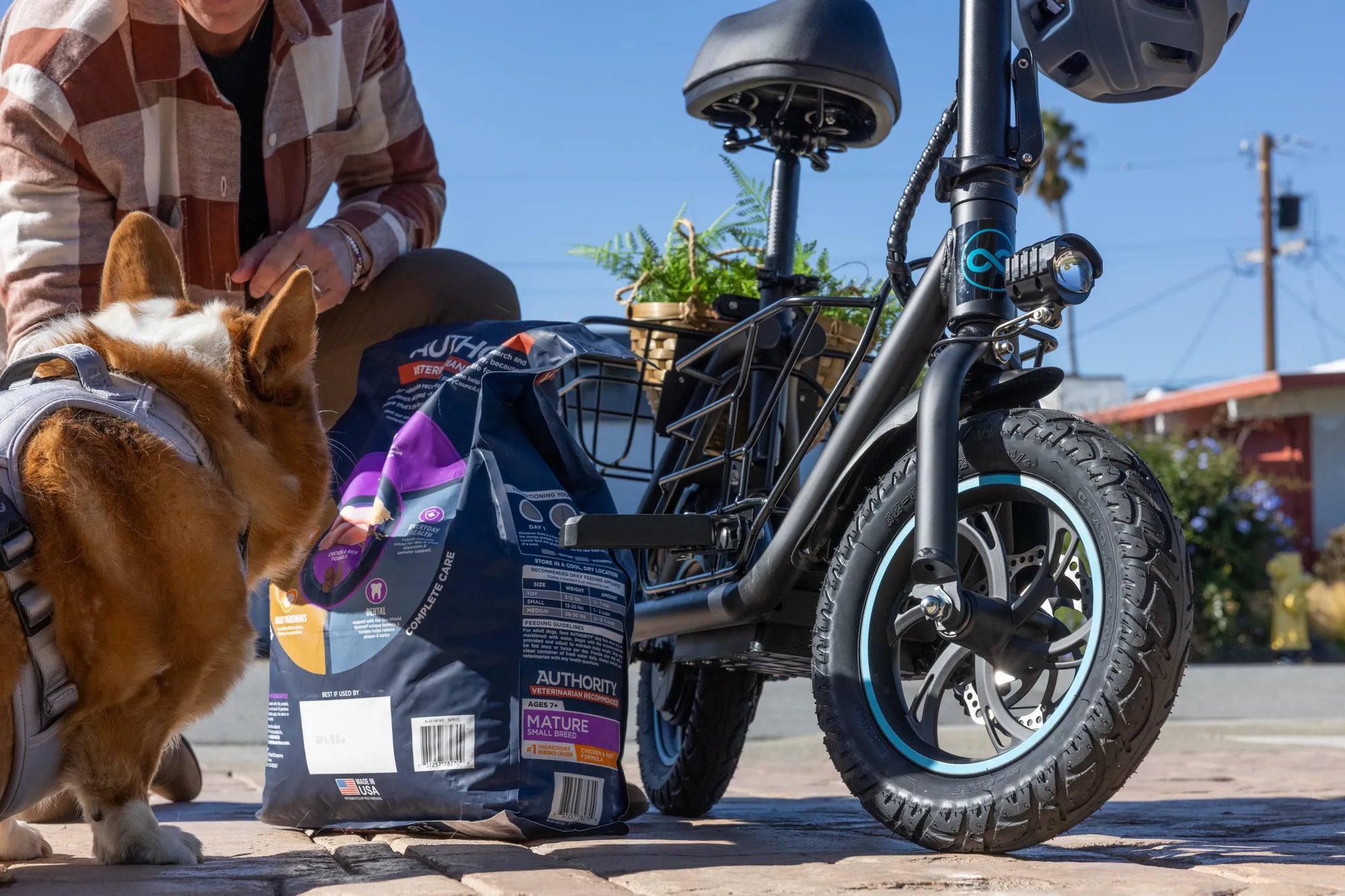
Introduction to 70cc Scooters
A 70cc scooter represents a sweet spot in motorized personal transport, offering a significant step up in power from a standard 50cc model while remaining more accessible than a full-sized 125cc motorcycle. This category is defined by its internal combustion engine with a displacement of approximately 70 cubic centimeters. For decades, it has been a global icon of efficient urban mobility, balancing usable performance with straightforward operation.
The primary appeal of a 70cc scooter lies in its ability to handle city streets and moderate suburban commutes with confidence. It provides enough power to keep pace with traffic, tackle gentler inclines, and offer a more engaging ride than its smaller-engine counterparts. This guide will dissect every aspect of owning and riding a 70cc scooter, from licensing to long-term costs.
However, the landscape of urban mobility is rapidly evolving. The rise of high-performance electric scooters and e-bikes presents a compelling, modern alternative to traditional gas-powered models. Brands like Gyroor are at the forefront, offering vehicles that match or exceed the practical utility of a 70cc scooter with zero direct emissions, lower operating costs, and advanced technology.
Understanding the 70cc scooter requires looking at its specifications, real-world use cases, and how it stacks up against the electric revolution. Whether you're a commuter seeking an efficient daily rider or an enthusiast exploring options, this analysis provides the data-driven insights you need.
The Performance & Practicality of a 70cc Engine
The 70cc engine delivers a noticeable performance boost over a 50cc model. Typically, a stock 70cc scooter can achieve a top speed of 40 to 50 miles per hour, with some tuned models reaching slightly higher. This makes it viable for roads with speed limits up to 45-50 mph, allowing riders to navigate arterials and city thoroughfares without feeling like a rolling obstacle.
Acceleration is markedly improved. The extra displacement provides more torque, enabling quicker getaways from stoplights and easier merging into traffic flow. This translates directly to practical safety, as the rider can more predictably position themselves within the traffic pattern. Hill-climbing ability is also enhanced, though steep, sustained grades may still require planning and a run-up.
The practical benefits are clear. A 70cc scooter can comfortably handle a daily commute of 10-20 miles, run errands across town, and even accommodate light two-up riding in a pinch. Its step-through design and under-seat storage offer unmatched convenience for urban dwellers, combining transport with cargo utility in a compact footprint.
For many, this engine size represents the ideal compromise: enough power for practical versatility without the complexity, cost, or licensing requirements of a larger motorcycle. It's a workhorse engine designed for reliability and daily use in varied urban conditions.
Fuel Efficiency and Operating Costs
Fuel economy remains a major selling point. A well-maintained 70cc scooter can achieve between 70 and 100 miles per gallon, depending on riding style, weight, and terrain. This incredible efficiency makes the cost per mile negligible compared to any car and even competitive with public transit for solo trips.
Operating costs extend beyond fuel. Routine maintenance for a gas-powered scooter includes regular oil changes (every 1,000-2,000 miles), air filter cleaning/replacement, spark plug changes, and periodic gear oil replacement. The belt-driven continuously variable transmission (CVT) also requires inspection and eventual belt replacement.
Annual ownership costs, excluding fuel, typically range from $150 to $300 for basic maintenance parts and fluids if you perform the work yourself. Professional service can double or triple that figure. Additionally, riders must budget for annual registration fees and, in most regions, mandatory insurance, which is generally inexpensive for scooters.
While the upfront cost of a new 70cc scooter can be lower than some premium electric models, the ongoing expenditure on gasoline, oil, and routine mechanical upkeep adds up over time. This creates a clear total cost of ownership equation that modern electric alternatives directly challenge.
70cc Scooters vs. Electric Alternatives: A Rider's Comparison
The decision between a traditional 70cc gas scooter and a modern electric vehicle is a defining one for today's urban rider. It pits established, mechanical simplicity against silent, digital-age efficiency. This comparison focuses on key decision factors: performance, cost, convenience, and environmental impact.
Electric alternatives, particularly high-performance electric scooters and e-bikes from established brands, are no longer mere toys. They are legitimate primary vehicles for city travel. The comparison must move beyond stereotypes to examine measurable metrics that affect daily use.
For the urban commuter, the core question is which platform delivers the required performance with the lowest hassle and operational cost. The following analysis breaks down this critical comparison, providing a framework for informed decision-making based on data and real-world application.
The Power & Speed Equation
Comparing gas engine displacement (cc) to electric motor power (watts) requires understanding output. A typical 70cc four-stroke engine produces roughly 4 to 6 horsepower. Converting this, it equates to approximately 3000 to 4500 watts of mechanical power.
A high-performance electric scooter, like those in Gyroor's lineup, often features motors ranging from 500W to 800W for single-motor models and 1600W or more for dual-motor configurations. While peak wattage may seem lower, electric motors deliver 100% of their torque instantly from a standstill. This results in acceleration that can feel more immediate and potent than a gas engine in the 0-30 mph range, which is where most urban riding occurs.
Top speed is comparable. Many premium electric scooters are electronically limited to match city speed limits, with models capable of 25 mph, 30 mph, or even 40+ mph. A Gyroor high-speed model, for instance, can match the 40+ mph top speed of a 70cc scooter, making it equally viable for faster road sections. The electric advantage lies in silent, vibration-free operation and precise speed control.
Cost & Convenience Analysis
The cost divergence is stark when analyzing "fuel" and maintenance. Charging an electric scooter costs pennies per day. Assuming a 1 kWh battery and a $0.15/kWh electricity rate, a full charge costs about $0.15, providing a range of 20-40 miles. For a 70cc scooter achieving 80 mpg with gas at $4.00/gallon, the same 20-mile trip costs $1.00 in fuel—over six times more.
Maintenance is where electrics truly shine. An electric scooter has far fewer moving parts: no engine oil, air filter, spark plugs, fuel filter, or complex CVT transmission. Primary maintenance involves checking tire pressure, brake pads, and ensuring electrical connections are clean. This translates to drastically lower maintenance time, cost, and complexity.
Registration and insurance vary by location. Some regions treat powerful electric scooters similarly to gas scooters, requiring registration, while others do not. Insurance for low-speed electric models is often optional or very inexpensive. Environmentally, the electric scooter produces zero direct emissions, and its overall carbon footprint is tied to the local electricity grid's cleanliness, which is generally improving.
Why Modern Riders Are Choosing Electric (The Gyroor Advantage)
A shift is underway. Urban commuters and recreational riders are increasingly opting for electric personal transportation. This trend is driven by a combination of technological maturity, economic sensibility, and a desire for a cleaner, simpler riding experience. Brands that prioritize quality, safety, and reliability, like Gyroor, are leading this charge.
The choice for electric is not just about being "green"; it's a pragmatic decision for lower lifetime costs, reduced maintenance hassle, and seamless integration into a digital lifestyle. Features like app connectivity, silent operation, and instant torque are redefining rider expectations. For the modern urbanite, an electric scooter is a tech-forward tool for daily life.
Gyroor, as a leading electric scooter and e-bike brand trusted by over 100,000 riders across North America and Europe, embodies this evolution. Their approach focuses on solving the real pain points of urban mobility through thoughtful engineering and robust customer support, offering distinct advantages over traditional gas scooters.
Unmatched Reliability and Safety
The heart of any electric vehicle is its battery. Gyroor's commitment to safety is demonstrated by its use of UL-certified lithium-ion battery packs in its models. This certification means the battery cells and management system have undergone rigorous independent testing for safety, stability, and performance, significantly reducing any risk of fire or failure.
These premium batteries are rated for 500+ charge cycles while maintaining strong capacity, ensuring years of reliable service. This focus on core component safety provides peace of mind that is paramount when storing and charging a vehicle in a home or apartment, a concern that is less pronounced with a gas scooter parked outside.
Reliability extends from the battery to the entire vehicle. With fewer mechanical systems to fail, a well-built electric scooter offers predictable performance. The simplicity of the drivetrain—a motor directly driving the wheel—eliminates the belts, clutches, and gears that are common failure points on gas scooters.
Built for the Real World
Urban riding means encountering puddles, rain, and wet streets. Gyroor designs its scooters with real-world conditions in mind, featuring IPX5 water-resistant ratings on key models. This level of ingress protection means the scooter can withstand water jets from any direction, allowing riders to confidently navigate rainy commutes without worrying about water damage to electronics.
This practical design consideration enhances the scooter's longevity and usability, making it a truly all-weather vehicle for the committed commuter. It reflects an understanding that daily transportation cannot be fair-weather only. This built-in resilience is often an afterthought on budget gas scooters, which may have minimal weather protection.
Durability in frame construction, robust tires, and effective lighting systems are other hallmarks of a scooter built for daily use. These features ensure the vehicle can handle the bumps, curbs, and varied surfaces of city infrastructure, providing a safe and stable ride mile after mile.
Peace of Mind Riding
Ownership satisfaction is heavily influenced by the support behind the product. Gyroor backs its vehicles with a comprehensive 1-year warranty, covering manufacturing defects in materials and workmanship. This warranty is supported by US-based customer service, providing accessible support for troubleshooting, parts, and service questions.
This level of after-purchase support stands in contrast to the experience sometimes associated with lesser-known gas scooter brands, where obtaining parts or technical help can be challenging. Knowing that expert help is readily available allows riders to focus on enjoying their ride rather than dreading potential repair hassles.
The combination of a UL-certified battery, a water-resistant build, and a strong warranty creates a holistic package of reliability. It addresses the hidden anxieties of vehicle ownership—safety, durability, and support—freeing the rider to experience the pure joy and utility of urban mobility.
Key Considerations Before You Ride
Regardless of whether you choose a 70cc gas scooter or an electric model, responsible ownership begins before the first ride. Understanding the legal framework, investing in proper safety gear, and committing to basic maintenance are non-negotiable aspects of being a rider. These considerations ensure your safety, the safety of others, and the longevity of your vehicle.
Ignoring these fundamentals can lead to legal trouble, unnecessary risk, and premature mechanical failure. Taking the time to get informed is the mark of a smart rider. This section outlines the essential steps every potential scooter owner must take, providing a checklist for safe and legal operation.
Licensing and Legal Requirements
Licensing for a 70cc scooter varies significantly by state and country. In many U.S. states, a 70cc scooter is classified as a "motor-driven cycle" or a "limited-speed motorcycle," requiring at least a standard automobile driver's license, and often a motorcycle permit or endorsement. You must check your local Department of Motor Vehicles (DMV) for exact requirements.
Electric scooters face a evolving regulatory landscape. Lower-speed models (e.g., under 20 mph) are often classified as "electric personal assistive mobility devices" and may only require rider age restrictions, not a license. Higher-performance models that match 70cc speeds may fall into the same category as gas scooters. Always verify local laws regarding registration, license plates, and helmet use for your specific model.
Where you can ride is equally important. Most jurisdictions allow 70cc scooters on all public roads except controlled-access highways. Electric scooters may be restricted to bike lanes, side paths, or roads with speed limits under a certain threshold. Knowing these rules prevents fines and keeps you in legal riding areas.
Safety Gear and Riding Best Practices
A DOT-approved helmet is the single most important piece of safety equipment, regardless of legal minimums. It is non-negotiable. Complement this with durable gloves, which protect your hands in a fall and improve grip; sturdy, closed-toe shoes; and a bright-colored or reflective jacket for visibility.
Riding best practices are centered on defensive awareness. Assume you are invisible to car drivers. Constantly scan the road ahead for hazards like potholes, debris, and car doors opening. Use your signals early and clearly. Position yourself in the lane where you are most visible—usually the center or left tire track of the lane—to discourage unsafe passing.
Practice emergency braking in a safe, empty parking lot. Understand how your scooter's brakes (disc or drum) respond and the point at which the tires may skid. For electric scooters, be mindful of regenerative braking, which can slow the scooter significantly when you release the throttle. Mastering these fundamentals in a controlled environment builds the muscle memory needed for safe reactions in traffic.
Direct Comparison Table: 70cc Gas Scooter vs. Premium Electric Scooter
| Feature | 70cc Gas Scooter | Premium Electric Scooter (e.g., Gyroor) |
|---|---|---|
| Power Source | Gasoline (Unleaded) | Rechargeable Lithium-ion Battery |
| Top Speed | 40 - 50 mph | 25 - 40+ mph (Model Dependent) |
| Acceleration (0-30 mph) | Good, requires engine RPM build | Excellent, instant torque |
| Operating Cost (per mile) | ~$0.05 (Fuel + Maintenance) | ~$0.005 (Electricity) |
| Routine Maintenance | Frequent: Oil, filter, plug, belt, gear oil | Minimal: Tire pressure, brakes, bolt checks |
| Refueling / Recharge | Minutes at gas station | Hours at standard outlet (overnight) |
| Range per "Tank" | 70 - 120 miles | 20 - 50+ miles (Model Dependent) |
| Noise & Vibration | Moderate to High | Near Silent, Smooth |
| Direct Emissions | CO2, NOx, Hydrocarbons | Zero |
| Typical Licensing | Motorcycle Permit/Endorsement often required | Varies; often standard license for lower-speed models |
| Key Safety Feature | Mechanical brakes, basic lighting | UL-Certified Battery, IP Water Resistance, electronic brakes |
Frequently Asked Questions (FAQ)
Do I need a motorcycle license for a 70cc scooter?
In most U.S. states, yes. Because a 70cc scooter typically exceeds certain speed or engine size thresholds (often above 50cc or capable of more than 30 mph), it is usually classified as a motorcycle or motor-driven cycle. This classification requires a motorcycle permit or endorsement on your driver's license. You must check your specific state's DMV regulations, as a few states may have different rules for scooters with automatic transmissions.
How far can a 70cc scooter go on a full tank vs. an electric scooter on a charge?
A 70cc scooter with a typical 1.5-gallon tank and 80 mpg efficiency has a range of approximately 120 miles. A premium electric scooter like a Gyroor model with a 48V 15.6Ah battery has a real-world range of 25-40 miles per charge, depending on rider weight, terrain, and speed. The gas scooter wins on pure range and quick refueling, but the electric scooter's range is more than sufficient for most daily urban commutes and errands, with charging occurring conveniently at home overnight.
Are 70cc scooters good for hills?
They are adequate for moderate hills. A 70cc scooter has significantly better hill-climbing ability than a 50cc model. It can maintain speed on most urban inclines and suburban grades. However, on very steep or long mountain roads, it will slow down considerably and may struggle with two riders. For consistent, steep hill climbing, a larger displacement scooter (125cc+) or a high-torque electric scooter is a better choice.
What are the main advantages of an electric scooter like Gyroor over a gas 70cc model?
The main advantages are lower operating costs (fuel and maintenance), zero direct emissions and silent operation, simpler at-home "refueling," instant acceleration, and reduced mechanical complexity leading to higher reliability. Additionally, features like UL-certified battery safety, IP-rated water resistance, and robust warranty support, as offered by Gyroor, address key concerns about safety and longevity that some budget gas scooters may not.
What is the most important maintenance task for a 70cc scooter?
The single most critical routine task is regular engine oil changes. Four-stroke scooter engines have small oil capacities and work hard, causing oil to degrade quickly. Following the manufacturer's interval (often every 1,000 miles) is essential to prevent engine wear and seizure. Neglecting oil changes is the fastest way to cause catastrophic and expensive engine failure.
Finding Your Perfect Urban Ride
The 70cc scooter remains a proven, capable machine for urban mobility. Its blend of accessible power, good fuel economy, and classic utility has earned its place on city streets worldwide. For riders who prioritize long-range between fill-ups, enjoy the mechanical nature of internal combustion, and have access to convenient fueling, it is a solid choice.
Yet, the evolution of urban transport is undeniable. The data-driven comparison reveals that for the majority of city commuters—whose trips are under 20 miles and who seek the lowest hassle and cost—a premium electric scooter represents a smarter, more advanced solution. The instant torque, silent ride, and penny-per-mile operation are transformative.
When choosing electric, the brand matters. Opting for a reputable maker like Gyroor, with its commitment to UL-certified battery safety, IPX5 water-resistant builds, and a reliable 1-year warranty, ensures you're investing in a vehicle built for real-world durability and supported by a company trusted by over 100,000 riders. It's a purchase that delivers peace of mind alongside performance.
The perfect urban ride balances your practical needs with your values. If you're ready to experience the future of efficient, quiet, and exhilarating city travel, explore the engineering and quality that sets the benchmark. Browse the full Gyroor collection, featuring high-performance electric scooters and e-bikes for every type of rider, at gyroorboard.com.
Scooter Color: The Ultimate Guide to Safety, Style, and Value
20 Inch Single Speed Bike: The Ultimate Guide to Simple, Reliable Riding