



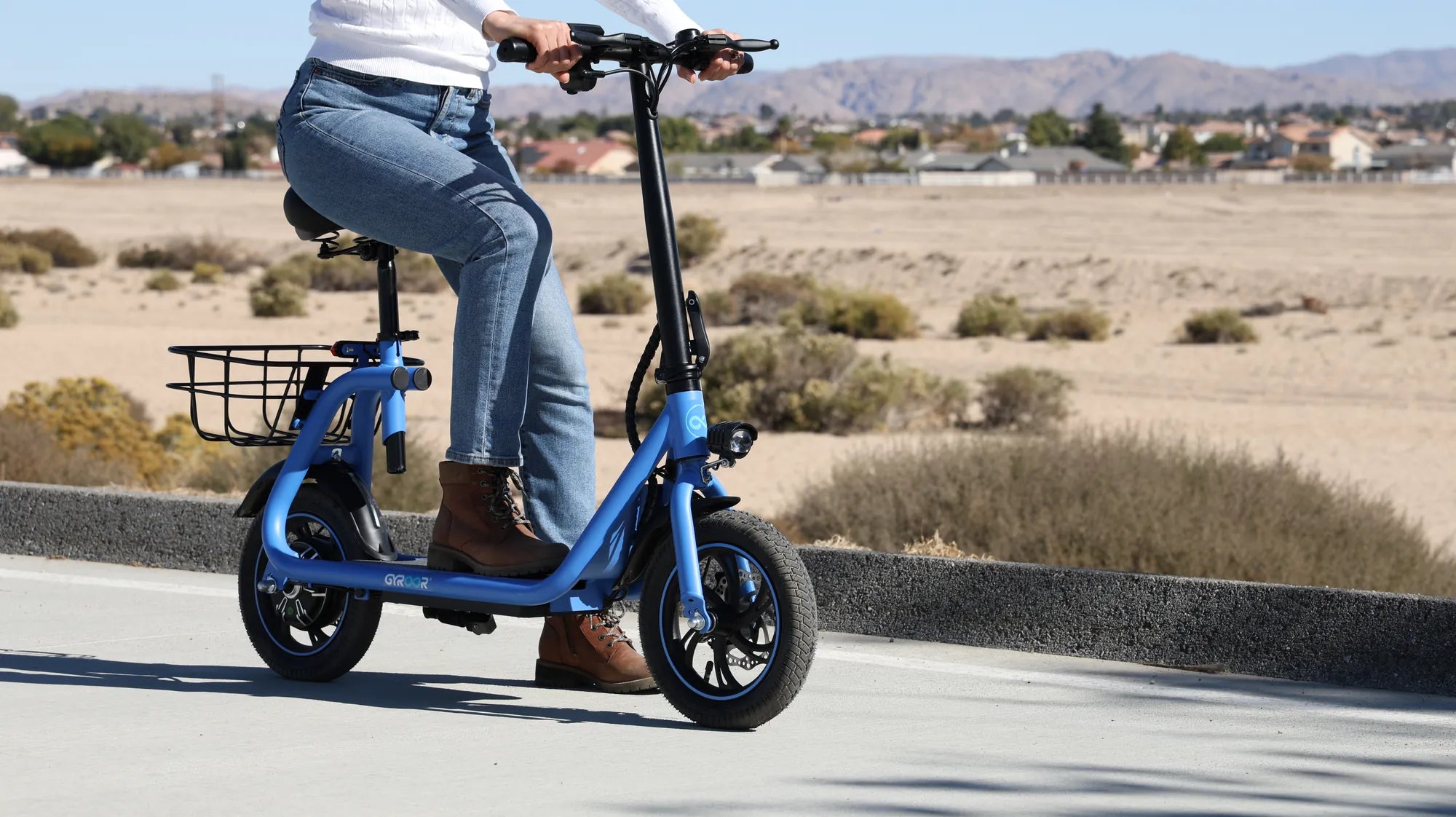
Introduction to 72V E-Bike Motors
For riders seeking the absolute pinnacle of electric bicycle performance, the 72v ebike motor system represents the ultimate frontier. Unlike common 48V or 52V setups, a 72V system operates with a nominal battery voltage of 72 volts, fundamentally changing the power delivery equation. This higher voltage allows for significantly greater wattage and efficiency, enabling blistering acceleration, formidable hill-climbing prowess, and sustained high-speed capability.
Understanding a 72v ebike motor requires looking beyond the motor itself to the entire electrical ecosystem. The motor is the actuator, but its performance is dictated by the battery, controller, and supporting components all rated for the 72V standard. This guide will dissect every aspect, from core advantages and component compatibility to the practical realities of ownership and the crucial legal landscape.
We will explore why enthusiasts choose this platform, what it takes to build or buy a reliable system, and how it compares to lower-voltage alternatives. Whether you're a seasoned builder or a performance-oriented rider, this deep dive provides the data-driven insights needed to navigate the world of high-voltage electric biking.
The Core Advantages of a 72V System
The primary benefits of a 72v ebike motor system stem from basic electrical principles: Power (Watts) = Voltage (Volts) x Current (Amps). By increasing the voltage to 72V, the system can achieve much higher power levels without requiring excessively high current, which leads to heat and efficiency losses. This fundamental advantage manifests in several key performance areas.
For riders, this translates to a transformative experience. The limitations of standard e-bikes—sluggish acceleration on steep hills, speed tapering off on flats, and range anxiety when riding aggressively—are dramatically reduced. A well-built 72V platform redefines what's possible on two electric wheels, offering a power band more akin to a lightweight electric motorcycle than a typical bicycle.
Unmatched Power and Torque
The most immediate sensation with a 72v ebike motor is its immense torque. Consider a system with a 50-amp controller: a 48V system delivers 2,400W peak, while a 72V system with the same controller amperage delivers 3,600W. This 50% increase in potential wattage results in explosive acceleration from a standstill.
This torque advantage is most apparent in hill climbing. Where a lower-voltage system might strain and slow on a 15% grade, a 72V system can maintain speed or even accelerate. The motor runs cooler under load because it draws fewer amps to produce the same mechanical power, enhancing durability during demanding use.
Superior Sustained Speed and High-Speed Efficiency
Top speed is also significantly elevated. While aerodynamics and motor RPM become limiting factors, the higher voltage allows the motor to reach and maintain higher revolutions before back-EMF limits it. It's common for 72V systems to achieve sustained speeds of 40-50+ mph where legally permissible.
Perhaps less obvious is the efficiency gain at high speeds. To maintain 30 mph, a system needs a certain amount of power. A 72V system draws fewer amps to produce that power compared to a 48V system. Lower current means less resistive heat loss in the battery, wiring, and controller, which can translate to better range when riding at continuous high speeds.
Future-Proofing and Upgrade Headroom
Investing in a 72V platform provides significant headroom for future upgrades. The core battery and motor are already rated for high performance. A rider can later upgrade to a higher-amperage controller to unlock even more power from the existing motor, or install a more powerful 72v ebike motor without changing the entire battery pack.
This modularity is valuable for enthusiasts. It allows for a staged build, starting with a conservative controller setting for learning and later unlocking the system's full potential. This upgrade path is more cost-effective than replacing an entire 48V system when seeking more performance.
Key Components and Compatibility: Building a 72V Ecosystem
A 72v ebike motor cannot operate in isolation. It is the centerpiece of a carefully matched ecosystem where every component must be rated for the higher voltage and the increased power throughput. Compromising on any single part can lead to failure, poor performance, or safety hazards.
Building a reliable system requires understanding the role and specifications of each key component. Compatibility is non-negotiable; a 48V controller will be destroyed instantly if connected to a 72V battery. This section breaks down the essential parts of a high-voltage e-bike drivetrain.
The Heart: Motor Types (Hub vs. Mid-Drive)
Both hub motors and mid-drive motors are available in 72V configurations, each with distinct characteristics for high-power applications.
High-Power Hub Motors: These are the most common choice for 72V builds. Direct-drive hub motors are favored for their simplicity, durability, and ability to handle immense power and regenerative braking. Geared hub motors offer more torque at lower speeds but have an internal clutch that can be a point of failure under extreme power. A robust 72v ebike motor in a hub configuration often requires torque arms on both sides of the dropout to prevent the axle from spinning out and damaging the frame.
Mid-Drive Motors: High-voltage mid-drives leverage the bicycle's gears, allowing the motor to operate in its optimal RPM range across different speeds. This can make a 72V mid-drive incredibly efficient for technical off-road climbing. However, they place significant stress on the bicycle's chain and drivetrain, which must be upgraded to motorcycle-grade components to handle the torque.
The Power Source: 72V Battery Essentials
The battery is the most critical and safety-sensitive component. A 72V battery pack typically consists of 20 lithium-ion cells in series (20S). Not all battery packs are created equal. The key specifications are capacity (Ah), which determines range, and continuous discharge rate (C-rate), which determines how much current it can safely deliver.
For a high-performance 72v ebike motor, a battery with a high discharge rate (e.g., 30A continuous or higher) is mandatory. This is where quality is paramount. Brands like Gyroor, a leading electric mobility brand trusted by over 100,000 riders, prioritize safety by using UL-certified battery packs in their systems. These packs undergo rigorous testing for over 500 charge cycles and are built with high-grade cells and robust Battery Management Systems (BMS) to prevent overcharge, over-discharge, and short circuits—a non-negotiable safety feature for a 72V system's high energy content.
The Brain: Matching Controllers and Displays
The motor controller is the brain, regulating power from the battery to the motor. For a 72V system, you must use a controller explicitly rated for 72V input. The controller's amperage rating (e.g., 40A, 50A) is equally important, as it defines the peak current and thus the peak power (72V x 50A = 3600W).
Programmable controllers are highly recommended. They allow you to fine-tune parameters like current limits, phase timing, and regenerative braking strength to match your motor and riding style. The controller must also have adequate cooling, often via aluminum fins or a liquid cooling plate. A compatible display is needed to show speed, battery voltage (a crucial readout for a 72V system), trip data, and to allow adjustment of assist levels.
Practical Considerations for the 72V Rider
Owning a 72v ebike motor system moves beyond theoretical performance into practical realities of weight, safety, maintenance, and legality. It demands a more professional approach to riding and upkeep than a standard commuter e-bike.
The experience is exhilarating but comes with increased responsibility. The machine is heavier, faster, and more powerful, requiring corresponding upgrades in rider gear, bicycle components, and situational awareness. Understanding these considerations is essential for safe and enjoyable ownership.
Weight, Handling, and Frame Requirements
A 72V battery pack is substantially heavier than a 36V or 48V pack of similar capacity. A typical 72V 20Ah battery can weigh 15-20 lbs (7-9 kg), and the motor itself is also heavier. This added weight, often mounted high or rearward, changes the bike's center of gravity and handling dynamics.
The bicycle frame must be exceptionally sturdy. Standard aluminum bicycle frames are not designed for the torque of a powerful 72v ebike motor or the weight of the system. Purpose-built electric bike frames, steel hardtail mountain bike frames, or moped-style frames are necessary. They feature reinforced dropouts, thicker tubing, and geometry that accounts for the extra weight and power. Using torque arms is not a suggestion; it is an absolute requirement to prevent catastrophic axle spin-out.
Safety, Maintenance, and the Riding Environment
Safety gear is upgraded from "bicycle" to "motorcycle" standards. A full-face helmet, motorcycle jacket with armor, gloves, and sturdy boots are essential. At the speeds a 72V system can achieve, a fall has significantly more severe consequences.
The bike's components must match the performance. Hydraulic disc brakes with large rotors (203mm or more) are mandatory for controlled stopping power. Tires must be high-quality, with a robust casing, and kept at proper pressure. Regular maintenance checks should include inspecting torque arms, brake pad wear, axle nuts, and all electrical connections for tightness. For weather resistance, look for systems with features like an IPX5 water-resistant rating, a standard in Gyroor's design philosophy, which protects critical components from rain and spray, enhancing durability and safety.
Legal and Regulatory Landscape
This is the most critical practical consideration. In nearly all jurisdictions in North America and Europe, a 72v ebike motor system far exceeds the legal definitions of an "electric bicycle." For example, US federal law defines a low-speed electric bicycle as having a motor under 750W and a top speed under 20 mph (or 28 mph in a separate class). A 72V system is typically 3000W or more.
Therefore, most 72V e-bikes are legally classified as "electric motorcycles" or "motor-driven cycles." This often requires vehicle registration, insurance, a driver's license (sometimes with a motorcycle endorsement), and prohibits use on bicycle paths or trails. They are intended for use on private property or on-road where such vehicles are permitted. Riders must research and comply with all local and state laws to avoid fines, impoundment, or liability issues.
72V vs. Lower Voltage Systems: A Data-Driven Comparison
Choosing the right voltage platform depends on your intended use, budget, and local laws. The following table provides a clear, data-driven comparison between common e-bike voltage systems.
| Parameter | 48V System | 52V System | 72V System |
|---|---|---|---|
| Typical Peak Power | 750W - 1500W | 1000W - 2000W | 3000W - 6000W+ |
| Top Speed (Theoretical) | 20-30 mph | 25-35 mph | 35-55+ mph |
| Acceleration & Hill Climb | Good for moderate hills | Very good, strong climber | Excellent, motorcycle-like |
| System Efficiency at High Speed | Lower (high current draw) | Moderate | Higher (lower current draw) |
| Component Cost & Weight | Lowest cost, moderate weight | Moderate cost and weight | Highest cost, significant weight |
| Primary Use Case & Legal Status | Street-legal commuting/leisure | Performance commuting/off-road* | Off-road*/Private land; Often a registered vehicle |
*When power is limited to local legal limits. At full power, 52V and 72V systems typically exceed bicycle classifications.
The 48V system is the standard for reliable, legal commuting. The 52V system offers a premium, more efficient experience with better performance within a grey area of regulations. The 72v ebike motor system is in a different category altogether, prioritizing maximum performance where legal restrictions are not a primary concern.
Frequently Asked Questions (FAQ)
1. How fast can a 72V e-bike go?
Top speed depends on motor windings, controller limits, aerodynamics, and rider weight. A typical 72V system with a 3000W motor can often achieve 40-50 mph. Some high-RPM setups can exceed 60 mph. It is crucial to only operate at such speeds in safe, legal environments with appropriate safety gear.
2. What is the range of a 72V e-bike?
Range is determined by battery capacity (Ah) and riding style. A 72V 20Ah battery has 1440 Watt-hours (Wh). Riding conservatively at 20 mph, you might get 40-50 miles. Riding aggressively at full throttle, range can drop to 20-25 miles. Larger capacity batteries (e.g., 30Ah) proportionally increase range.
3. Is a 72V e-bike legal on public roads?
In most areas, no. A 72v ebike motor system almost always exceeds the power and speed limits for an electric bicycle. It will likely be classified as a motor vehicle (e.g., electric motorcycle or moped), requiring registration, insurance, licensing, and is not allowed on bike paths. Always check your specific local and state laws.
4. Can I convert my existing bike to 72V?
It is possible but not advisable for most standard bicycles. The frame, brakes, and wheels are likely inadequate for the weight, torque, and speed. A successful conversion requires a very sturdy frame (e.g., a downhill MTB), the installation of torque arms, a complete 72V drivetrain (motor, battery, controller), and a major upgrade to hydraulic brakes and heavy-duty tires.
5. Why is battery quality so important for 72V?
A 72V battery stores and delivers a tremendous amount of energy. A low-quality pack with poor cells, an inadequate BMS, or shoddy construction is a serious fire risk. High-discharge cells and a robust BMS are needed to handle the high current demands. This is why brands like Gyroor emphasize UL-certified battery packs—safety is paramount with high-voltage systems.
Conclusion: Is a 72V E-Bike Motor Right for You?
The 72v ebike motor represents the peak of electric bicycle performance, delivering unmatched acceleration, hill-climbing, and high-speed capability. It is a platform for enthusiasts, off-road adventurers on private land, and builders of custom electric vehicles who prioritize power above all else. However, it demands respect: a compatible and robust bicycle frame, a full suite of high-quality components, a safety-first mindset with motorcycle-grade gear, and a clear understanding of the legal restrictions that typically classify it as a motor vehicle.
For most daily commuters and trail riders who need to comply with road and path regulations, a powerful but legally compliant e-bike or scooter is the wiser choice. Brands like Gyroor engineer their performance models with the same core principles of safety, reliability, and quality—featuring UL-certified batteries, IPX5 water-resistant designs, and comprehensive warranties—but within power frameworks designed for real-world legality and use.
If your goal is ultimate performance where the law allows, and you are prepared for the associated responsibilities and investment, a 72V system is unparalleled. For thrilling, reliable, and street-legal electric mobility, explore the engineered performance of Gyroor's full collection.
Ready for your next ride? Browse the full Gyroor collection of electric scooters and e-bikes at gyroorboard.com.
What is a Moped Scooter? The Complete Guide to Modern Two-Wheeled Transport
What is a Moped Scooter? The Complete Guide to Modern Two-Wheeled Transport